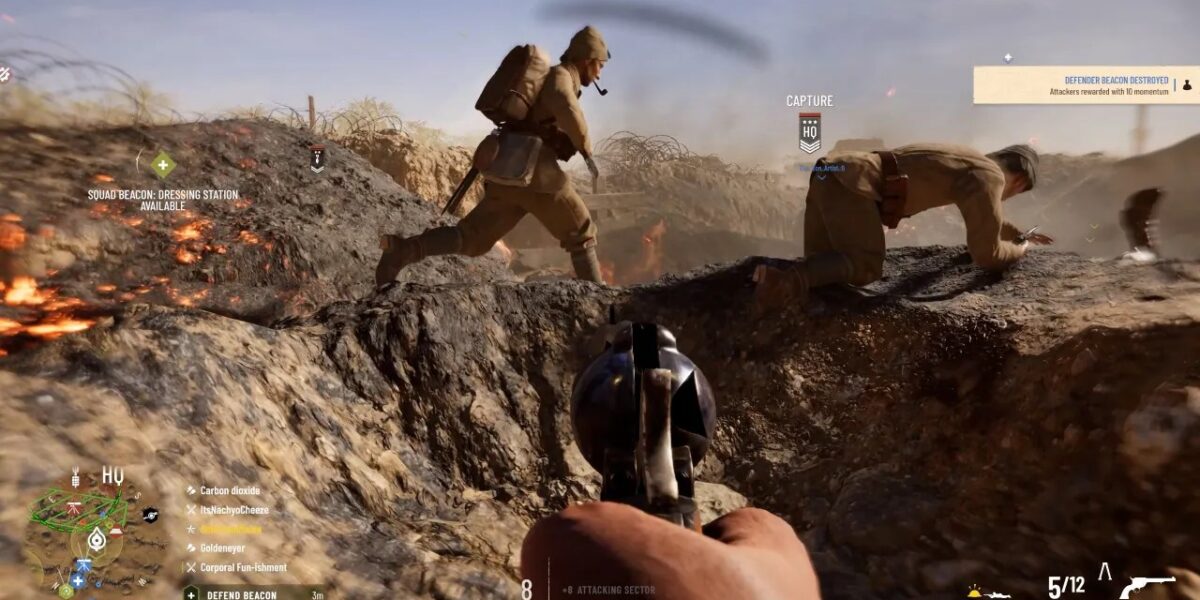
Lads and lasses, prepare yourselves! We’re about to embark on a visceral journey back in time, landing ashore and charging headfirst into enemy territory for king and country. The rules of engagement are simple: have fun, make friends, and maybe, just maybe, survive the onslaught. BlackMill Games’ Gallipoli, the fourth installment in their acclaimed WW1 series, is not only the most visually stunning and mechanically robust entry yet but also a poignant reminder of a pivotal moment in history.
The Middle Eastern Front: A New Battlefield
Gallipoli transports us to the often-overlooked Middle Eastern front, a landscape previously unexplored in the series. While many of us in the US might not have learned much about this theater of war in school, it holds immense significance, particularly in Australia and New Zealand, where the Gallipoli campaign is commemorated with national reverence. Unlike the familiar trenches of the Western Front, Gallipoli throws you into a brutal landscape where technology clashes with outdated strategies.
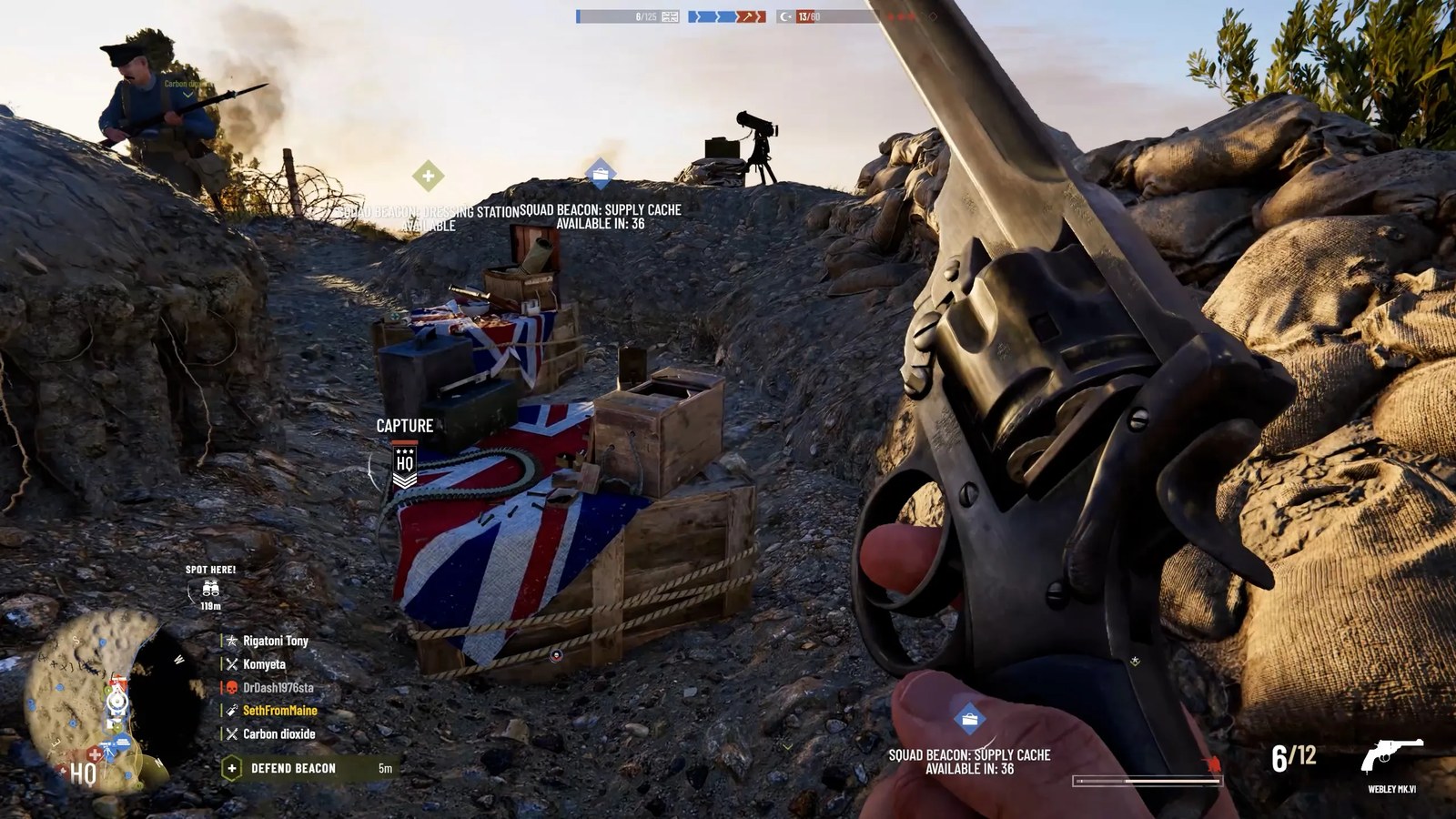
Imagine storming ashore not in modern landing craft but in painfully slow wooden boats under a hail of enemy fire. This stark contrast between Hollywood depictions and historical reality is what makes Gallipoli so compelling. The uniforms, the weaponry – everything feels authentic, capturing the era’s unique blend of technological advancement and strategic naivete. Men were thrown into meat grinders, and the answer was always “more men.”
The Terror of War: A New Layer of Realism
One of the most innovative features in Gallipoli is the “panic” system. Machine guns, a staple of WW1 warfare, are represented through both light and heavy gunner classes. While their primary function is to lay down suppressive fire, they also have the power to instill terror in your opponents. During one match, I found myself pinned down and separated from my squad, enduring a relentless barrage of enemy fire. Suddenly, the sheer terror of the situation overwhelmed my character, blurring my vision and hindering my aim. The experience was so visceral that I lost control and had to respawn. This isn’t just a gameplay mechanic; it’s a powerful reminder of the psychological toll of war.
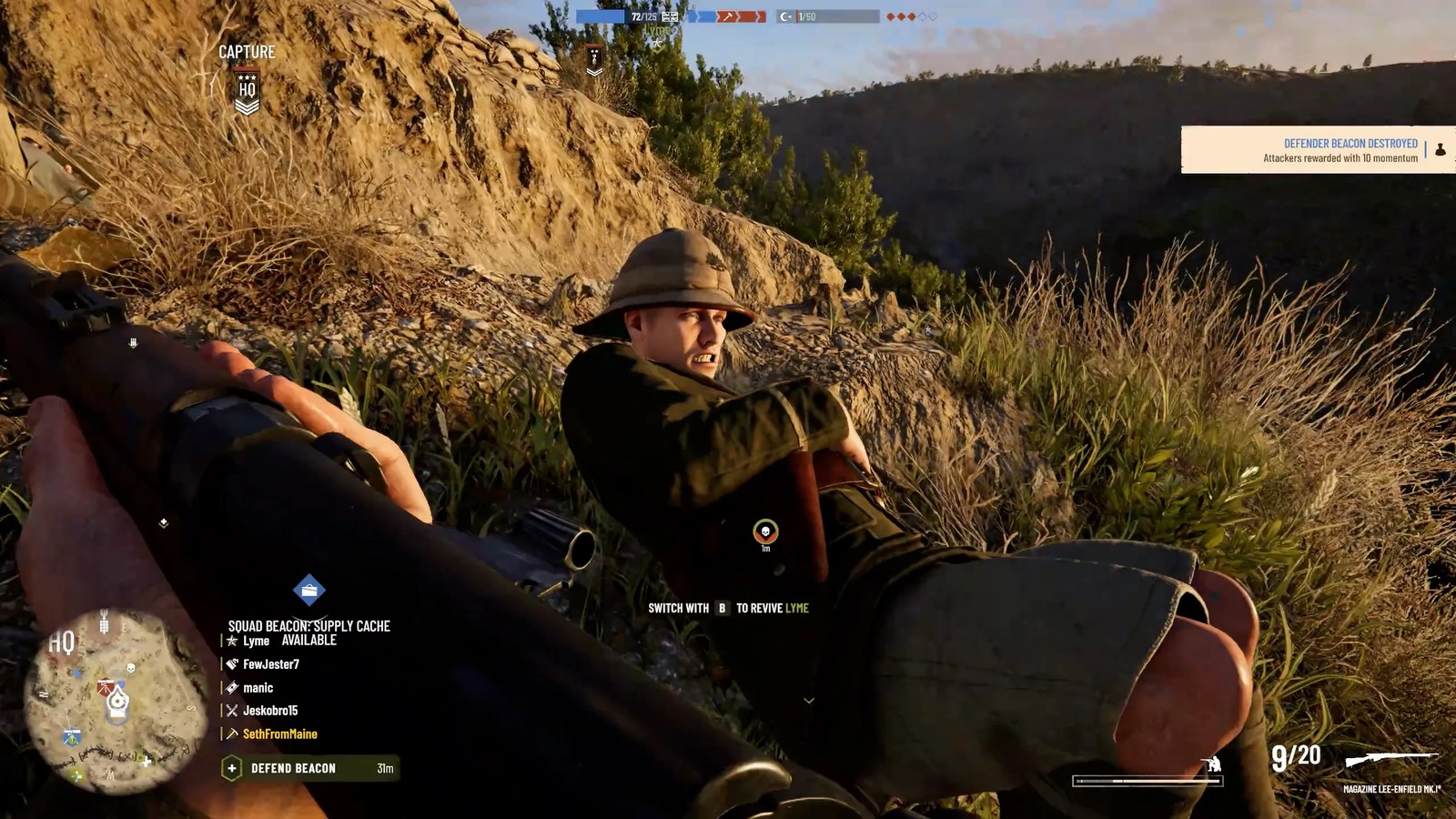
This system works both ways. You can panic your enemies, and even seemingly harmless actions like hip-firing a light machine gun can have unexpected consequences. In Gallipoli, every shot counts, and even missed shots can contribute to the overall chaos and tension of the battlefield.
Class Actions: A Symphony of Roles
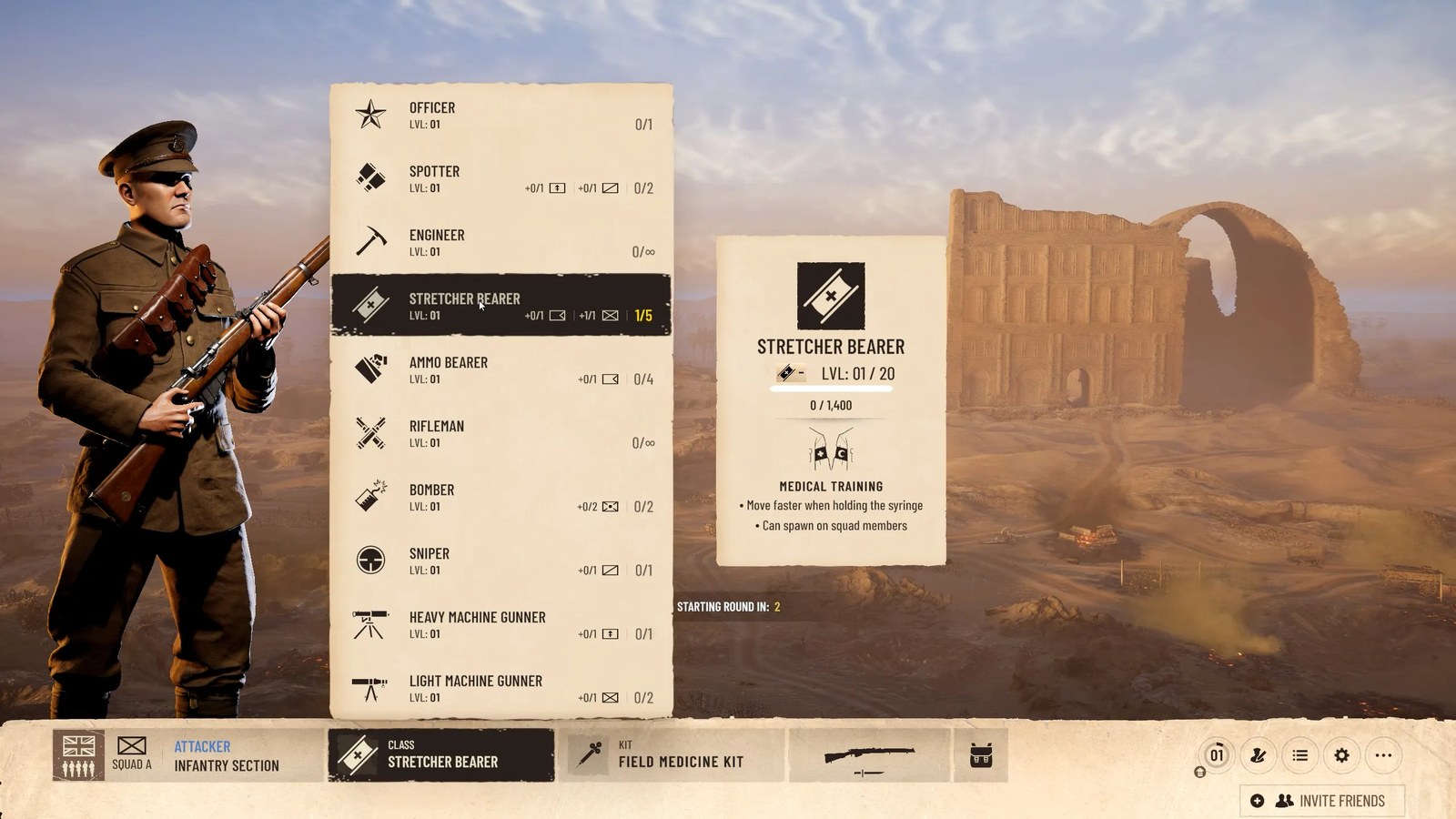
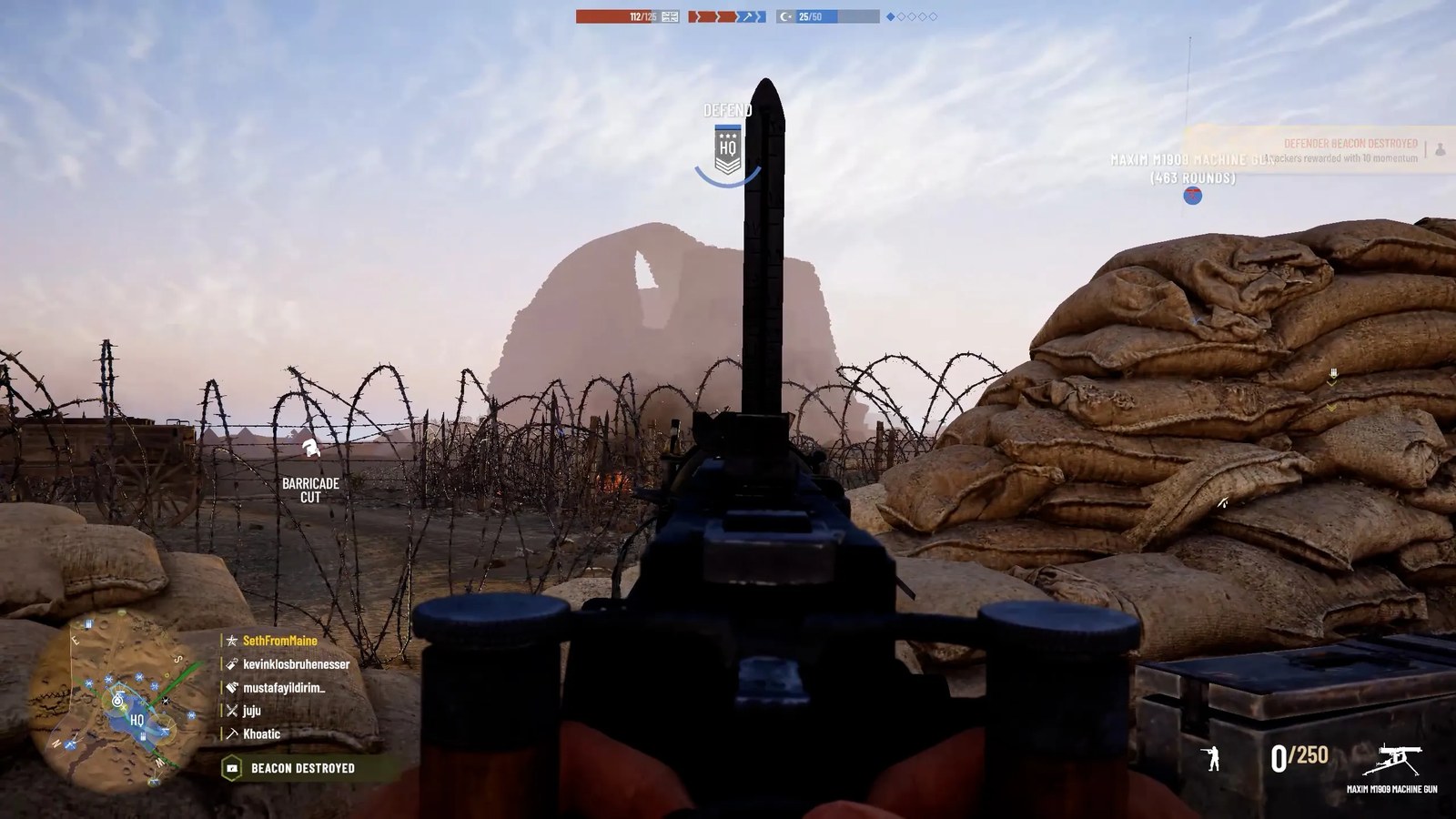
The introduction of new classes like the stretcher bearer, heavy machine gunner, ammo bearer, and bomber adds another layer of depth to the gameplay. The heavy machine gunner is tasked with building fortifications while strategically positioning them to hold lines or advance troops. This creates a dynamic interplay between offense and defense, encouraging teamwork and coordination.
The light machine gunner complements the heavy gunner by providing mobile support. However, Gallipoli emphasizes realism: you can’t just John-Rambo your way through a map hip-firing a light machine gun. You need to put your face in the dirt and lay down covering fire for your squadmates. This commitment to authenticity extends to all aspects of the game, from weapon handling to battlefield tactics.
Realism with Guns: A Different Kind of Action
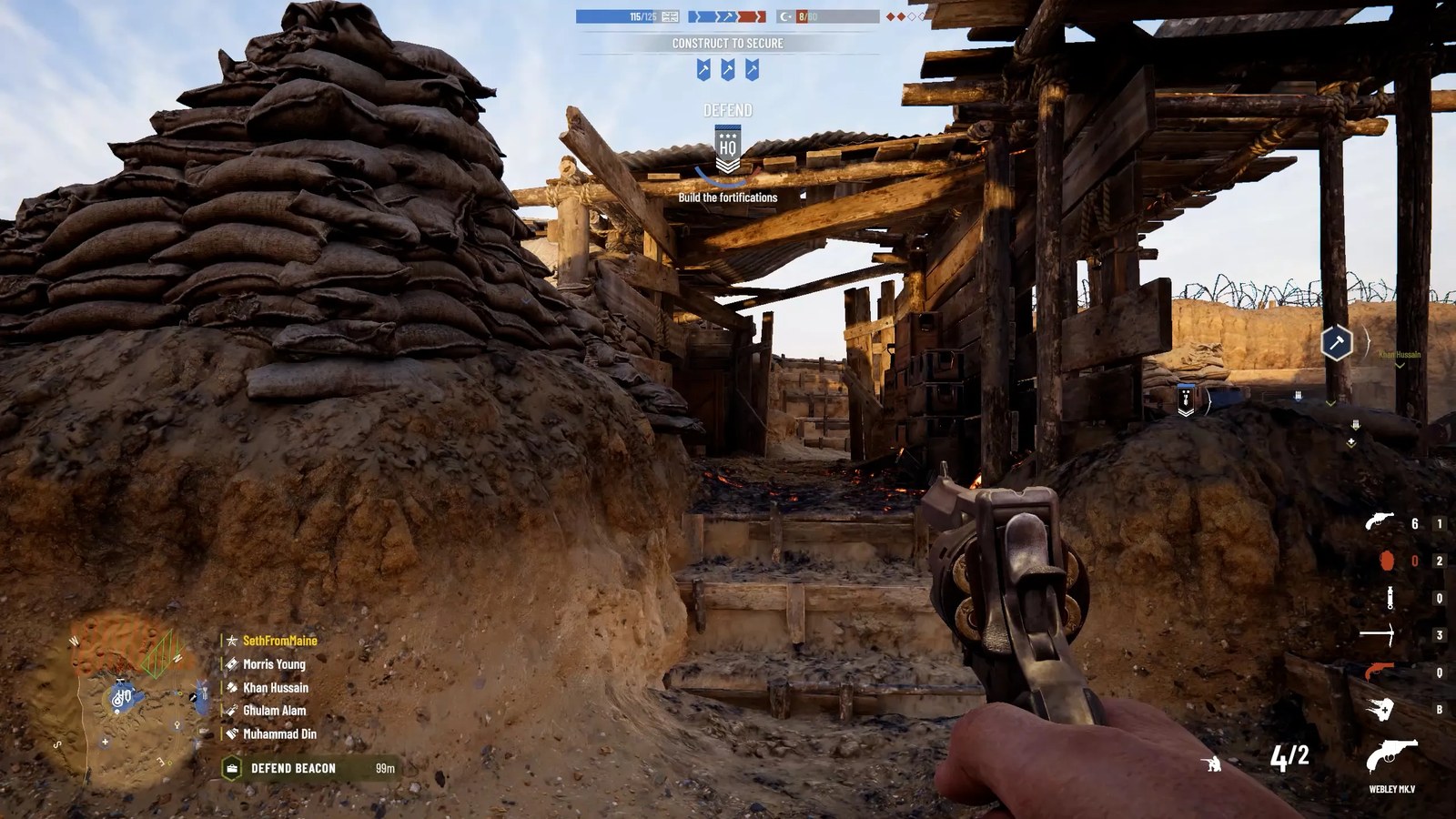
Gallipoli isn’t about quick-scoping or arcade-style action. It’s about the gritty reality of WW1 warfare. Rifles and pistols lose effectiveness with distance, and even seemingly harmless actions can have unexpected consequences. Pistols, the weapons of the officer class, are notoriously difficult to use accurately at any range. This commitment to realism might disappoint fans of more fast-paced shooters like Call of Duty, but it’s what makes Gallipoli so unique.
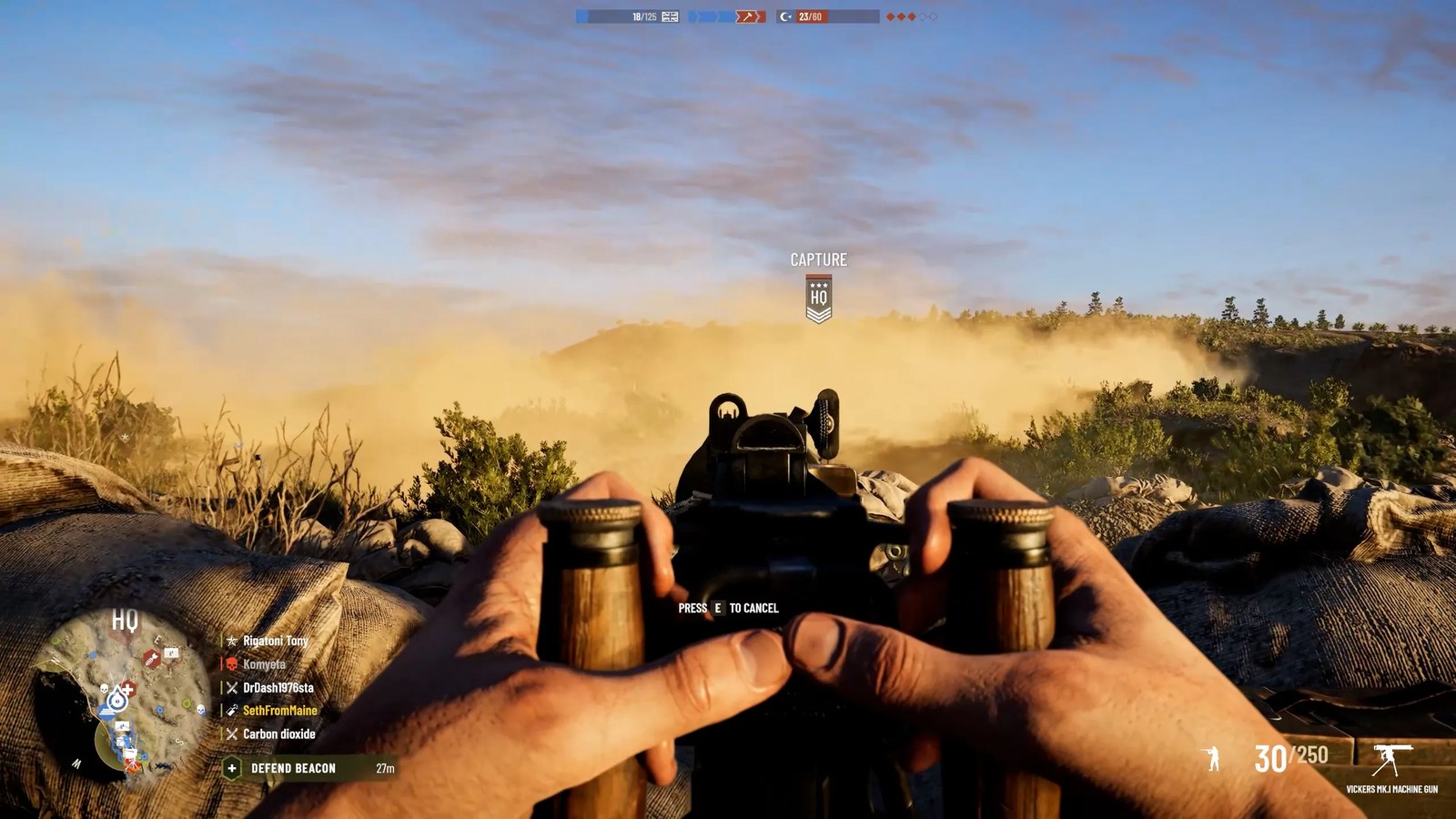
The action in Gallipoli is chaotic, brutal, and confusing – and that’s exactly the point. The introduction of dust adds another layer of immersion, obscuring vision and creating a sense of vulnerability. It’s easy to accidentally fire on your own teammates, adding to the overall tension and unpredictability of the battlefield.
The Players Make the Game: A Community of Realists
Perhaps the greatest strength of Gallipoli is its community. The game attracts players who appreciate its commitment to realism and teamwork. Unlike some multiplayer games where individual performance reigns supreme, Gallipoli thrives on cooperation and coordination. You can jump into a match, stay with your squad, and have a great time, knowing that everyone is committed to the same goals.
While there might be occasional instances of players getting overly competitive or critical, the overall atmosphere is one of camaraderie and shared passion for the game. When everyone locks in, listens to each other, sticks to their roles, and makes smart decisions, Gallipoli becomes a sublime experience – a testament to the power of teamwork and the enduring appeal of historical accuracy.
New Classes: Stretcher Bearer & Ammo Bearer
The new classes, including the stretcher bearer (medic) and ammo bearer (support), add further depth to the gameplay. The stretcher bearer is invaluable for keeping your squadmates alive and advancing through enemy territory, while the ammo bearer ensures that everyone has enough firepower to stay in the fight.
Sniper Class: A Master of Precision
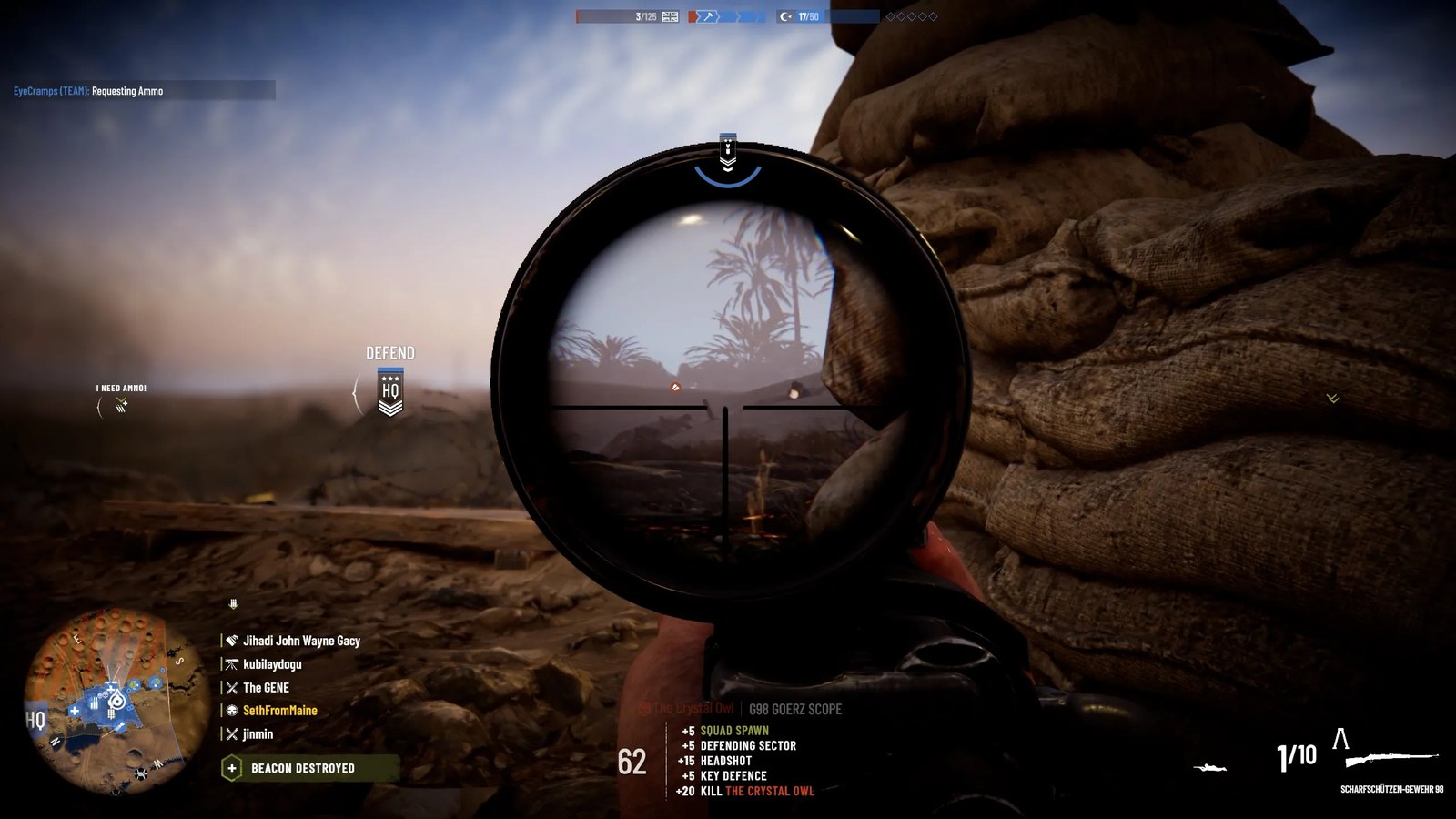
For those who prefer a more strategic approach, the sniper class offers a unique and rewarding experience. The ability to pick off enemies from afar, while remaining hidden, is incredibly satisfying. However, Gallipoli limits each team to only one sniper, preventing the game from devolving into a sniping contest.
Dust: A Veil of Uncertainty
The introduction of dust adds another layer of immersion to Gallipoli. Whether it’s the result of an artillery barrage or a mortar strike, the resulting cloud obscures vision and creates a sense of vulnerability. It’s easy to accidentally fire on your own teammates, adding to the overall tension and unpredictability of the battlefield.
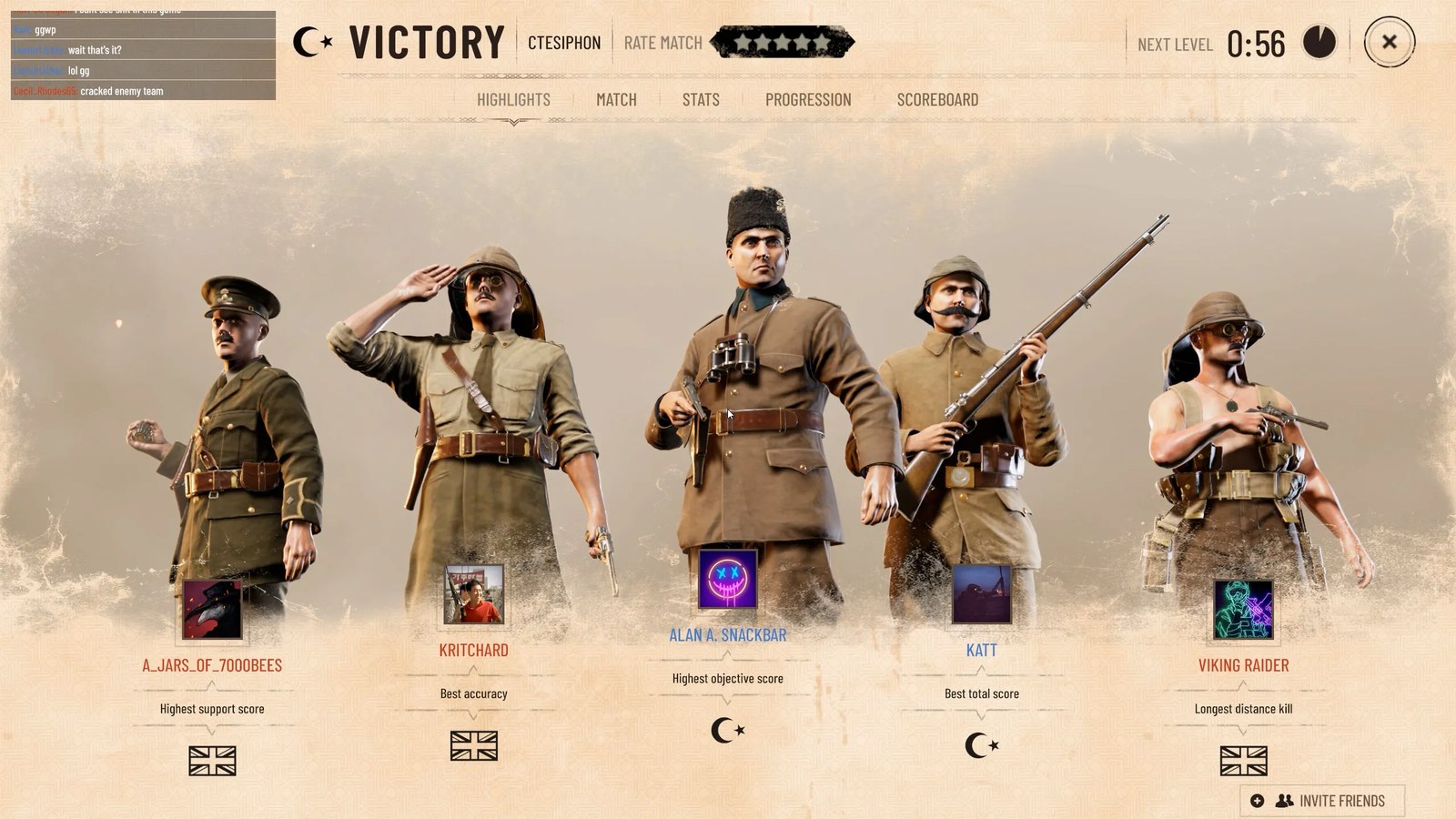
Gallipoli is more than just a game; it’s an experience. It’s a chance to step back in time and witness one of the most pivotal moments in history. It’s a reminder of the sacrifices made by soldiers on both sides of the conflict. And it’s a testament to the power of teamwork and the enduring appeal of historical accuracy.
Source: IGN





Comments
Be the first to comment.