Sandustry: Where Factory Simulation Meets Apocalyptic Perfectionism
[Engaging introduction paragraph]
Before diving into Sandustry, the excellent new factory builder from Lantto Games and Hooded Horse, let’s take a moment to reflect on the post-industrial countryside of Wales. My recent 105-mile “review” of the MSI Cyborg 14 laptop included a walk through the old slate quarries near Aberllefenni, the longest continually operated slate mining setup until its closure in 2003. This experience provides context for understanding the unique blend of dread and exhilaration that Sandustry evokes.
The Allure of Industrial Waste
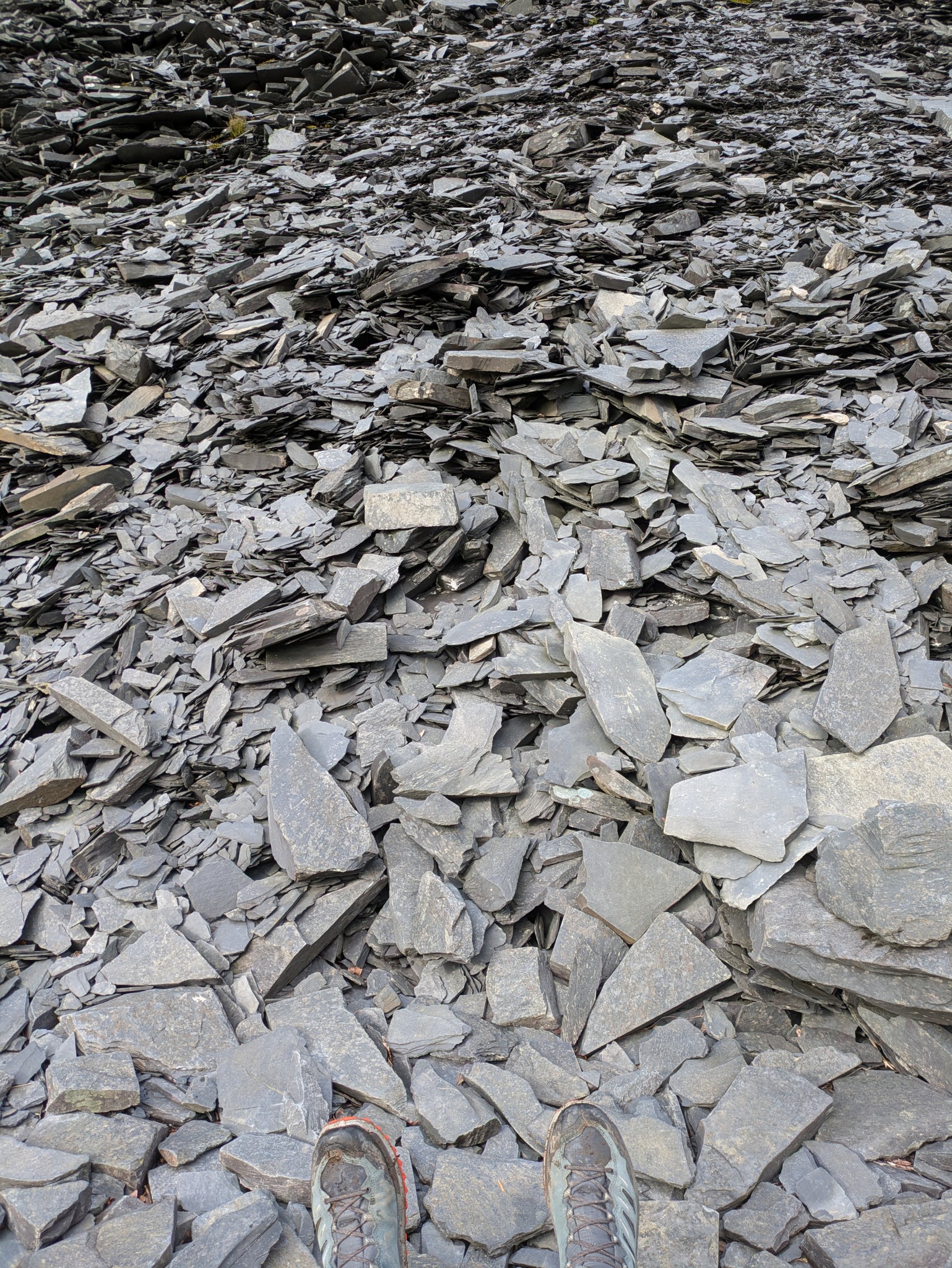
The image of colossal spoil piles near villages, compacting and blurring until they become part of the “landscape,” is both unnerving and strangely beautiful. In 1966, coal heaps over Aberfan collapsed, killing 144 people. Looking at the piled slate, I felt a sense of foreboding, realizing that these seemingly static landscapes are constantly evolving.
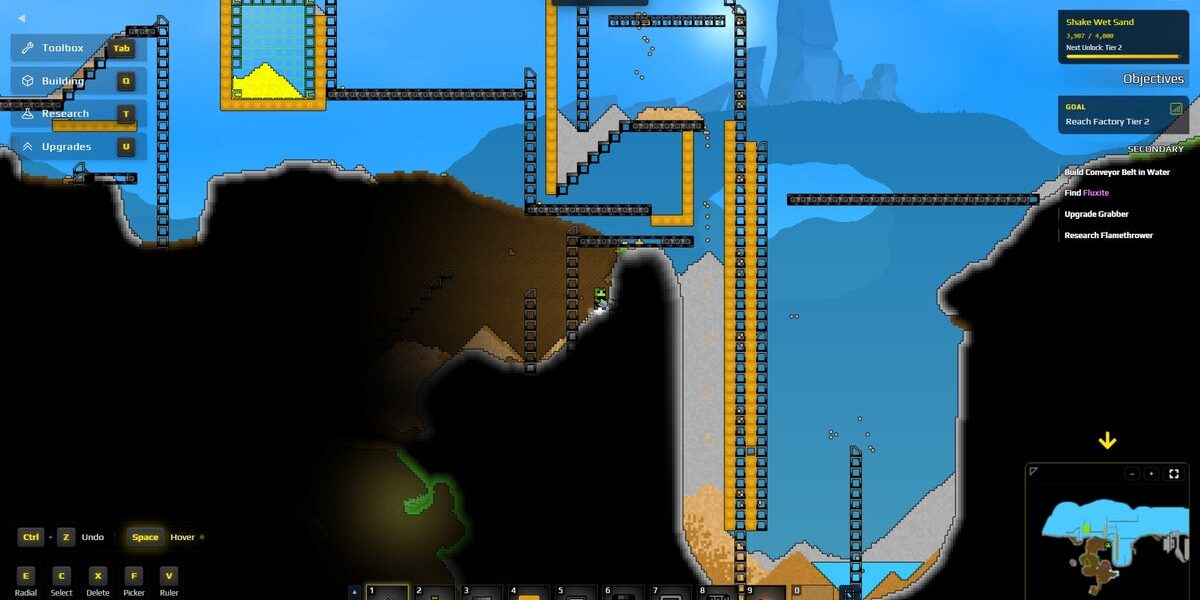
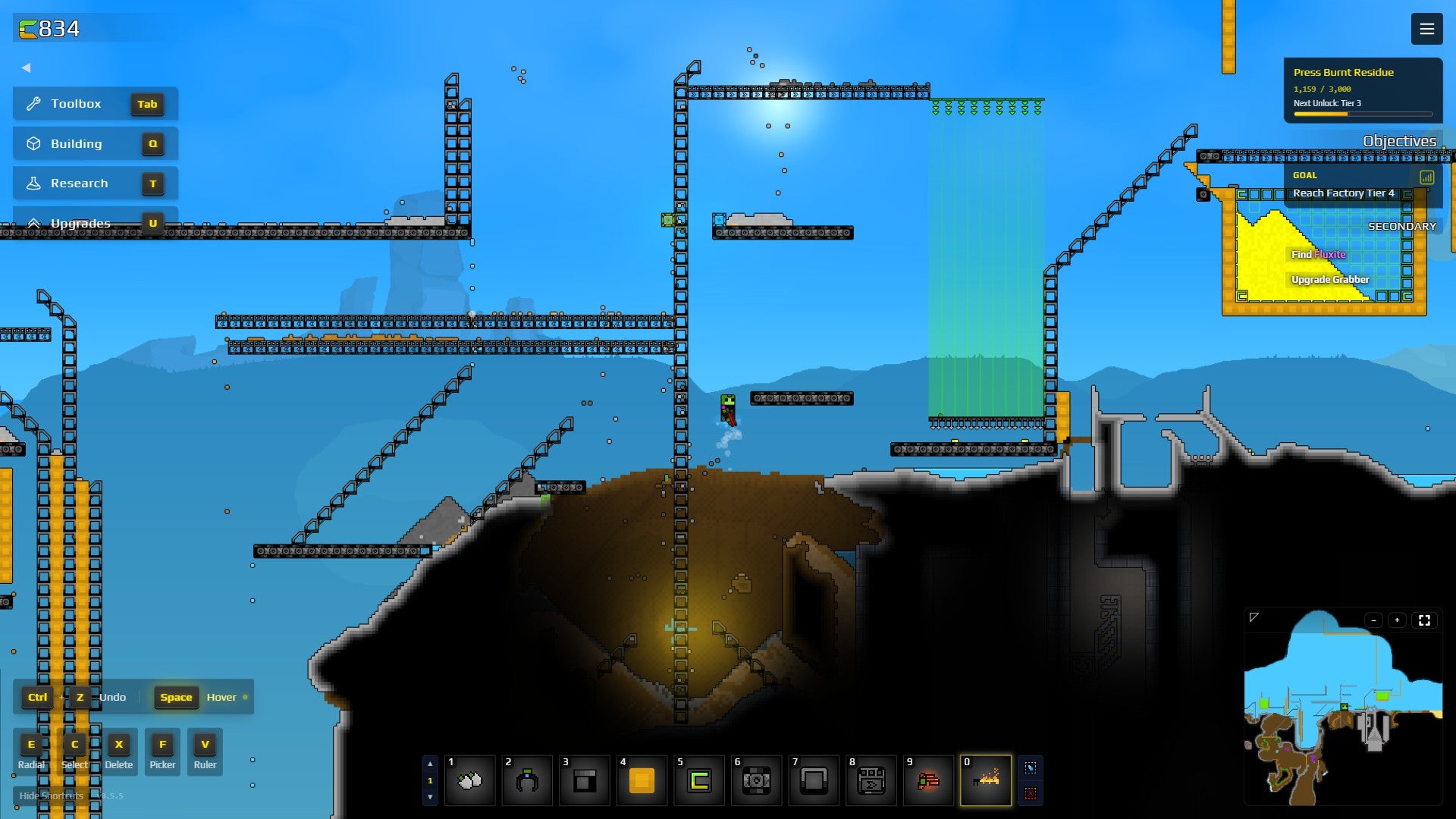
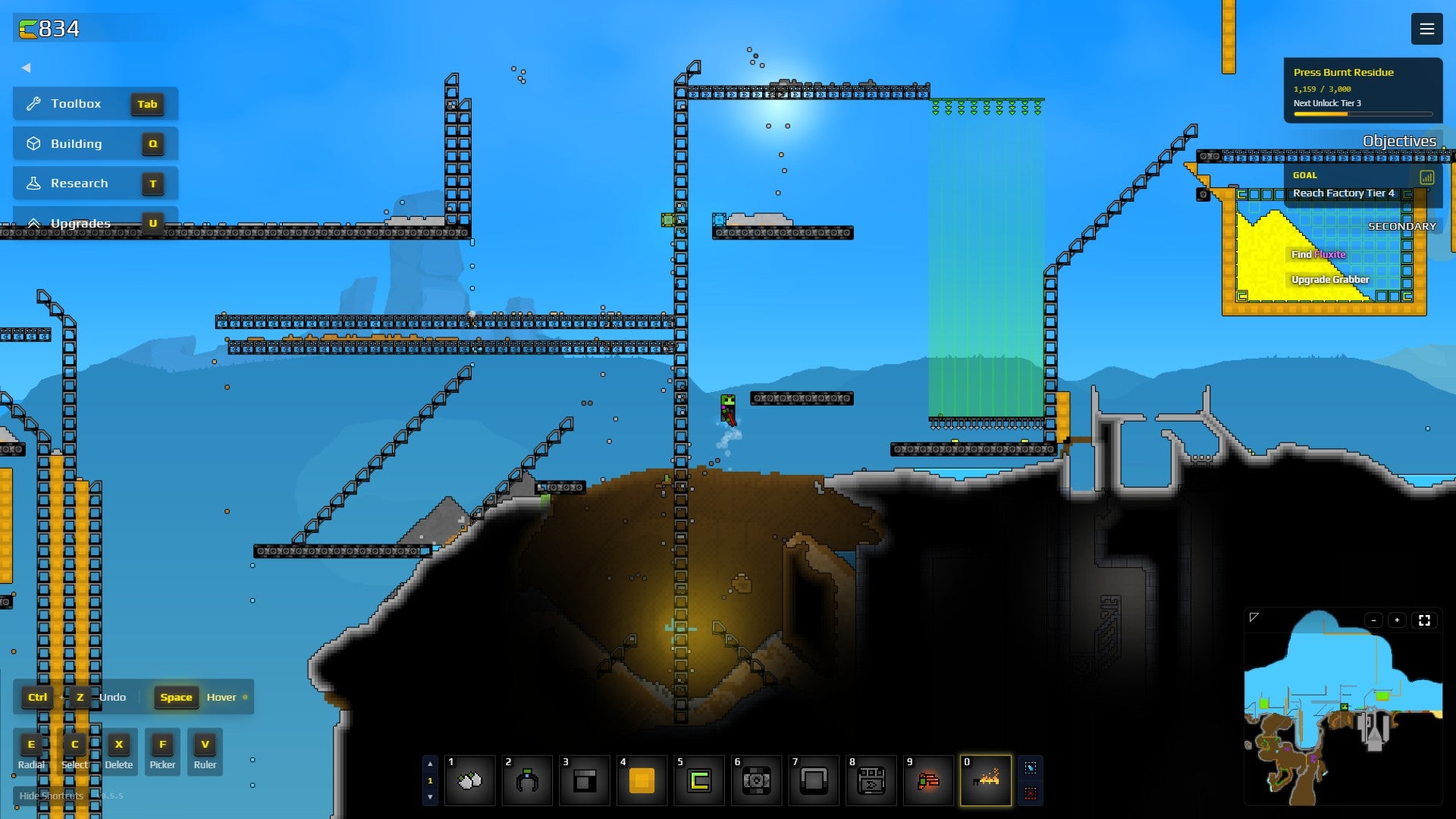
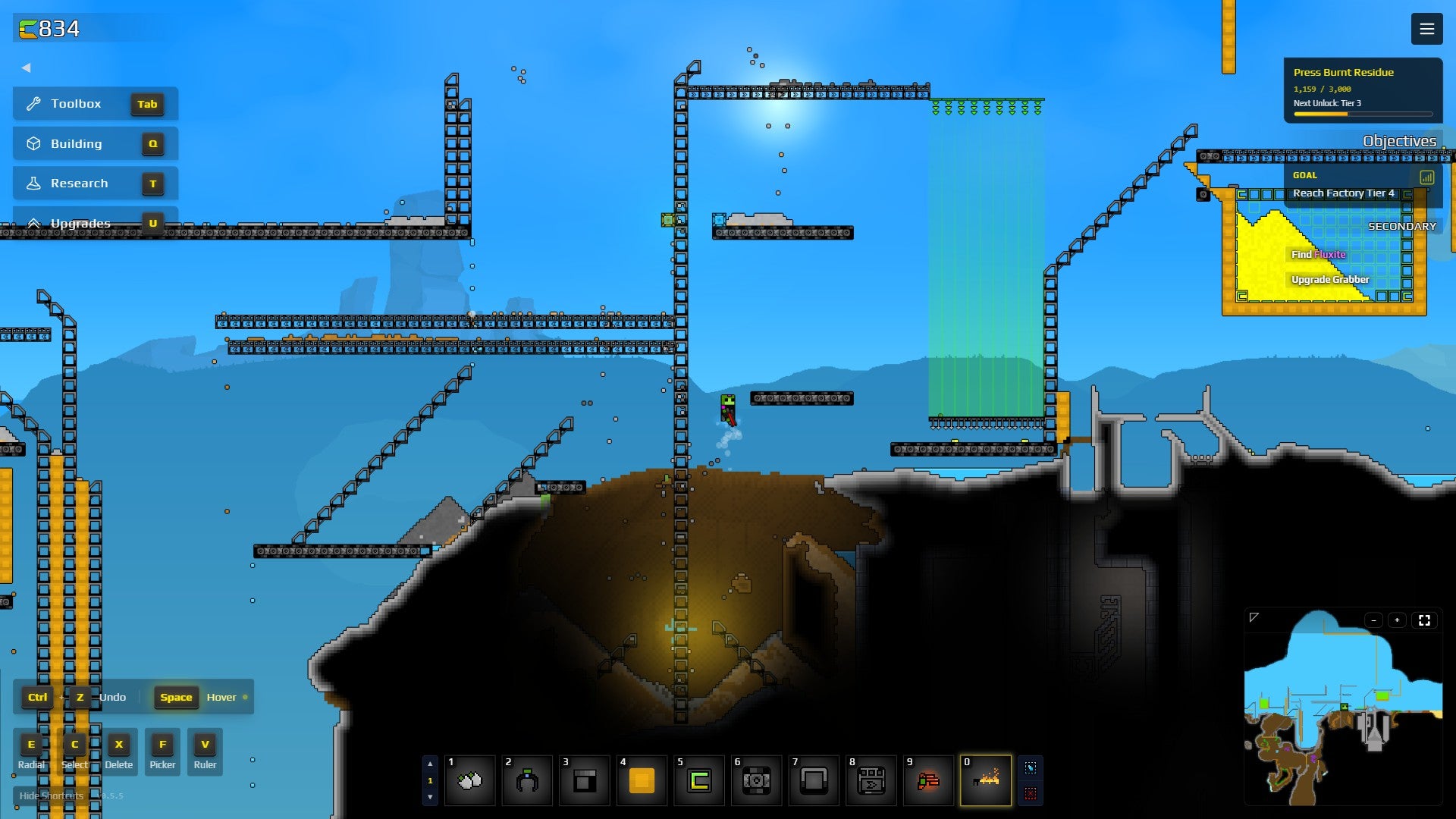
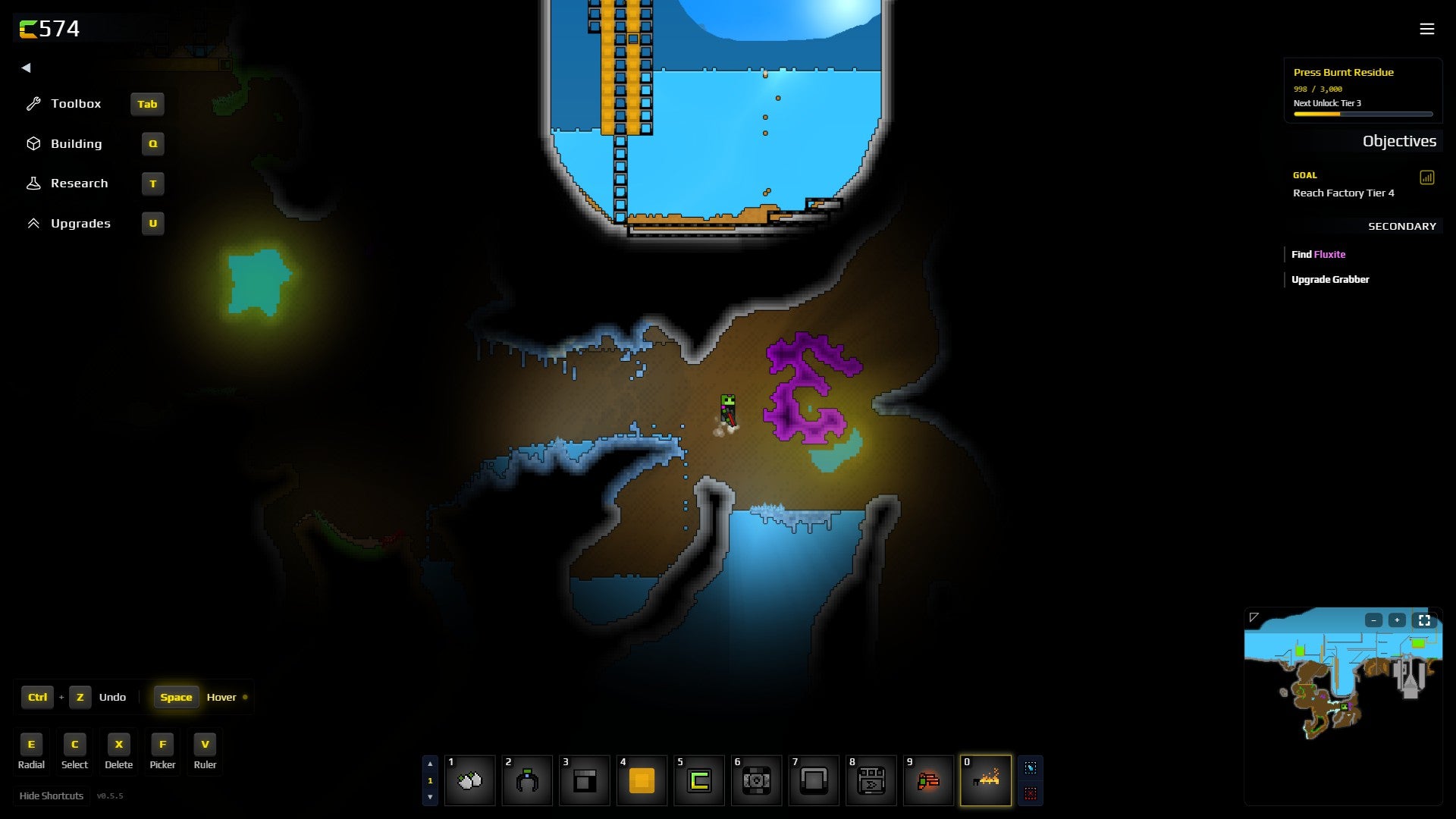
This concept is central to Sandustry, where you play as an alien prospector tasked with turning all the sand into gold. Unlike games like Satisfactory, which incorporate survival elements and constrained traversal, Sandustry allows you to glide through your own buildings and materials. While boss monsters exist, there are no smaller threats, and in the early access build, construction doesn’s require resources beyond gold to unlock new machines. The challenge comes from the fact that the game’s materials break down into pixels with individual physics, leading to the formation of impressive heaps.
The process begins innocently enough: you set up a small network of conveyors and elevators to dunk sand in water, then transport it to sifting trays. However, this process also produces sandy residue that settles like dandruff on your collection hopper. To intercept this residue, you might stretch out a stack of launchers, only to find an auspicious cave and burrow down for upgrade crystals. Returning after a few moments, you discover that your gold-mining operation is now overshadowed by a rising mountain of debris.
The Beauty of Imperfection
Sandustry stands out as the first factory game I’ve played that truly communicates the physicality of industrial waste. It’s the only factory game that makes me think of post-industrial landscapes, like those colossal spoil piles near Aberllefenni. The game engineers a weird exuberance within the concept of “byproduct.”
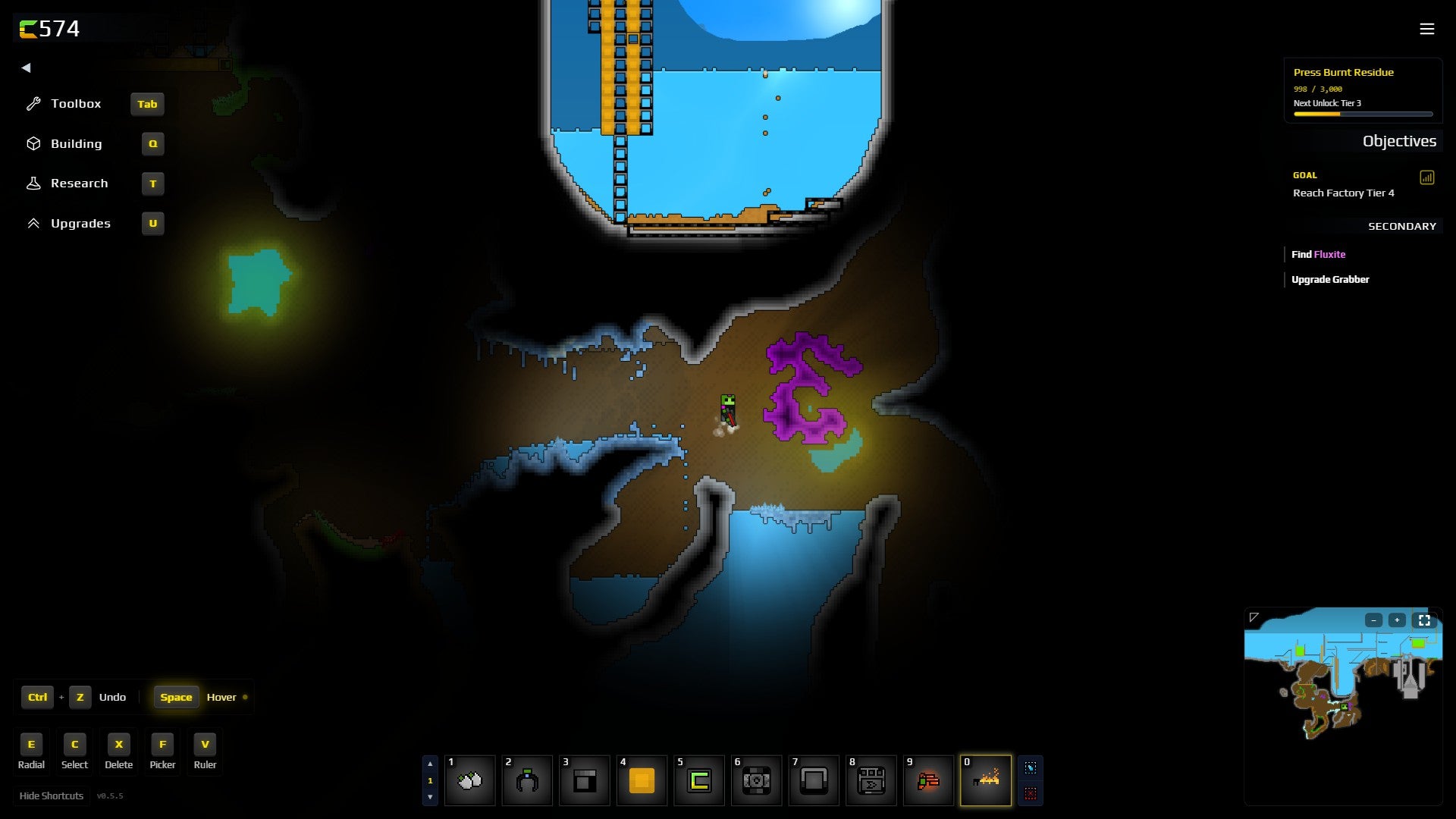
Factory games often simulate the effects of excessive production, but this representation is usually organized by the HUD and interface design. In Sandustry, however, a pile of superfluous crap is an exquisite, granular entity that forms peaks and valleys. It finds its way into crevices, chases you down tunnels, separates into smaller runnels, and eventually overflows your machines.
The different kinds of material form these scatty seams, telling a story about how the heap was made. You learn to understand the forces that acted upon it, the mechanisms each grain moved through. This is useful because your factories will likely be imperfect, with gaps and bottlenecks that knock the pixels out of flow, forming stray mounds in odd places.
A Cycle of Transformation
The matter that pools across the surface has a kind of splendor; it’s tempting to finesse every pile of refuse with your Grabber. The other reason you might want to sculpt the refuse piles is that “waste” is not a permanent designation. As with real-world “junk” slate, which may eventually be processed into driveway gravel or garden mulch, Sandustry keeps turning refuse into raw material.
You’ll soon unlock other uses for sand residue, such as burning and compressing it to produce seed alongside additional gold. This unlocks a further revisiting of your heaps. Suddenly, all that garbage you piled up near your initial gold-panning operation has value. It’s satisfying, and kind of horrifying. I’m early on in Sandustry, but I suspect that some things are never quite lost or destroyed in the game, only transformed and transformed again. The Midasian premise might seem like a bog-standard narrative of space capitalism running amok, but there’s a desperation to it. Sandustry wants everything to become gold not because gold is desirable, but because gold is the one substance that vanishes once you spend it, without leaving any terrible mountains of spoil behind.
Source: Rock Paper Shotgun
Comments
Be the first to comment.