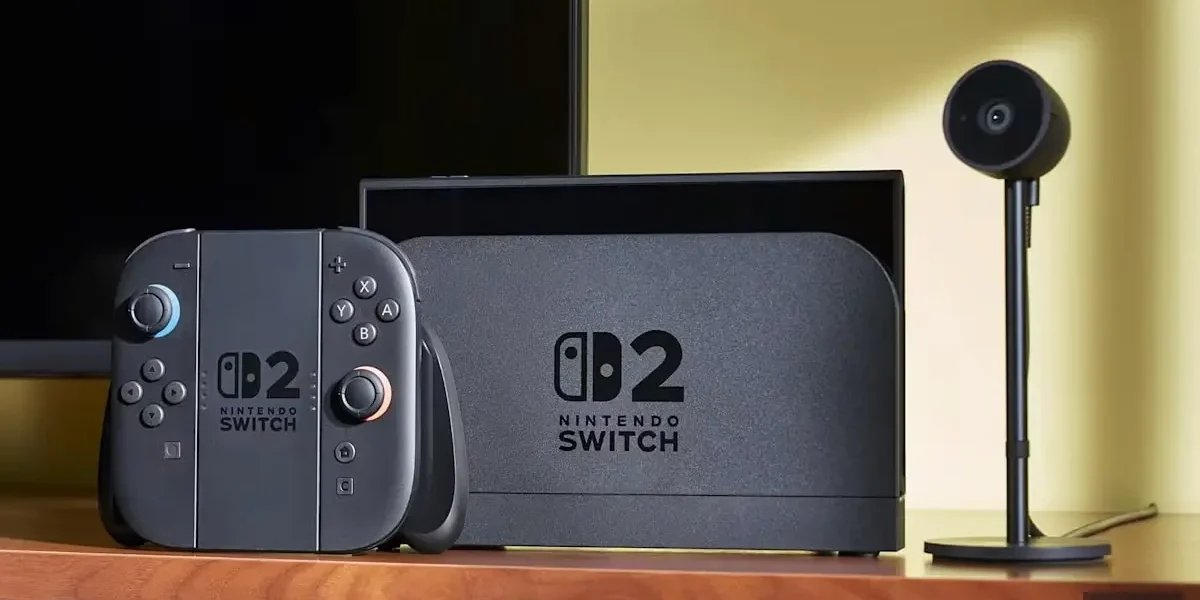
With AI‑driven supply constraints driving up the cost of every console and peripheral, it’s no surprise that demand has cooled. Yet the speed and depth of the slump have been unexpected, and the market is now feeling the full brunt.
Circana’s analyst Mat Piscatella reports that July’s hardware sales plunged 39 % year‑over‑year, while unit prices rose 16 %. The combined effect was a 29 % drop in total spend, underscoring a sharp contraction in consumer outlays.
When dissected by platform, the PlayStation 5 experienced the mildest decline, slipping just 6 %. Xbox lagged behind with an 18 % fall, while Nintendo’s Switch 2 suffered the steepest erosion, falling 51 % from the previous July.
The Switch 2’s dramatic 51 % slide marks the most pronounced downturn among all consoles, signaling a possible shift in consumer preference or a saturation of the market.
July’s total video‑game hardware spend fell 29 % from a year earlier, reaching $282 million—its lowest monthly figure since 2020, when July sales hit $163 million.
❓ Frequently Asked Questions (FAQ)
Why did July hardware sales plunge 39% year-over-year?
AI‑driven supply constraints have pushed up the cost of consoles and peripherals, which has cooled demand. The combination of higher unit prices (up 16%) and a sharp drop in volume led to a 39% decline in sales.
Which console experienced the steepest decline and what might that indicate?
Nintendo's Switch 2 saw the steepest erosion, falling 51% from the previous July. This suggests a possible shift in consumer preference or market saturation for that platform.
What does the 29% drop in total video‑game hardware spend mean for the console market?
The 29% contraction, bringing July spend down to $282 million—the lowest monthly figure since 2020—signals a broader cooling in the console market. Manufacturers may need to rethink pricing strategies and accelerate next‑gen releases to recapture demand.
News Source: Destructoid



Comments
Be the first to comment.