

About this game
Introduction: The Next Chapter for Sekiro: Shadows Die Twice
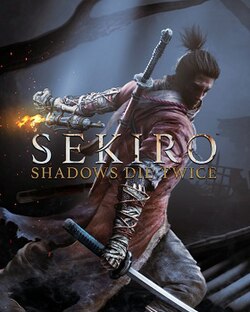
FromSoftware’s Sekiro: Shadows Die Twice arrived in 2019 not merely as another action game, but as a bold statement of intent. Departing from the interconnected world design of the Dark Souls trilogy, Sekiro presented a more linear, focused experience steeped in Japanese mythology and Sengoku period aesthetics. This Masterclass Deep-Dive will dissect every facet of this critically acclaimed title, examining its technical prowess, gameplay innovations, and lasting impact on the action-adventure genre. We’ll explore how FromSoftware successfully crafted an IP that resonated with both longtime fans and newcomers alike, solidifying their reputation for delivering challenging yet rewarding gaming experiences.
Visual Direction and Graphics Engineering
Sekiro: Shadows Die Twice boasts a visually stunning world, brought to life by FromSoftware’s proprietary “proprietary Next-Gen Engine.” While details about the engine itself are scarce, its capabilities are evident in the game’s detailed character models, lush environments, and dynamic lighting. The visual direction leans heavily on realism, with meticulous attention paid to period-accurate architecture, clothing, and weaponry. The game’s art style effectively blends historical accuracy with fantastical elements, creating a unique atmosphere that is both beautiful and unsettling. Optimization was clearly a priority, allowing the game to run smoothly across a range of hardware configurations, while still maintaining impressive visual fidelity.
Gameplay Mechanics and Core Systems
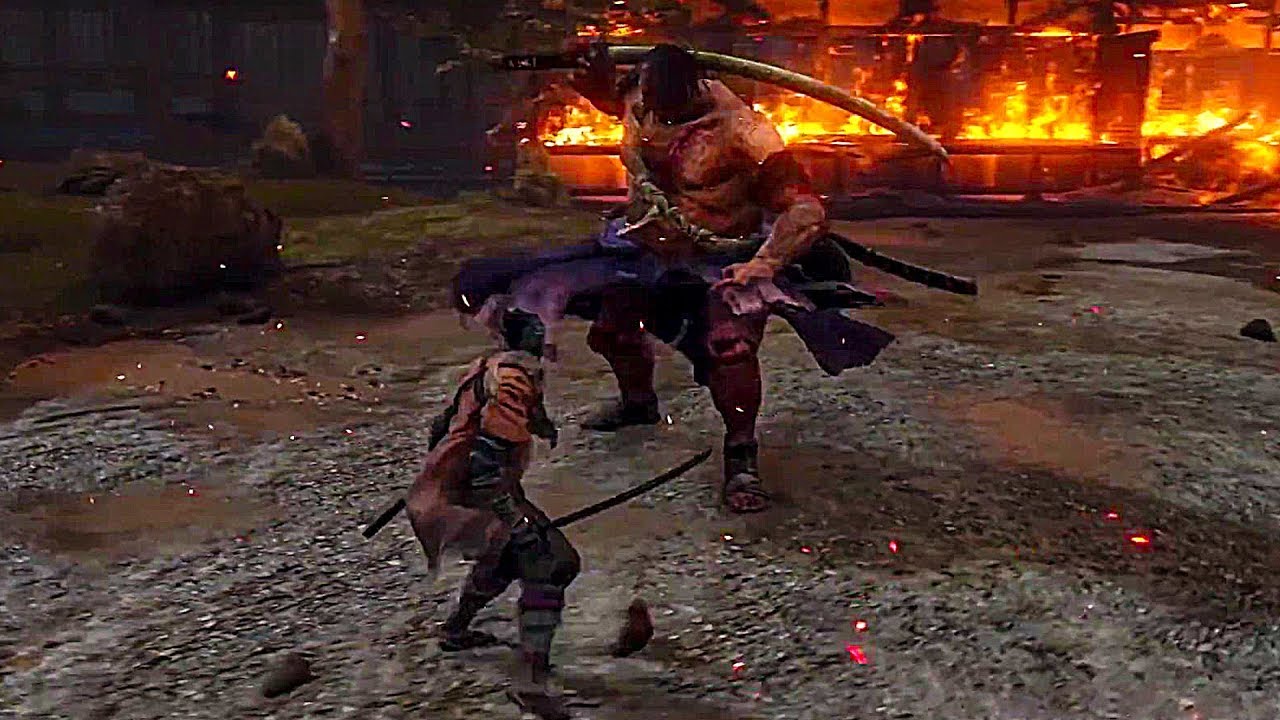
At its core, Sekiro revolves around a refined combat system built upon parrying, posture breaking, and precise timing. Unlike the more forgiving dodge-rolling mechanics found in Dark Souls, Sekiro demands aggressive engagement and mastery of the deflect mechanic. The “Resurrection” ability adds another layer of strategic depth, allowing for calculated risks and opportunities to turn the tide of battle. This core loop of attack, defend, and exploit is complemented by a grappling hook that allows for vertical traversal and unique combat maneuvers. The game’s difficulty stems not only from enemy aggression but also from the unforgiving nature of its mechanics, requiring players to learn and adapt quickly.
Level Design and World Atmosphere
The level design in Sekiro is meticulously crafted to guide players through a series of interconnected environments, each with its own distinct visual identity and challenges. From the serene beauty of Ashina Outskirts to the imposing grandeur of Castle Ashina, every location feels purposeful and contributes to the overall narrative experience. The game’s verticality encourages exploration, rewarding players who venture off the beaten path with hidden items, shortcuts, and breathtaking vistas. The atmosphere is palpable, enhanced by a haunting soundtrack that perfectly complements the on-screen action.
Narrative Depth and Character Profiles
While Sekiro features a more focused narrative than previous FromSoftware titles, it still offers a rich tapestry of lore and character development. Players assume the role of Wolf, a shinobi seeking to rescue his lord and unravel the mysteries surrounding a supernatural curse. The supporting cast is equally compelling, each with their own motivations and secrets. The game’s story unfolds through environmental storytelling, cryptic dialogue, and optional encounters, encouraging players to piece together the larger picture. The relationship between Wolf and Kuro, his loyal companion, forms the emotional core of the narrative.
Sound Design and Acoustic Realism
The sound design in Sekiro is a crucial element that enhances the immersive experience. From the clashing of swords to the rustling of leaves, every sound effect is meticulously crafted to create a sense of realism and tension. The soundtrack, composed by Yuka Kitamura, perfectly complements the on-screen action, ranging from haunting melodies to adrenaline-pumping battle themes. The use of spatial audio further enhances the immersion, allowing players to pinpoint enemy locations and anticipate attacks.
Release Expectations and Community Hype
Prior to its release, Sekiro generated significant hype within the gaming community. Fans eagerly anticipated FromSoftware’s next project, particularly after the studio’s success with the Dark Souls trilogy. The game’s unique setting, combat system, and departure from established conventions sparked considerable discussion and speculation. Upon release, Sekiro largely lived up to expectations, garnering widespread critical acclaim and a dedicated fanbase. However, its high difficulty level also proved divisive, leading to both praise for its challenge and criticism for its unforgiving nature.
Conclusion: The Future of Sekiro: Shadows Die Twice
Sekiro: Shadows Die Twice represents a bold evolution for FromSoftware, demonstrating their willingness to experiment with new gameplay mechanics and narrative structures while retaining the core elements that define their signature style. Its lasting impact on the action-adventure genre is undeniable, inspiring other developers to create more challenging and rewarding experiences. While its high difficulty may not appeal to all players, Sekiro remains a masterpiece of game design, offering a unique and unforgettable journey into a world steeped in Japanese mythology and Sengoku period aesthetics.
The future for the franchise is uncertain, but the success of Sekiro has undoubtedly paved the way for new IP and innovative gameplay experiences from FromSoftware.
Source: Wikipedia
Gallery

Join the conversation