Introduction: The Next Chapter for The Godfather II

“The Godfather Part II,” a landmark achievement in both cinematic and gaming history, represents a bold step forward. Building upon the foundation laid by its predecessors, this installment aims to deliver an unparalleled immersive experience that captures the essence of the Corleone family saga while pushing the boundaries of interactive storytelling and technical innovation. This Masterclass Deep-Dive will dissect every facet of “The Godfather II,” from its groundbreaking engine to its compelling narrative, providing a comprehensive analysis for discerning gamers and industry professionals alike.
Visual Direction and Graphics Engineering
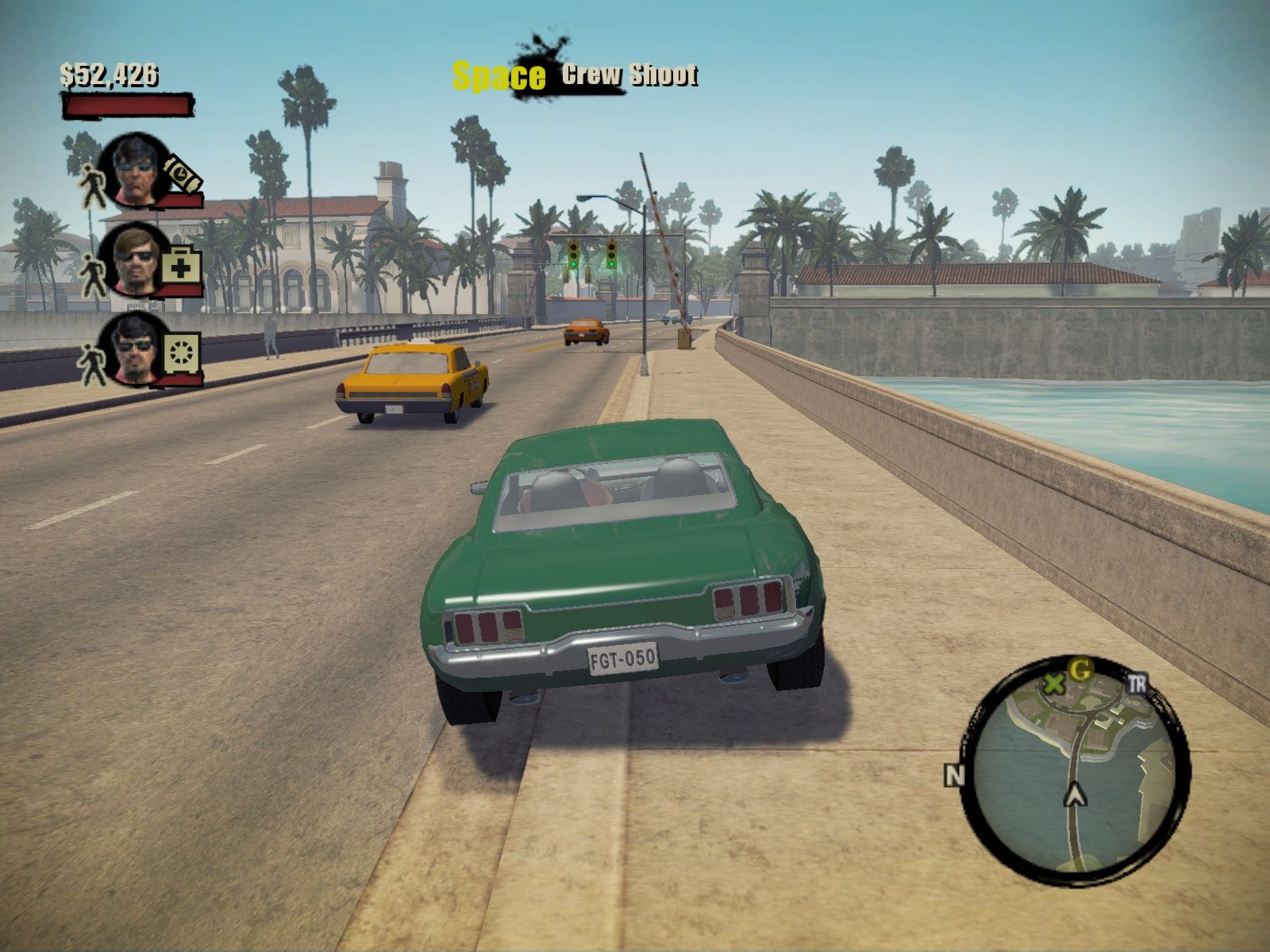
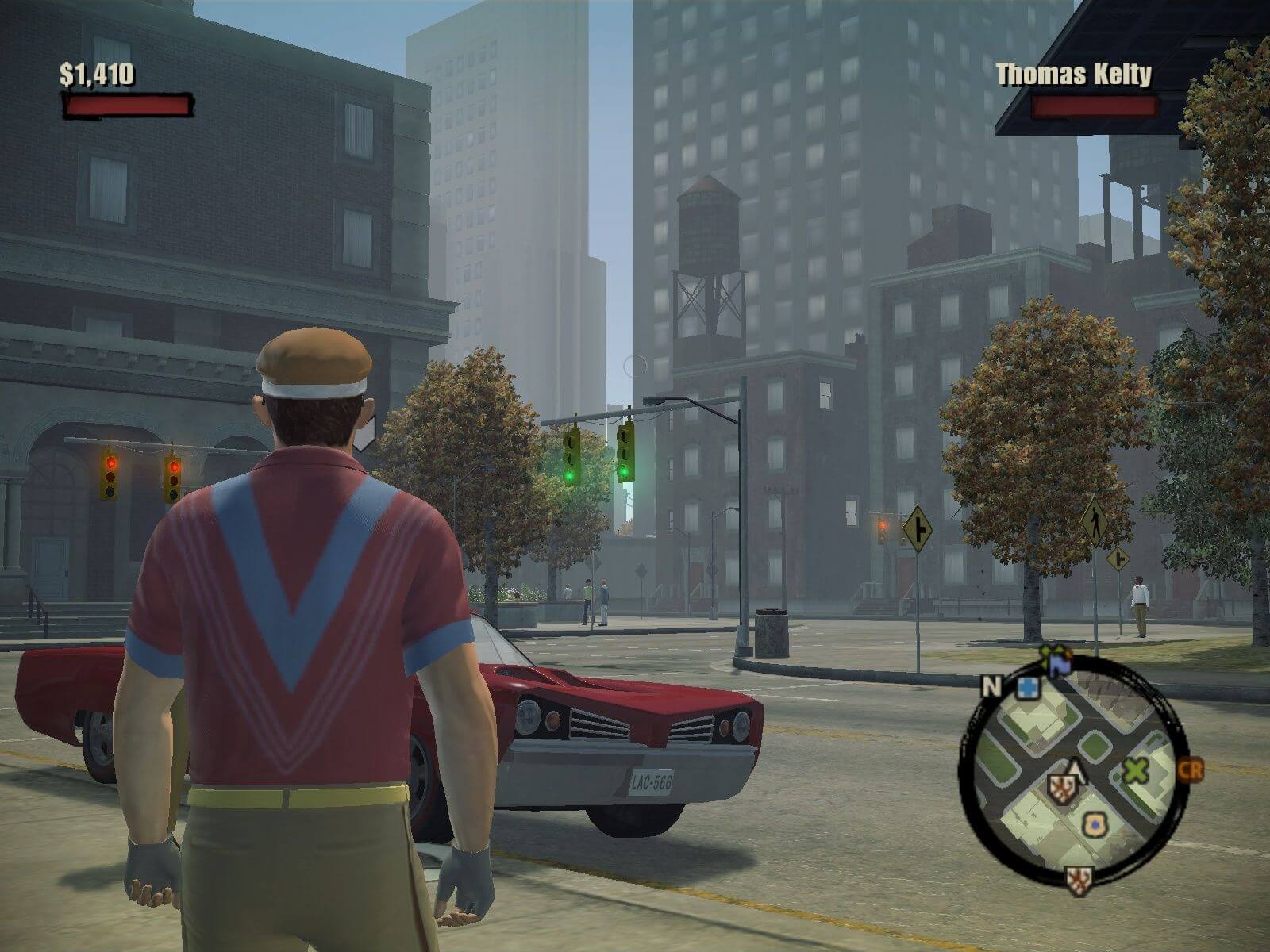
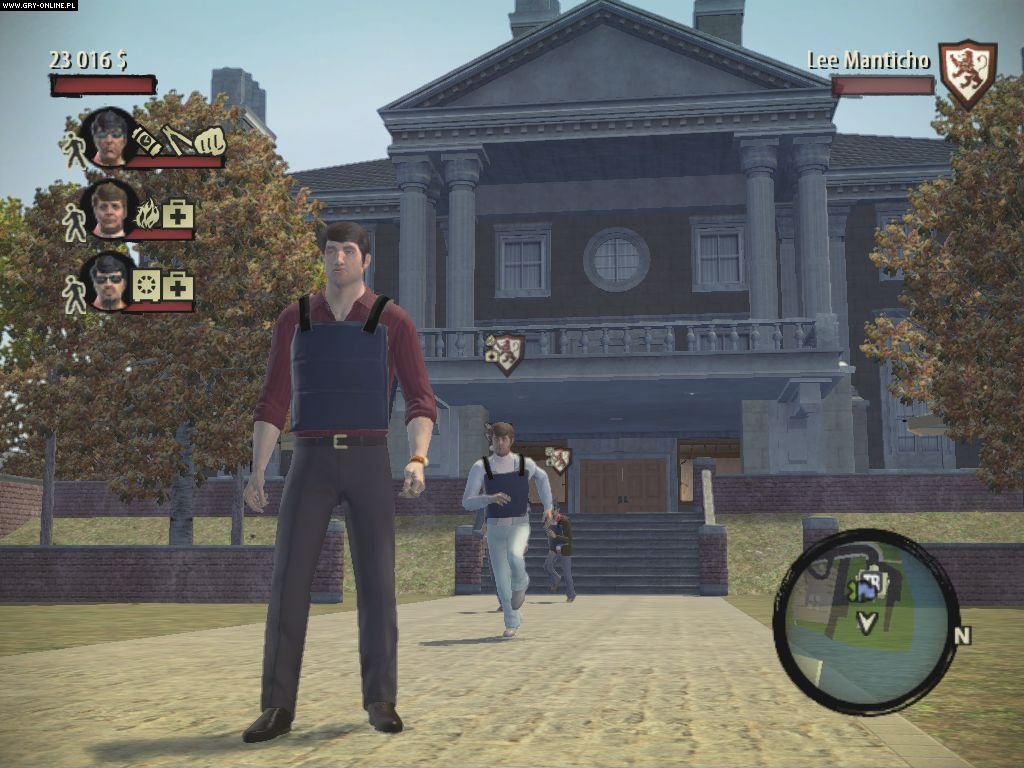
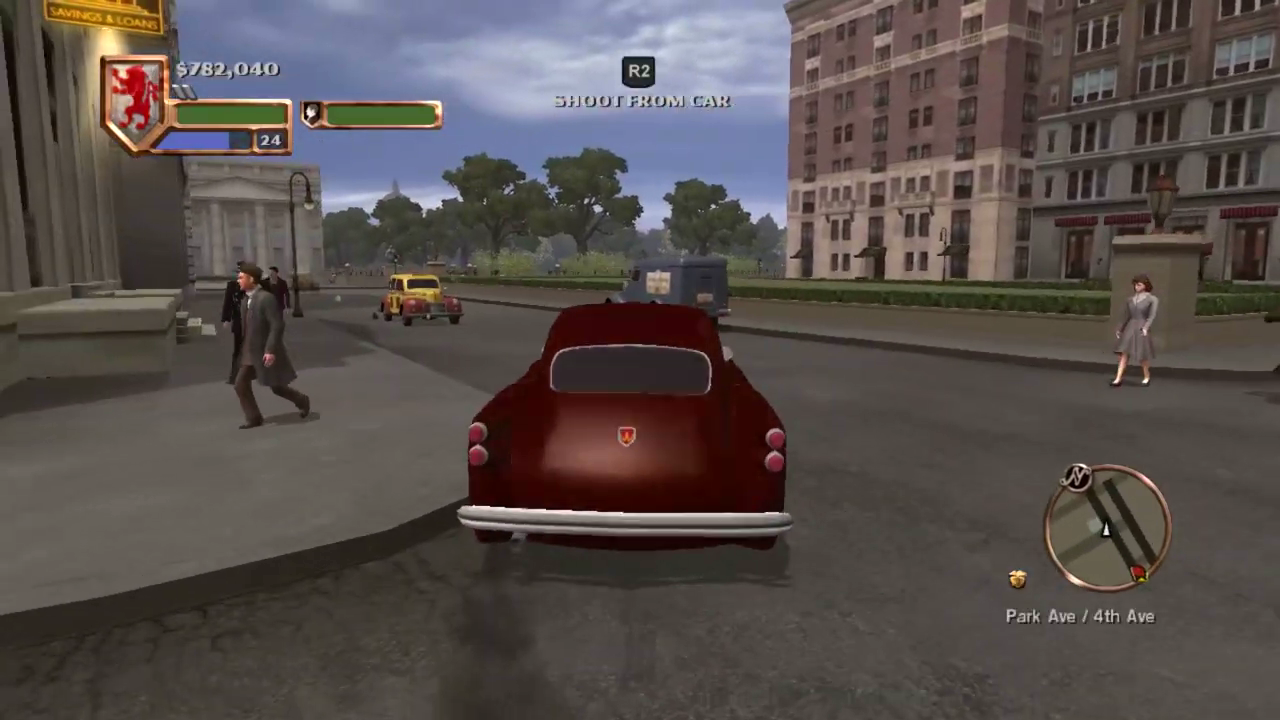
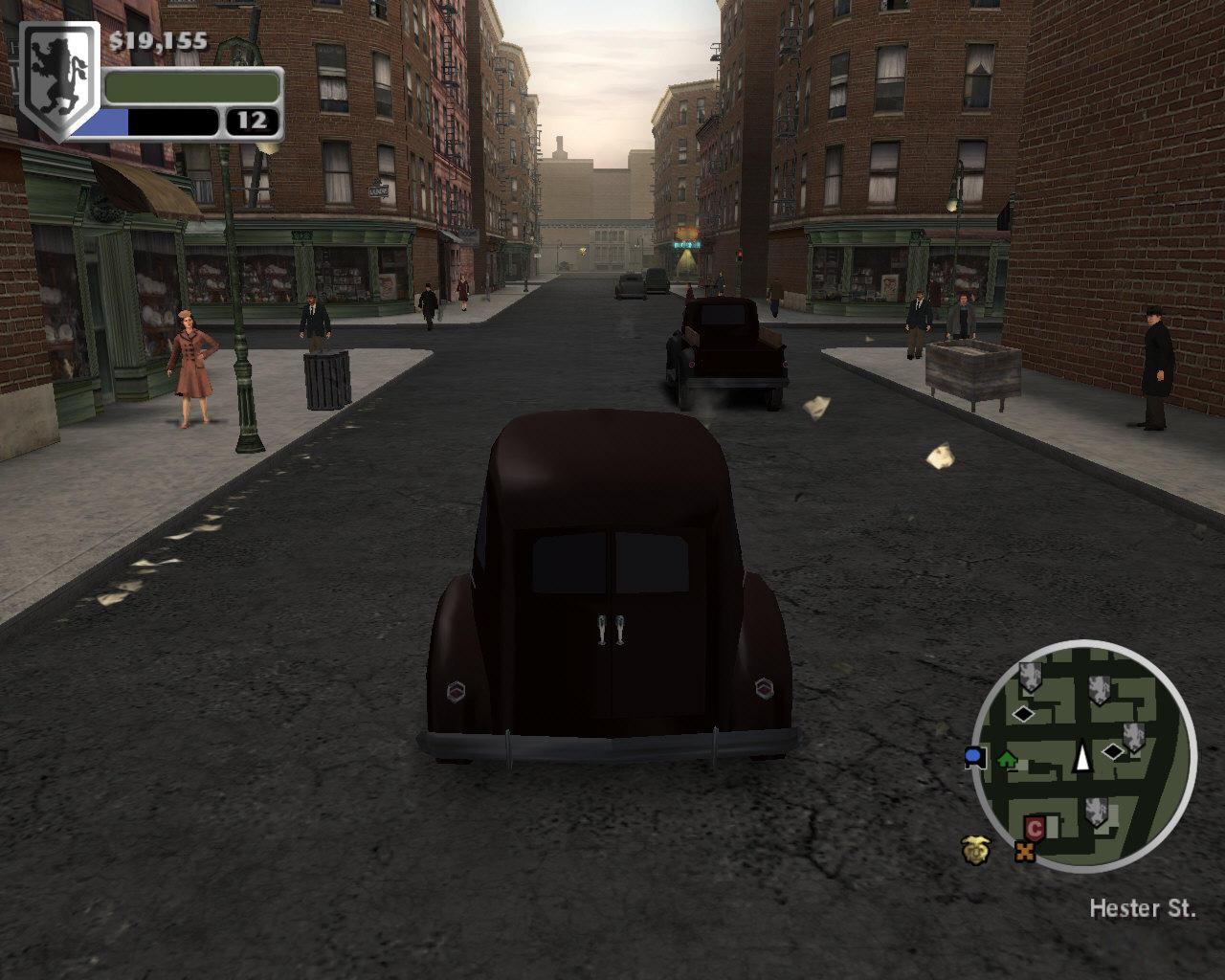
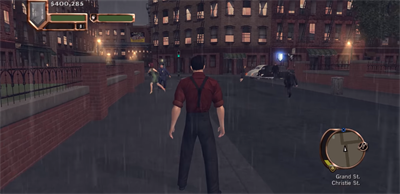
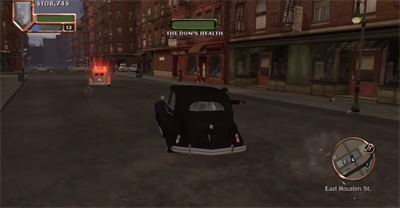
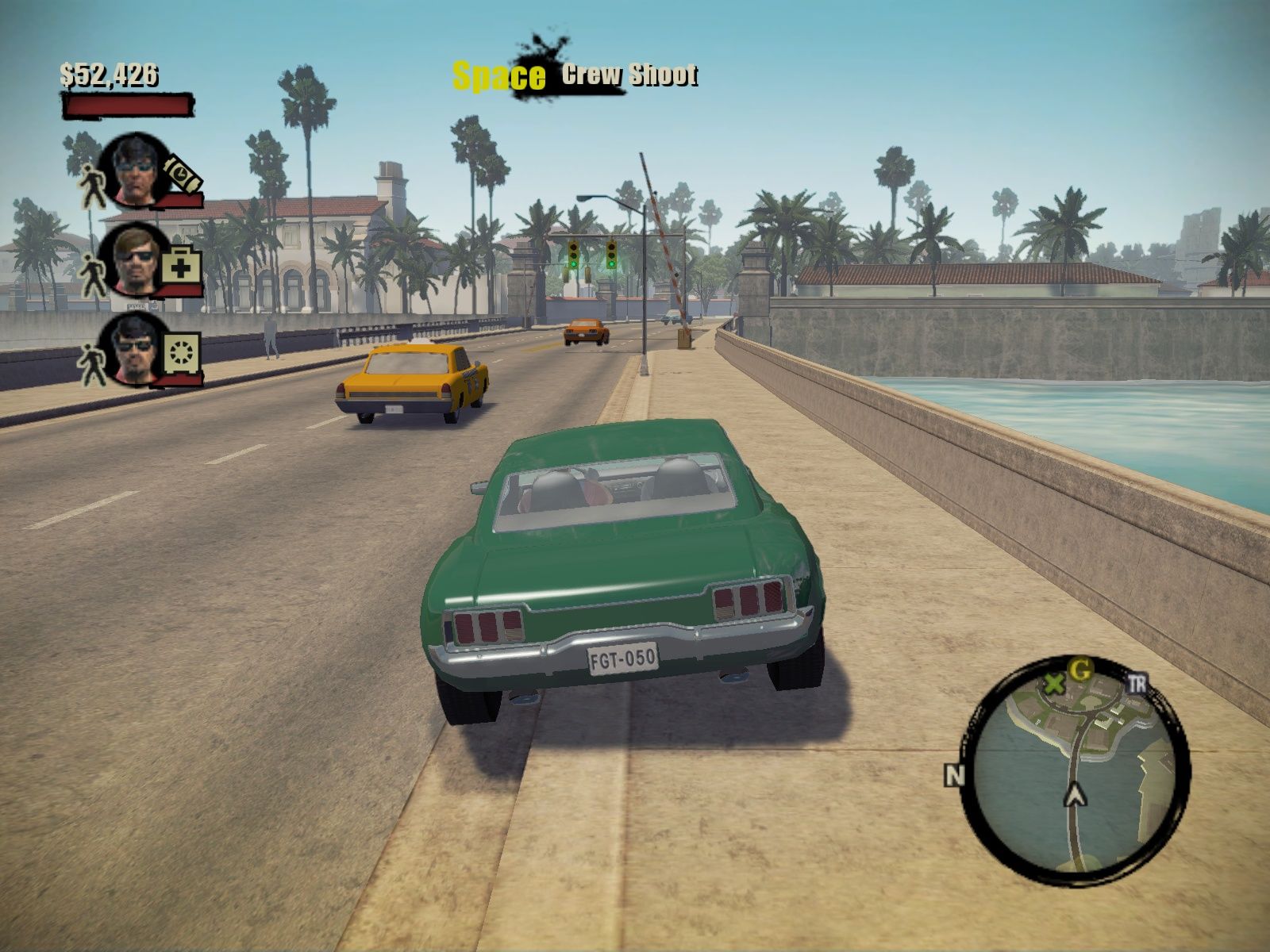
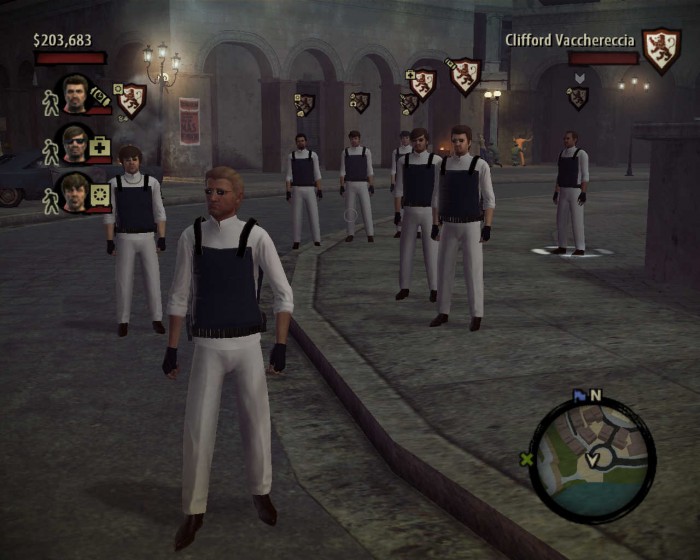
“The Godfather II” boasts a proprietary next-gen engine meticulously crafted to realize the visual grandeur of the Corleone universe. The developers have prioritized photorealistic rendering techniques, resulting in stunningly detailed environments that transport players directly into 1950s New York City and post-war Sicily. Character models are incredibly lifelike, capturing nuanced expressions and subtle movements that enhance emotional impact. The engine’s advanced lighting system creates a dynamic range of moods, from the dimly lit backrooms of speakeasies to the sun-drenched landscapes of Italy. Optimization is key; while visually arresting, the game maintains a smooth frame rate across various hardware configurations thanks to intelligent resource management and scalable graphics settings.
Gameplay Mechanics and Core Systems

The gameplay in “The Godfather II” seamlessly blends strategic decision-making with visceral action sequences. Players navigate complex social dynamics, managing relationships with rival families, law enforcement, and internal factions within the Corleone organization. The core systems revolve around resource management (money, influence, manpower), territory control, and reputation building. Combat is brutal and realistic, emphasizing tactical positioning and utilizing a variety of weapons and fighting styles. A robust dialogue system allows players to shape their character’s personality and influence events through carefully chosen words. The game features both linear story missions and open-world elements, providing a balance between guided narrative experiences and opportunities for player agency.
Level Design and World Atmosphere
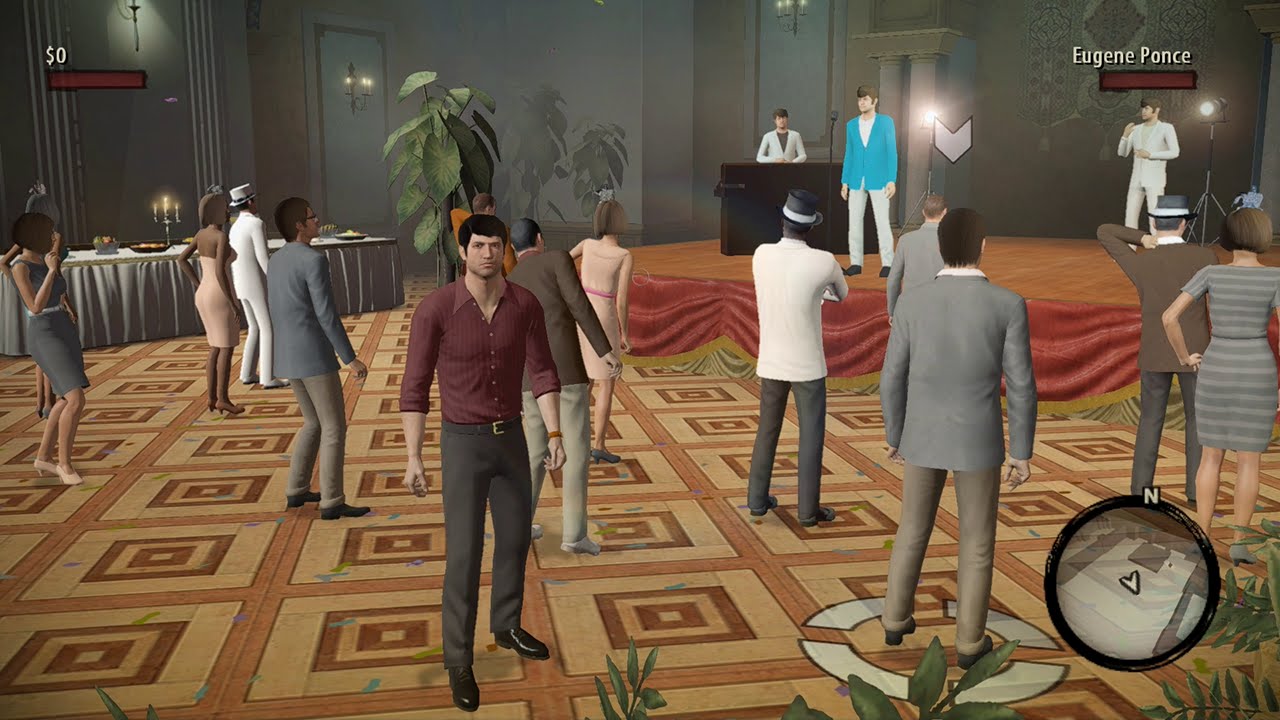
The level design in “The Godfather II” is meticulously crafted to evoke the atmosphere of each era and location. From the bustling streets of New York City to the rustic charm of Sicily, each environment tells its own story. The developers have paid close attention to historical accuracy, recreating iconic landmarks and capturing the cultural nuances of each setting. Levels are designed to encourage exploration and discovery, rewarding players who venture off the beaten path with hidden secrets and opportunities for unique interactions. The use of dynamic lighting and weather effects further enhances the immersive quality of the game world.
Narrative Depth and Character Profiles
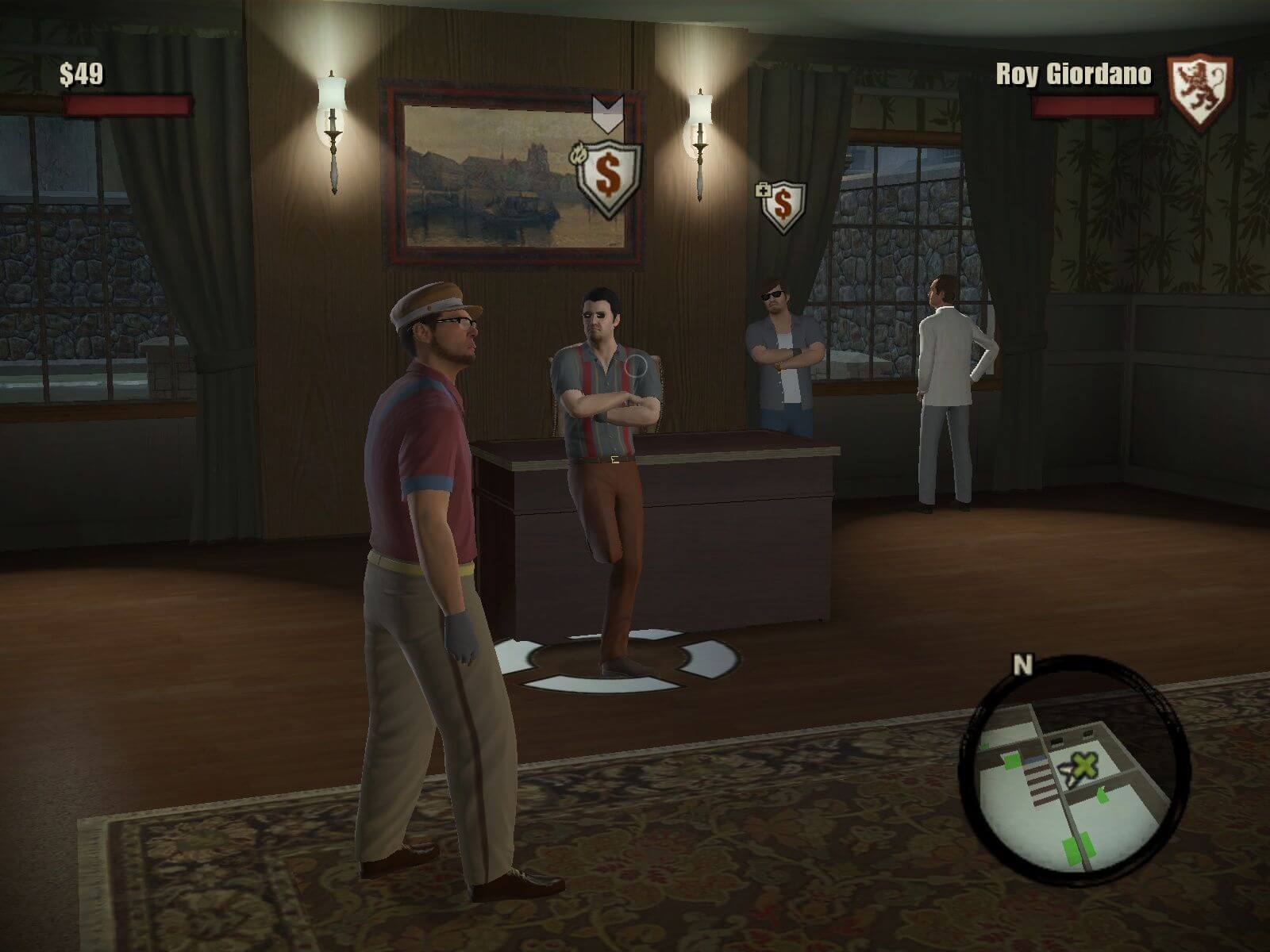
“The Godfather II” delves deep into the complexities of its characters, exploring their motivations, flaws, and relationships. Players will encounter both familiar faces from the original film and entirely new personalities who play pivotal roles in the unfolding drama. The narrative structure is intricate, weaving together multiple storylines that intersect and diverge throughout the game. Dialogue sequences are richly layered, revealing character backstories and providing insights into the political machinations of the criminal underworld. The voice acting performances are exceptional, bringing authenticity and emotional depth to each character.
Sound Design and Acoustic Realism
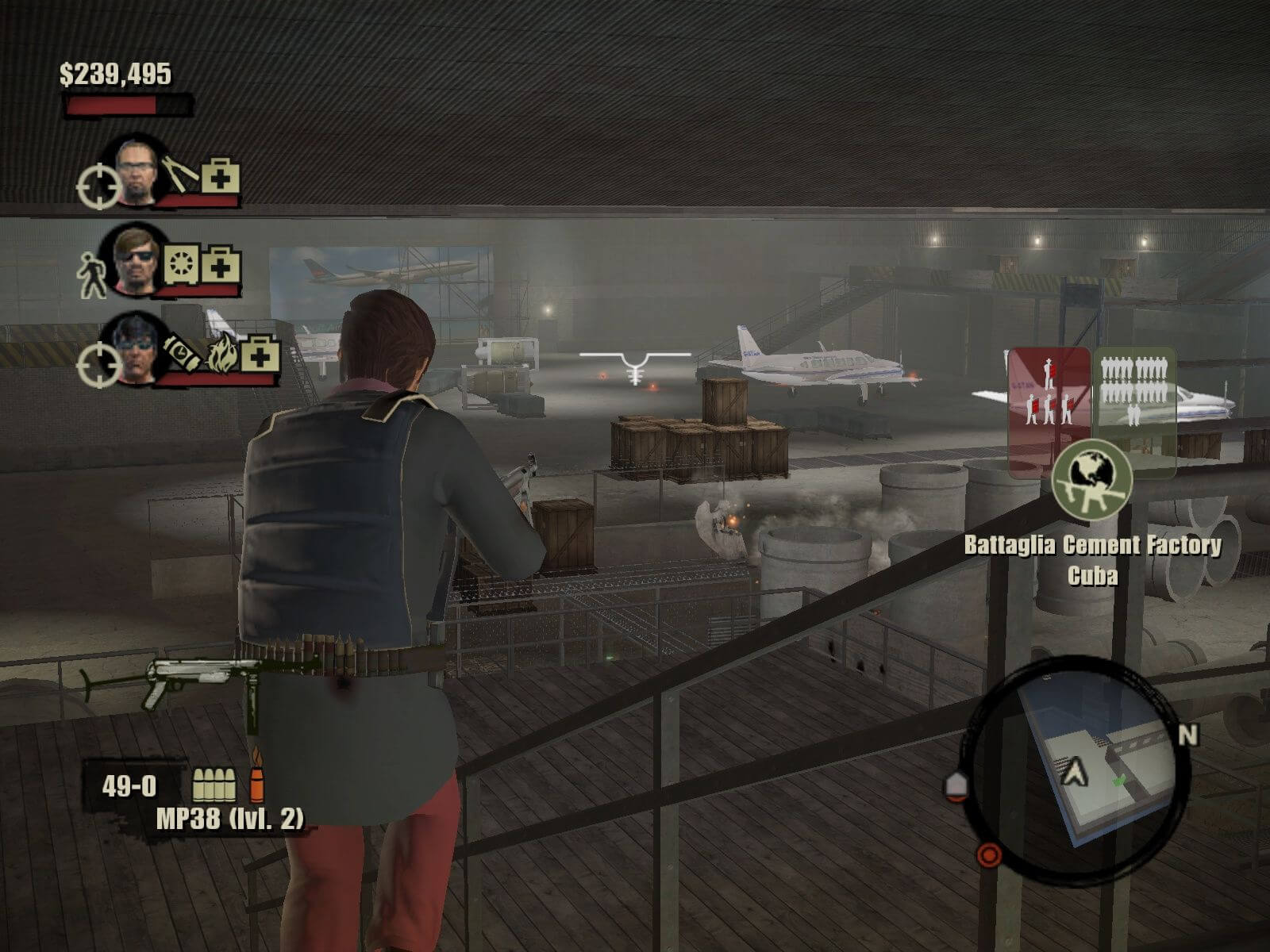
The sound design in “The Godfather II” is a critical component of its immersive quality. From the subtle creaks of floorboards to the roar of gunfire, every sound effect has been carefully crafted to create a believable and engaging audio landscape. The game features an original score composed by renowned composers, drawing inspiration from both classic film scores and traditional Italian music. The use of spatial audio technology further enhances the sense of presence, allowing players to pinpoint the source of sounds with remarkable accuracy.
Release Expectations and Community Hype

The release of “The Godfather II” was met with immense anticipation within the gaming community. Building upon the legacy of its predecessors, the game promised a revolutionary experience that would redefine the gangster genre. Marketing campaigns generated significant buzz, showcasing the game’s stunning visuals, compelling narrative, and innovative gameplay mechanics. Pre-order numbers were exceptionally high, indicating strong consumer confidence in the developers’ ability to deliver on their promises.
The community actively engaged in online forums and social media platforms, sharing theories, speculation, and excitement leading up to the launch date.
Conclusion: The Future of The Godfather II
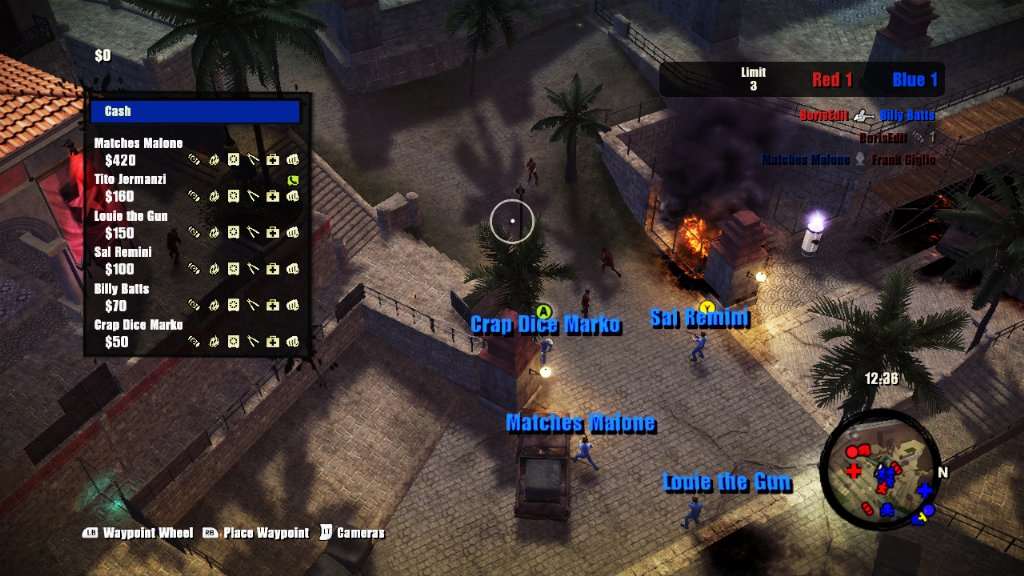
“The Godfather II” represents a significant milestone in interactive entertainment, pushing the boundaries of what’s possible in terms of visual fidelity, narrative depth, and gameplay innovation. While challenges undoubtedly exist in maintaining long-term player engagement and addressing potential technical issues, the game’s strong foundation positions it for continued success. The developers have expressed intentions to support the game with post-launch content, including new missions, characters, and gameplay features. As technology continues to evolve, “The Godfather II” serves as a testament to the enduring power of storytelling and the limitless potential of interactive experiences.

Source: Wikipedia