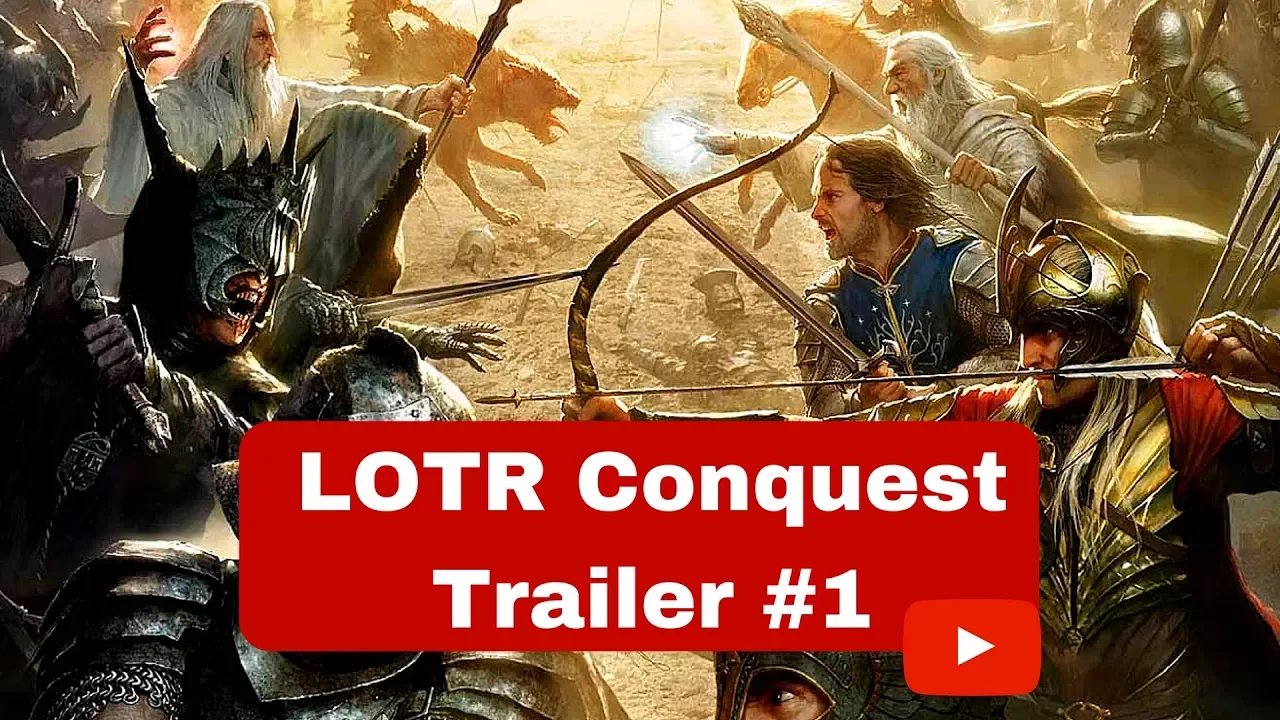
Introduction: The Next Chapter for The Lord of the Rings: Conquest
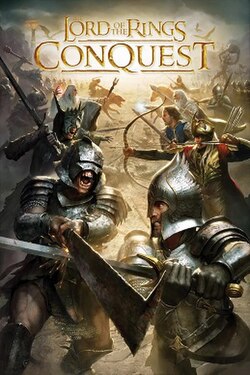
“The Lord of the Rings: Conquest,” released in 2009, represents a bold attempt by Pandemic Studios to translate the epic scope and intricate lore of Tolkien’s masterpiece into an interactive experience. Built upon the foundations laid by Pandemic’s successful “Star Wars: Battlefront” series, this title aimed to offer players a unique perspective on the War of the Ring, allowing them to command armies from both the forces of good and evil. While it garnered attention for its ambition, “Conquest” ultimately faced challenges in execution, resulting in a mixed reception. This deep-dive analysis will explore the game’s strengths and weaknesses, examining its visual direction, gameplay mechanics, narrative depth, and overall impact on the gaming landscape.
Visual Direction and Graphics Engineering
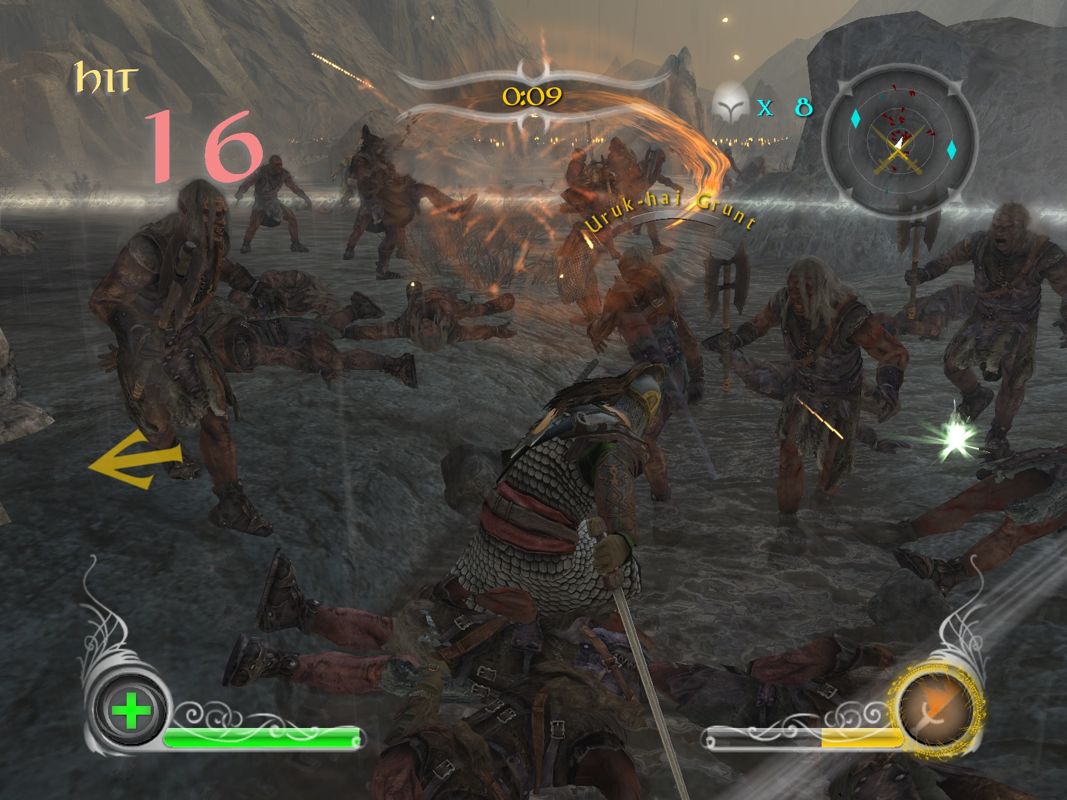
“The Lord of the Rings: Conquest” leveraged Pandemic’s proprietary next-gen engine to bring Middle-earth to life. While not pushing the boundaries of graphical fidelity at the time, the game attempted to capture the grandeur of iconic locations like Minas Tirith and Moria. Weta Digital’s involvement was crucial in providing high-quality digital models, including the formidable Fell Beasts. However, limitations in character animations and overall visual polish were noticeable, detracting from the immersive experience. The environments, while expansive, often suffered from repetitive textures and a lack of dynamic detail.
Gameplay Mechanics and Core Systems
The gameplay mechanics of “Conquest” are directly inspired by the “Battlefront” series, focusing on large-scale battles with real-time strategy elements. Players command armies composed of various units, each with unique strengths and weaknesses. The ability to switch between different characters and utilize special abilities added a layer of tactical depth. However, the AI for both allies and enemies was often erratic, leading to frustrating gameplay experiences. The core systems, while functional, lacked refinement and failed to fully capitalize on the potential of commanding armies in Middle-earth.
Level Design and World Atmosphere
The level design in “Conquest” attempted to recreate key battles and locations from Tolkien’s world, including a reimagining of Balin’s conquest of Moria. While these environments offered glimpses of the game’s ambition, they were often hampered by repetitive layouts and a lack of interactive elements. The atmosphere, while occasionally evocative, failed to consistently capture the sense of scale and wonder that defines Middle-earth.
Narrative Depth and Character Profiles
“Conquest” offered players the opportunity to experience events from both the perspective of Gondor and Mordor. However, the narrative depth was limited, with a focus on action rather than character development or intricate storytelling. While iconic characters like Gandalf and Aragorn made appearances, their roles were often relegated to providing context for battles rather than driving the plot forward. The game’s attempt to explore alternative scenarios, such as what might have happened if Rohan had attacked Minas Morgul, was an interesting concept but ultimately felt underdeveloped.
Sound Design and Acoustic Realism
The use of Howard Shore’s iconic soundtrack from the films was a significant strength of “Conquest.” The familiar themes added a layer of emotional resonance to the battles and helped to create a sense of immersion. However, the voice acting was often criticized for being uninspired and lacking in quality. The sound effects, while functional, failed to consistently capture the impact and intensity of the combat.
Release Expectations and Community Hype
Prior to its release, “The Lord of the Rings: Conquest” generated considerable hype among fans of both the film trilogy and the “Battlefront” series. The promise of commanding armies in Middle-earth and experiencing events from both perspectives was a compelling proposition. However, the game ultimately failed to live up to these expectations, resulting in disappointment among many players.
Conclusion: The Future of The Lord of the Rings: Conquest
“The Lord of the Rings: Conquest” represents an ambitious but flawed attempt to translate Tolkien’s epic saga into an interactive experience. While it offered glimpses of potential and benefited from the involvement of Weta Digital and the use of Howard Shore’s soundtrack, its limitations in graphics, AI, voice acting, and overall polish ultimately held it back. The game serves as a reminder that even with access to iconic source material and established gameplay mechanics, success requires careful execution and attention to detail.
Source: Wikipedia


