Introduction: The Next Chapter for Dear Esther
Dear Esther, a title that resonated deeply within the gaming landscape of the early 2010s, wasn't just a game; it was an experience. Born from humble beginnings as a free modification for the Source engine, its journey to commercial success is a testament to the power of innovative design and compelling narrative. This Masterclass Deep-Dive will dissect every facet of Dear Esther, from its groundbreaking visual direction to its haunting soundscape, exploring why it remains a pivotal work in the evolution of interactive storytelling. We're not just looking at a game; we're examining a cultural touchstone that redefined player expectations and paved the way for countless "walking simulators" that followed.
Visual Direction and Graphics Engineering
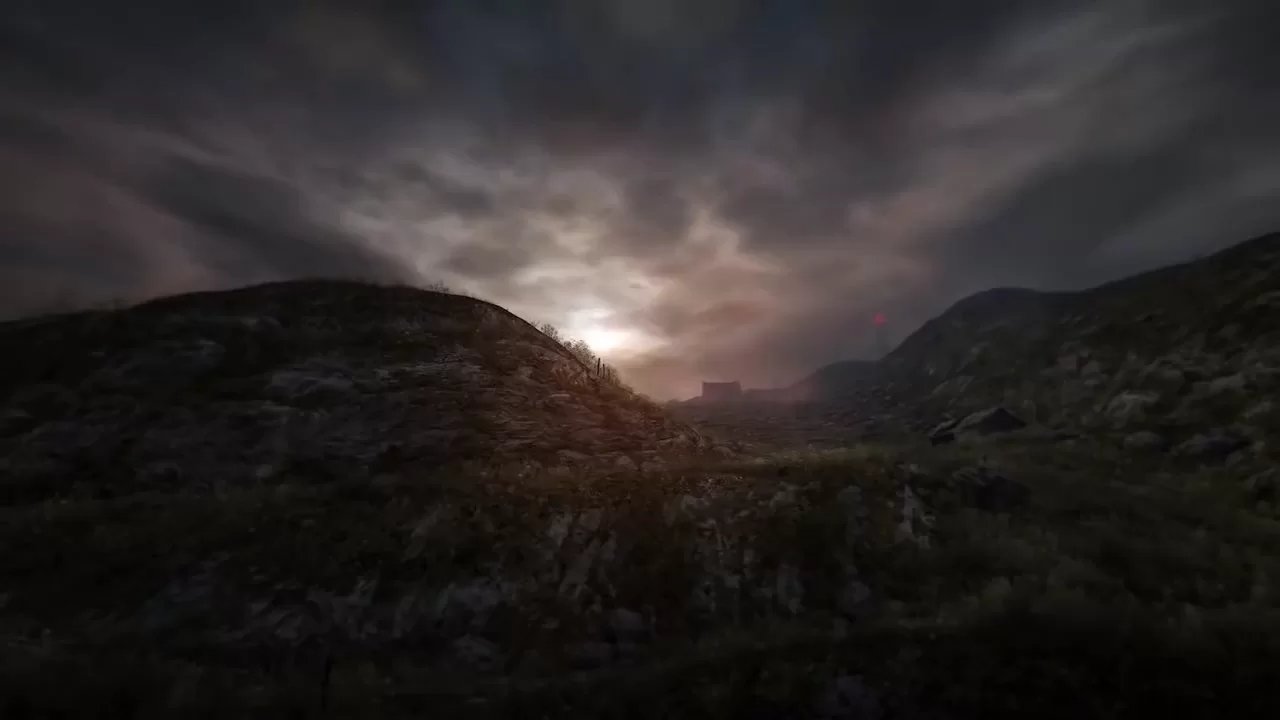
The visual style of Dear Esther is deceptively simple, yet incredibly effective. The developers opted for a painterly aesthetic, utilizing the Source engine to create a world that feels both realistic and dreamlike. The environments are meticulously crafted, with attention paid to every detail, from the texture of the rocks to the way the light filters through the clouds. While technically limited by its Source engine roots (especially compared to later iterations), the artistic choices elevated the visuals beyond mere technical prowess. This deliberate aesthetic choice was crucial in establishing the game's atmosphere of isolation and mystery, drawing players into a world that felt both familiar and alien. The Landmark Edition, built on SourceUnity, offered subtle but noticeable improvements in fidelity, further enhancing the visual experience without sacrificing the original artistic vision.Gameplay Mechanics and Core Systems
Dear Esther is notorious for its minimalist gameplay. There are no traditional puzzles, combat encounters, or inventory management systems. The core mechanic revolves around exploration and observation. Players are free to roam the island at their own pace, triggering narrative sequences by simply being in specific locations. This lack of direct interaction was initially met with criticism, but it ultimately became a defining characteristic of the game. It forced players to actively engage with the environment and the unfolding story, fostering a sense of immersion that is rare in more action-oriented games. The absence of conventional gameplay elements also placed greater emphasis on the narrative, allowing the story to take center stage.Level Design and World Atmosphere
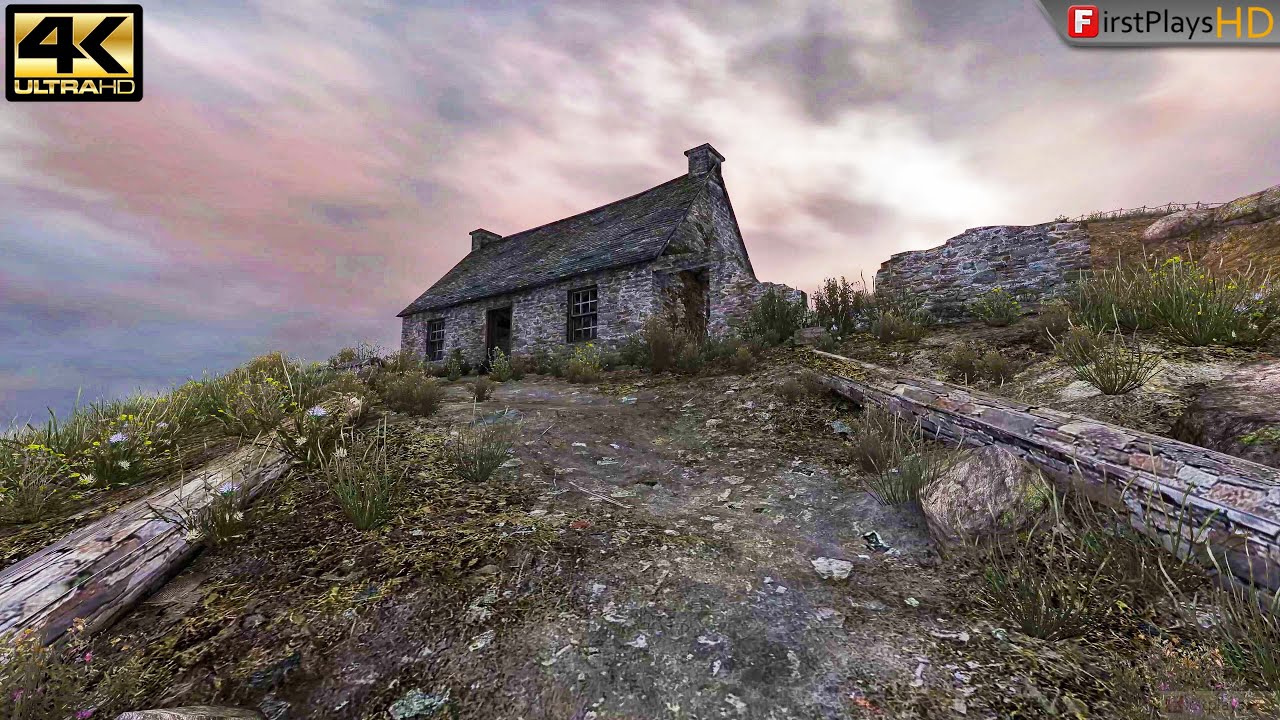
The island itself is a character in Dear Esther. Its rugged coastline, windswept moors, and crumbling ruins all contribute to the game's pervasive sense of melancholy and isolation. The level design encourages exploration, rewarding players who venture off the beaten path with glimpses into the protagonist's past and clues about his wife's tragic fate. Each location is carefully chosen to evoke a specific mood or reveal a piece of the puzzle. The Landmark Edition refined the level design, adding subtle details and improving navigation without altering the overall structure. This careful balance between freedom and guidance ensures that players feel both empowered and intrigued throughout their journey.Narrative Depth and Character Profiles
The narrative is the heart and soul of Dear Esther. Told through a series of letters read aloud by the protagonist, the story gradually unfolds, revealing the complex relationship between him and his deceased wife. The letters are filled with longing, regret, and hints of a dark secret that led to her death. The protagonist himself is a deeply flawed and unreliable narrator, adding another layer of complexity to the story. His fragmented memories and emotional turmoil create a sense of unease and uncertainty, leaving players questioning everything they see and hear. This ambiguity is crucial to the game's impact, encouraging players to actively interpret the events unfolding before them.Sound Design and Acoustic Realism
The sound design in Dear Esther is nothing short of masterful. The wind howling across the moors, the crashing waves against the shore, and the mournful cello melodies all contribute to the game's haunting atmosphere. Jessica Curry's score is particularly noteworthy, perfectly capturing the protagonist's emotional state and adding another layer of depth to the narrative. The sound effects are also incredibly realistic, creating a sense of immersion that is unparalleled in many other games. The Landmark Edition further enhanced the audio experience with improved fidelity and spatialization, making the island feel even more alive.Release Expectations and Community Hype
The release of Dear Esther was met with a mixture of anticipation and skepticism. Its unconventional gameplay mechanics and minimalist design were not for everyone, but those who embraced its unique approach found themselves deeply moved by its story and atmosphere. The game quickly gained a cult following, praised for its innovative storytelling and immersive world. The Landmark Edition, released several years later, reignited interest in the title and introduced it to a new generation of players. The community surrounding Dear Esther remains active, with fans continuing to discuss its themes, analyze its narrative, and share their own interpretations of the story.Conclusion: The Future of Dear Esther
Dear Esther's legacy extends far beyond its initial release. It served as a blueprint for countless "walking simulators" that followed, demonstrating the power of interactive storytelling and minimalist gameplay. Its influence can be seen in games like Gone Home, What Remains of Edith Finch, and Everybody's Gone to the Rapture (also developed by The Chinese Room). While its unconventional approach may not appeal to all players, Dear Esther remains a landmark achievement in game design, pushing the boundaries of what interactive entertainment can be. Its future likely involves continued analysis and appreciation as a foundational text for understanding the evolution of narrative-driven experiences.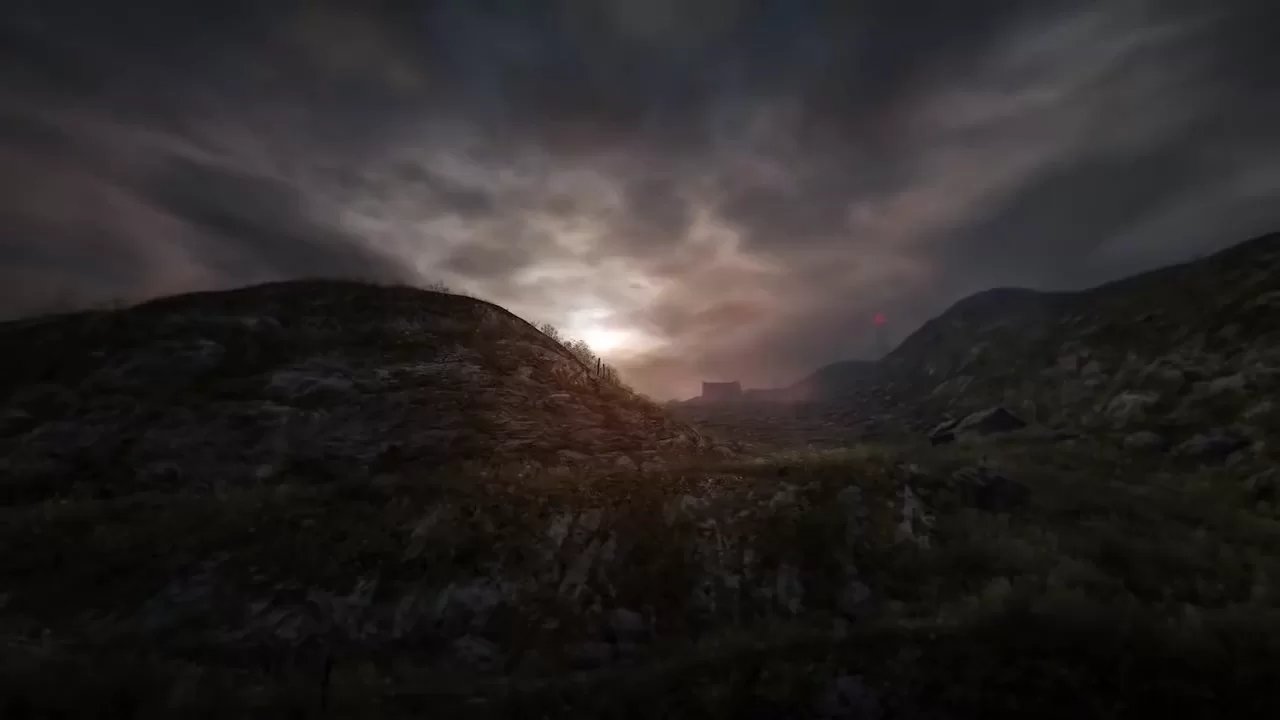
Source: Wikipedia
Google Preferred Source
Add us to your favorite news sources on Google
Get instant updates and breaking news directly in Google News