

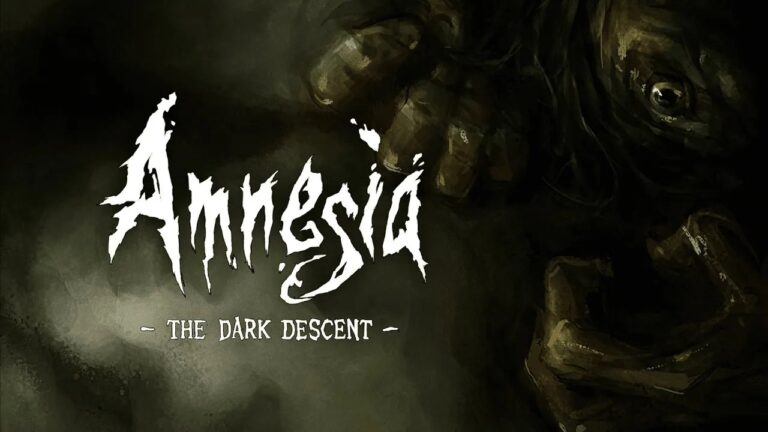
About this game
Introduction: The Next Chapter for Amnesia: The Dark Descent
Amnesia: The Dark Descent, released in 2010 by Frictional Games, wasn’t just a game; it was an experience. It redefined survival horror, moving away from combat-focused gameplay and emphasizing vulnerability, psychological tension, and environmental storytelling. The game’s impact on the genre is undeniable, inspiring countless imitators while remaining a benchmark for atmospheric dread. This deep dive will dissect its core elements, examining what made it so revolutionary and considering its lasting legacy. We’re not just looking back; we’re analyzing the DNA of a horror masterpiece to understand its continued relevance in today’s gaming landscape.
Visual Direction and Graphics Engineering
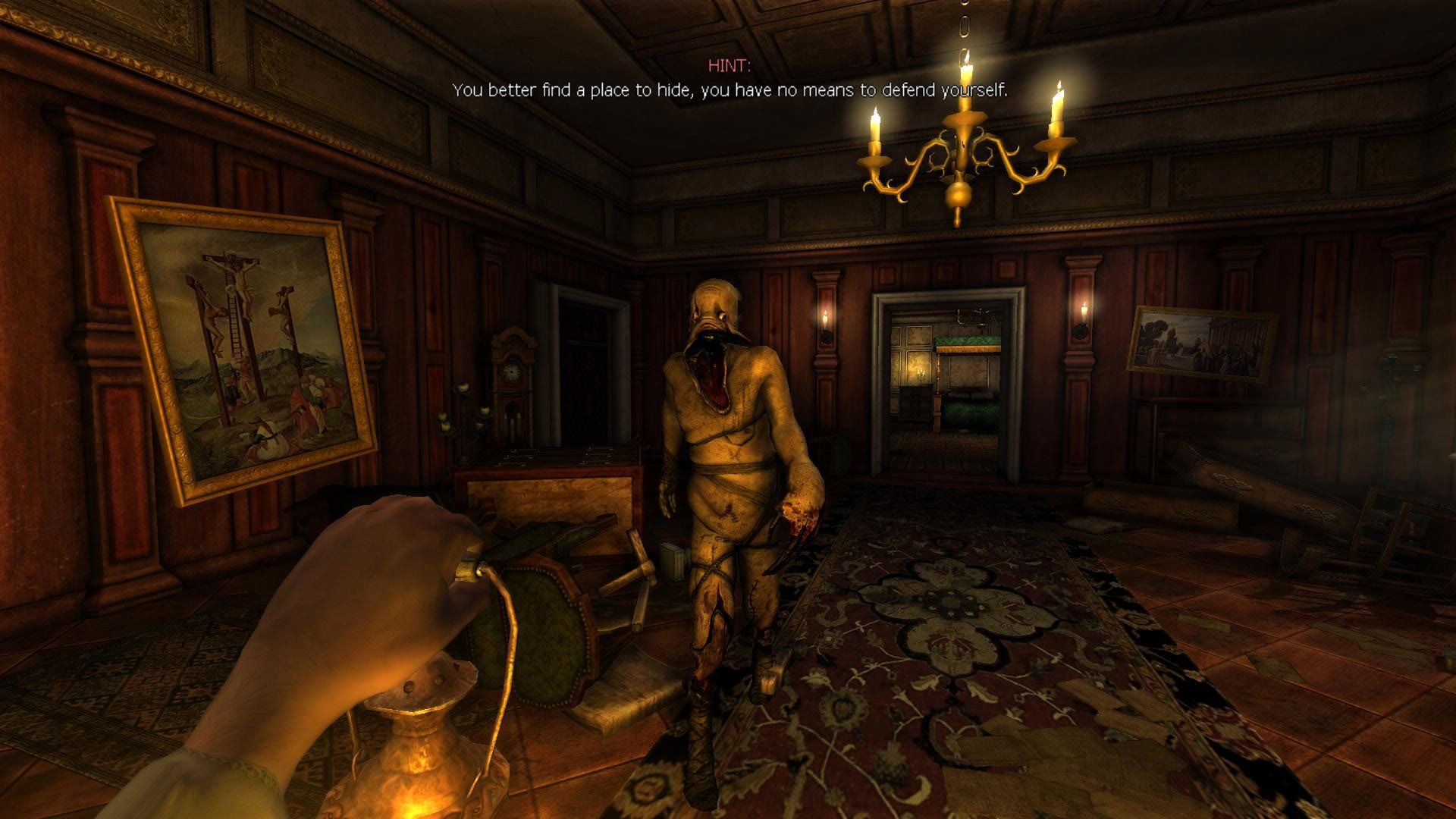
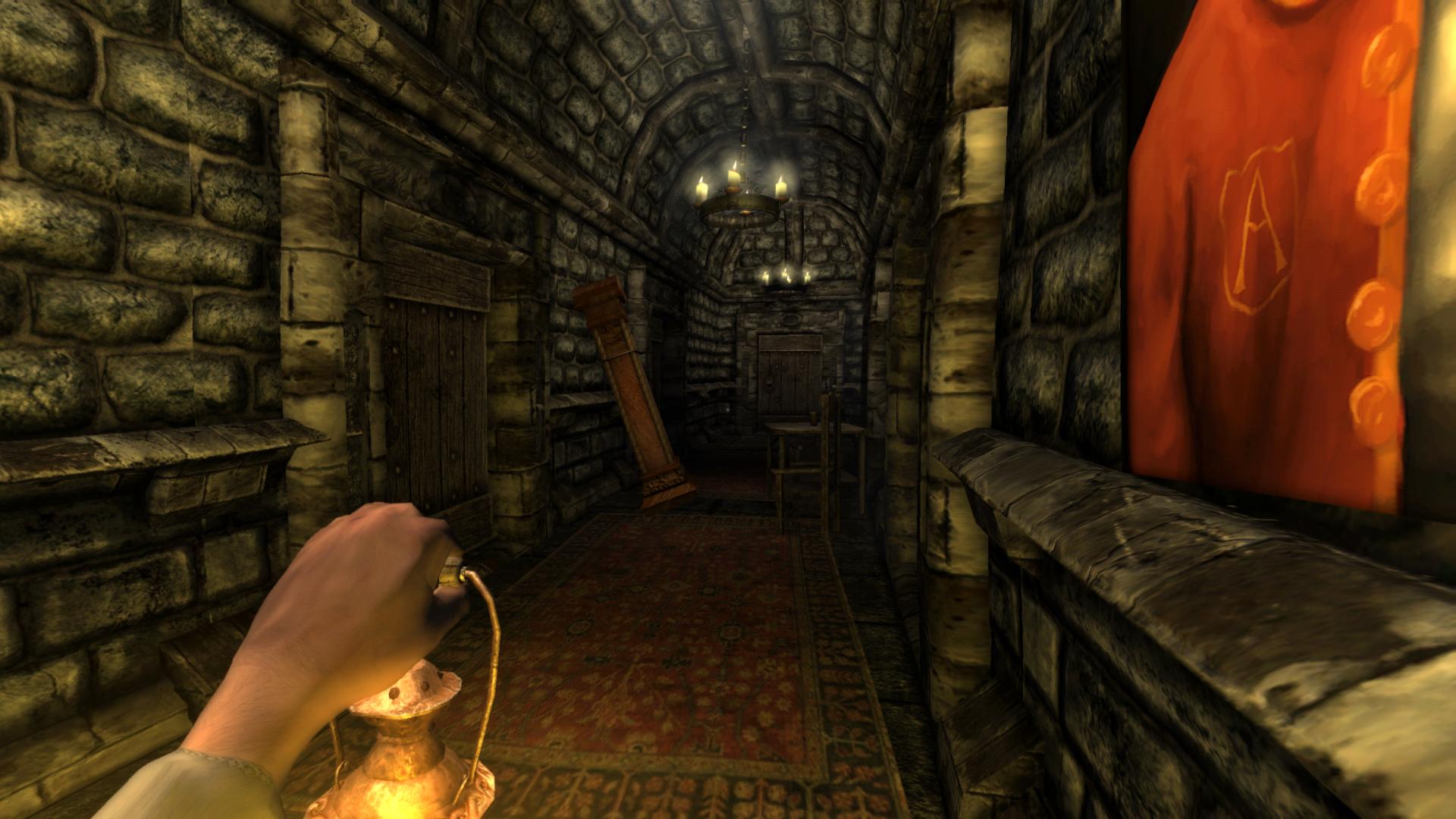
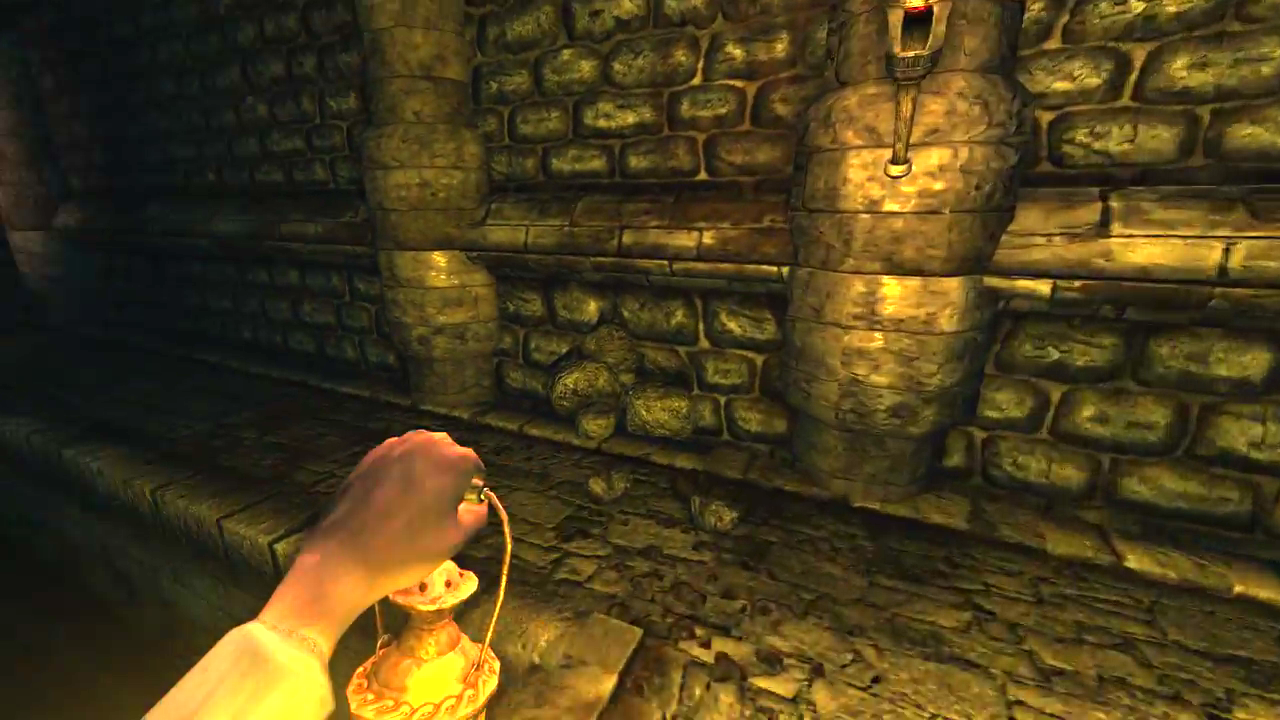
The visual style of Amnesia: The Dark Descent is crucial to its success. While technically limited by the hardware of its time, Frictional Games masterfully employed lighting, shadow play, and claustrophobic environments to create a pervasive sense of unease. shows how carefully placed light sources illuminate only small portions of the castle, forcing players to rely on their wits and intuition rather than clear visibility. The HPL Engine 2, while not pushing graphical boundaries, was expertly utilized to achieve a painterly aesthetic that enhanced the game’s unsettling atmosphere. The deliberate use of textures and particle effects further contributed to the feeling of decay and corruption permeating Castle Brennenburg. This wasn’t about photorealism; it was about crafting an environment that felt inherently wrong.
Gameplay Mechanics and Core Systems
Amnesia’s genius lies in its gameplay mechanics, specifically the focus on vulnerability. Players are stripped of weapons and forced to rely on stealth, puzzle-solving, and resource management to survive. The “sanity” mechanic is central; exposure to darkness or witnessing horrific events drains Daniel’s sanity, leading to visual hallucinations and attracting the game’s monstrous inhabitants. This system creates a constant feedback loop: the more players try to explore, the greater the risk of losing control and succumbing to madness. illustrates how the player must carefully manage light sources to maintain their sanity while navigating the treacherous castle. The absence of combat is not a limitation but a core design principle that elevates the horror experience.
Level Design and World Atmosphere
Castle Brennenburg itself is a character in Amnesia: The Dark Descent. Its intricate layout, filled with hidden passages, decaying chambers, and unsettling artwork, contributes significantly to the game’s oppressive atmosphere. The level design encourages exploration while simultaneously instilling a sense of dread. Every corner holds a potential threat, forcing players to constantly assess their surroundings and make calculated decisions about where to proceed. The use of verticality further enhances the feeling of being trapped and vulnerable. The sound design, discussed later, is intricately woven into the environment, creating an auditory landscape that amplifies the psychological horror.
Narrative Depth and Character Profiles
The narrative in Amnesia: The Dark Descent unfolds gradually, revealed through notes, portraits, and environmental storytelling. Daniel, the protagonist, suffers from amnesia, adding another layer of mystery to his plight. As he pieces together fragments of his past, players are confronted with disturbing truths about himself and the events that led him to Castle Brennenburg. The supporting characters, though mostly encountered through flashbacks and notes, add depth and complexity to the story. The narrative isn’t just a plot device; it’s an integral part of the horror experience, forcing players to confront uncomfortable themes of guilt, responsibility, and the darkness that resides within us all.
Sound Design and Acoustic Realism
The sound design in Amnesia: The Dark Descent is nothing short of masterful. From the creaking floorboards to the distant whispers, every auditory cue contributes to the game’s oppressive atmosphere. The use of positional audio further enhances the sense of immersion, allowing players to pinpoint the location of threats and adding another layer of tension. The music, when it appears, is used sparingly but effectively, amplifying moments of intense horror. The sound design isn’t just about creating jump scares; it’s about crafting an auditory landscape that permeates every aspect of the game, constantly reminding players that they are not alone.
Release Expectations and Community Hype
Upon its release, Amnesia: The Dark Descent was met with widespread critical acclaim. Reviewers praised its innovative gameplay mechanics, atmospheric horror, and ability to evoke genuine fear. The game quickly gained a dedicated following, fueled by Let’s Play videos on YouTube, which showcased the terrifying experiences players were having. This community-driven hype further solidified Amnesia: The Dark Descent’s place as a landmark title in the survival horror genre.
shows an example of a popular Let’s Play video that helped propel the game to success.
Conclusion: The Future of Amnesia: The Dark Descent
Amnesia: The Dark Descent remains a powerful and influential game, even years after its release. Its focus on vulnerability, psychological horror, and environmental storytelling continues to resonate with players seeking a truly terrifying experience. While sequels and spiritual successors have emerged, none have quite captured the same magic. The legacy of Amnesia: The Dark Descent is secure, serving as a reminder that true horror lies not in jump scares or gore, but in the power of suggestion and the depths of human fear.
Source: Wikipedia
Gallery



Join the conversation