Introduction: The Next Chapter for Assassin’s Creed: Brotherhood

Assassin’s Creed: Brotherhood marks a pivotal moment in the franchise, transitioning Ezio Auditore da Firenze to Rome and expanding upon the foundations laid by its predecessors. Developed by an industry-leading studio and published globally, this installment aims to deliver a more expansive open world, refined gameplay mechanics, and a compelling narrative that delves deeper into the historical context of Renaissance Italy. This Masterclass Deep-Dive will dissect every facet of Assassin’s Creed: Brotherhood, from its visual direction and graphics engineering to its narrative depth and lasting impact on the franchise.
Visual Direction and Graphics Engineering

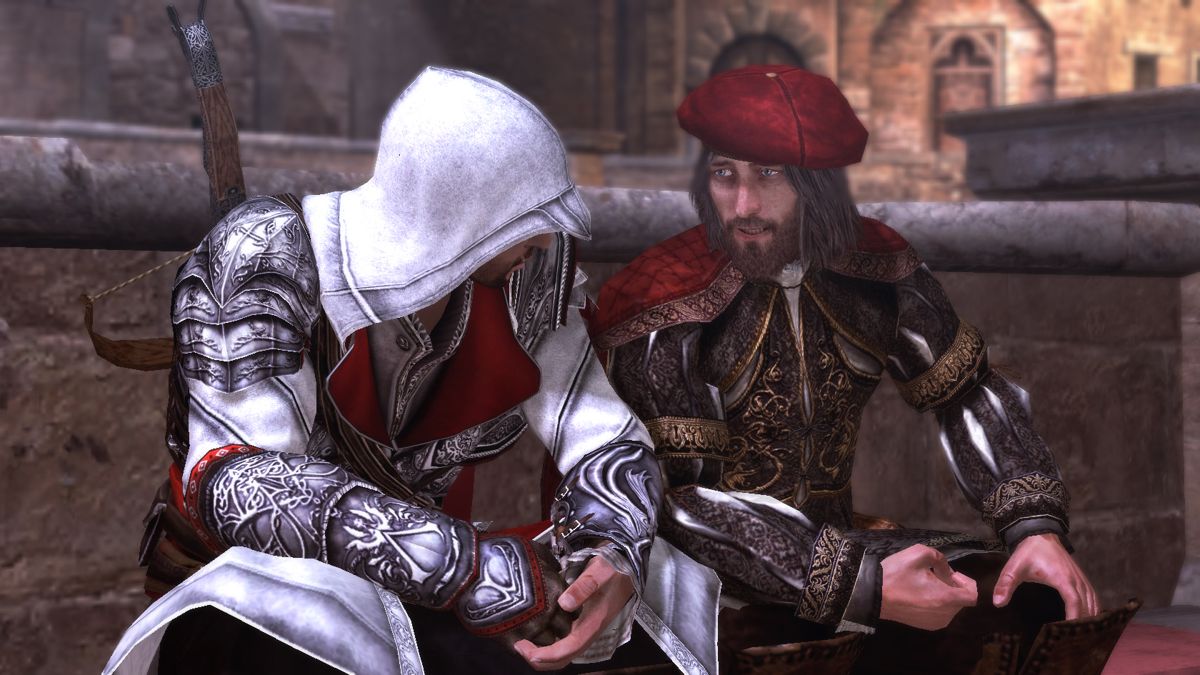
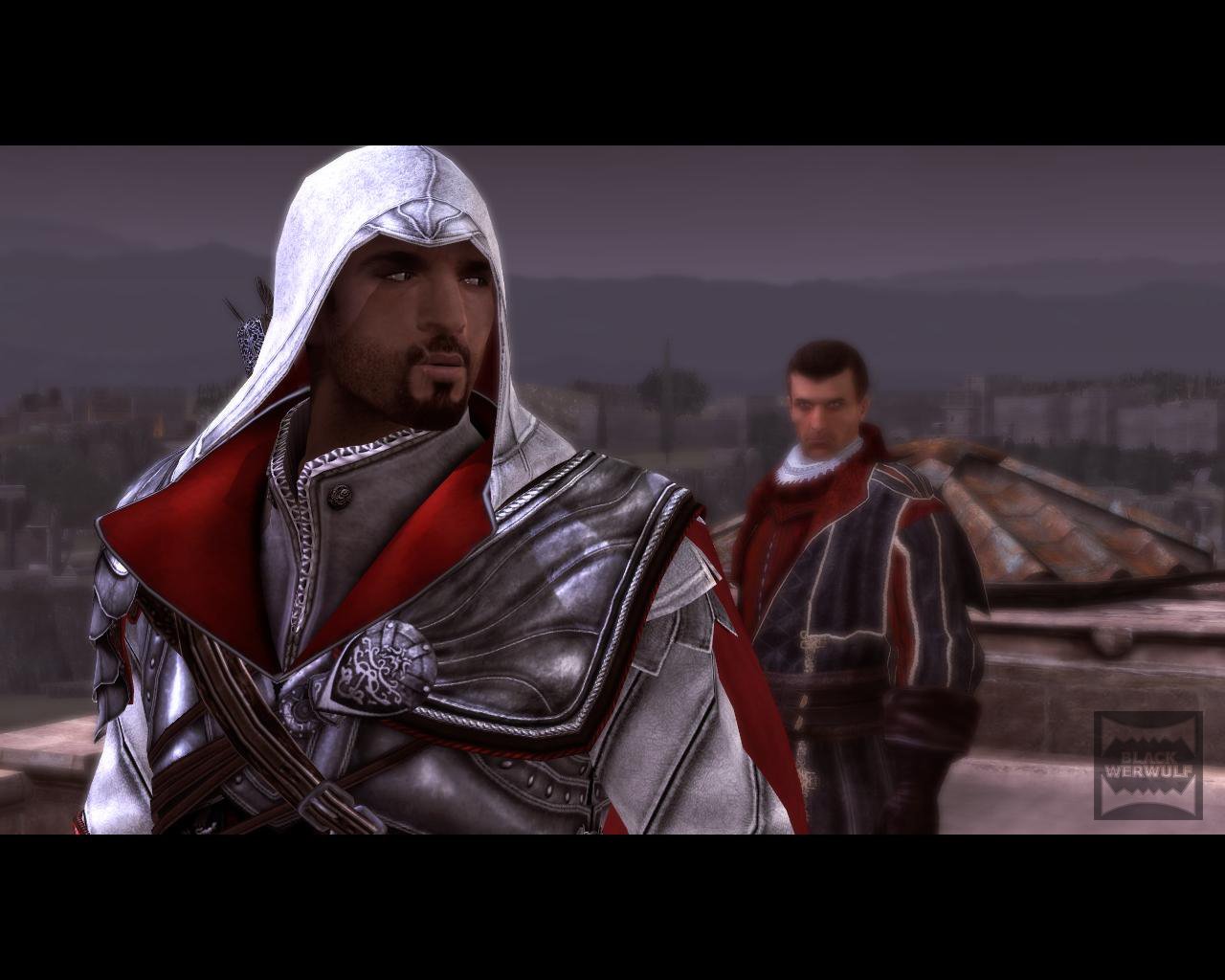
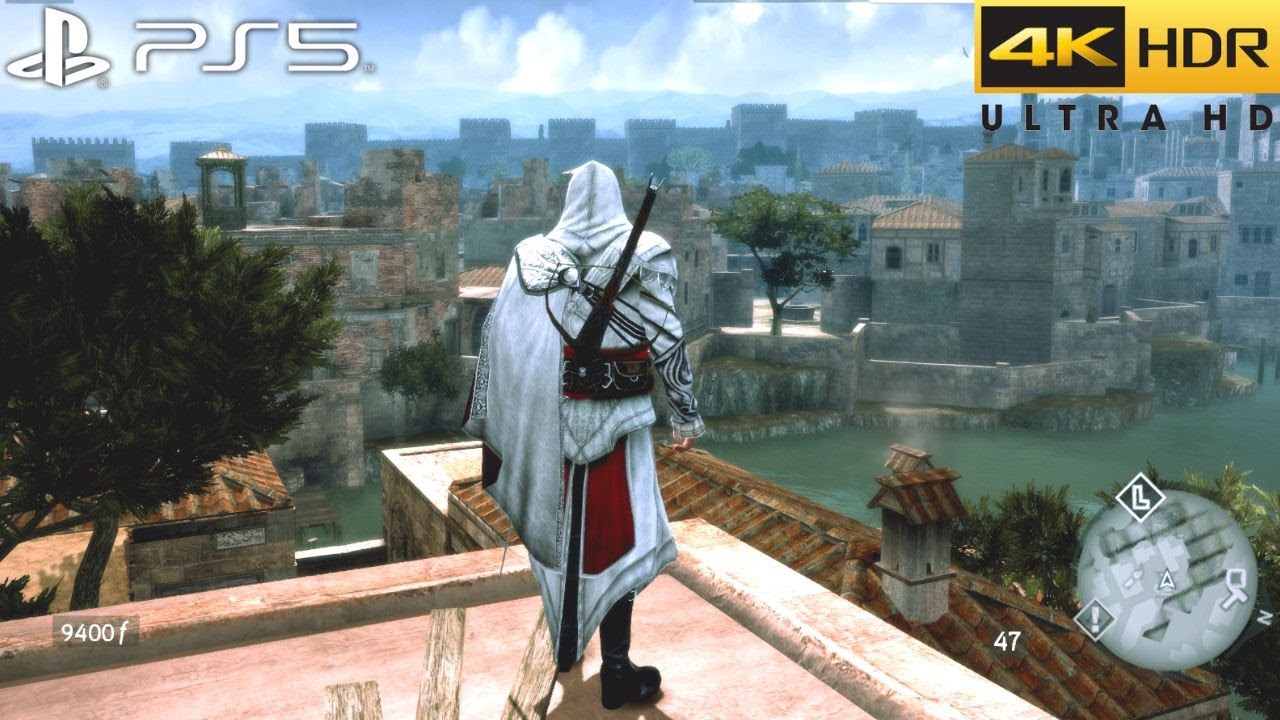
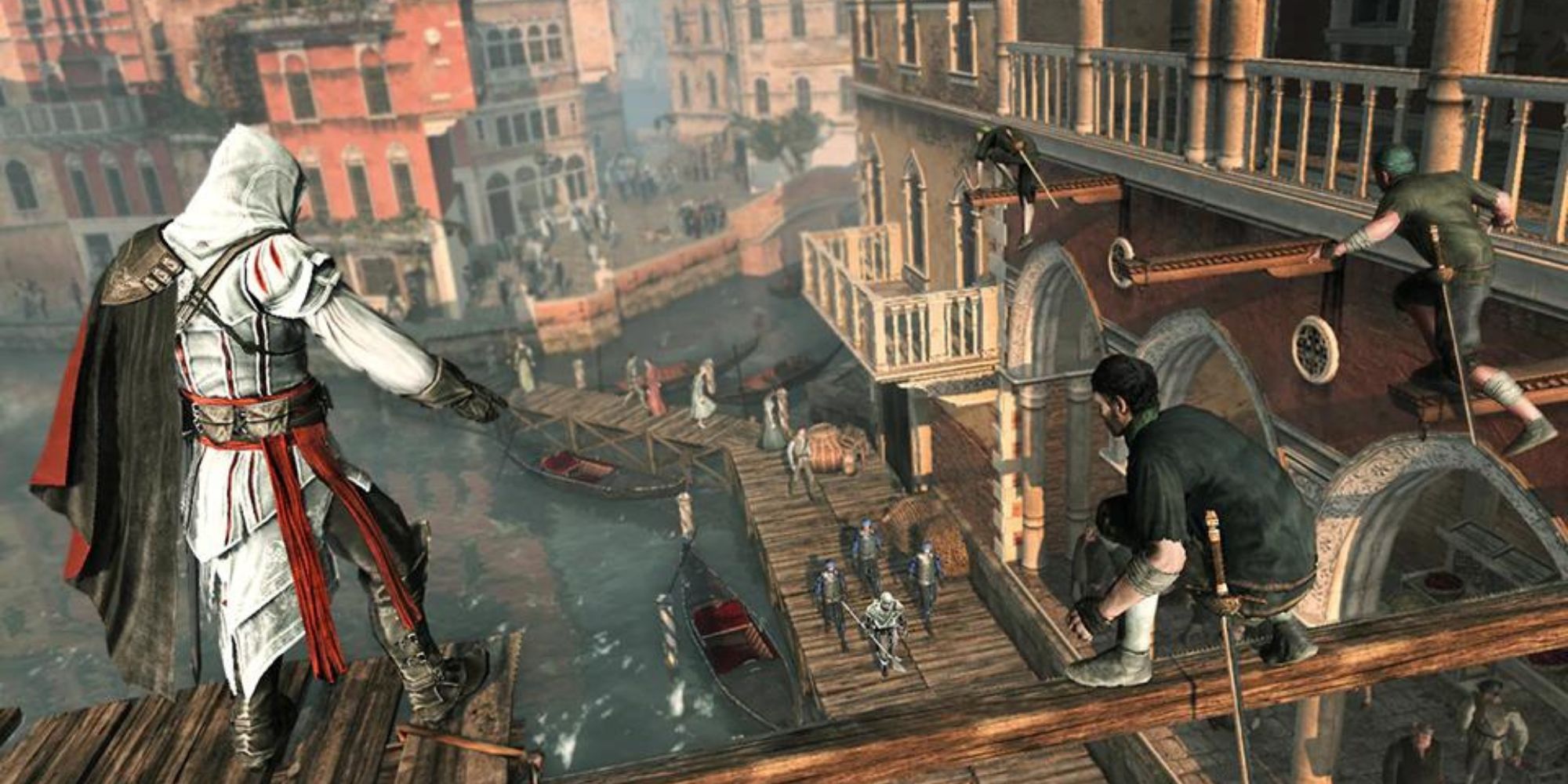
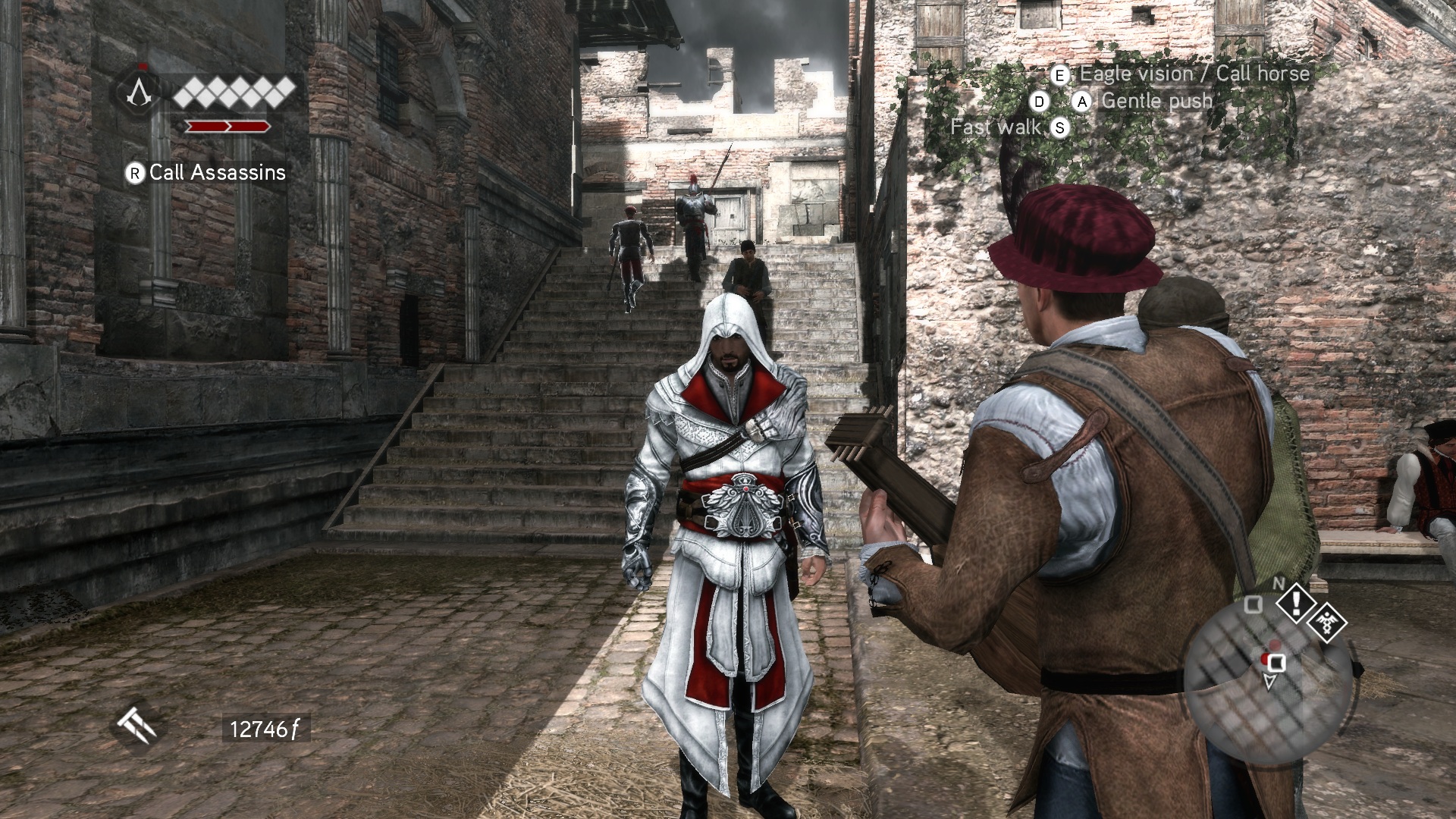
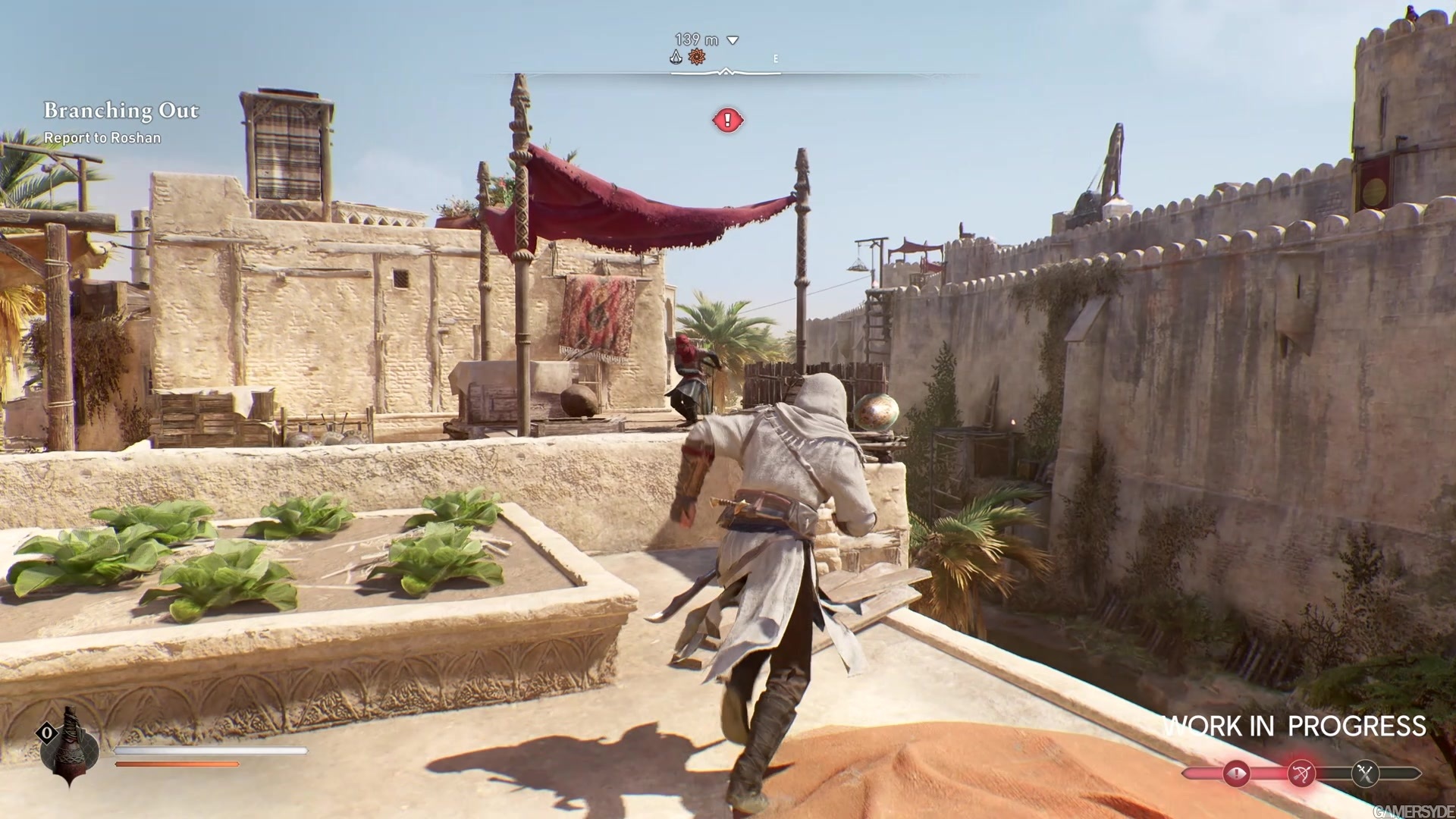
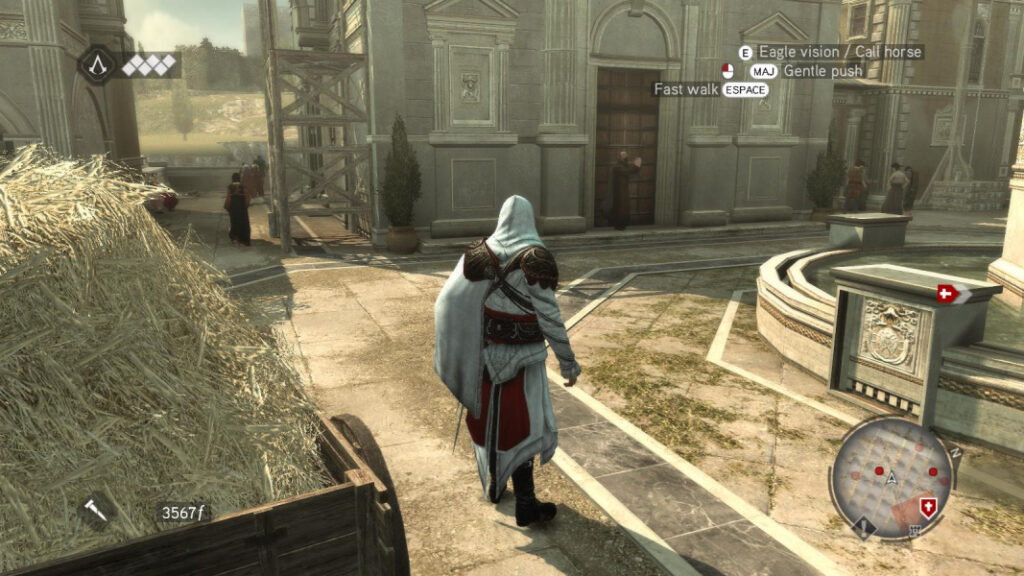
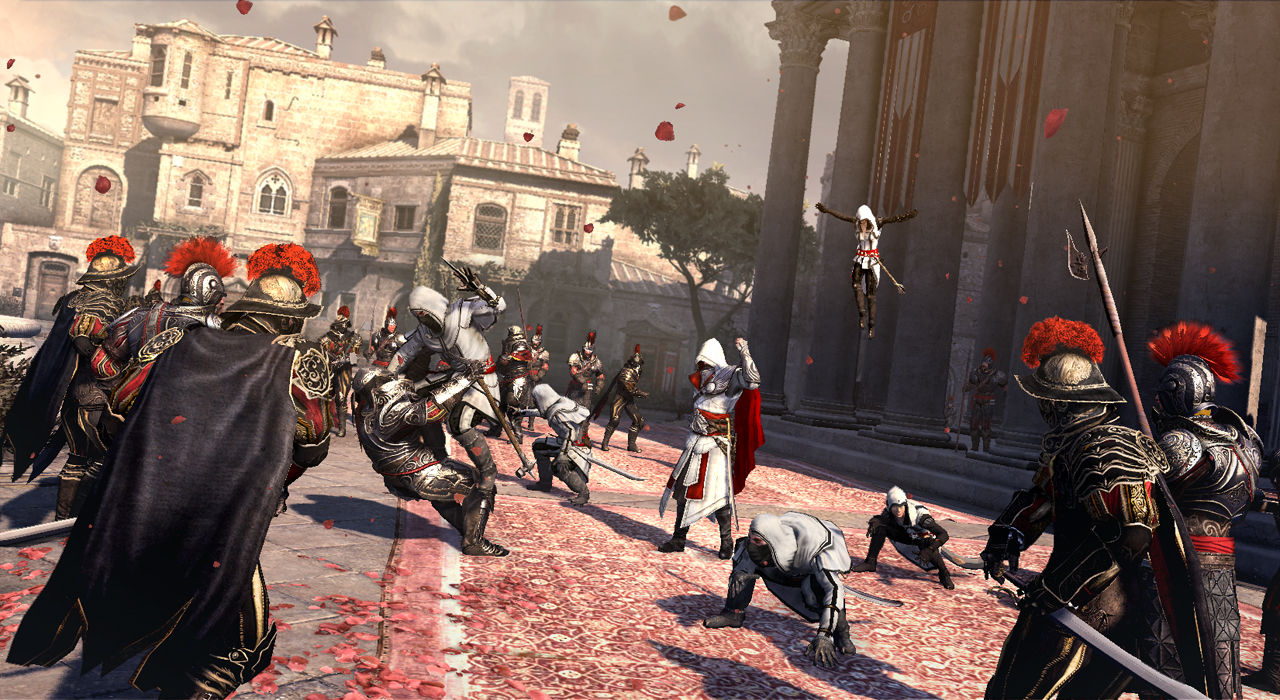
Assassin’s Creed: Brotherhood leverages a proprietary next-gen engine designed to push the boundaries of visual fidelity while maintaining performance across various platforms. The game features meticulously recreated environments, showcasing the architectural grandeur and artistic richness of Rome. Character models are more detailed than previous entries, with improved facial animations that enhance emotional expression. The lighting system plays a crucial role in creating atmosphere, casting dynamic shadows and illuminating historical landmarks. Optimization was key, allowing for vast open environments populated with numerous NPCs and intricate details without sacrificing frame rates.
Gameplay Mechanics and Core Systems
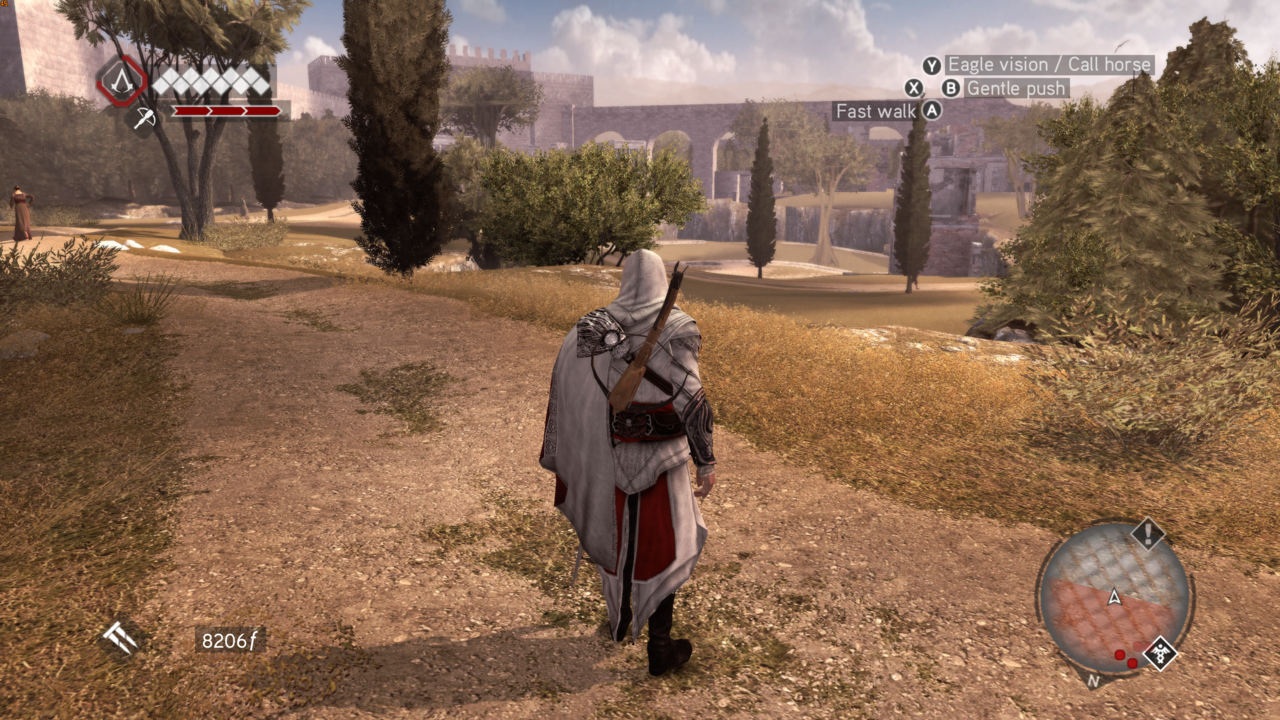
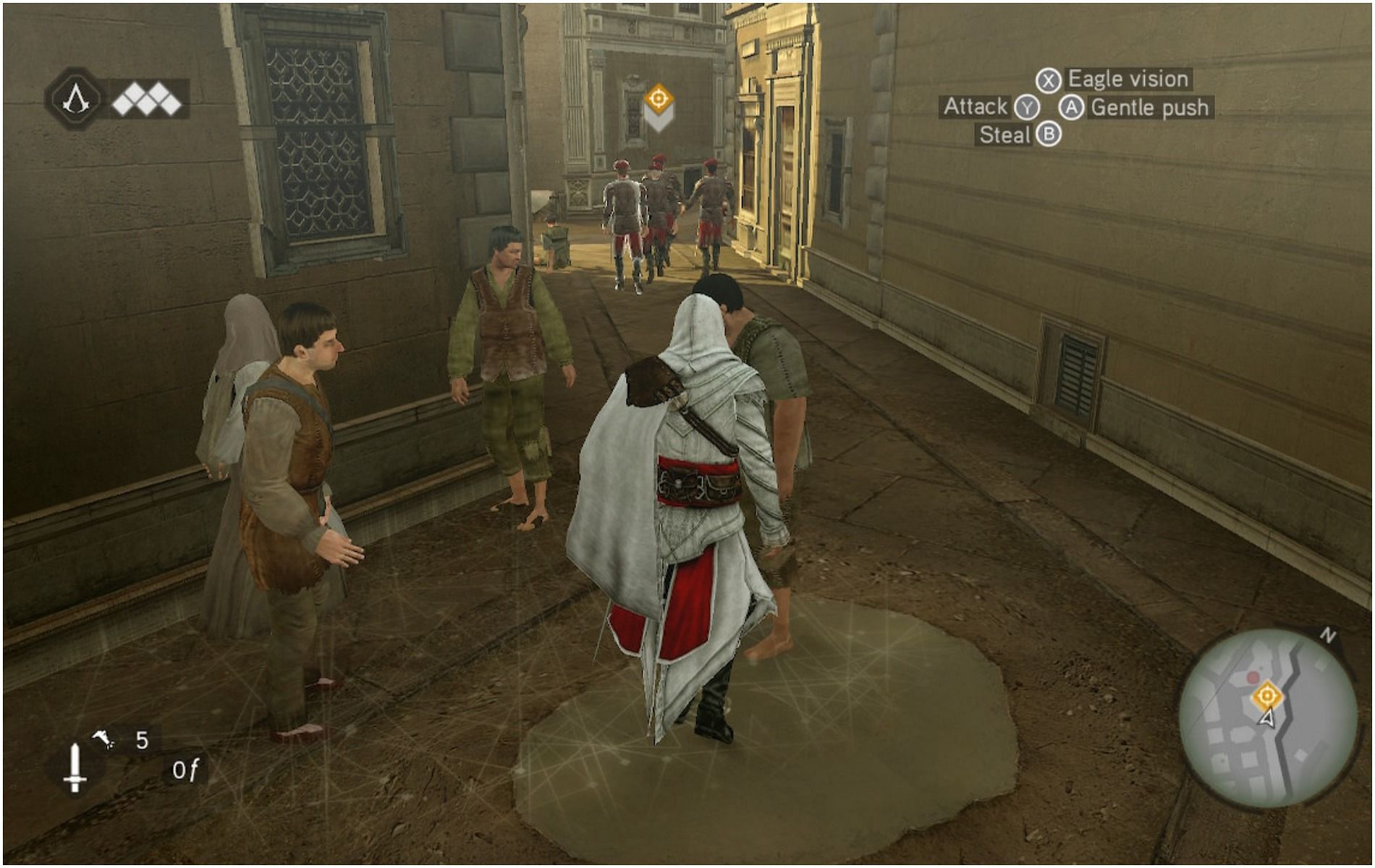
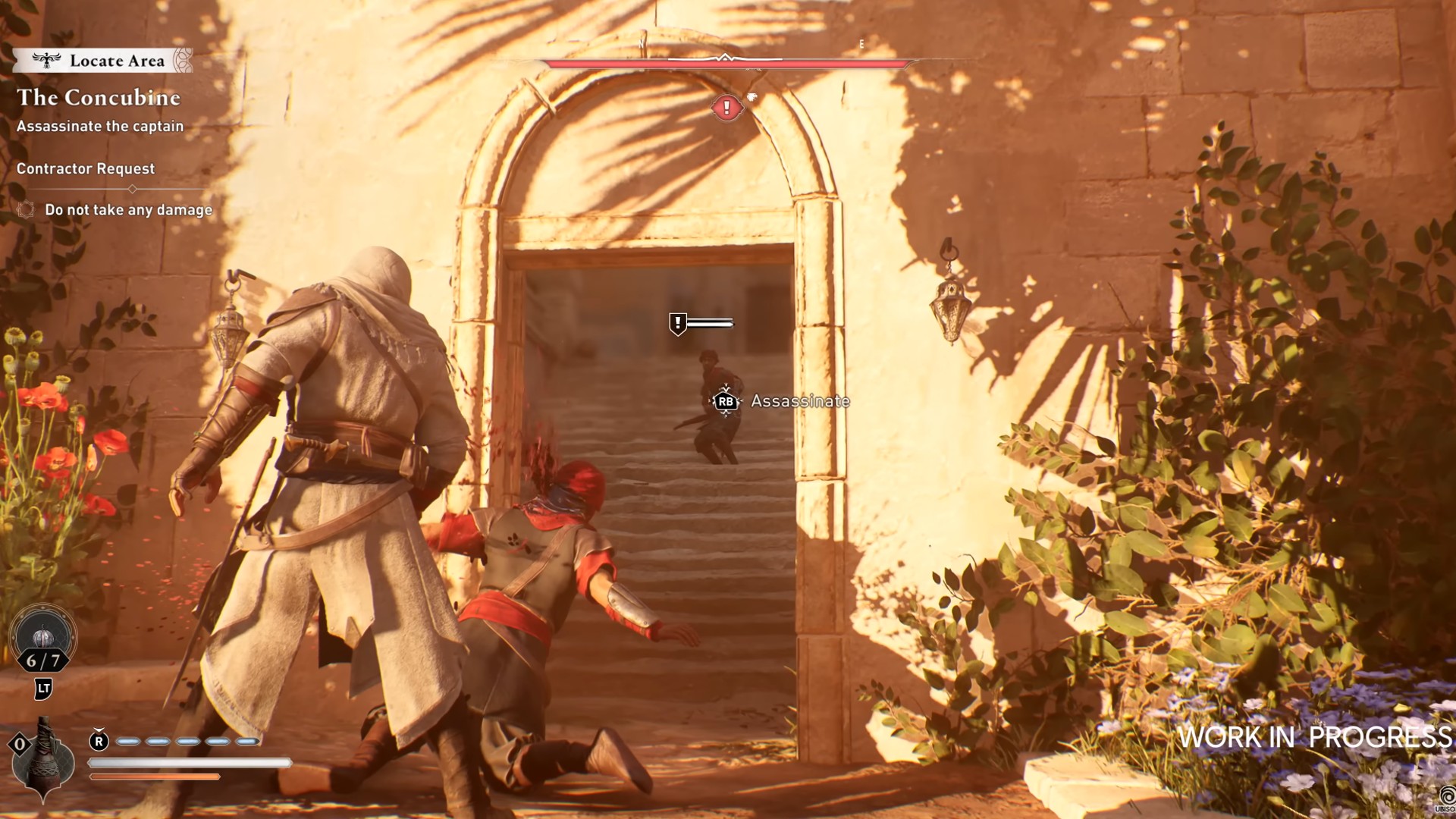
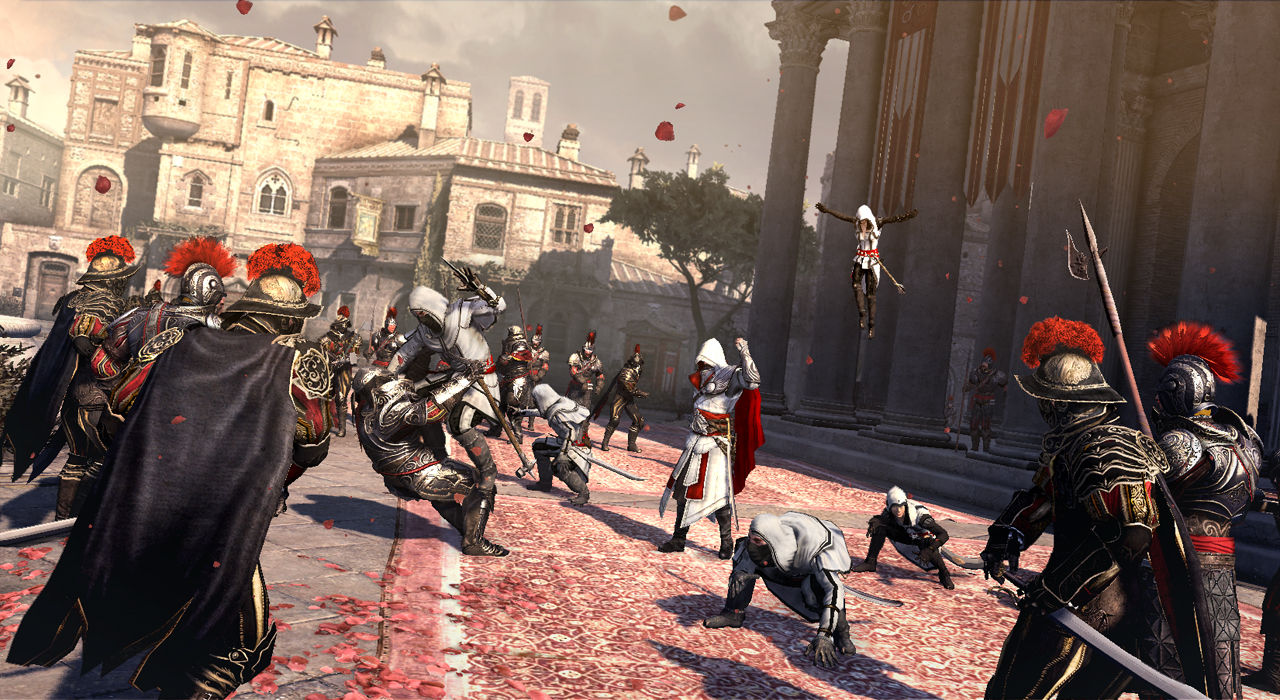
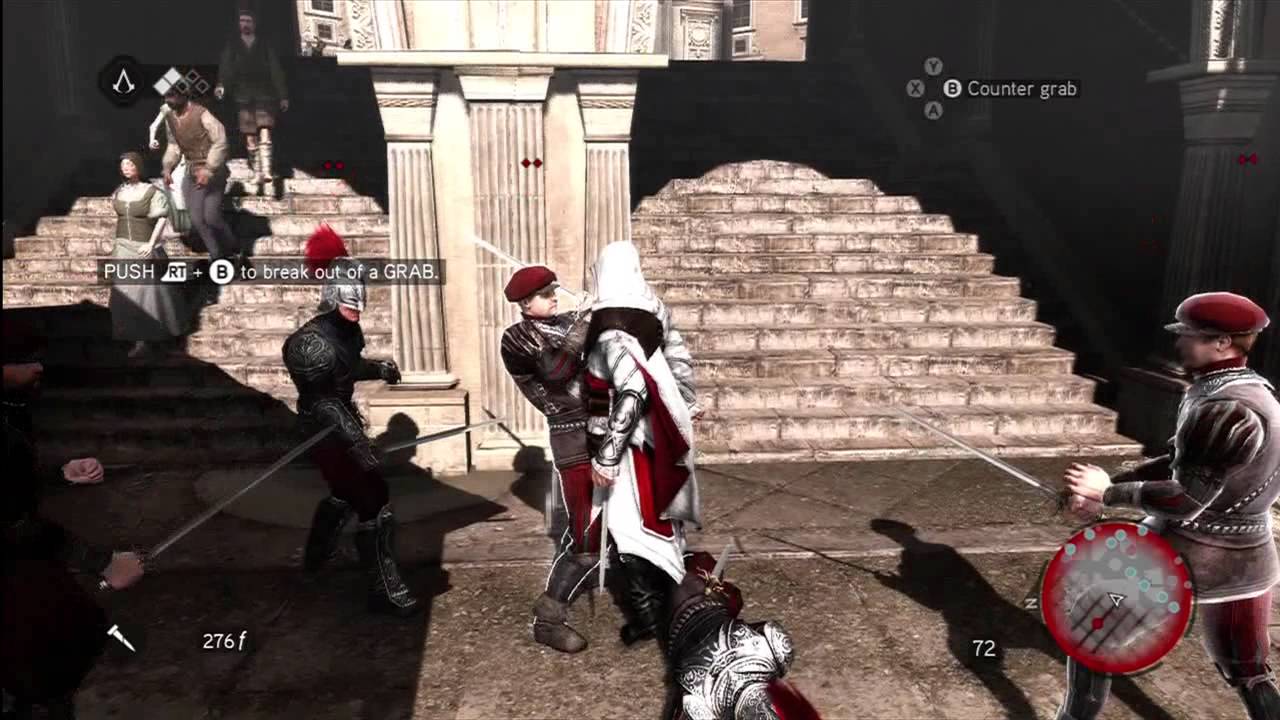
Building upon the core parkour and assassination gameplay of previous Assassin’s Creed titles, Brotherhood introduces new mechanics that enhance player agency and strategic depth. The addition of “Blade Stars,” a throwable weapon that can ricochet off surfaces, adds a unique tactical option for combat encounters. Furthermore, players can recruit and train members to form their own network of assassins, each with specialized skills that contribute to completing missions and influencing the political landscape of Rome. The combat system is refined, offering more responsive controls and a wider range of attack animations.
Level Design and World Atmosphere

Rome in Assassin’s Creed: Brotherhood is not merely a backdrop; it’s a living, breathing world teeming with life and intrigue. The level design encourages exploration, rewarding players who venture off the beaten path to discover hidden treasures, secret passages, and historical anecdotes. Iconic landmarks like the Colosseum, the Pantheon, and the Roman Forum are rendered in stunning detail, providing an immersive experience that transports players back to Renaissance Italy. The game’s atmosphere is further enhanced by dynamic weather effects, day-night cycles, and a bustling population of NPCs who react realistically to player actions.
Narrative Depth and Character Profiles
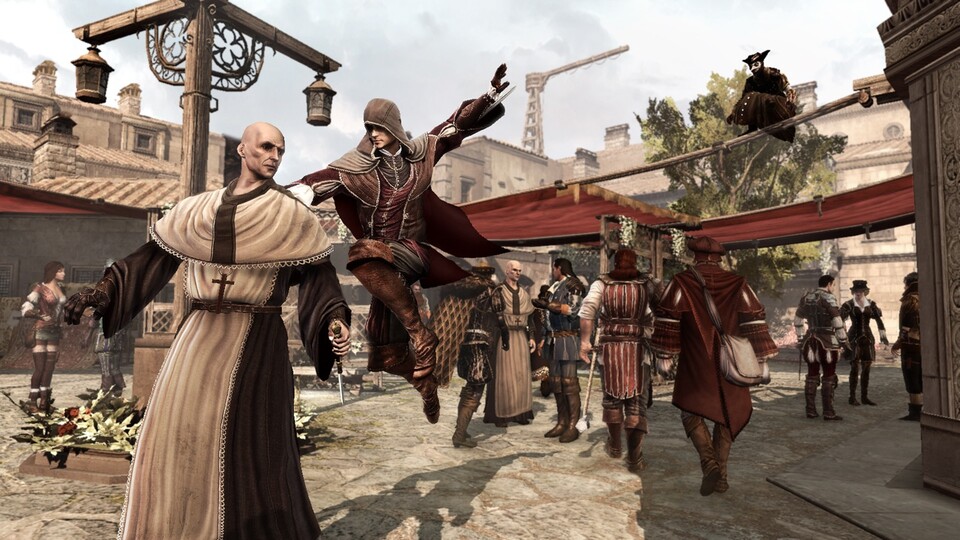
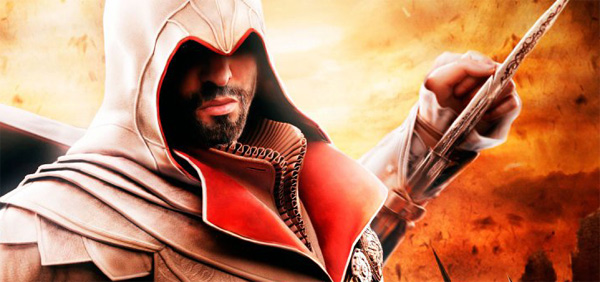
Assassin’s Creed: Brotherhood delves deeper into the life of Ezio Auditore da Firenze, exploring his personal struggles, motivations, and relationships as he navigates the treacherous political landscape of Rome. The game features a compelling narrative that intertwines historical events with fictional characters, creating a rich tapestry of intrigue, betrayal, and heroism. Key figures from Renaissance history, such as Leonardo da Vinci and Michelangelo, make appearances, adding authenticity and depth to the storyline. The supporting cast is equally well-developed, each character contributing to the overall sense of immersion and emotional resonance.
Sound Design and Acoustic Realism
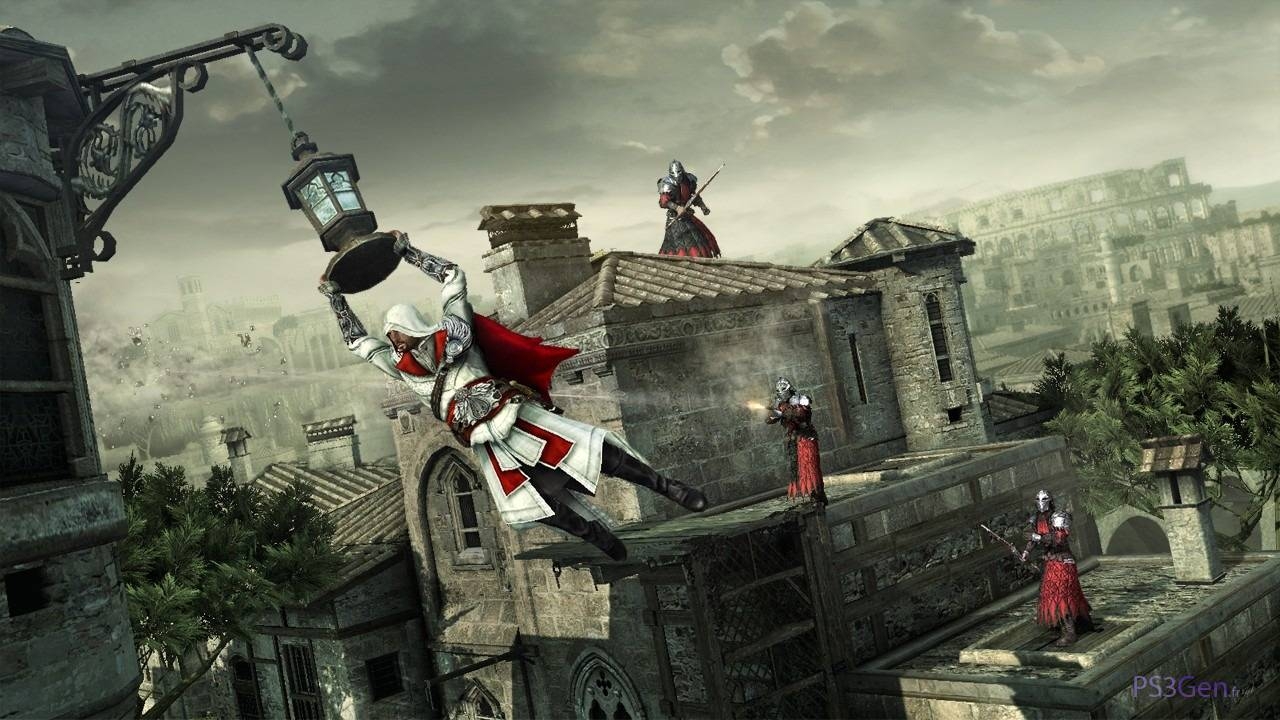
The sound design in Assassin’s Creed: Brotherhood plays a vital role in creating an immersive and believable world. Authentic period music fills the environment, transporting players back to Renaissance Italy. The sounds of bustling city streets, clashing swords, and whispered conversations all contribute to the overall sense of realism. Furthermore, the game features sophisticated audio cues that alert players to potential threats or opportunities, enhancing their awareness of the surrounding environment.
Release Expectations and Community Hype
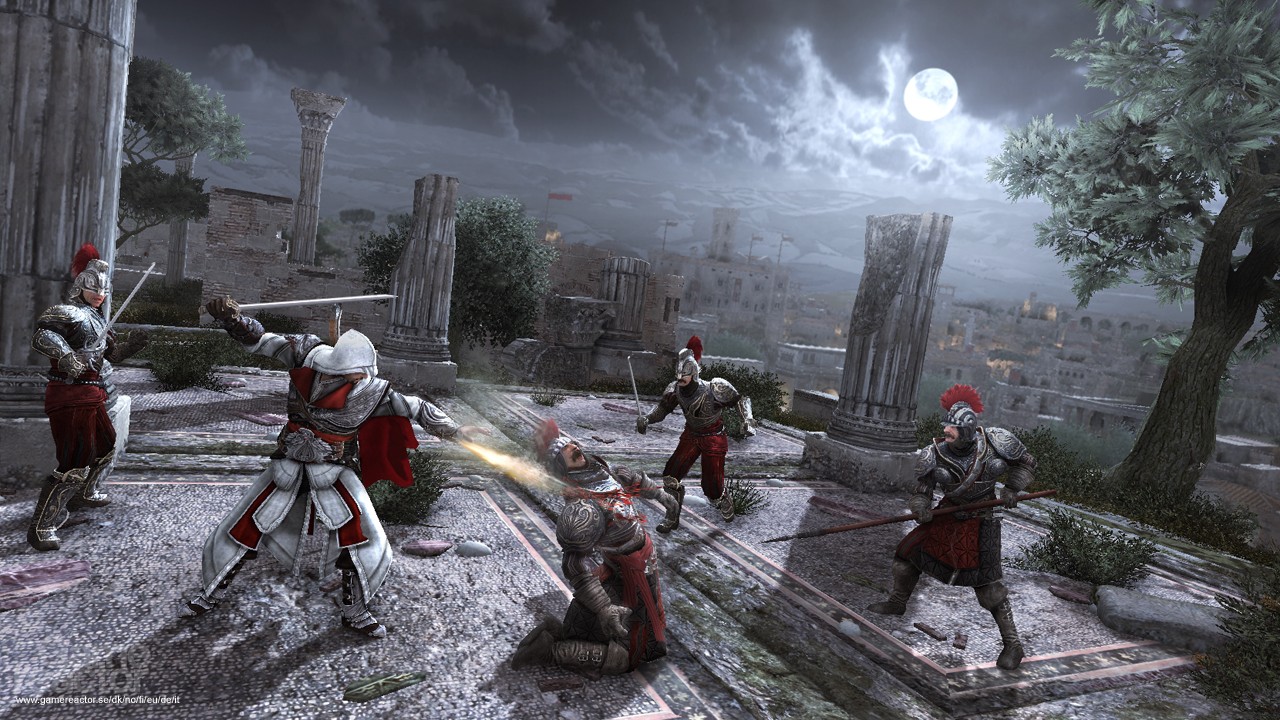
Prior to its release, Assassin’s Creed: Brotherhood generated significant hype within the gaming community. Trailers and gameplay demos showcased the game’s stunning visuals, refined mechanics, and expansive open world. The promise of a new chapter in Ezio’s story, coupled with the allure of exploring Renaissance Rome, fueled anticipation among fans eager to experience the next evolution of the Assassin’s Creed franchise. The game was widely expected to build upon the success of its predecessors while introducing fresh innovations that would solidify its place as a landmark title in the series.
Conclusion: The Future of Assassin’s Creed: Brotherhood
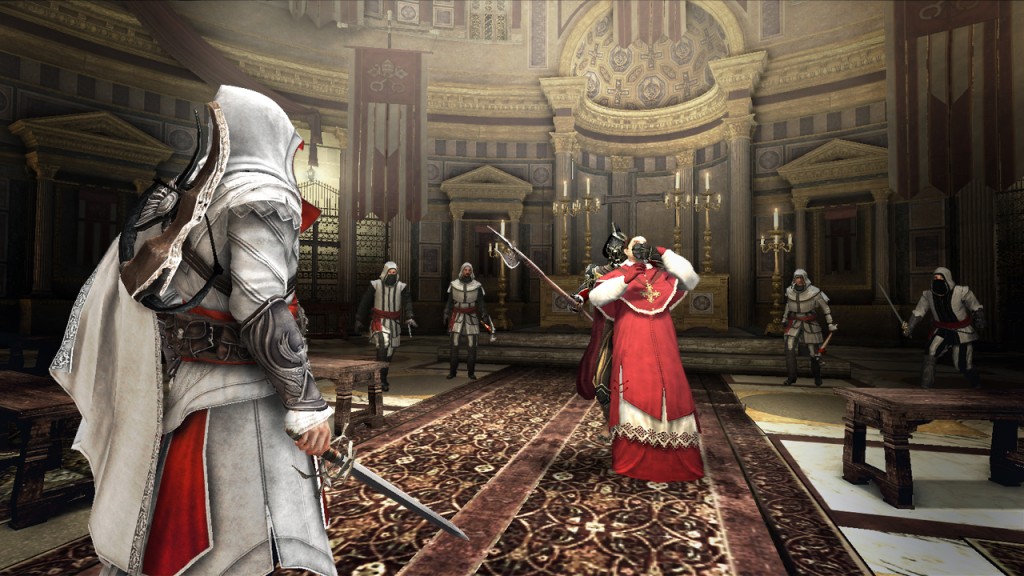
Assassin’s Creed: Brotherhood represents a significant step forward for the franchise, offering a compelling narrative, refined gameplay mechanics, and a breathtakingly realized open world. Its lasting impact can be seen in subsequent entries, which have continued to build upon its foundations while pushing the boundaries of immersive storytelling and historical accuracy. [[INJECT_VIDEO]] The game’s success solidified Ubisoft’s position as a leader in interactive entertainment, paving the way for future Assassin’s Creed titles that would continue to captivate audiences worldwide.
Source: Wikipedia