Introduction: The Next Chapter for Spore
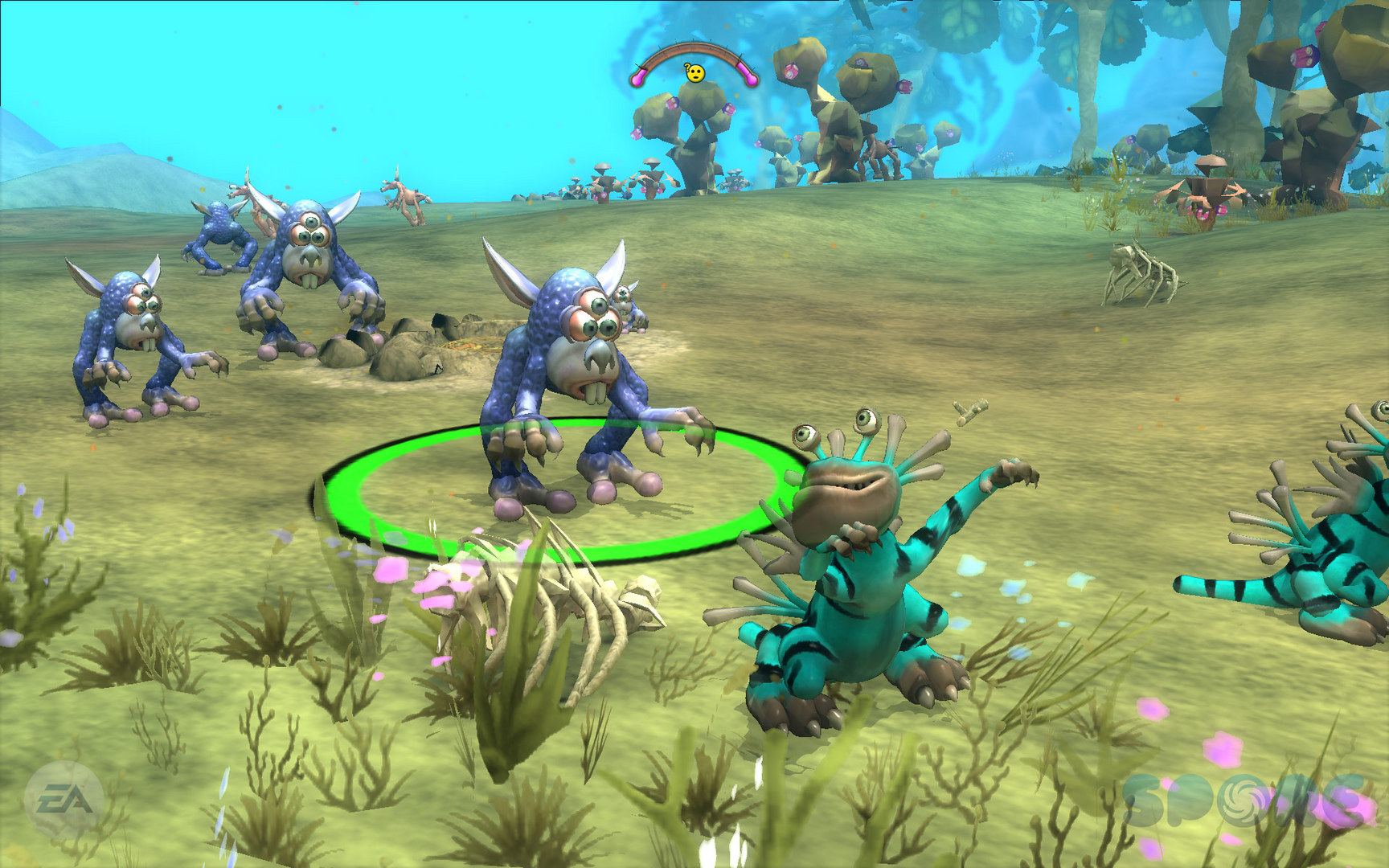
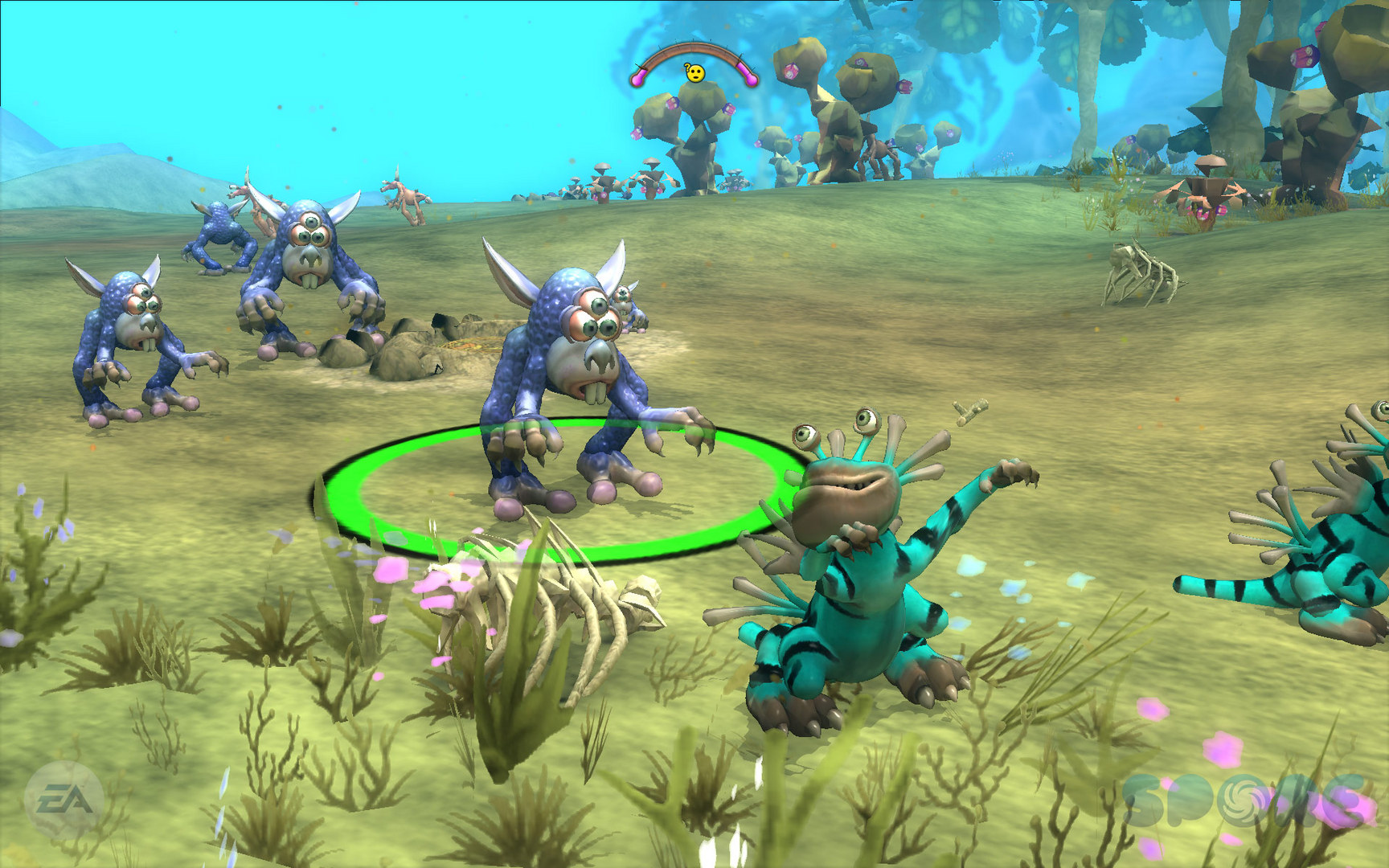
Spore, a title that once sparked immense anticipation and remains etched in gaming history, represents a bold experiment in emergent gameplay. Developed by a leading studio and published globally, it aimed to deliver an unprecedented level of player agency across diverse stages of evolution. While initial reception was mixed, the game’s innovative approach to procedural generation and its ambitious scope continue to fascinate players and developers alike. This deep-dive review will dissect Spore’s core mechanics, artistic vision, and lasting impact on the gaming landscape.
Visual Direction and Graphics Engineering
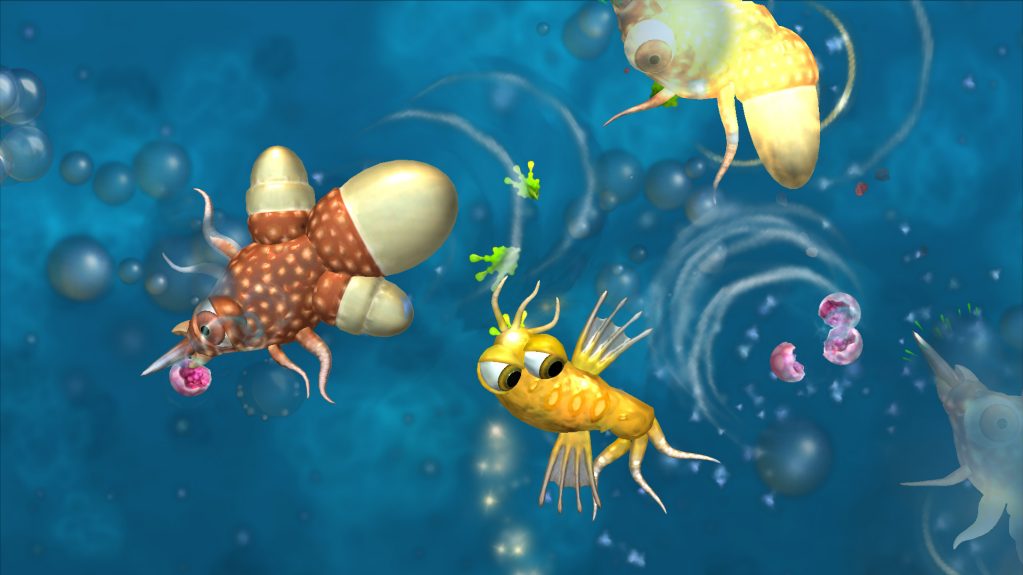
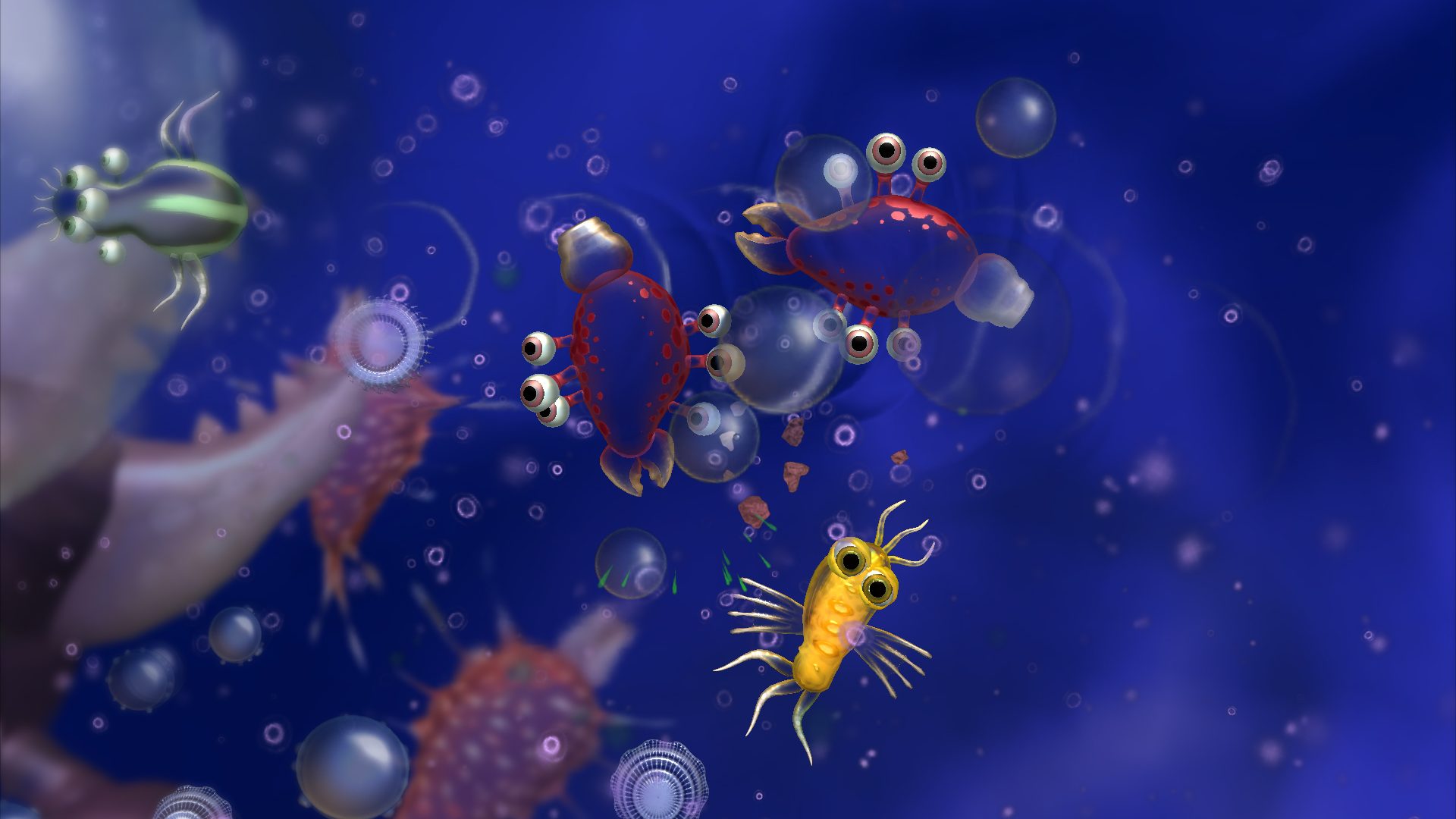
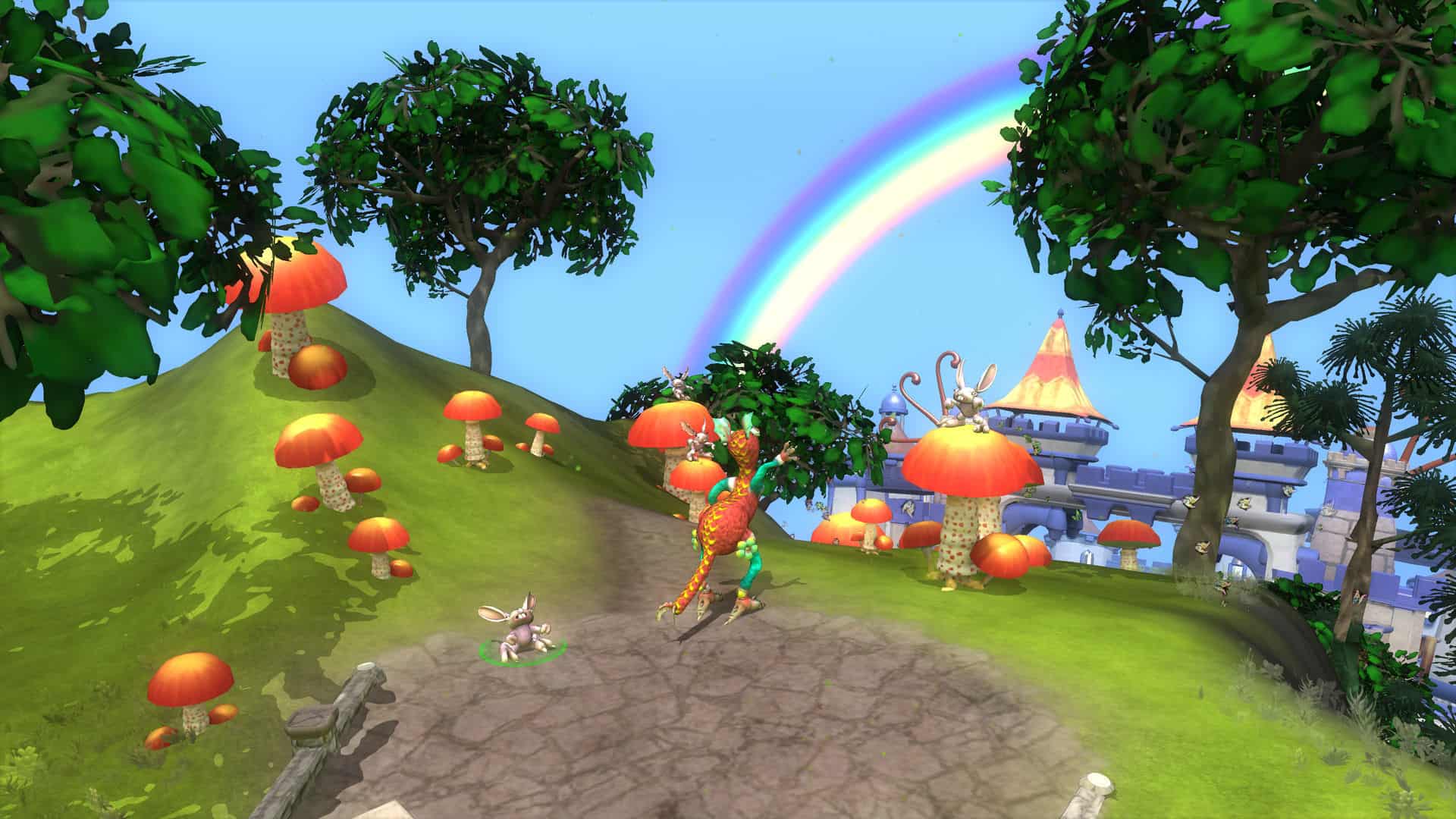
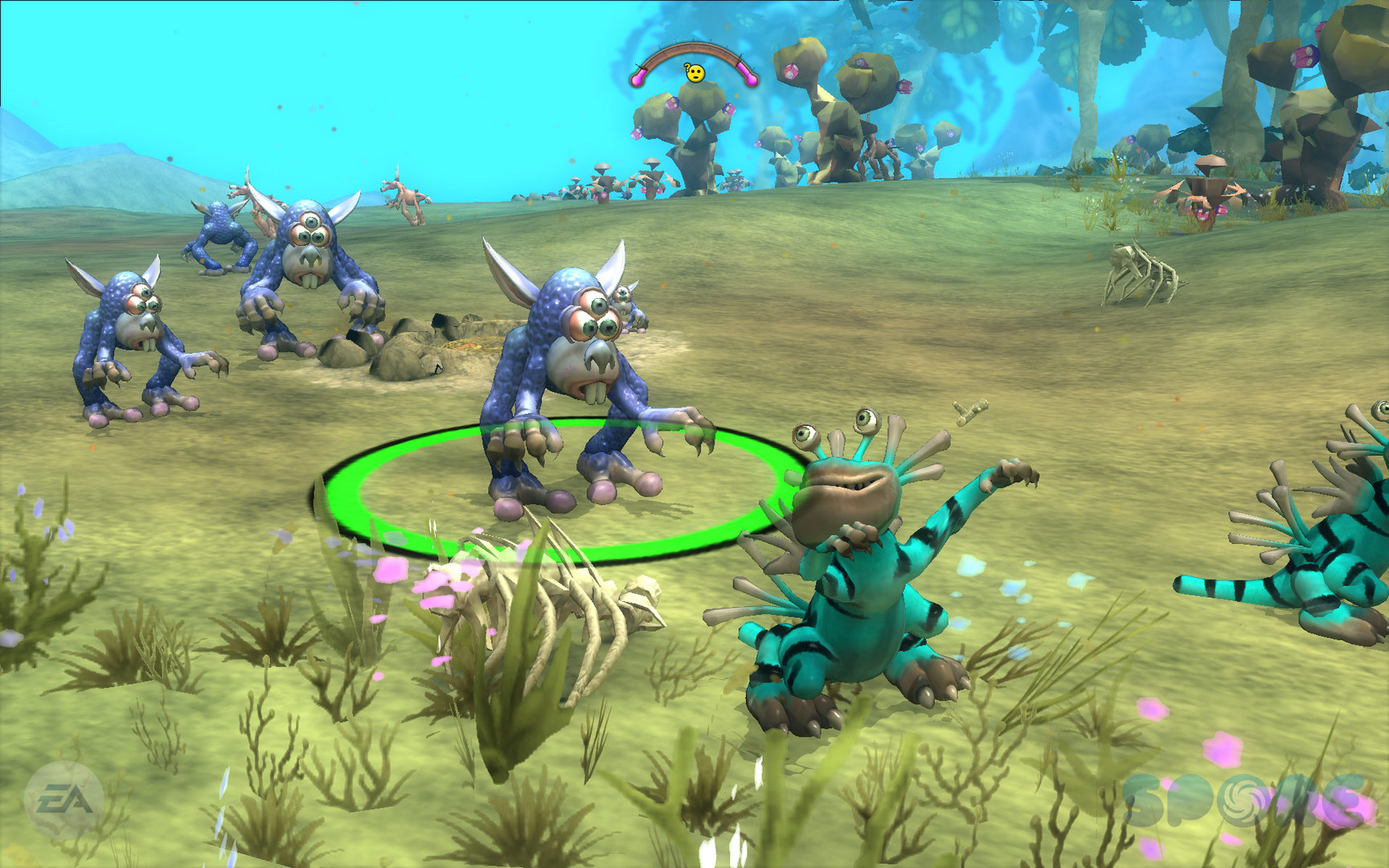
Spore’s visual style is instantly recognizable: a blend of cartoonish charm and biological accuracy. The game leverages a proprietary next-gen engine to render intricate details in creatures and environments. showcases the vibrant color palette used throughout the game, designed to appeal to a broad audience. The graphics engine was specifically optimized for accessibility, allowing players with varying hardware configurations to experience the core gameplay. However, the reliance on pre-rendered cutscenes and limited animation in certain areas became points of criticism.
Gameplay Mechanics and Core Systems
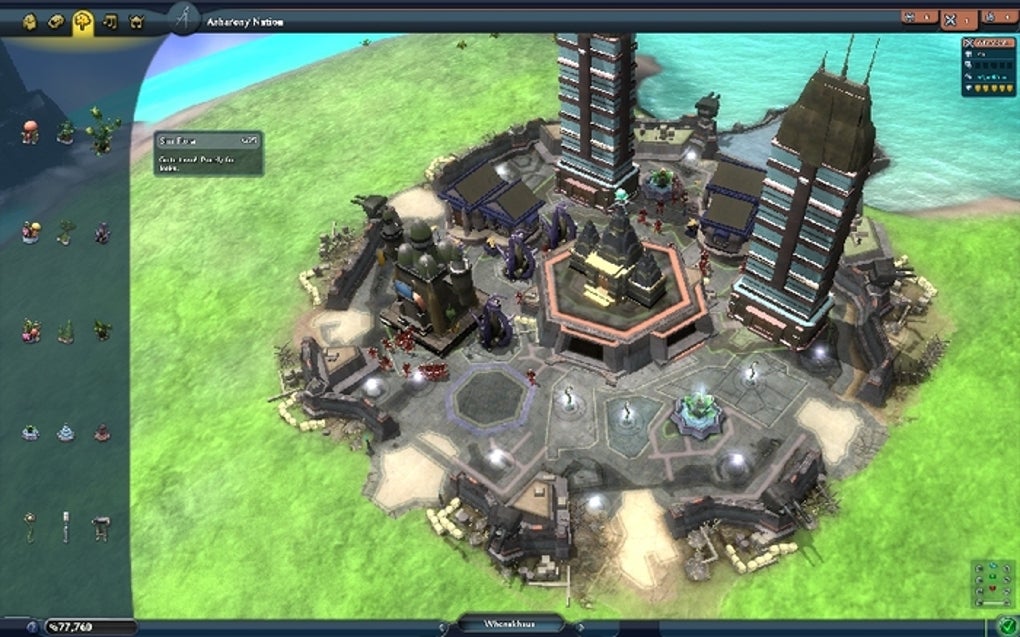
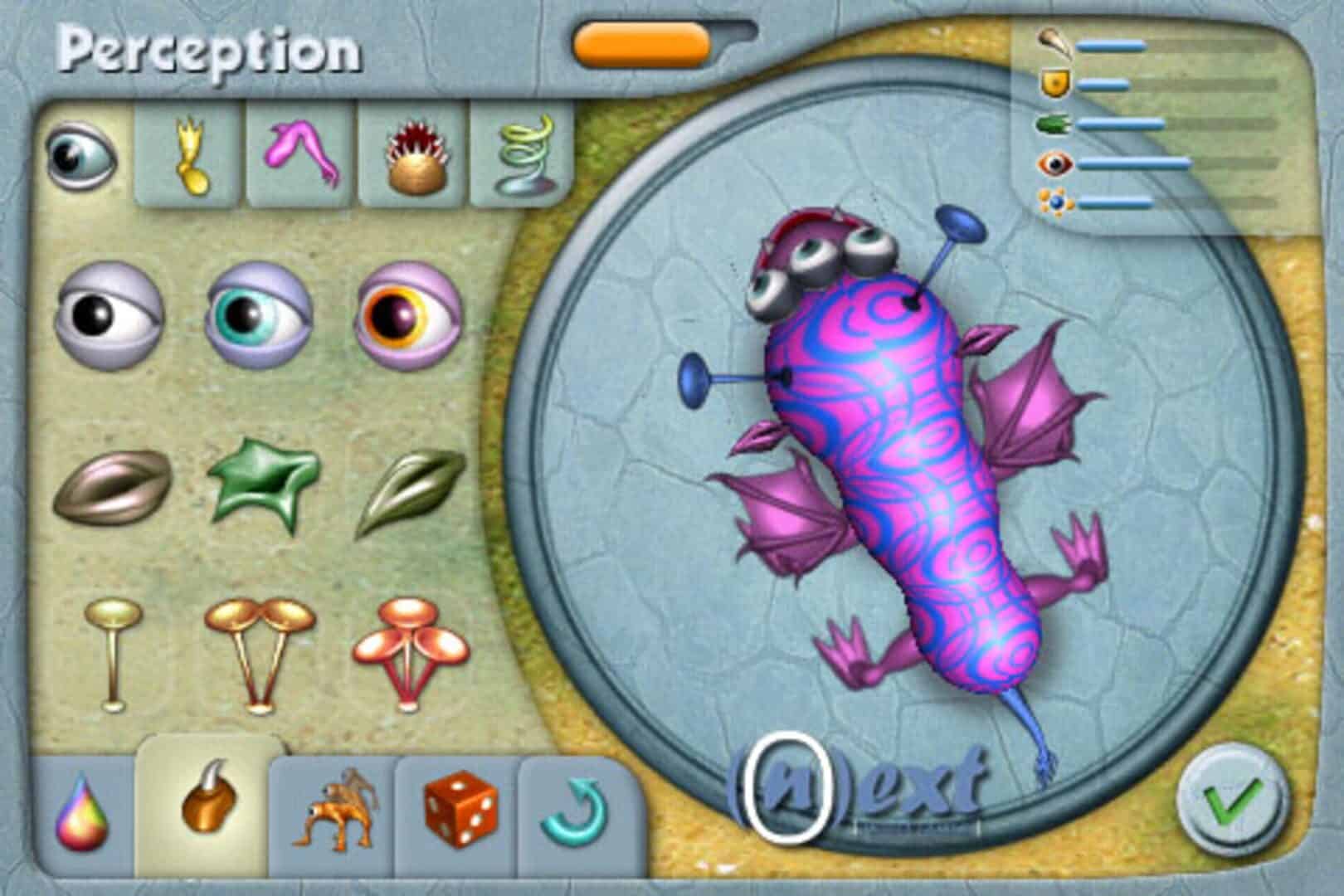
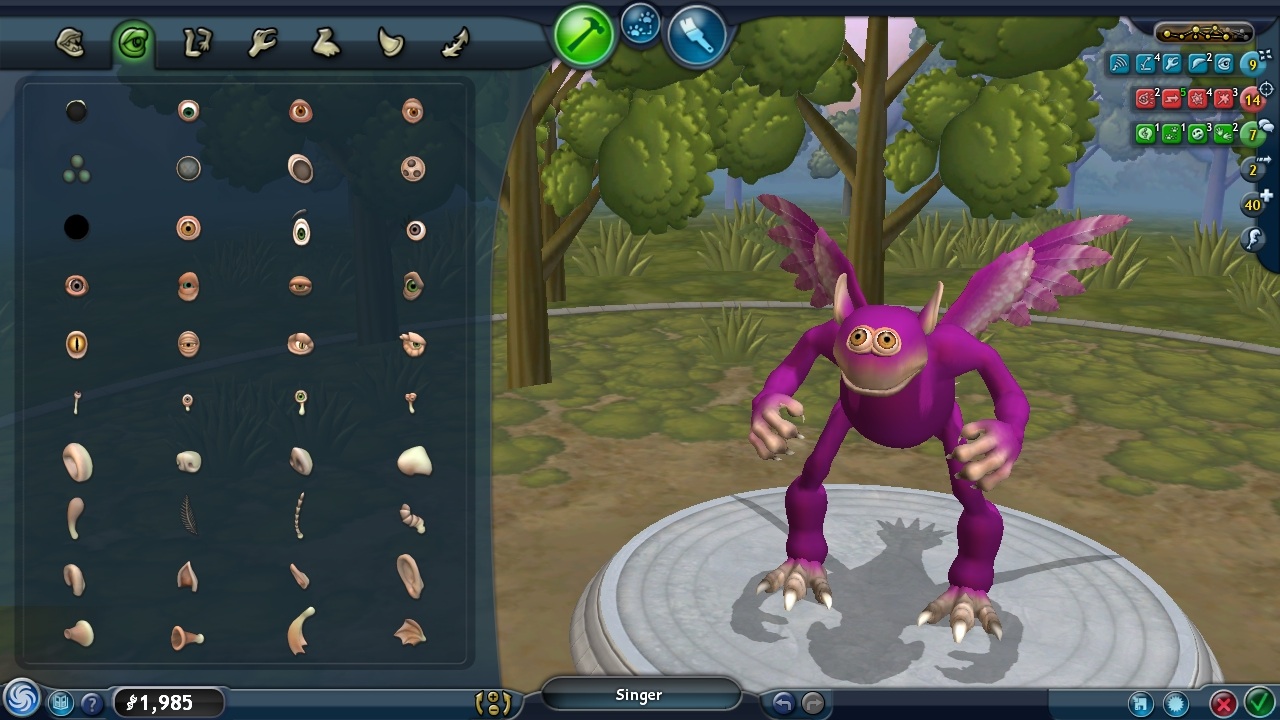
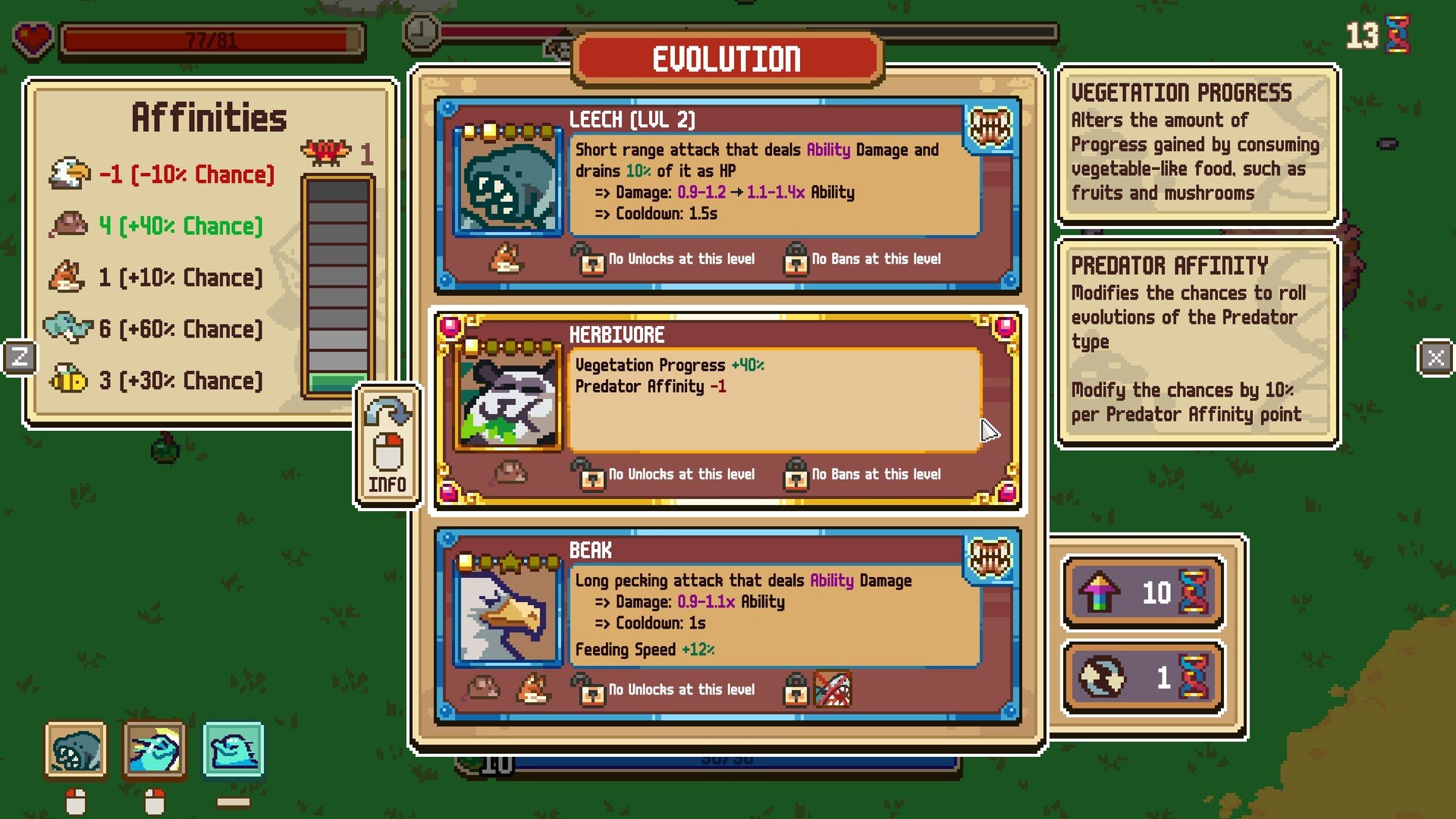
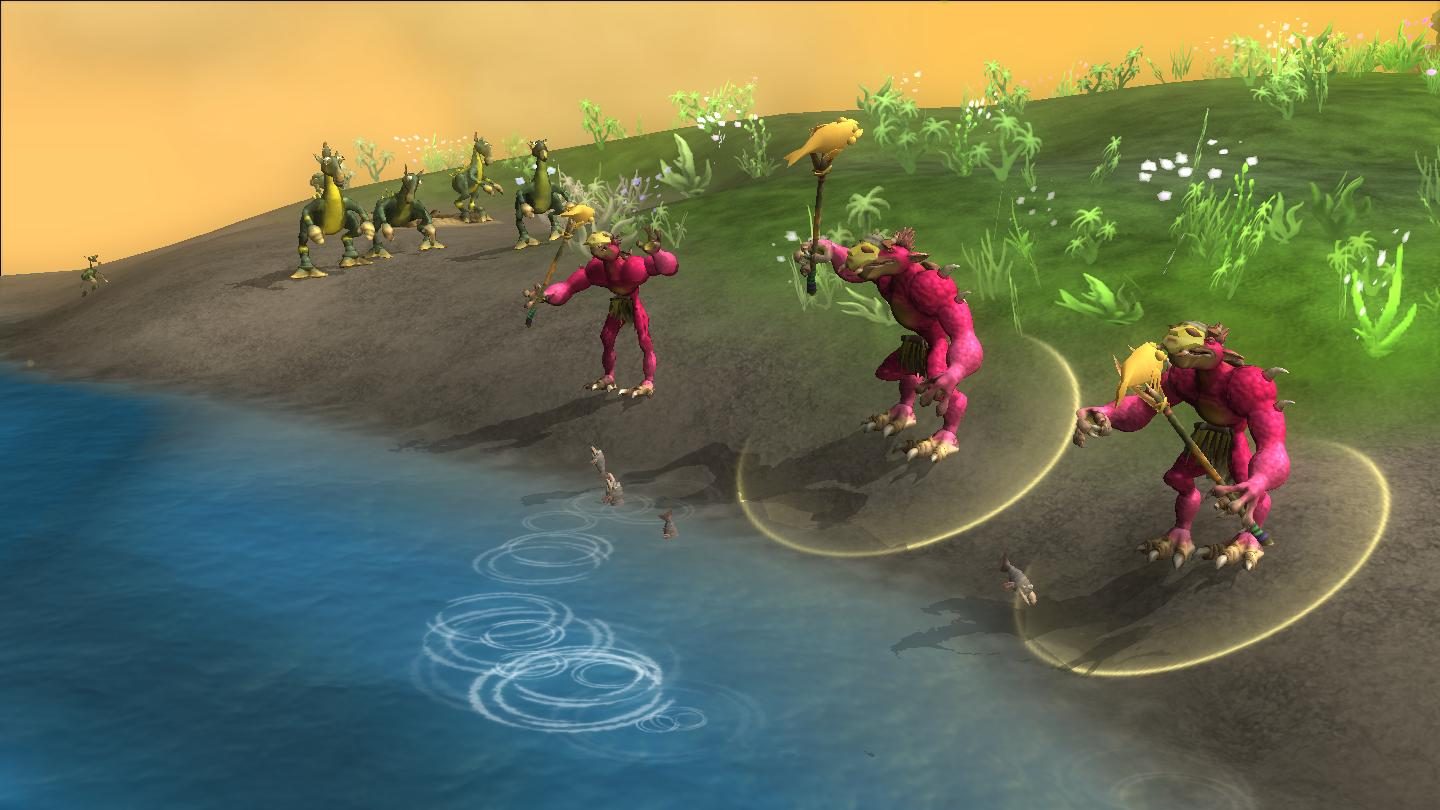
The heart of Spore lies in its unique evolutionary mechanics. Players begin as a single-celled organism and progress through distinct stages: creature, tribal, civilization, and space. Each stage introduces new gameplay elements and challenges. The “creature creator” is arguably the most iconic feature, allowing players to design their own species with remarkable freedom. illustrates the complexity of the creature customization options. However, some critics argued that the later stages lacked depth compared to the initial creative phases.
Level Design and World Atmosphere

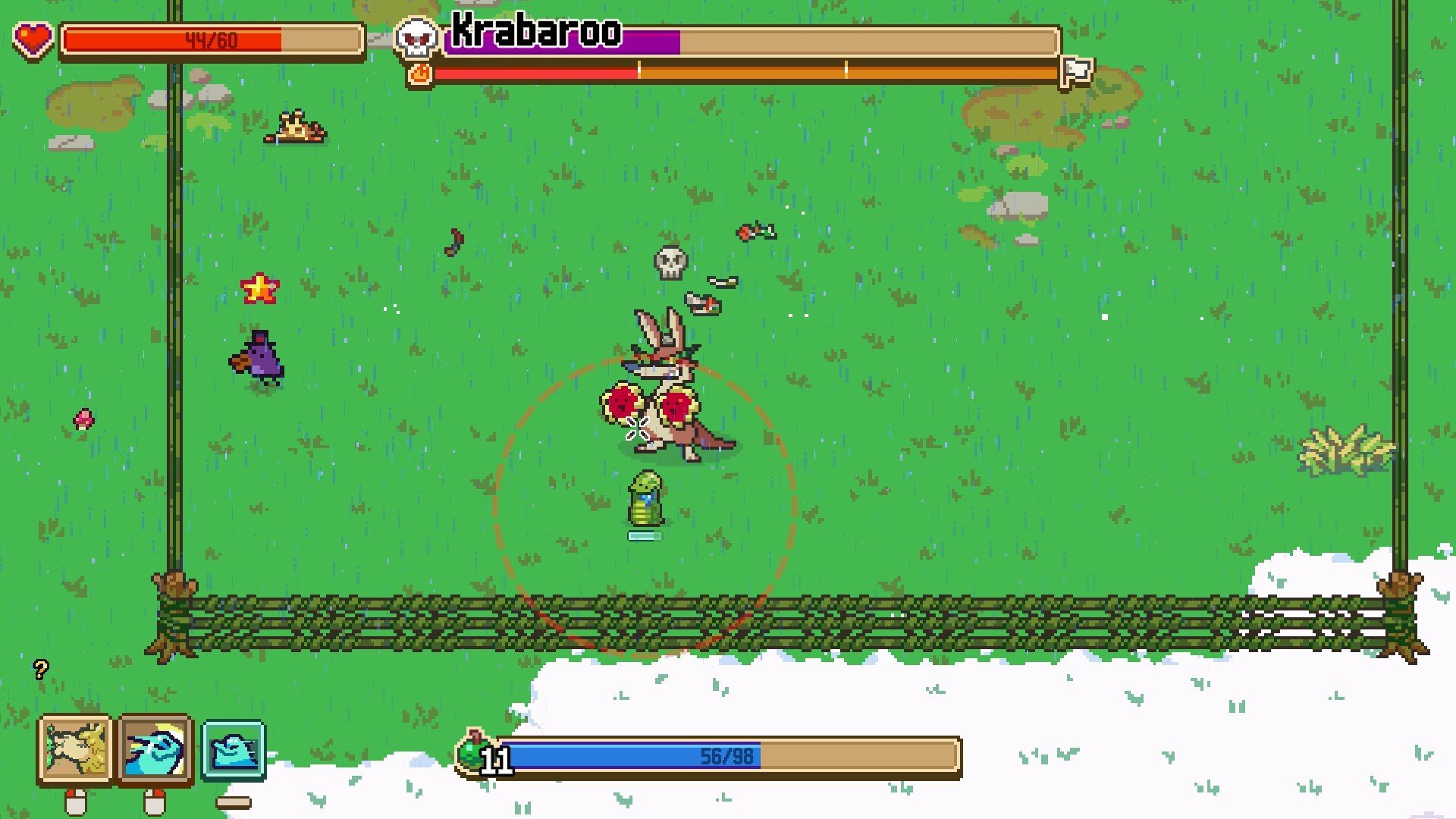
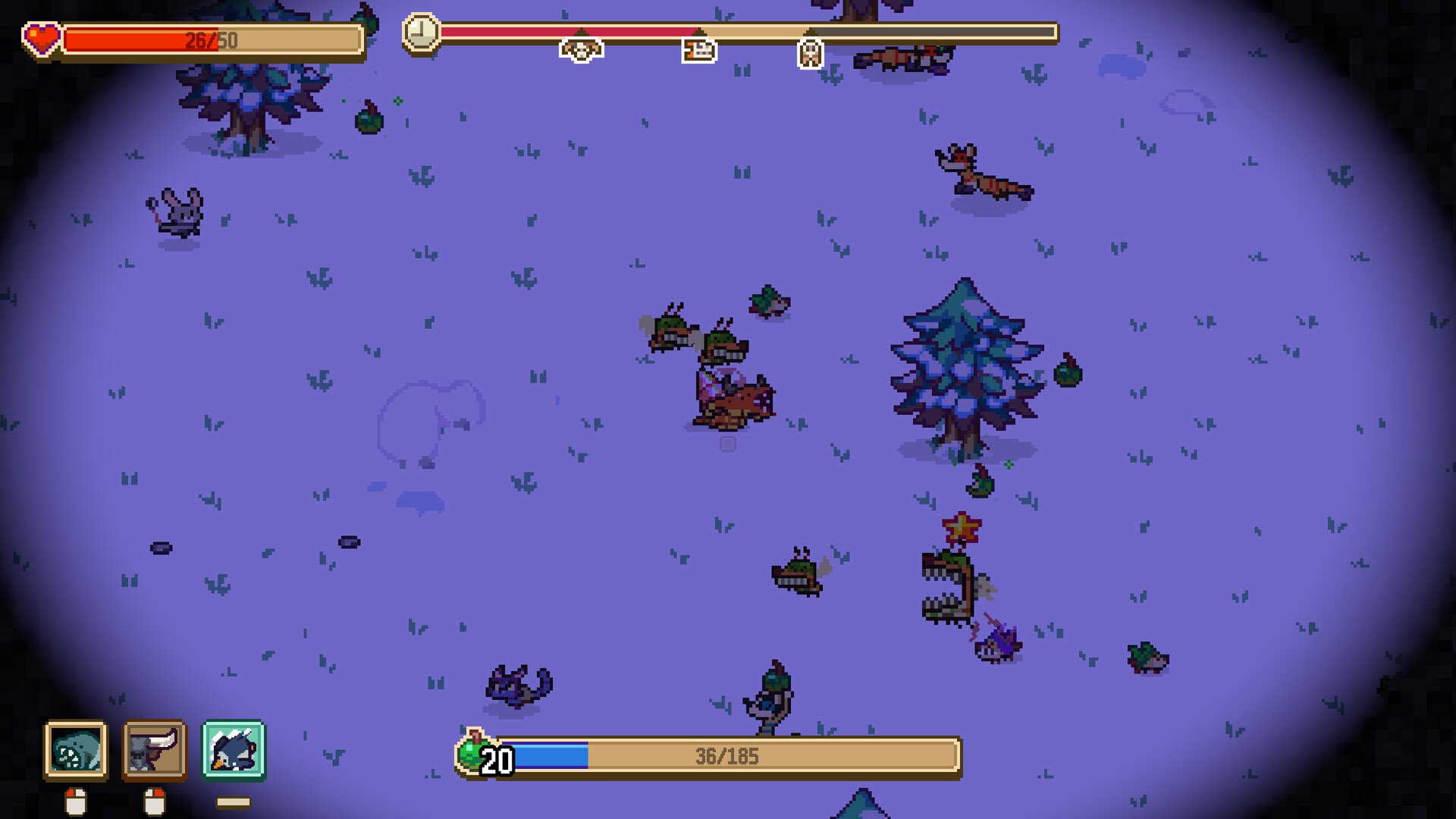
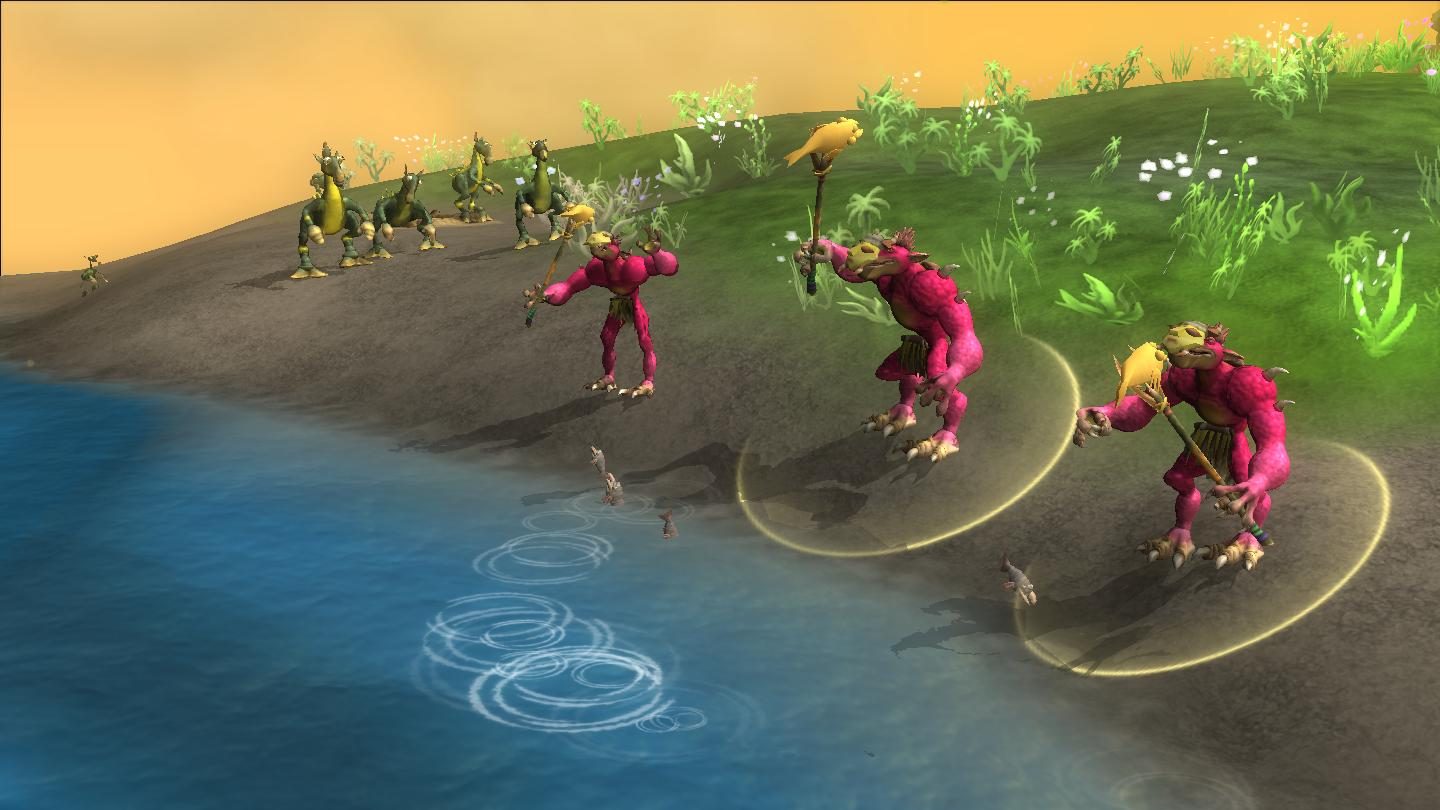
Spore’s level design is largely procedural, generating diverse environments based on player choices and actions. This approach fosters a sense of discovery and encourages experimentation. The game world is populated with various creatures, some friendly, others hostile, creating dynamic encounters. While the procedural generation allows for replayability, it also led to inconsistencies in quality and sometimes resulted in repetitive experiences.
Narrative Depth and Character Profiles

Spore’s narrative unfolds through player actions and interactions within the game world. There are no traditional cutscenes or scripted events that dictate the story’s progression. Instead, players shape their own narratives by making choices that impact their relationships with other species and civilizations. While this approach promotes player agency, it also meant that the overall narrative lacked a strong central theme or overarching plotline.
Sound Design and Acoustic Realism

The sound design in Spore is crucial to creating an immersive experience. The game features a dynamic soundtrack that adapts to the player’s actions and environment. Each creature species has its own unique vocalizations, adding personality and character to the game world.
demonstrates how the music changes based on the situation. However, some players found the sound effects repetitive after extended gameplay.
Release Expectations and Community Hype

Prior to its release, Spore generated immense hype within the gaming community. The promise of creating one’s own species and exploring a vast universe captivated players worldwide. Marketing campaigns emphasized the game’s innovative features and ambitious scope. However, the high expectations ultimately led to disappointment for some players who felt that the final product did not live up to its potential.
Conclusion: The Future of Spore
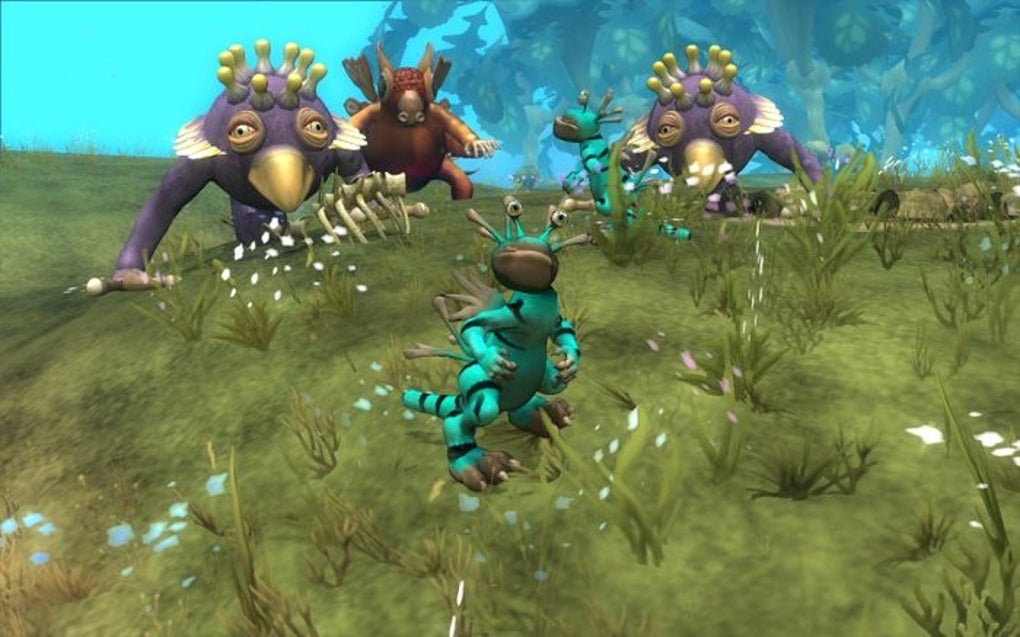
Spore remains a fascinating case study in game development. Its bold experimentation with procedural generation and player agency paved the way for future titles. While it may not have achieved universal acclaim, its influence on the gaming landscape is undeniable. The game’s enduring appeal lies in its ability to spark creativity and encourage players to explore the possibilities of evolution.
Source: Wikipedia