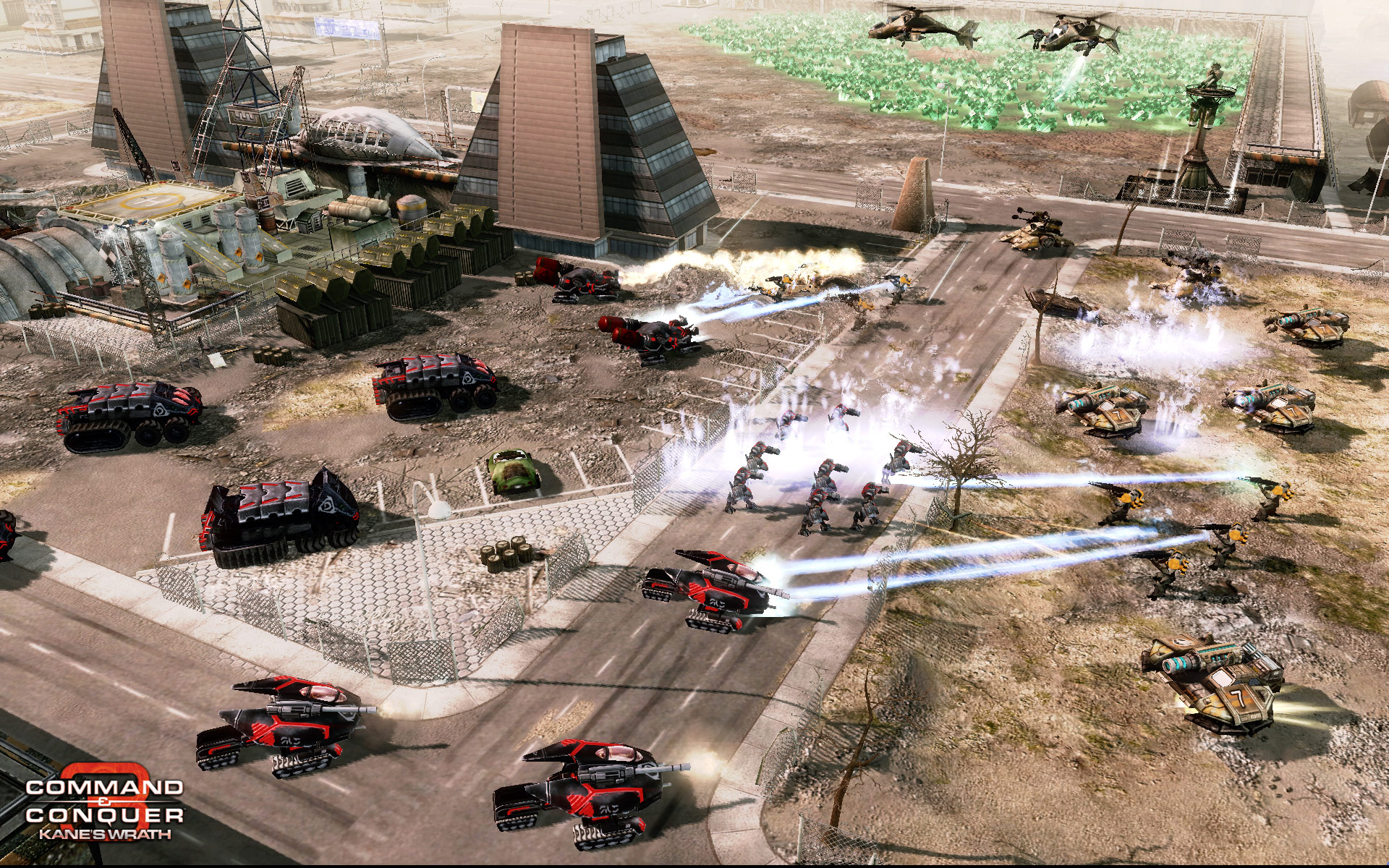
Introduction: The Next Chapter for Command & Conquer 3: Tiberium Wars

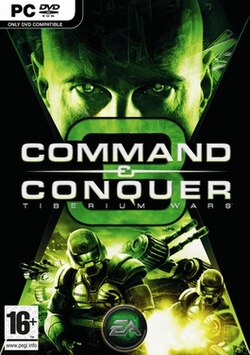
Command & Conquer 3: Tiberium Wars arrived in 2007 as the latest installment in the legendary RTS franchise, inheriting a legacy built on innovative gameplay and compelling narratives. Developed by EA Los Angeles, it aimed to modernize the series while retaining its core identity. The game picks up seventeen years after Command & Conquer: Tiberian Sun, with the world irrevocably changed by the ever-expanding Tiberium spread. This installment introduces a new extraterrestrial threat, the Scrin, forcing both the Global Defense Initiative (GDI) and the Brotherhood of Nod to confront a common enemy, albeit one that exploits their conflict for its own purposes. The game promised a fresh take on familiar gameplay elements while introducing new units, technologies, and strategic options.
Visual Direction and Graphics Engineering
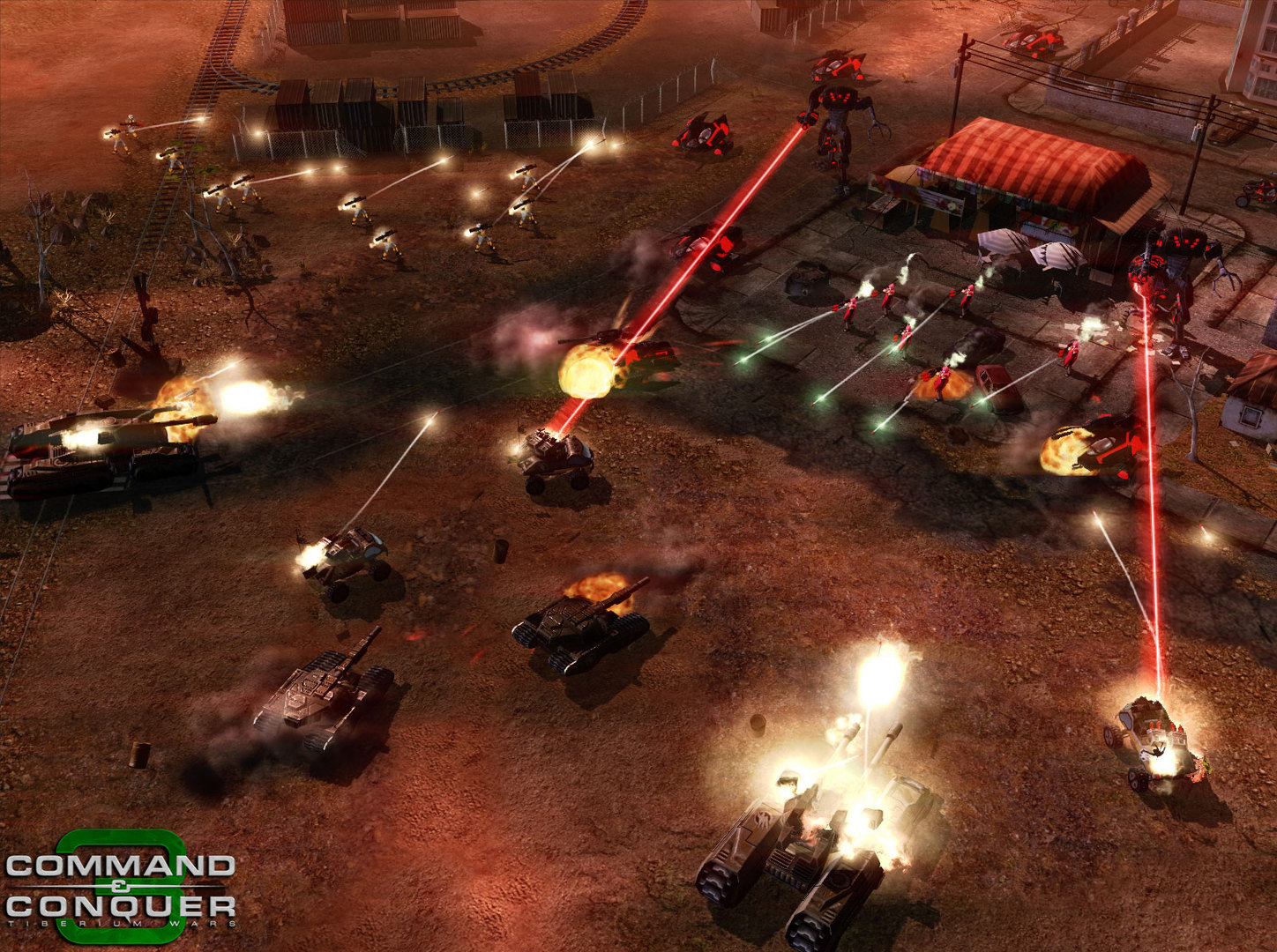
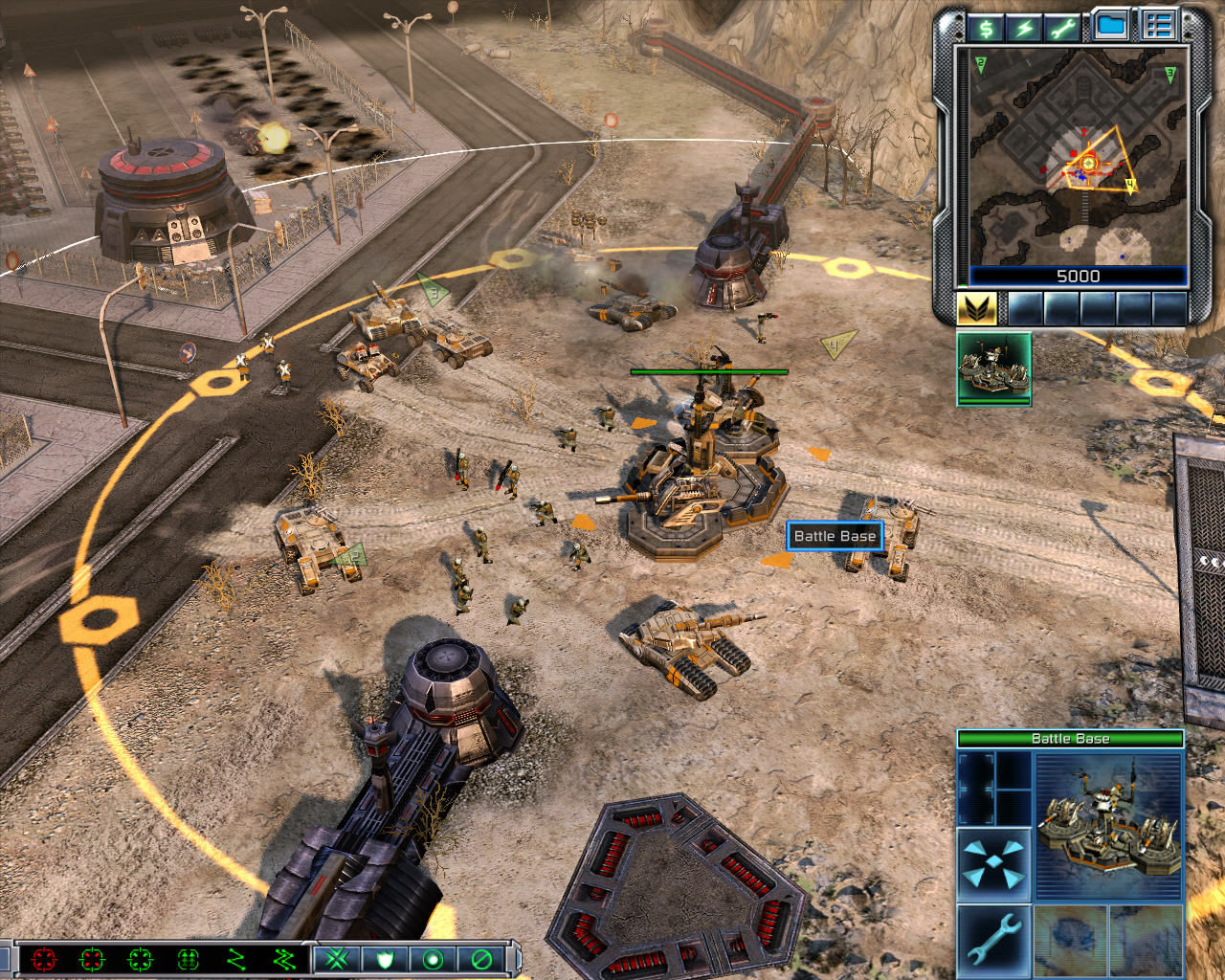
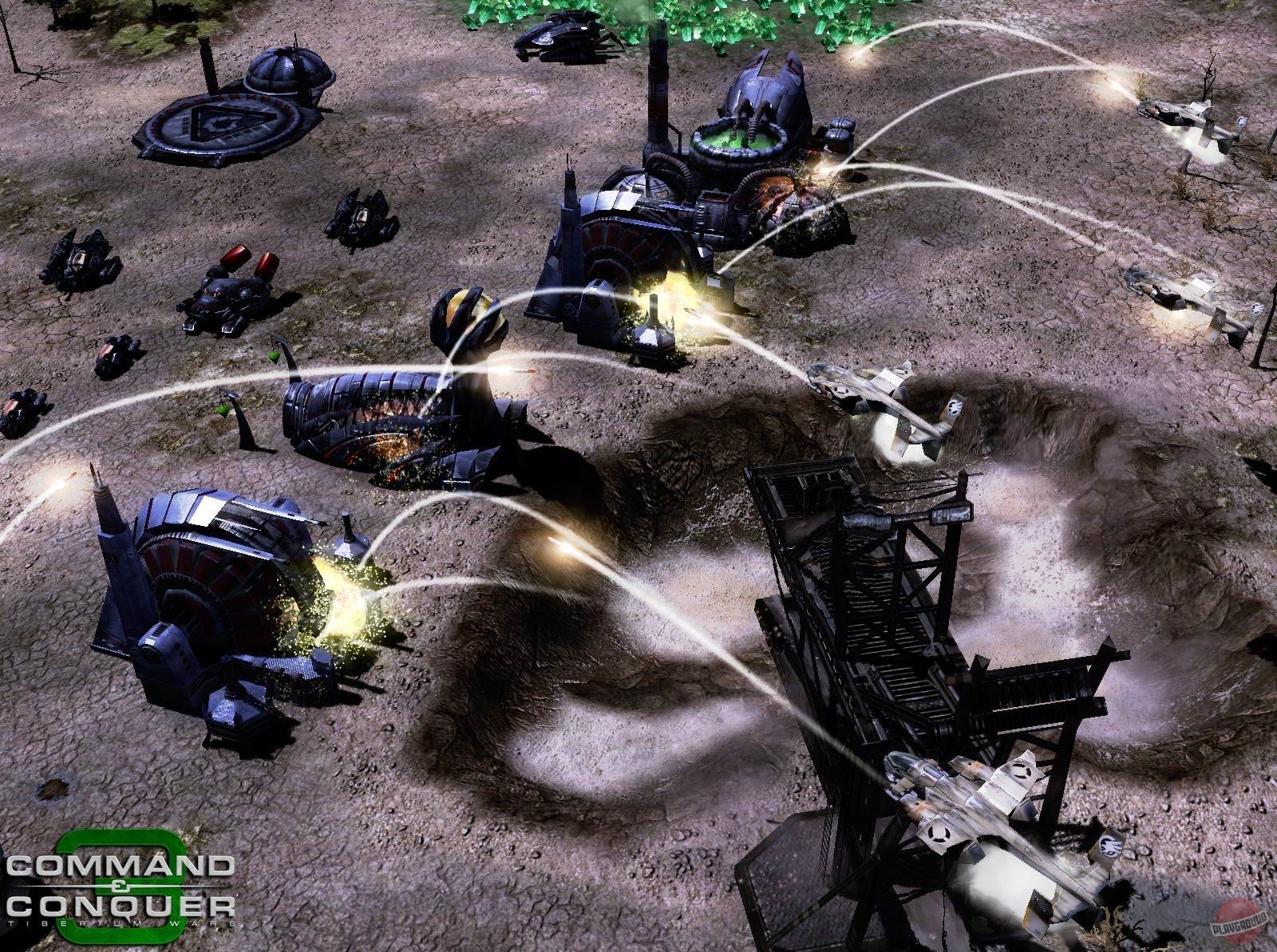
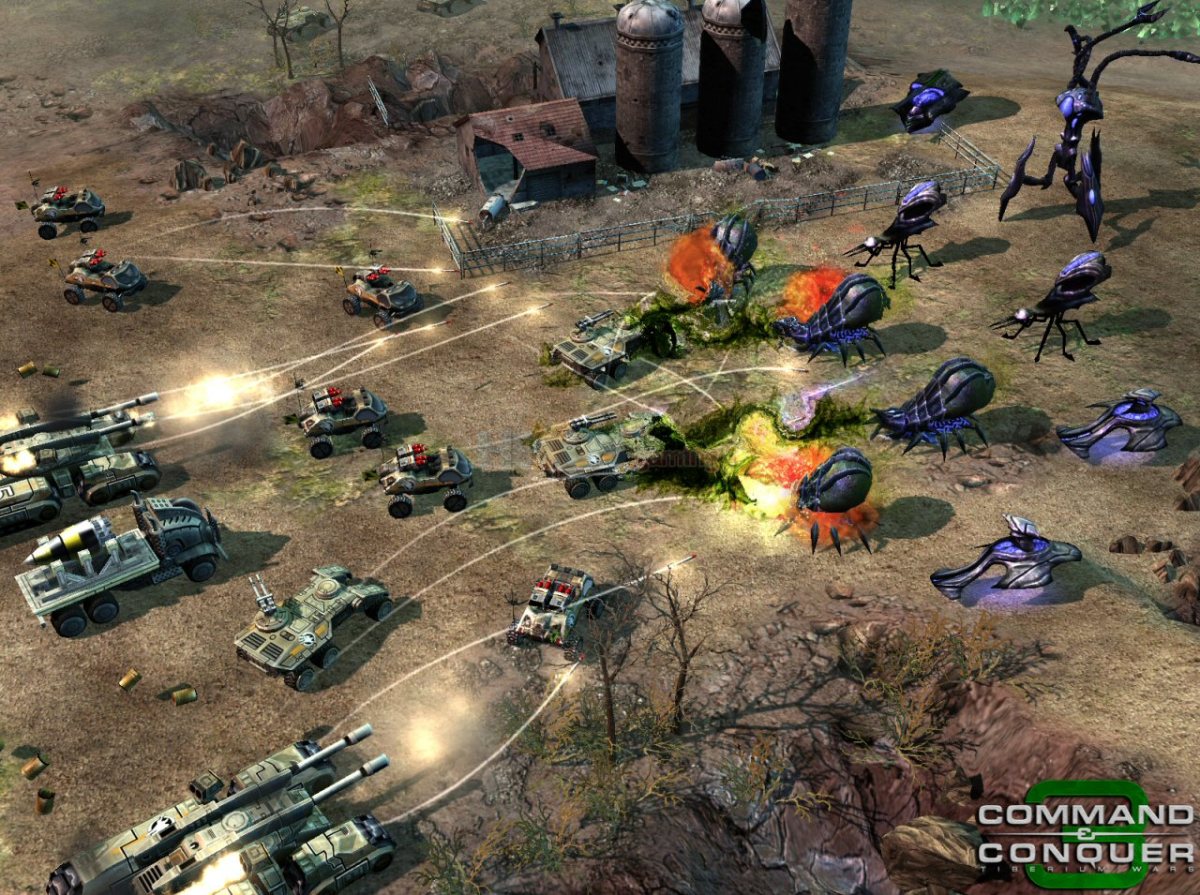
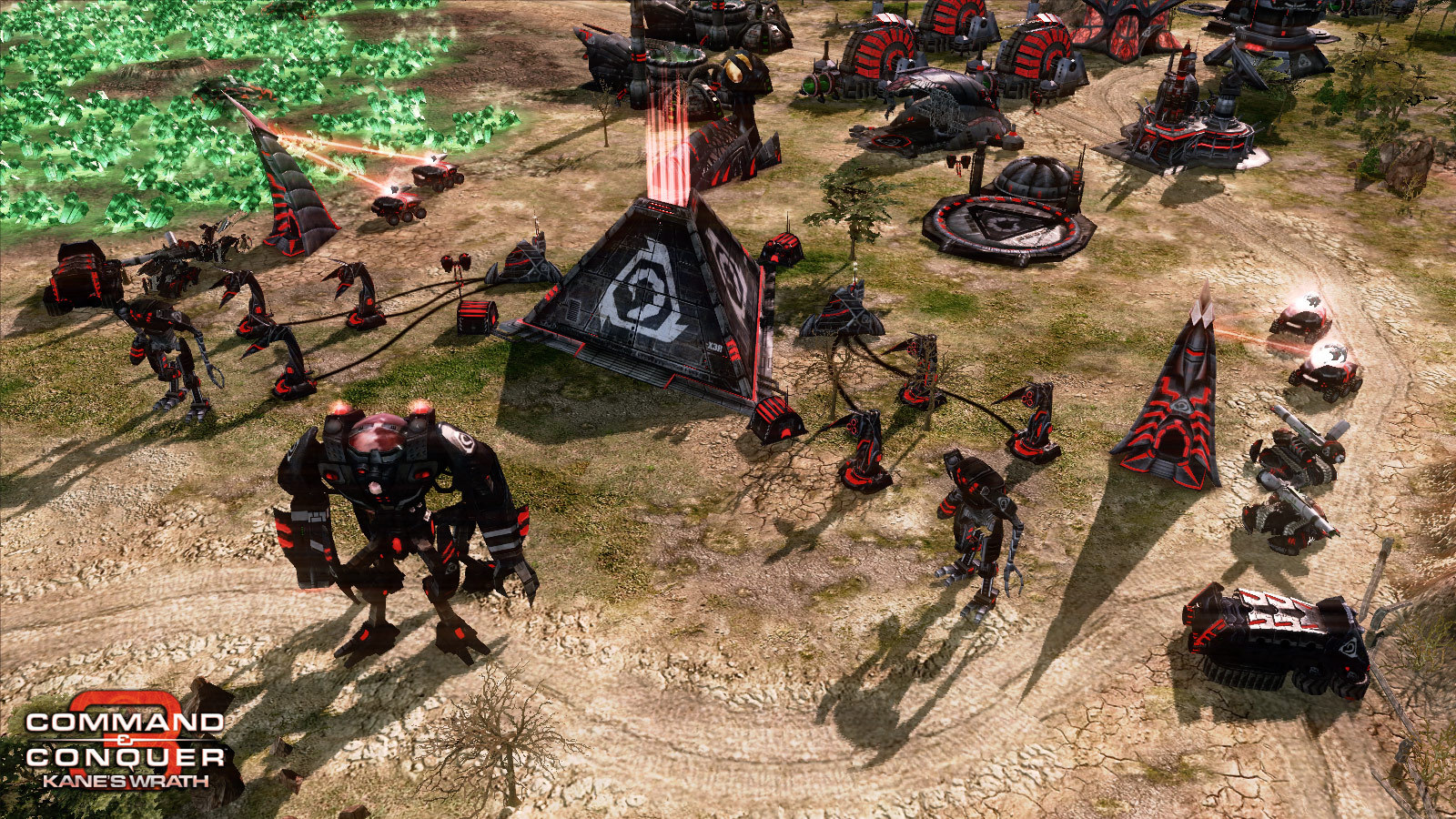
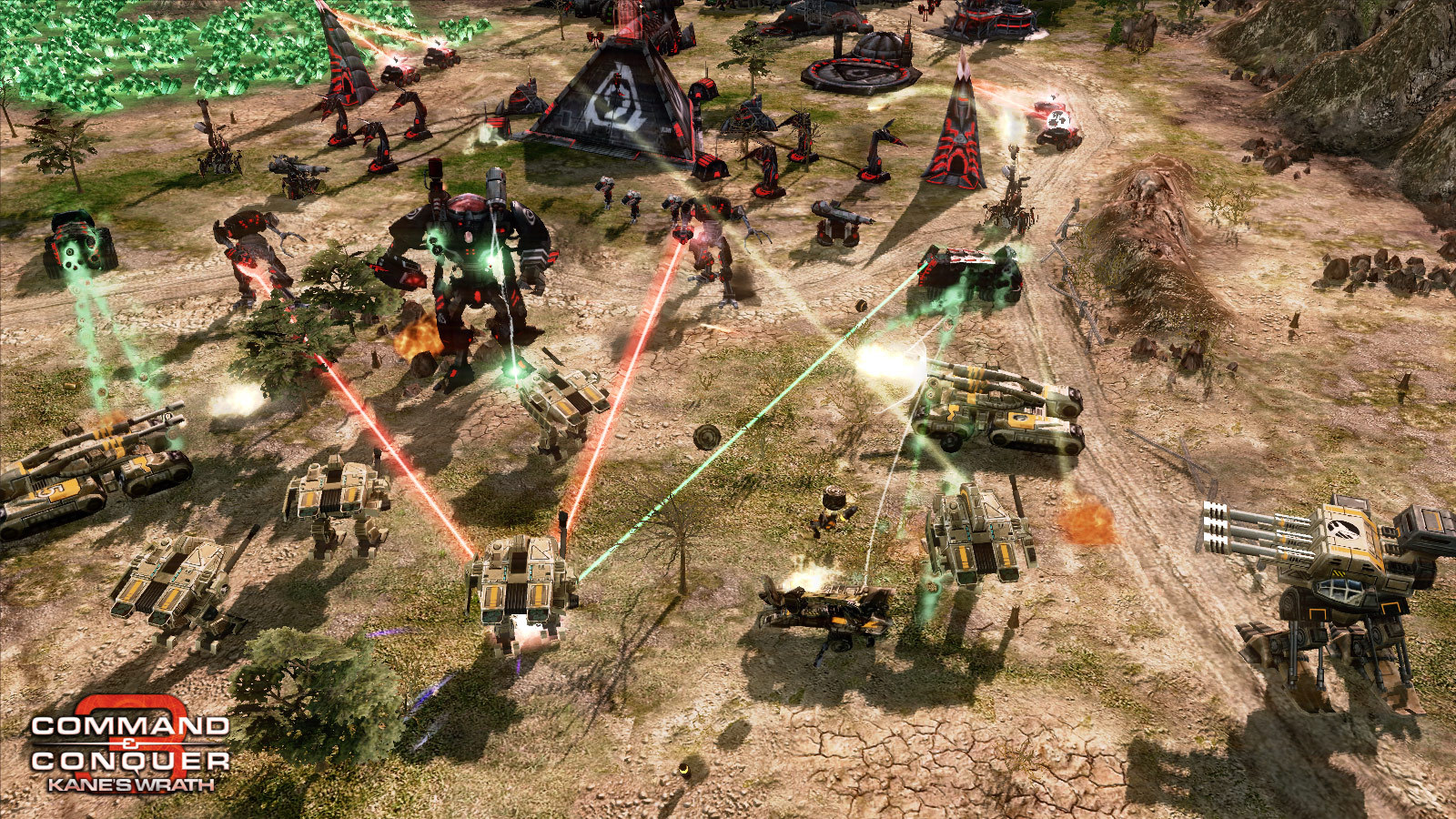
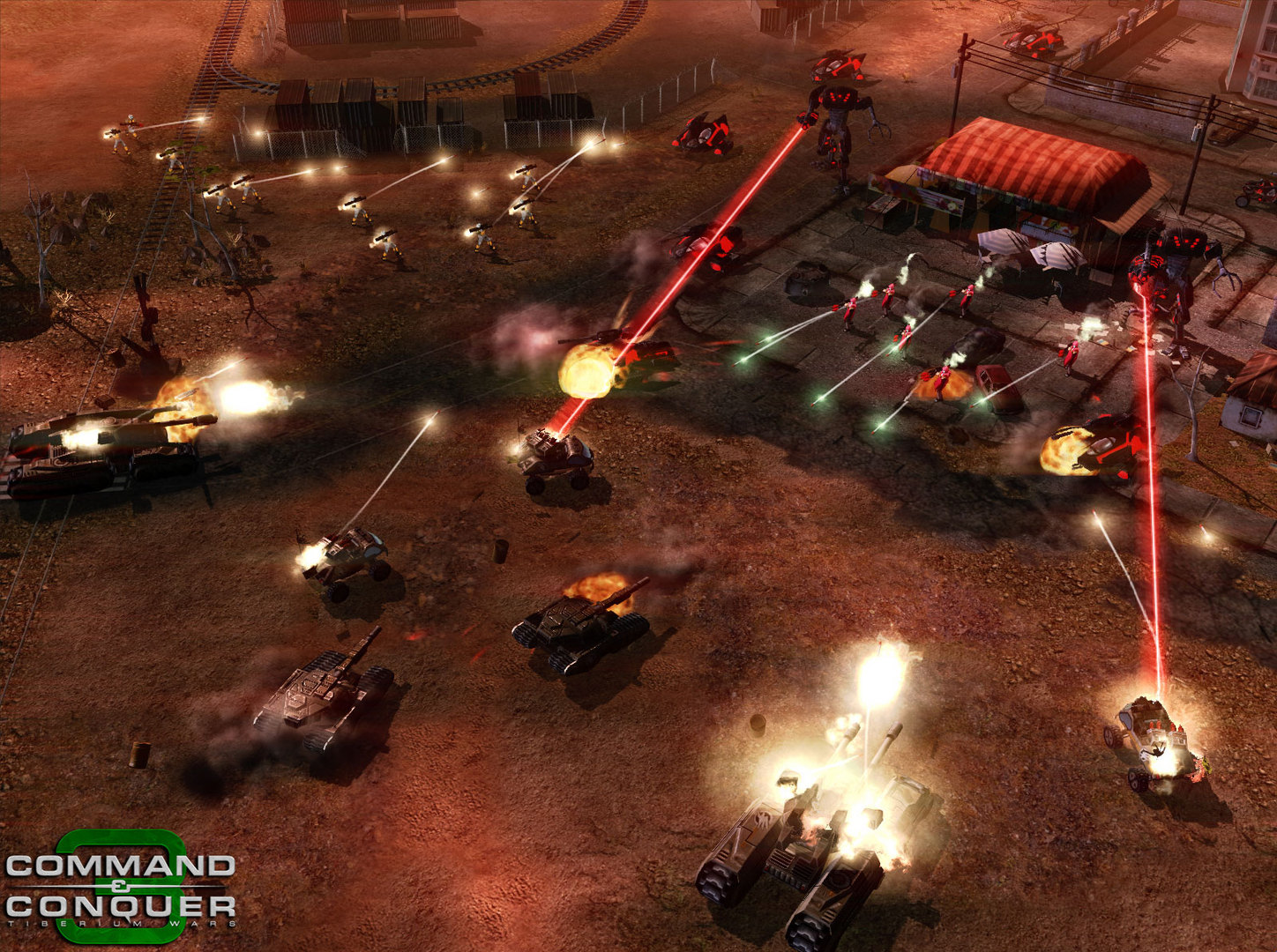
Command & Conquer 3: Tiberium Wars represented a significant leap in visual fidelity compared to its predecessors. Built upon the SAGE engine, it showcased improved graphics, detailed unit models, and expansive environments. The game’s art style aimed for a balance between realism and stylized aesthetics, creating visually appealing battlefields teeming with activity. While not pushing the absolute limits of contemporary hardware, the game delivered a polished visual experience that enhanced immersion. The developers focused on creating distinct visual identities for each faction, GDI’s sleek and modern designs contrasting sharply with Nod’s more imposing and secretive aesthetic. Environmental effects, such as Tiberium corruption and atmospheric conditions, played a crucial role in conveying the game’s narrative and setting.
Gameplay Mechanics and Core Systems

Command & Conquer 3: Tiberium Wars built upon established RTS conventions while introducing several innovations. The game retained core mechanics like base building, resource management, and unit production, but also incorporated elements from previous installments, such as garrisonable structures and neutral tech buildings. A key addition was the “veteran levels” system, where units gained experience and improved their combat effectiveness over time. Each faction possessed unique special powers, adding another layer of strategic depth to gameplay. The game offered both single-player campaigns for each faction and a robust multiplayer mode, catering to a wide range of player preferences. The introduction of Tiberium itself as a dynamic resource, influencing unit abilities and map conditions, added an interesting twist to the traditional RTS formula.
Level Design and World Atmosphere
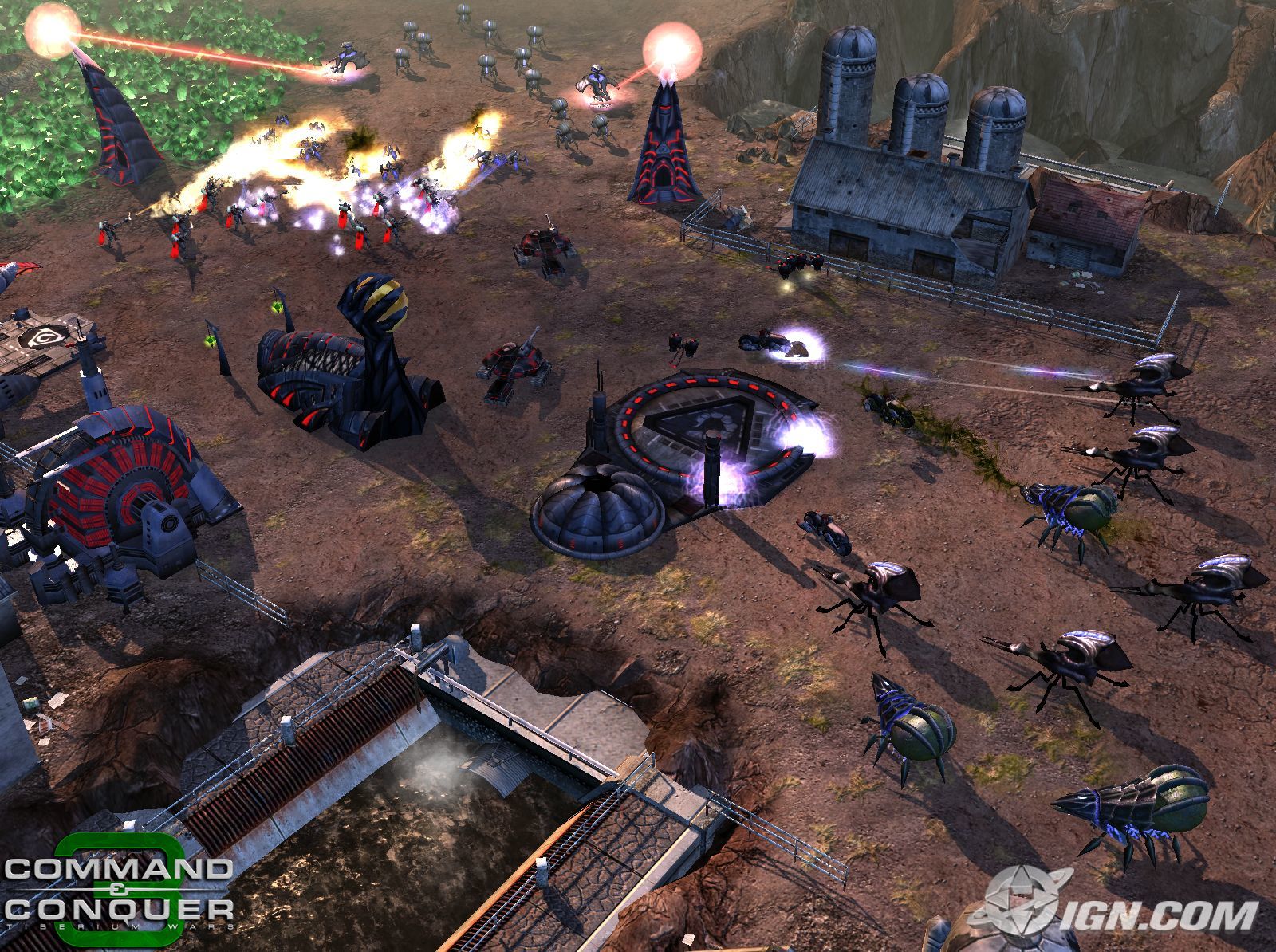
The game’s level design was crucial in establishing its unique atmosphere and conveying the narrative. Maps were meticulously crafted to reflect the impact of Tiberium contamination and the ongoing conflict between GDI and Nod. Environments ranged from sprawling urban landscapes to desolate, war-torn regions, each offering distinct tactical opportunities. The developers paid close attention to detail, incorporating environmental storytelling elements that enriched the overall experience. The inclusion of destructible environments added another layer of dynamism to battles, allowing players to shape the battlefield to their advantage.
Narrative Depth and Character Profiles
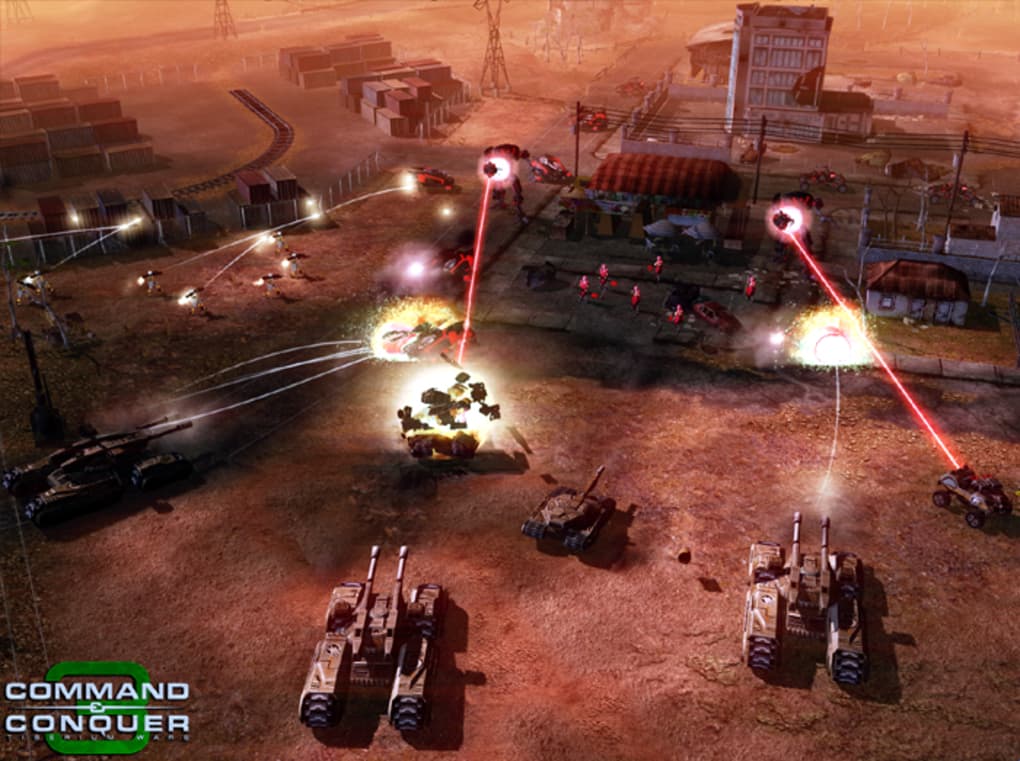
Command & Conquer 3: Tiberium Wars attempted to deliver a compelling narrative experience, exploring the motivations and ideologies of each faction. While the story received mixed reviews for its pacing and character development, it introduced new characters alongside familiar faces from the franchise’s history. The game explored themes of global conflict, environmental destruction, and the consequences of unchecked technological advancement. The single-player campaigns offered distinct perspectives on the ongoing war, allowing players to experience the conflict through the eyes of both GDI and Nod.
Sound Design and Acoustic Realism
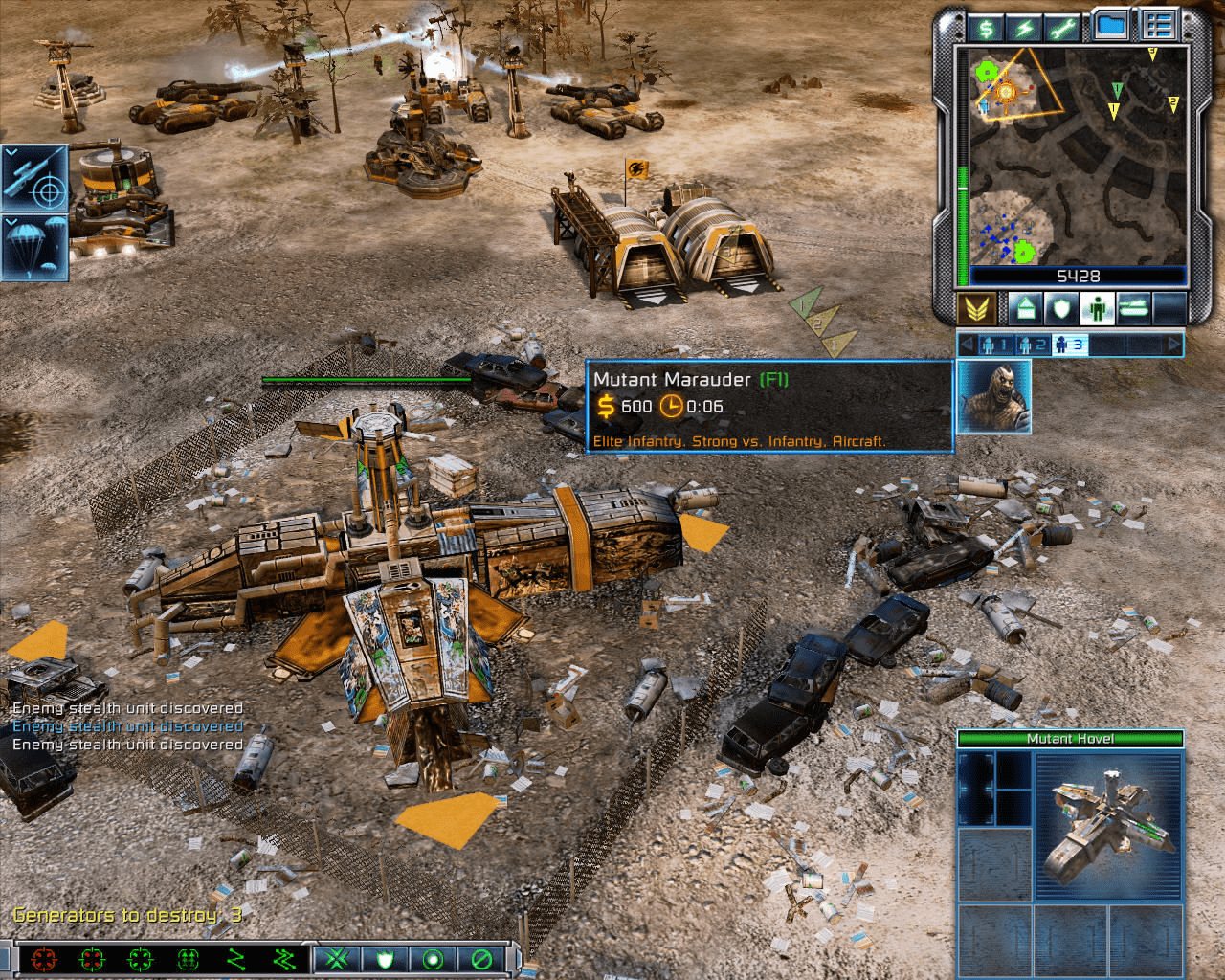
The sound design in Command & Conquer 3: Tiberium Wars played a vital role in enhancing immersion and conveying the intensity of battle. The game featured a dynamic soundtrack that adapted to the action on screen, creating a sense of urgency and excitement. Sound effects were meticulously crafted to accurately represent the sounds of weapons fire, explosions, and environmental destruction. Voice acting brought the characters to life, adding depth and personality to their interactions.
Release Expectations and Community Hype

Prior to its release, Command & Conquer 3: Tiberium Wars generated significant hype within the gaming community. Fans eagerly anticipated a new installment in the legendary franchise, hoping for innovative gameplay mechanics and a compelling narrative experience. The game’s trailers and previews showcased impressive visuals and promised a return to form for the series. However, some concerns were raised regarding the game’s reliance on established conventions and its departure from certain aspects of previous installments.
Conclusion: The Future of Command & Conquer 3: Tiberium Wars
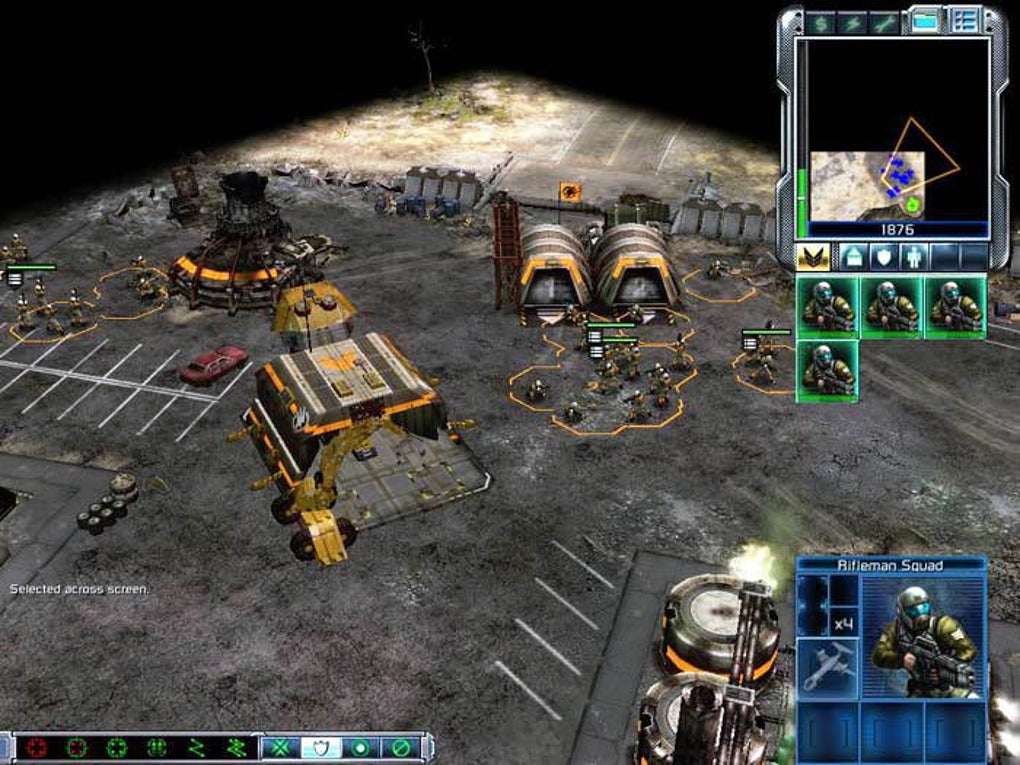
Command & Conquer 3: Tiberium Wars represented an ambitious attempt to modernize a beloved franchise while retaining its core identity. While it may not have achieved universal acclaim, it offered a solid RTS experience with engaging gameplay mechanics and a compelling narrative. The game’s legacy continues to be debated within the gaming community, but its impact on the genre is undeniable.
Source: Wikipedia