

About this game
Introduction: The Next Chapter for Titan Quest
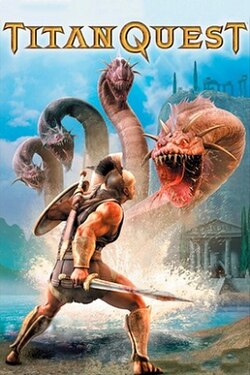
Titan Quest, a name synonymous with action RPG excellence, burst onto the scene in 2006. Developed by Iron Lore Entertainment and published by THQ, it quickly carved out its own niche, drawing comparisons to Diablo while forging a unique identity steeped in Greek mythology, Egyptian lore, and Chinese legends. This Masterclass Deep-Dive will dissect every facet of the game, from its groundbreaking (for the time) proprietary engine to its enduring appeal that continues to captivate players even today. We’s explore how Titan Quest not only met but exceeded expectations, setting a benchmark for action RPGs and leaving an indelible mark on the gaming landscape. The recent re-releases and expansions demonstrate the game’s continued relevance and the developer’s commitment to preserving its legacy.
Visual Direction and Graphics Engineering
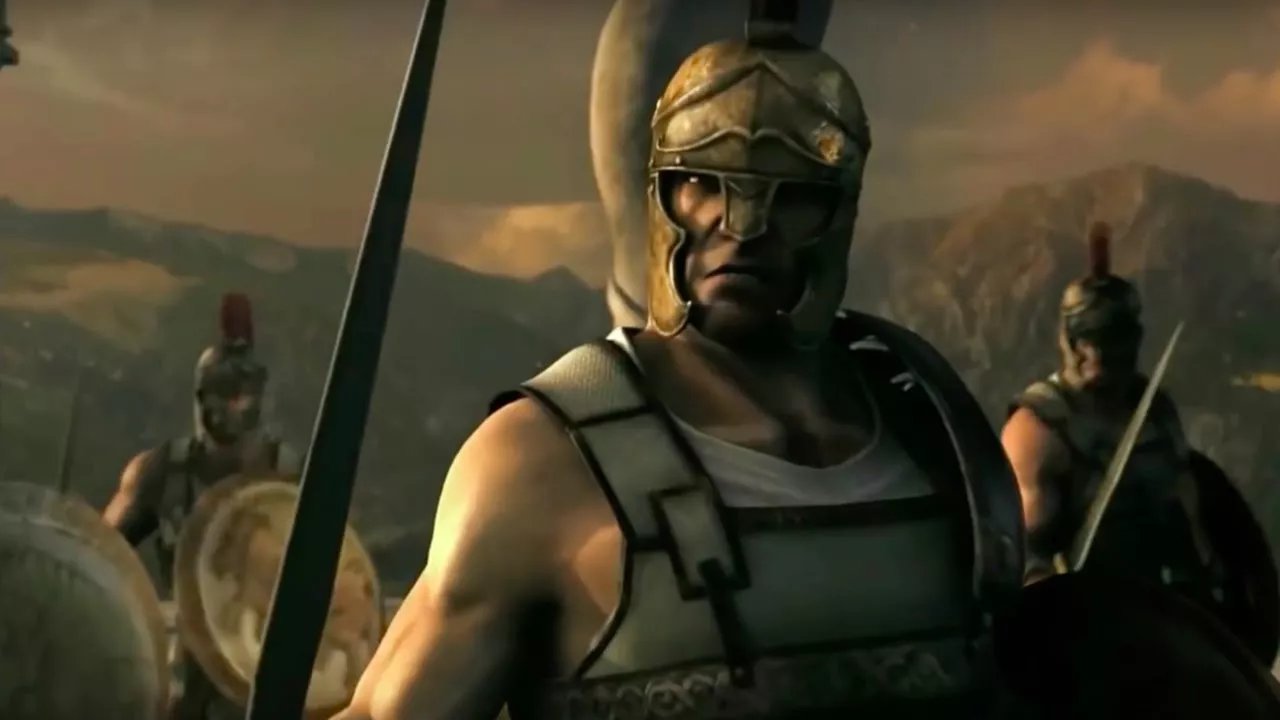
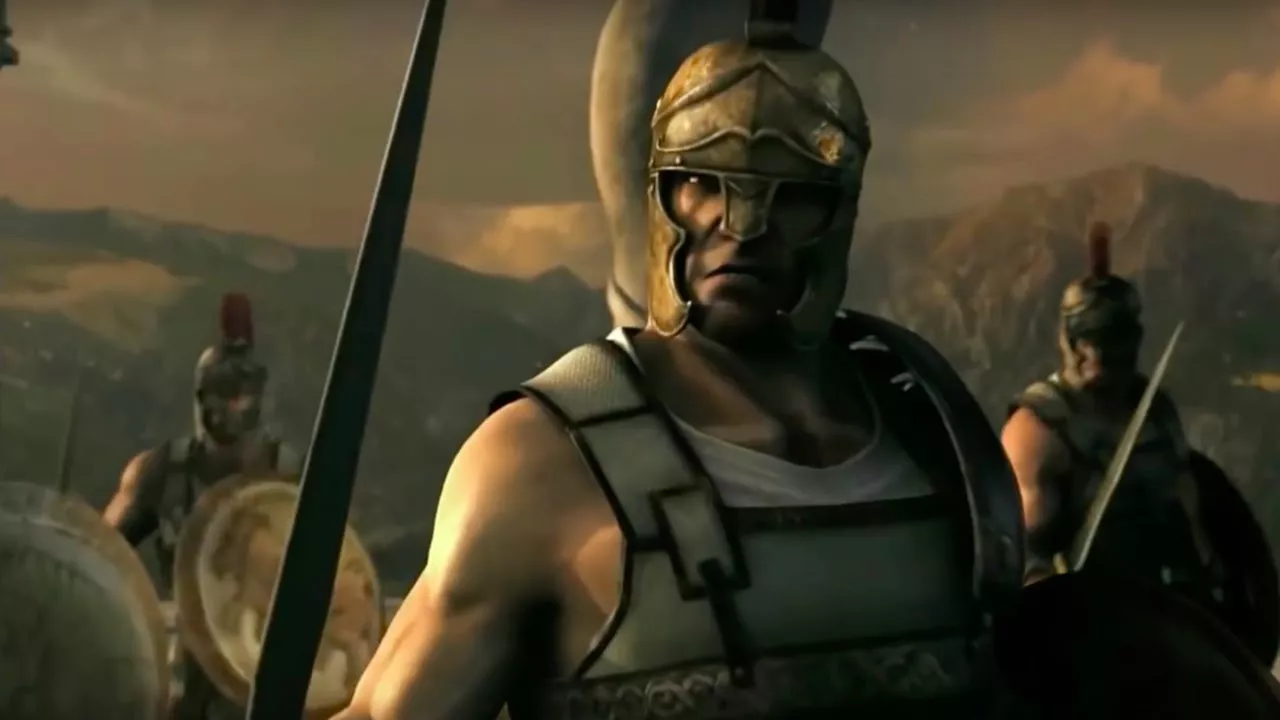
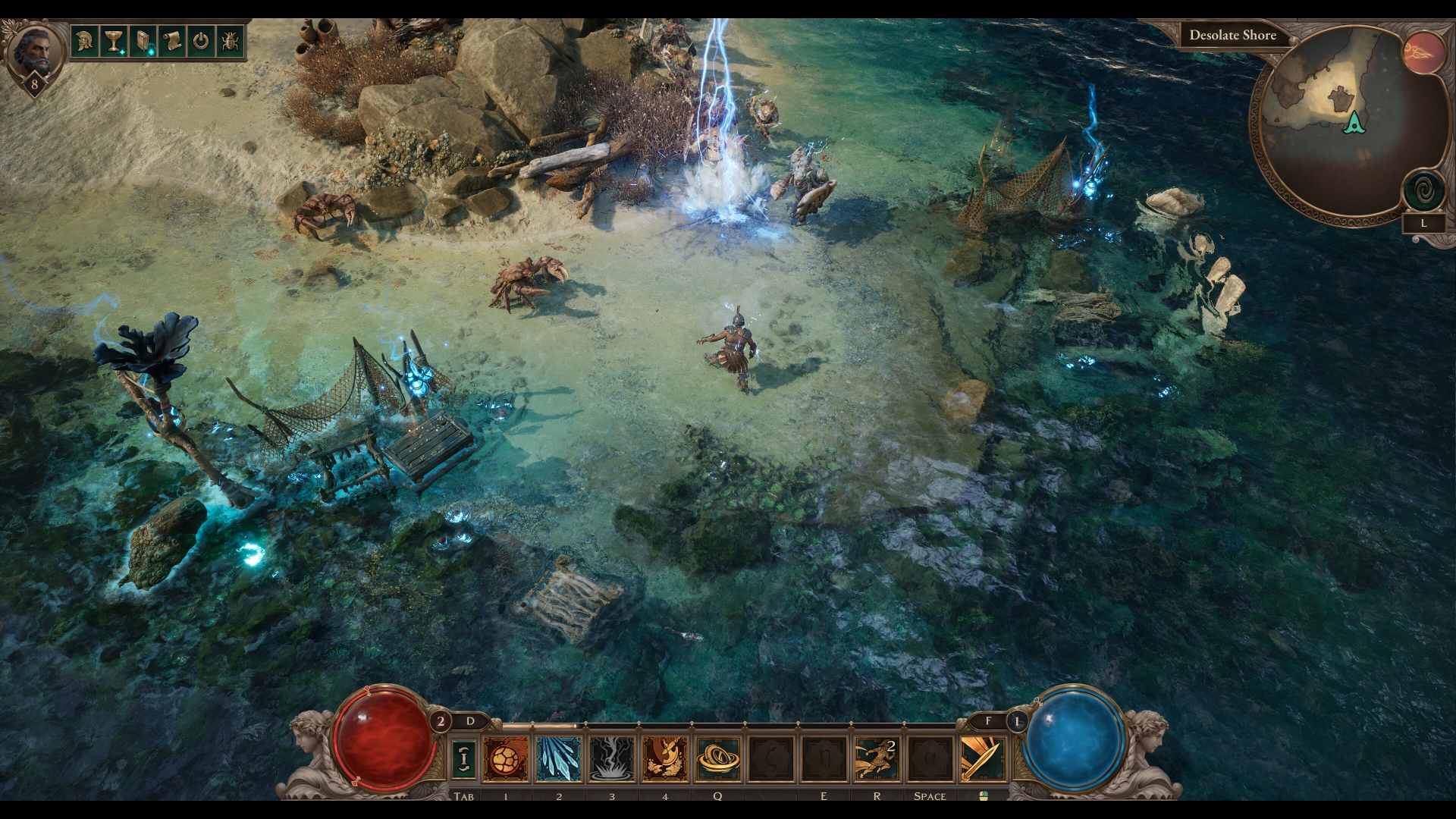
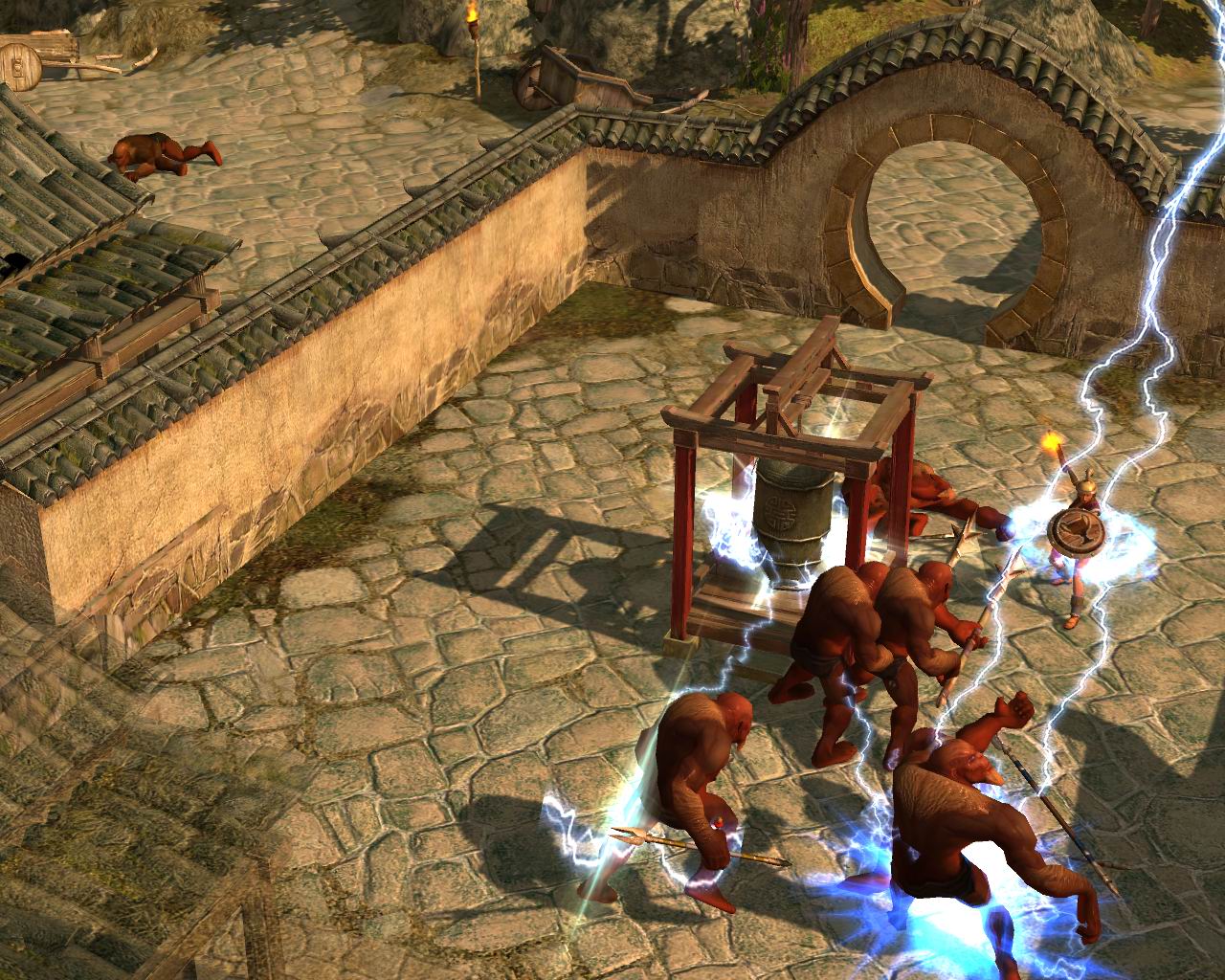
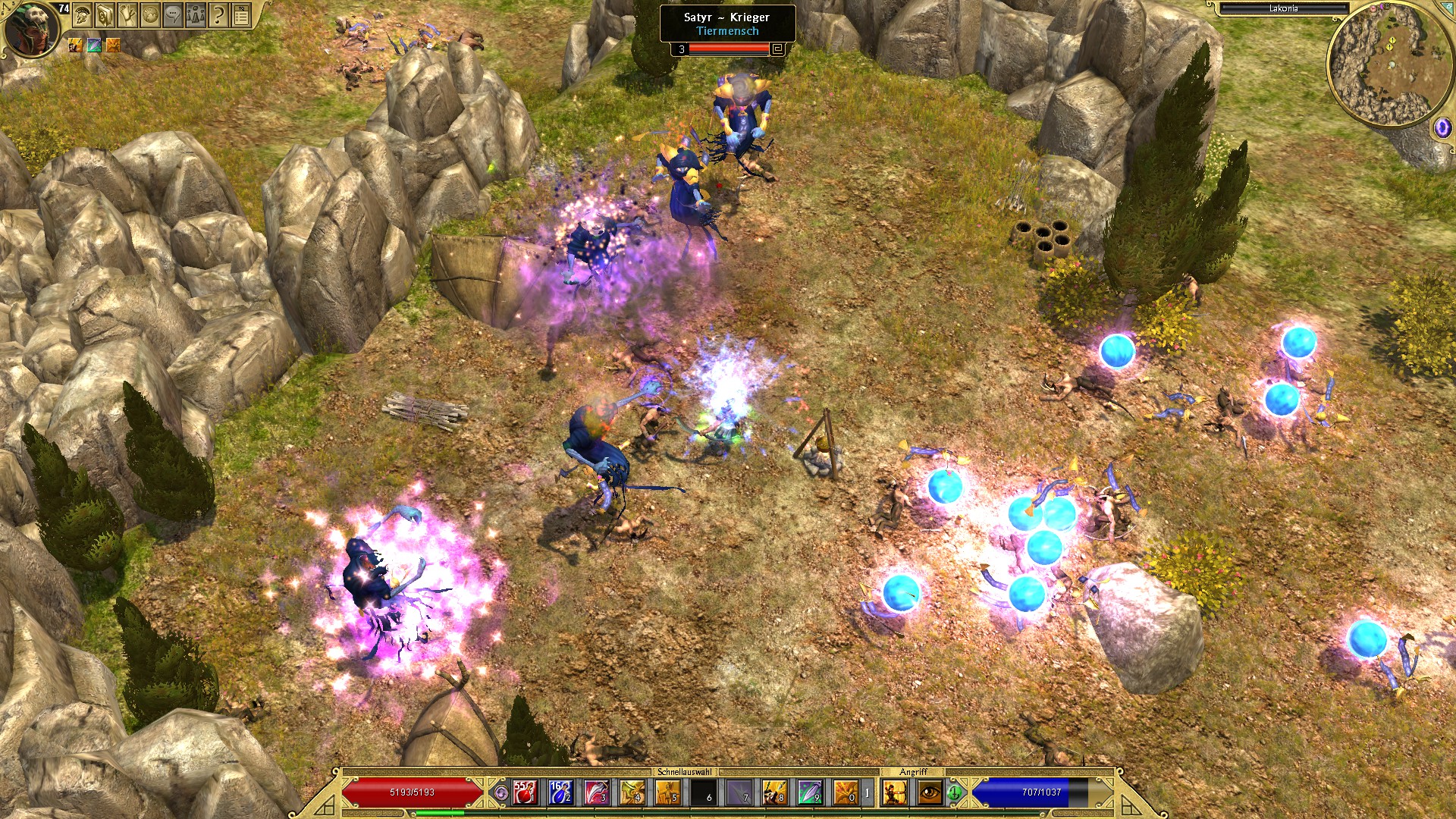
Titan Quest’s visual style was revolutionary for its time. While not boasting the hyper-realistic textures of modern titles, it utilized a vibrant color palette and detailed character models to create a visually appealing world. The game’s “Next-Gen Engine,” while proprietary, cleverly optimized performance across various hardware configurations. The isometric perspective allowed for intricate level design and showcased the vastness of the environments, from the sun-drenched landscapes of Greece to the mysterious tombs of Egypt. The visual effects, including spell animations and particle systems, added depth and impact to the combat encounters. While dated by today’s standards, the art style holds a certain charm that contributes to the game’s overall appeal. The developers prioritized artistic vision over raw graphical power, resulting in a visually coherent and memorable experience.
Gameplay Mechanics and Core Systems
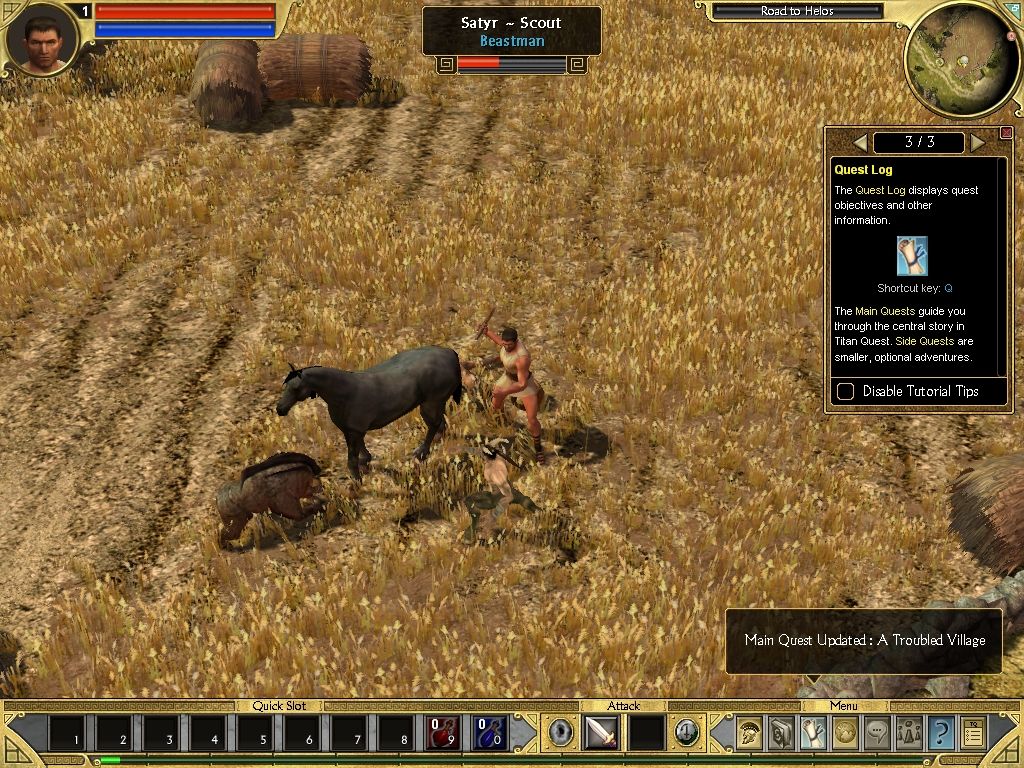
At its heart, Titan Quest is an action RPG built around core gameplay loops familiar to fans of the genre: character creation, skill progression, itemization, and combat. The game offered a diverse range of classes, each with unique abilities and playstyles, encouraging experimentation and replayability. The skill system was deep and rewarding, allowing players to customize their characters to suit their preferred approach. Itemization played a crucial role, with a vast array of weapons, armor, and accessories offering stat bonuses and special effects. Combat was fast-paced and engaging, requiring strategic positioning and skillful use of abilities. The game’s difficulty curve was well-balanced, providing a satisfying challenge for both casual and hardcore players. The introduction of multiplayer support further enhanced the gameplay experience, allowing players to team up and tackle challenging content together.
Level Design and World Atmosphere
Titan Quest’s level design is a masterclass in environmental storytelling. Each region, from the bustling cities of Greece to the desolate deserts of Egypt and the mystical landscapes of China, felt distinct and immersive. The environments were meticulously crafted, filled with hidden secrets, challenging puzzles, and intriguing characters. The game effectively used its isometric perspective to create a sense of scale and depth, allowing players to explore vast open areas and navigate intricate dungeon layouts. The level design wasn’s just about aesthetics; it was integral to the gameplay experience, offering opportunities for exploration, combat, and puzzle-solving. The atmosphere was palpable, enhanced by evocative music and sound effects that brought each region to life.
Narrative Depth and Character Profiles
While not a narrative-driven masterpiece in the vein of some RPGs, Titan Quest’s story provides a compelling backdrop for its gameplay. The overarching plot, involving the Titans’ escape from their prison and the player’s quest to stop them, is engaging enough to keep players motivated. The game features a cast of memorable characters, each with their own motivations and backstories. While some characters are more developed than others, they all contribute to the richness of the world. The narrative is delivered through dialogue sequences, cutscenes, and environmental storytelling, allowing players to piece together the events unfolding around them. The story serves as a framework for the gameplay, providing context and purpose to the player’s actions.
Sound Design and Acoustic Realism
Titan Quest’s sound design played a crucial role in creating an immersive experience. The game featured a sweeping orchestral score that perfectly complemented the environments and action sequences. Each region had its own unique musical theme, further enhancing the sense of place. The sound effects were equally impressive, ranging from the clashing of swords to the roar of mythical creatures. The audio cues provided valuable feedback to the player, alerting them to danger or highlighting important events. The voice acting, while not always top-tier, was generally well-executed and added personality to the characters. The overall sound design contributed significantly to the game’s atmosphere and helped to draw players into its world.
Release Expectations and Community Hype
Upon its release in 2006, Titan Quest was met with widespread critical acclaim and generated significant community hype. Players were drawn to its blend of action RPG gameplay, Greek mythology setting, and deep character customization options. The game quickly became a cult classic, praised for its addictive gameplay loop and replayability. The success of Titan Quest led to the development of several expansions, which added new content, classes, and regions to the game. The community surrounding Titan Quest remains active to this day, with players continuing to share their experiences, create mods, and discuss strategies. The recent re-releases and continued support from THQ Nordic demonstrate the enduring popularity of the game.
Conclusion: The Future of Titan Quest
Titan Quest stands as a testament to the power of innovative gameplay, compelling world-building, and a dedicated development team. Its influence can be seen in countless action RPGs that followed, solidifying its place as a true classic. The game’s enduring popularity is a reflection of its timeless appeal and the strong community that has embraced it over the years. While technological advancements have rendered some aspects of the game outdated, its core gameplay loop remains addictive and rewarding. The future of Titan Quest looks bright, with continued support from THQ Nordic ensuring that players can continue to experience this iconic action RPG for years to come.
The recent re-releases and expansions demonstrate a commitment to preserving the legacy of this beloved game.
Source: Wikipedia
Gallery


.jpg)
Join the conversation