

About this game
Introduction: The Next Chapter for Rome: Total War
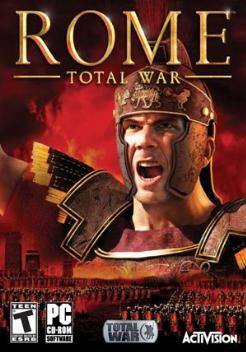
Rome: Total War, a cornerstone title in Creative Assembly’s acclaimed Total War series, originally stormed onto the scene in 2004. This strategic masterpiece transports players to the heart of ancient history, allowing them to command legions, manage empires, and shape the destiny of Rome itself. While the original game remains a beloved classic, whispers of a potential “next chapter” have ignited fervent speculation within the gaming community. What could this new iteration hold? Will it be a full-fledged sequel, a comprehensive remaster, or something entirely different? The anticipation is palpable as fans eagerly await news from Creative Assembly. This deep dive will explore the legacy of Rome: Total War and speculate on the possibilities for its future.
Visual Direction and Graphics Engineering
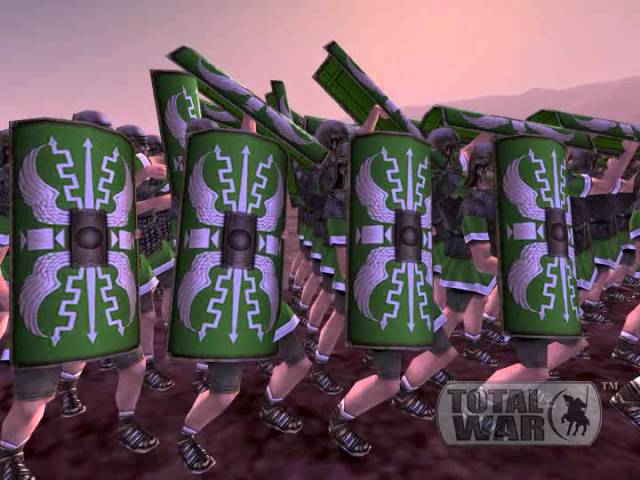
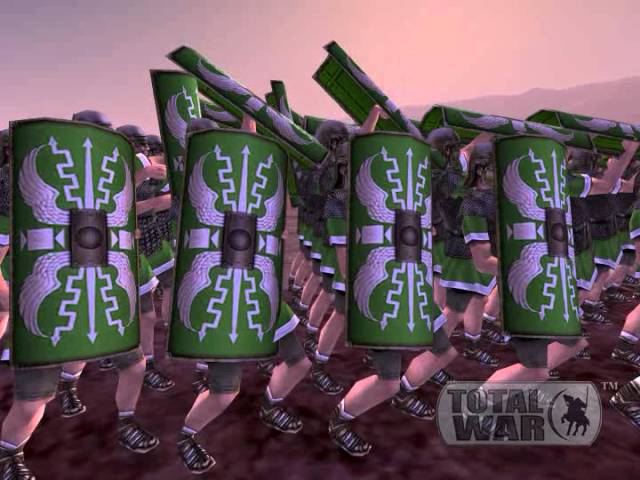
The original Rome: Total War, while groundbreaking for its time, naturally shows its age in terms of visual fidelity. The unit models, terrain textures, and overall graphical presentation have been surpassed by advancements in graphics engine technology over the intervening years. A potential “next chapter” would undoubtedly benefit from a complete overhaul of the game’s visuals. This could involve migrating to a modern rendering pipeline, incorporating physically-based rendering (PBR) for more realistic materials, and implementing advanced techniques like dynamic lighting and volumetric fog to enhance immersion. Furthermore, higher resolution textures and improved animation systems would bring the legions of Rome to life with unprecedented detail. The challenge lies in balancing visual enhancements with maintaining the distinctive art style that defines the Total War series.
Gameplay Mechanics and Core Systems
The core gameplay loop of Rome: Total War – a compelling blend of strategic campaign management and real-time tactical battles – remains incredibly engaging even today. However, there’s always room for refinement and innovation. A potential sequel or remaster could introduce new mechanics to the campaign map, such as more dynamic political systems, deeper economic simulations, and expanded diplomatic options. In battle, improvements to unit AI, a wider variety of unit types representing different cultures and military doctrines, and enhanced battlefield physics would elevate the tactical experience. The original game’s focus on historical accuracy could be further emphasized with more detailed research into Roman warfare and societal structures.
Level Design and World Atmosphere
The scale and scope of Rome: Total War’s map are truly impressive, encompassing a vast swathe of the ancient world. A “next chapter” would likely expand upon this, potentially including previously unexplored regions or offering more detailed representations of key historical locations like Rome itself, Alexandria, and Carthage. The level design for battles could also be enhanced with more varied terrain features, destructible environments, and dynamic weather effects to create a more immersive and unpredictable battlefield experience. Furthermore, incorporating elements of procedural generation could allow for the creation of unique and challenging battle scenarios.
Narrative Depth and Character Profiles
While Rome: Total War provides a broad historical canvas, individual character development is somewhat limited. A potential sequel or expansion could delve deeper into the lives of key historical figures like Julius Caesar, Pompey, and Spartacus, providing players with more opportunities to interact with these characters and influence their destinies. This could involve incorporating branching narratives, dialogue choices that impact relationships, and even playable campaigns focused on specific individuals or factions. The inclusion of historically accurate events and challenges would further enhance the narrative depth and provide a richer understanding of the Roman world.
Sound Design and Acoustic Realism
The original Rome: Total War featured an iconic soundtrack that perfectly captured the grandeur and drama of ancient Rome. A “next chapter” would undoubtedly benefit from a completely revamped audio landscape, incorporating higher-quality sound effects for weapons, armor, and environmental elements. Furthermore, implementing advanced audio techniques like positional audio and dynamic mixing could create a more immersive and realistic battlefield experience. The inclusion of authentic Roman instruments and vocal performances would further enhance the sense of historical accuracy.
Release Expectations and Community Hype
The gaming community’s anticipation for a potential “next chapter” in the Rome: Total War series is palpable. Rumors, speculation, and fan-made content abound online, fueled by occasional hints from Creative Assembly and Sega. The expectations are high, with players hoping for a game that not only honors the legacy of the original but also pushes the boundaries of what’s possible in the strategy genre. A successful release would require careful attention to detail, a commitment to historical accuracy, and a willingness to innovate while staying true to the core values that define the Total War series.
Conclusion: The Future of Rome: Total War
The future of Rome: Total War remains uncertain, but the enduring popularity of the original game suggests that there’s still plenty of potential for a “next chapter.” Whether it takes the form of a full-fledged sequel, a comprehensive remaster, or something entirely new, any iteration would need to balance respecting the legacy of the original with embracing modern gaming technology and design principles. The challenge lies in creating an experience that is both faithful to history and engaging for contemporary audiences. Only time will tell what Creative Assembly has in store, but one thing is certain: the legions of Rome are poised to march once again.
Source: Wikipedia
Gallery

Join the conversation