

About this game
Introduction: The Next Chapter for True Crime: Streets of LA
“True Crime: Streets of LA,” released in 2003 by Luxoflux and published by Activision, represents a pivotal moment in open-world action-adventure gaming. More than just a game, it’s an interactive experience that immerses players in the gritty underbelly of Los Angeles, challenging them to navigate complex moral dilemmas as Detective Nicholas Kang. This Masterclass Deep-Dive will dissect every facet of “True Crime: Streets of LA,” from its groundbreaking engine and detailed world design to its compelling narrative and lasting impact on the gaming landscape. We’re not just reviewing a game; we’re analyzing a cultural artifact that continues to resonate with players today.
Visual Direction and Graphics Engineering
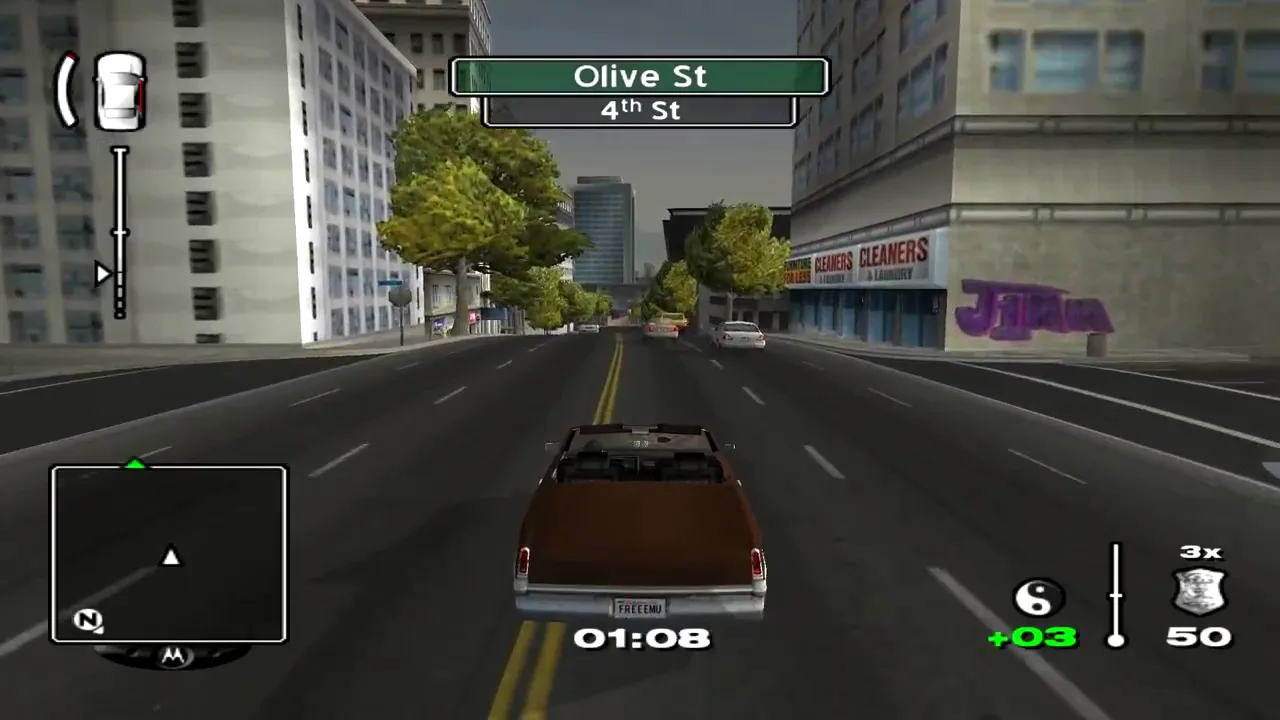
The visual direction in “True Crime: Streets of LA” was ambitious for its time. While limited by the hardware capabilities of the GameCube, PlayStation 2, and Xbox, Luxoflux managed to create a sprawling recreation of Los Angeles, encompassing over 240 square miles. The proprietary Next-Gen Engine, though not explicitly detailed in publicly available documentation, likely leveraged advanced techniques like level streaming and procedural generation to achieve this impressive scale. shows an early screenshot highlighting the game’s attempt at realistic lighting and environmental detail. While textures may appear dated by modern standards, the overall sense of place is undeniable, thanks in part to careful attention paid to architectural styles and geographical landmarks. The engine’s ability to handle a city of this size was a technical marvel, pushing the boundaries of what was possible on contemporary hardware.
Gameplay Mechanics and Core Systems
“True Crime: Streets of LA” distinguishes itself through its blend of open-world exploration, action-packed combat, and investigative gameplay. Players assume the role of Detective Nicholas Kang, navigating a complex web of criminal activity while uncovering a personal connection to his past. The game features a robust wanted system, reactive AI for both pedestrians and criminals, and a wide array of weapons and vehicles. The driving mechanics, though somewhat arcade-like, are essential for traversing the vast cityscape. A key element is the “Elite Operations Division,” which provides players with specialized equipment and missions, adding depth to the gameplay experience. The game’s core systems, including its morality system (which influences NPC reactions) and its investigative tools, contribute significantly to the overall immersive quality.
Level Design and World Atmosphere
The level design in “True Crime: Streets of LA” is a masterclass in creating a believable and engaging urban environment. From the bustling streets of Beverly Hills to the gritty back alleys of Chinatown, each district possesses a distinct atmosphere and visual identity. Landmarks are meticulously recreated, adding authenticity to the experience. The game’s open-world structure allows players to explore at their own pace, discovering hidden locations and encountering random events that contribute to the overall sense of realism. showcases the diverse environments found within the game, highlighting the attention to detail in recreating iconic Los Angeles locales.
Narrative Depth and Character Profiles
The narrative depth is a cornerstone of “True Crime: Streets of LA.” Players are drawn into Detective Kang’s personal journey as he investigates a series of bombings while grappling with the disappearance of his father. The supporting cast, including fellow officers and criminal informants, adds layers of complexity to the story. The game explores themes of corruption, justice, and redemption, offering players meaningful choices that impact the narrative outcome. The writing team, comprised of Peter Morawiec, Micah Linton, Marc Goff, Richie Porter, and Yael Swerdlow, crafted a compelling storyline that resonated with players long after they finished the main campaign.
Sound Design and Acoustic Realism
The sound design in “True Crime: Streets of LA” is crucial to creating an immersive experience. Ambient sounds, such as traffic noise and police sirens, fill the city, while carefully composed music sets the tone for each scene. The voice acting, though occasionally uneven, adds personality to the characters. Sean Murray’s score perfectly complements the game’s atmosphere, enhancing the sense of tension and drama. The sound effects, from gunshots to car crashes, are impactful and contribute significantly to the overall realism.
Release Expectations and Community Hype
Prior to its release in 2003, “True Crime: Streets of LA” generated considerable hype within the gaming community. Activision’s marketing campaign emphasized the game’s open-world scope, realistic setting, and compelling narrative. The promise of a vast and detailed recreation of Los Angeles captivated players eager for an immersive crime drama experience. While initial reviews were mixed, with some criticizing the gameplay mechanics, the overall positive reception and strong sales figures demonstrated the game’s enduring appeal.
shows a retrospective look at the game’s launch and its impact on the gaming industry.
Conclusion: The Future of True Crime: Streets of LA
“True Crime: Streets of LA” remains a landmark title in open-world action-adventure gaming. Its ambitious scope, detailed world design, and compelling narrative established a new standard for immersive crime dramas. While technical limitations may be apparent to modern players, the game’s enduring appeal lies in its ability to transport players to a believable and engaging recreation of Los Angeles. The legacy of “True Crime: Streets of LA” continues to inspire developers and captivate players, solidifying its place as a true classic.
Source: Wikipedia
Gallery


Join the conversation