

About this game
Introduction: The Next Chapter for Virtua Fighter 4
Virtua Fighter 4 arrived in arcades as a significant leap forward, not just an incremental update. Developed by Sega AM2 under the watchful eye of Yu Suzuki and Daichi Katagiri, it represented a refinement of the core Virtua Fighter experience while introducing innovations that would influence fighting games for years to come. This installment aimed to bridge the gap between arcade perfection and accessible home console play, a challenge met with varying degrees of success depending on the platform. The legacy of its predecessors is palpable, yet VF4 confidently carves out its own identity within the series.
Visual Direction and Graphics Engineering
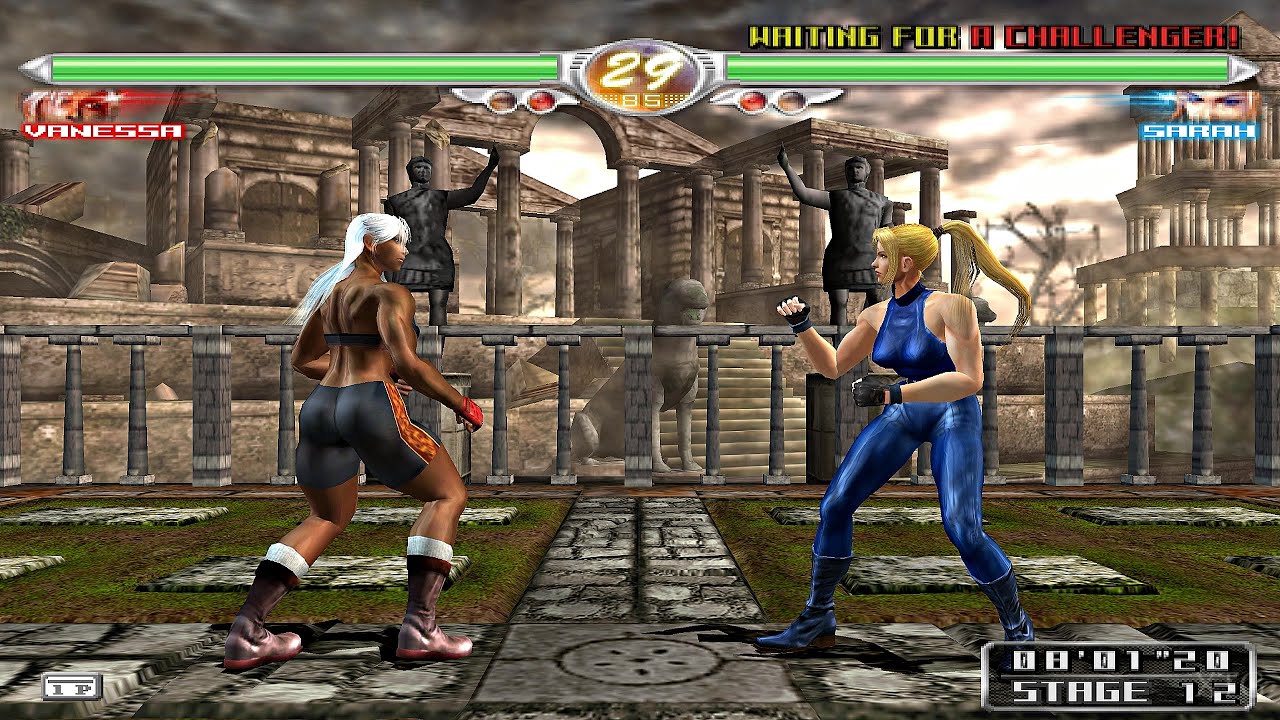
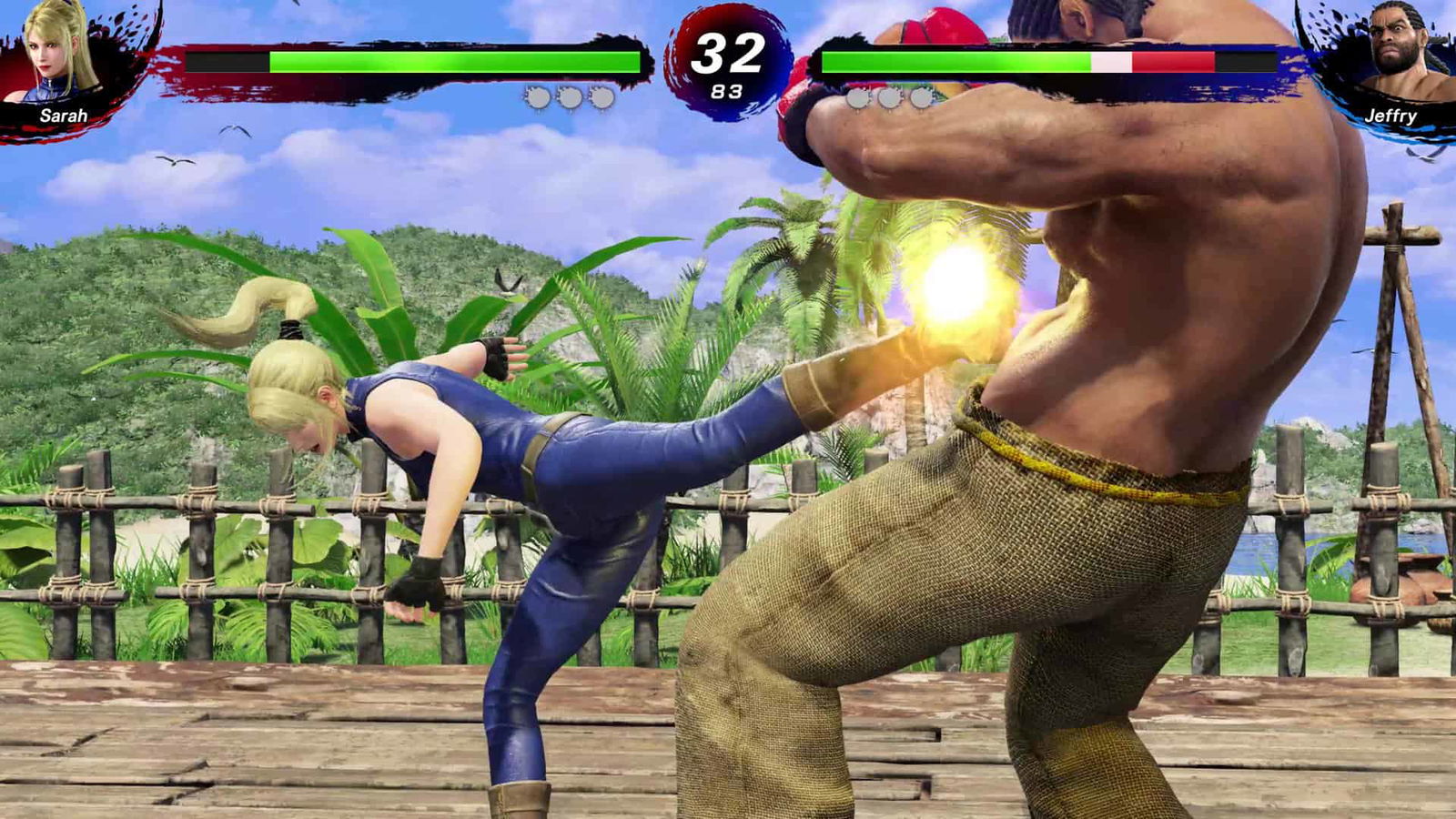
VF4’s visual direction prioritized clean character models and dynamic animations over excessive polygon counts. While limited by the technology of the time (NAOMI 2 arcade board), the game achieved a remarkable level of detail and fluidity. The environments, though relatively simple in design, were carefully crafted to enhance the sense of depth and immersion. showcases the character models; note the attention to detail in clothing textures and facial expressions. The transition from arcade to PlayStation 2 resulted in some compromises, including reduced polygon counts and texture resolution. However, the core visual identity remained intact, preserving the distinctive look and feel of the arcade original.
Gameplay Mechanics and Core Systems
The gameplay mechanics in VF4 represent a significant evolution of the Virtua Fighter formula. The evasion system was overhauled, removing the single “evade” button and splitting it into successful and unsuccessful evades. This added a layer of complexity and risk-reward to defensive play. The throw escape mechanic, previously an advanced technique, became more accessible while retaining its strategic importance. A new move type, the “Sabaki,” was introduced, adding further depth to the combat system. Mastering these mechanics required practice and precision, rewarding players who dedicated themselves to learning the intricacies of the game.
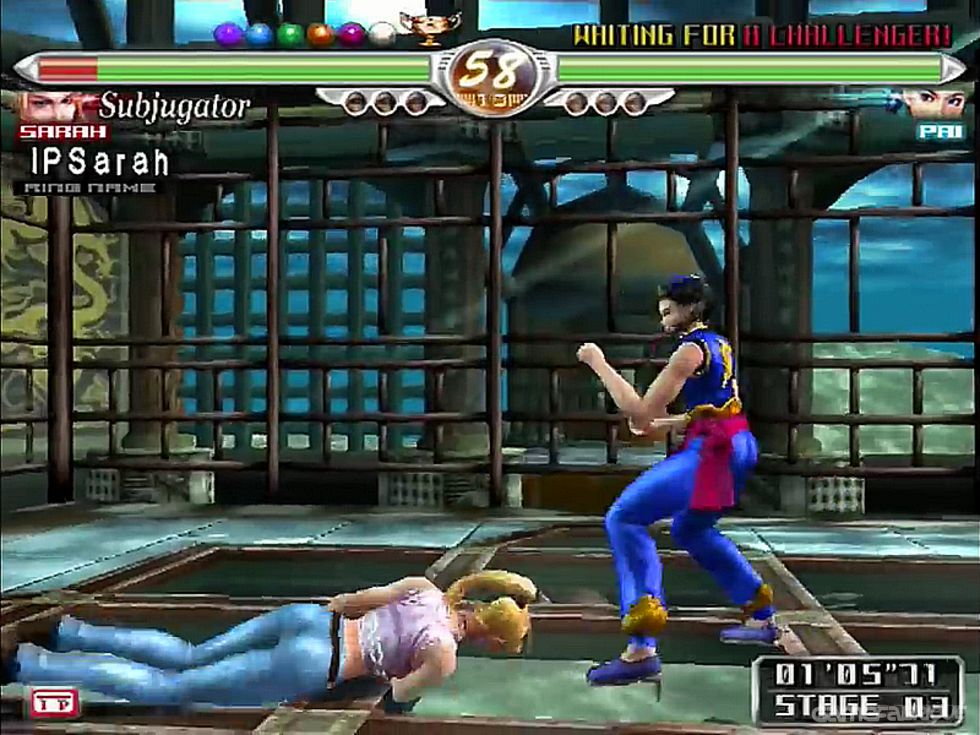
demonstrates the updated evasion system in action.
Level Design and World Atmosphere
The level design in VF4 is characterized by its simplicity and functionality. Each stage provides a distinct visual theme while maintaining a clear focus on gameplay. The environments are designed to be visually appealing without being distracting, ensuring that players can maintain their concentration on the action. While not as expansive or detailed as some later fighting game stages, the levels effectively contribute to the overall atmosphere of the game.
Narrative Depth and Character Profiles
While Virtua Fighter games have never been known for their complex narratives, VF4 does offer a degree of character development and backstory. Each fighter has their own motivations and relationships with other characters, adding a layer of depth to the experience. The story mode allows players to explore these connections and learn more about the world of Virtua Fighter.
Sound Design and Acoustic Realism
The sound design in VF4 is crucial to its immersive quality. The impact sounds of punches and kicks are visceral and satisfying, while the background music effectively sets the tone for each stage. The voice acting, though limited, adds personality to the characters. The overall audio experience contributes significantly to the game’s sense of realism and excitement.
Release Expectations and Community Hype
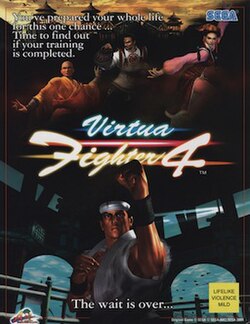
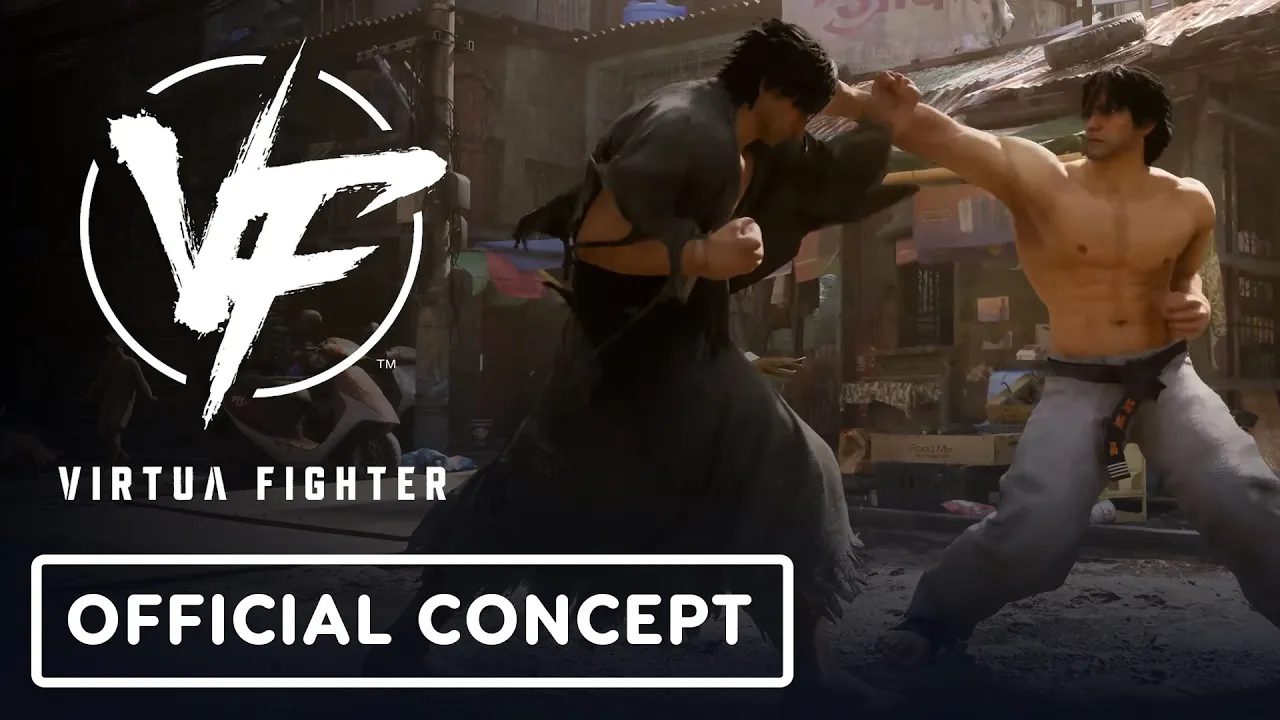
The release of Virtua Fighter 4 was met with considerable anticipation within the fighting game community. Fans were eager to see how Sega AM2 would build upon the success of its predecessors, and VF4 largely delivered on those expectations. The arcade version quickly became a staple in arcades around the world, while the PlayStation 2 port offered a more accessible way for players to experience the game at home. captures the excitement surrounding the game’s release.
Conclusion: The Future of Virtua Fighter 4
Virtua Fighter 4 remains a landmark title in the fighting game genre, representing a significant step forward in both gameplay and presentation. While it may not have achieved the mainstream popularity of some other fighting games, its influence can still be felt today. Its legacy continues to inspire developers and players alike, ensuring that Virtua Fighter’s place in gaming history is secure. symbolizes the enduring appeal of the series.
Source: Wikipedia
Gallery




Join the conversation