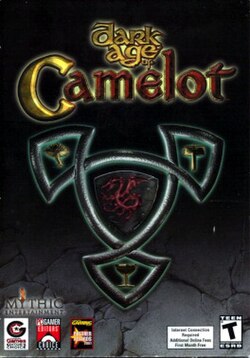
Introduction: The Next Chapter for Dark Age of Camelot
Dark Age of Camelot (DAC), a landmark title in the massively multiplayer online role-playing game (MMORPG) genre, holds a special place in gaming history. Released in 2001, DAC distinguished itself with its unique Realm vs. Realm (RvR) combat system and blend of Arthurian, Norse, and Celtic mythologies. While development has seen transitions from Mythic Entertainment to Broadsword Online Games, the core essence of DAC remains captivating. The recent announcement of a "progression" server focusing on original content promises a renewed focus on what made the game so beloved, offering both nostalgia for veterans and an accessible entry point for new players. This Masterclass Deep-Dive will explore the key elements that defined Dark Age of Camelot's success and examine its enduring legacy.
Visual Direction and Graphics Engineering
Dark Age of Camelot launched during a pivotal era in gaming graphics. While not pushing the boundaries of visual fidelity by today's standards, DAC’s art style effectively conveyed the gritty realism of medieval warfare and the fantastical elements woven into its world. The character models, though somewhat blocky, possessed distinct features that helped differentiate classes and races. Environment design was crucial to establishing atmosphere; from the lush forests of Midgard to the imposing castles of Camelot, each realm felt unique. The NetImmerse engine, while limited compared to modern engines, allowed for a degree of environmental detail that contributed significantly to the game's immersive quality. (Example: Screenshot showcasing a castle environment in DAC).Gameplay Mechanics and Core Systems
The heart of Dark Age of Camelot lies in its Realm vs. Realm (RvR) combat system. Players aligned with one of three realms – Midgard, Hibernia, and Camelot – constantly battled for control of territories and resources. This constant warfare created a dynamic and unpredictable gameplay experience. The class system offered diverse playstyles, from heavily armored warriors to agile rogues and powerful mages. Crafting played a vital role in character progression, allowing players to create weapons, armor, and potions. The "shrine" mechanic, where players could capture and defend shrines for realm dominance, was a key element of the RvR experience.Level Design and World Atmosphere
The level design in Dark Age of Camelot was carefully crafted to support both PvE (Player vs. Environment) content and RvR battles. Each realm offered a variety of environments, from sprawling forests and treacherous swamps to imposing castles and underground dungeons. The careful placement of resources, enemy camps, and strategic locations encouraged exploration and interaction between players. The atmosphere was enhanced by the use of ambient sounds, music, and visual cues that reflected the unique characteristics of each realm.Narrative Depth and Character Profiles
While not as heavily narrative-driven as some modern RPGs, Dark Age of Camelot offered a compelling backstory rooted in Arthurian legend, Norse mythology, and Celtic folklore. The conflict between the three realms provided a constant source of tension and intrigue, while individual character stories added depth to the overall experience. While specific named characters might not have been as prominent as in other games, the lore surrounding each realm and its history was richly detailed.Sound Design and Acoustic Realism
The sound design in Dark Age of Camelot played a crucial role in creating an immersive atmosphere. The clashing of swords, the roar of dragons, and the cries of battle all contributed to the sense of realism and danger. Ambient sounds, such as wind rustling through trees or water flowing in streams, further enhanced the feeling of being present in the game world. Music was used effectively to underscore key moments and create a sense of epic scale.Release Expectations and Community Hype
The announcement of the "progression" server has generated significant excitement within the Dark Age of Camelot community. Players are eager to relive the original experience, while newcomers have an opportunity to discover what made the game so beloved. The focus on content from the original release and the Shrouded Isles expansion promises a return to the core gameplay that defined DAC's success. This renewed focus is expected to attract both veteran players and new audiences alike.Conclusion: The Future of Dark Age of Camelot
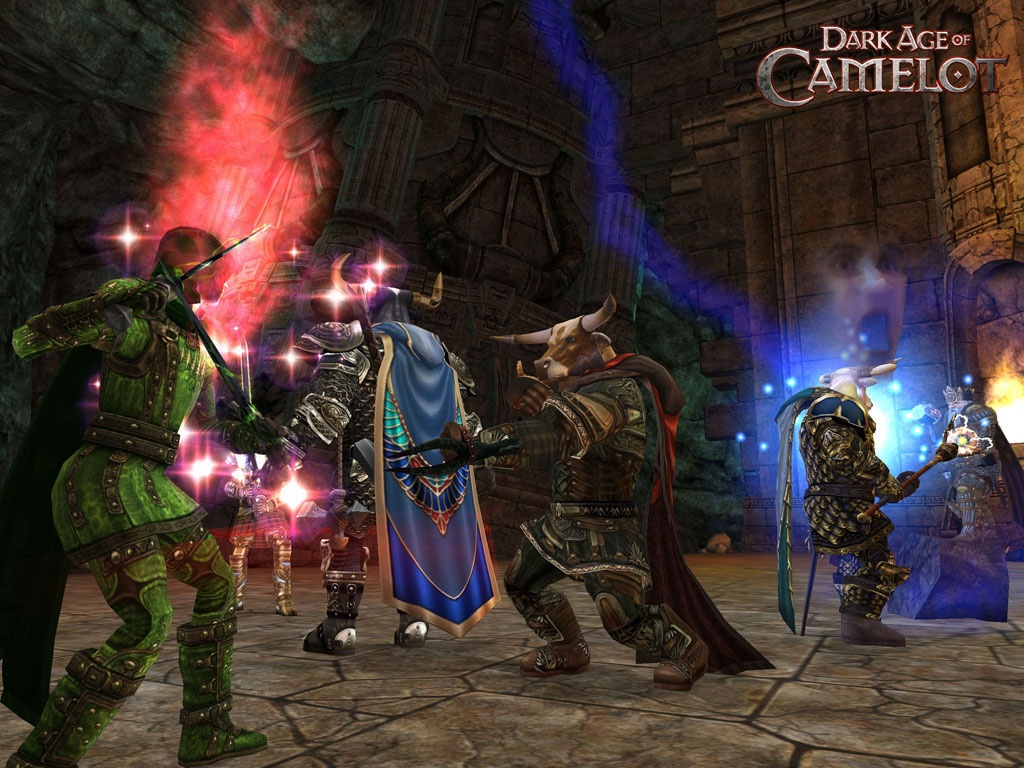
Dark Age of Camelot remains a significant title in MMORPG history, renowned for its innovative Realm vs. Realm combat system and unique blend of mythology. The upcoming "progression" server represents an opportunity to preserve the legacy of DAC while introducing it to a new generation of players. By focusing on the core gameplay that defined the original release, this initiative has the potential to reignite interest in Dark Age of Camelot and ensure its continued relevance in the gaming landscape. (Example: Screenshot showcasing RvR combat). (Example: Trailer for the "progression" server).
Source: Wikipedia
Google Preferred Source
Add us to your favorite news sources on Google
Get instant updates and breaking news directly in Google News