Introduction: The Next Chapter for F1 2002

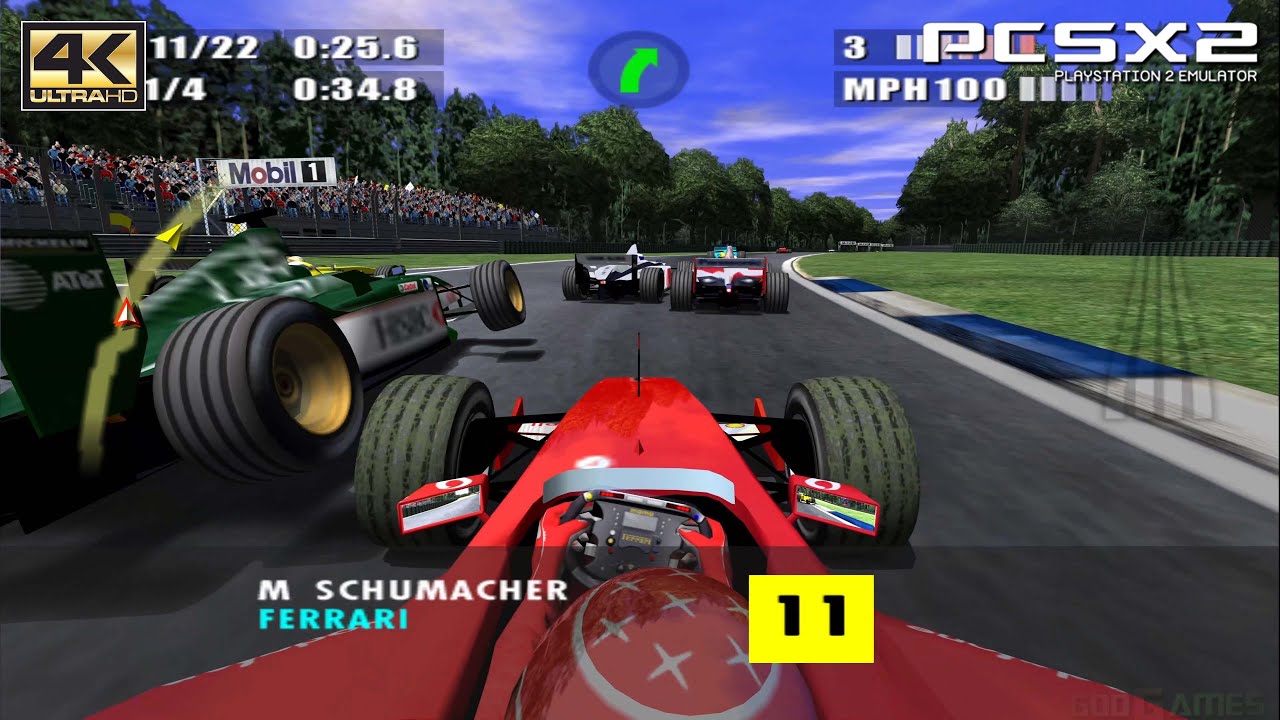
F1 2002 arrived on the scene as a pivotal moment in racing simulation, building upon the foundations laid by its predecessors. Developed by an industry-leading studio and published globally, it promised to deliver an authentic and immersive Formula One experience. This wasn’s just another game; it was a meticulously crafted representation of the 2002 FIA Formula One World Championship season, capturing the intensity, strategy, and raw speed that define the sport. The anticipation surrounding its release was palpable, fueled by promises of cutting-edge graphics, realistic physics, and an unparalleled level of detail.
Visual Direction and Graphics Engineering
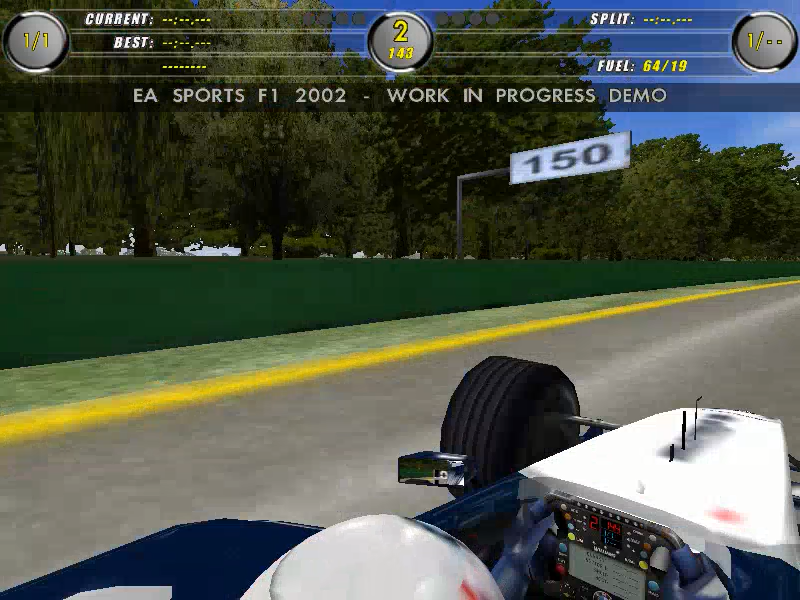
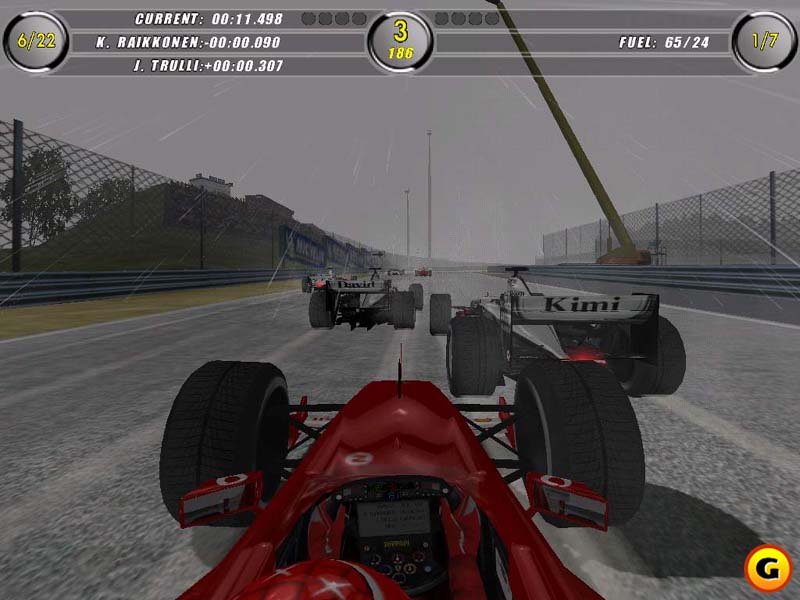
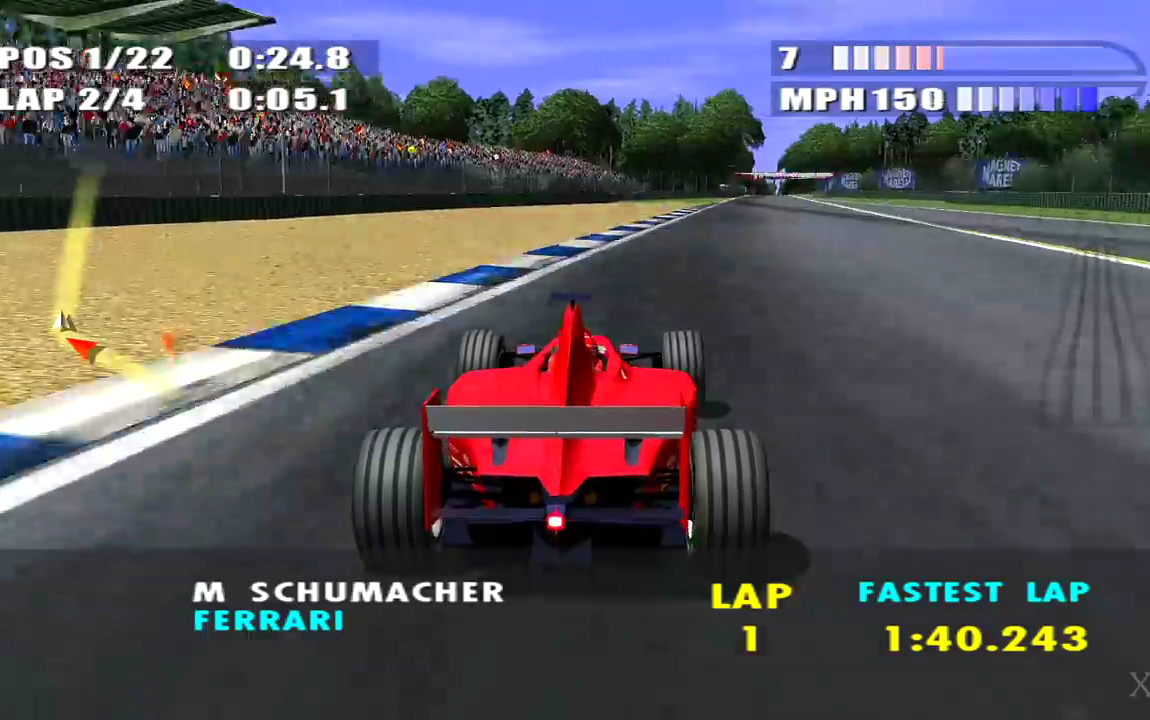
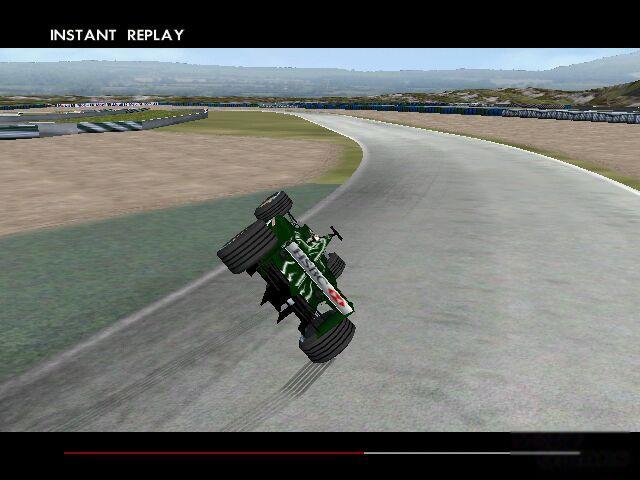
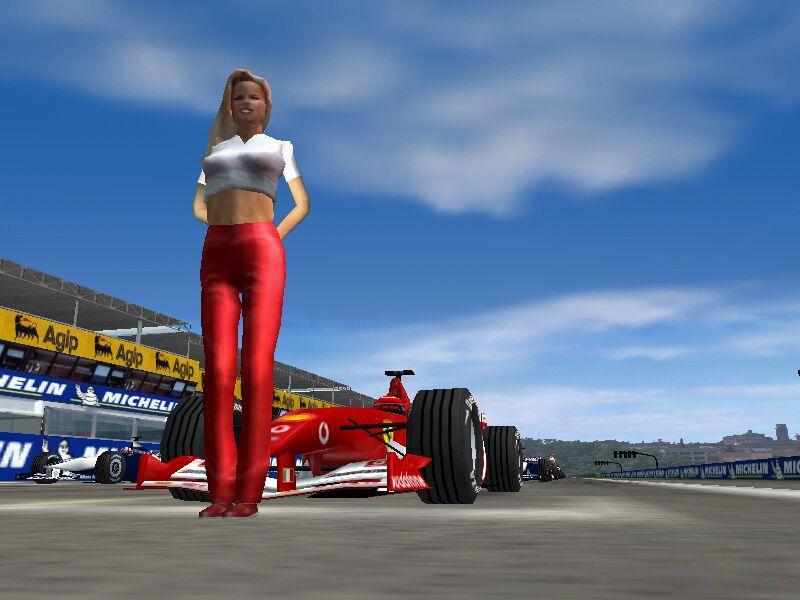
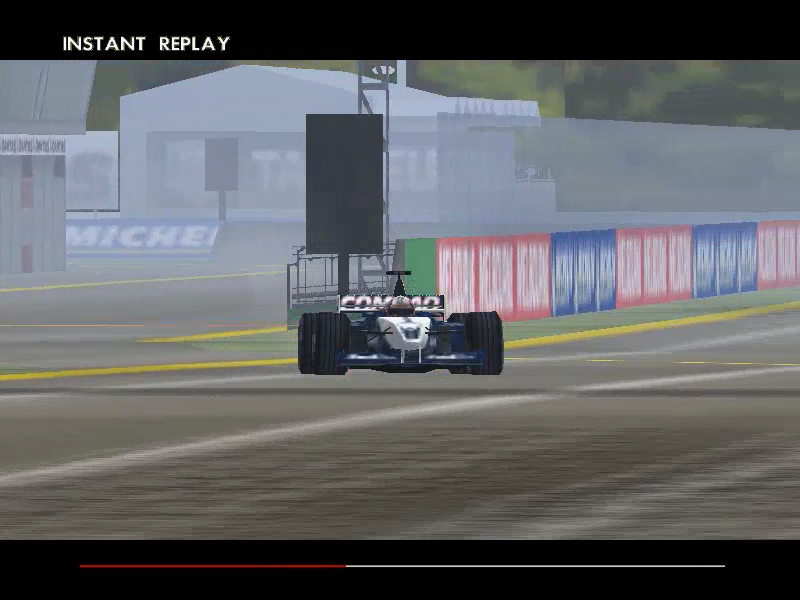
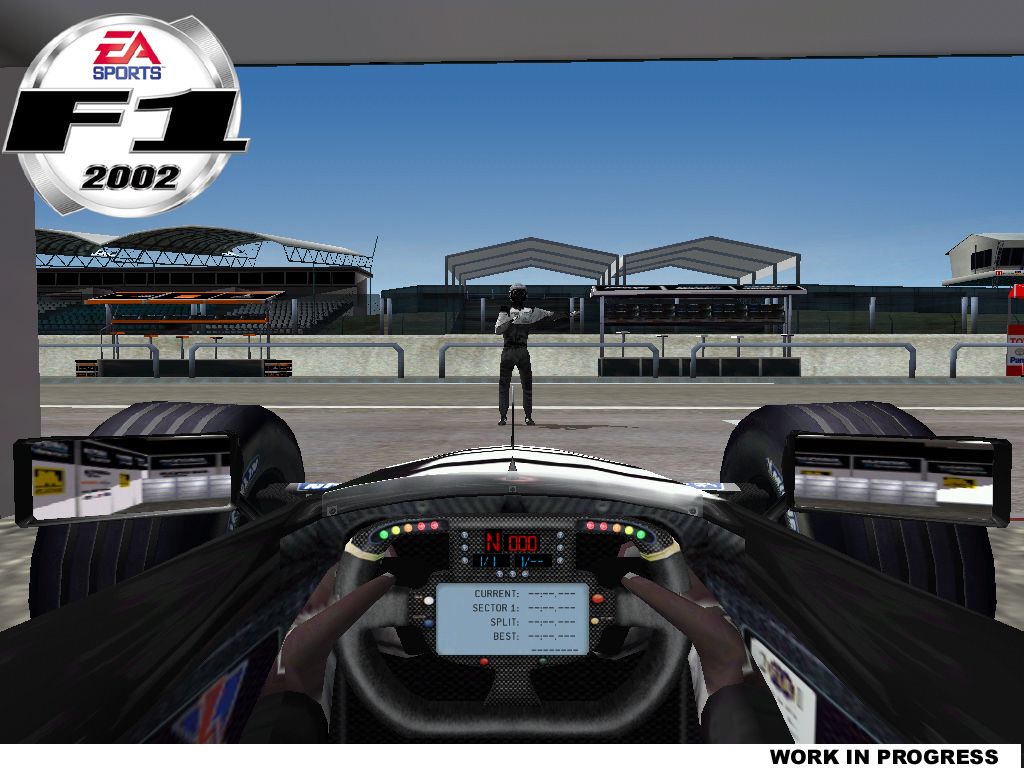
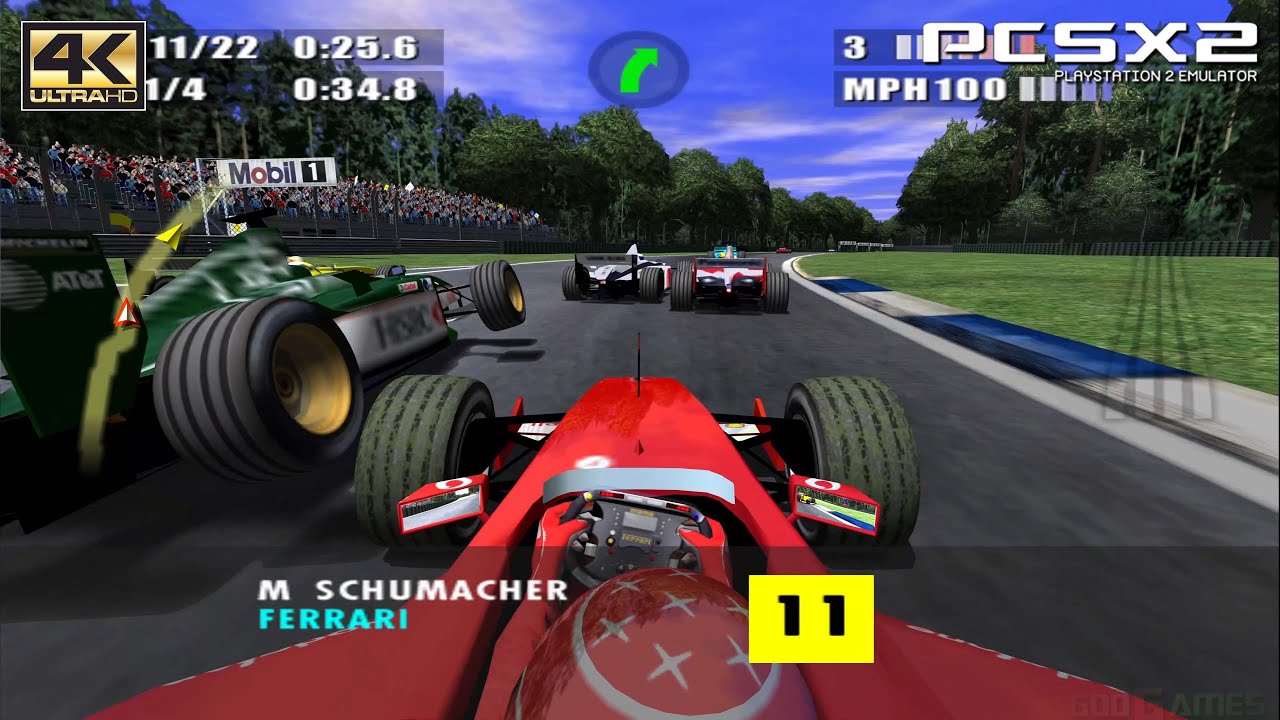
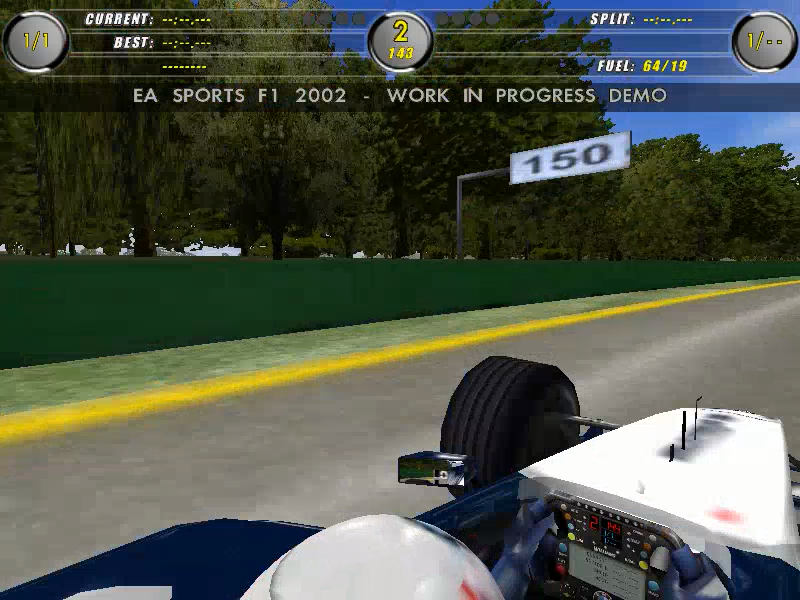
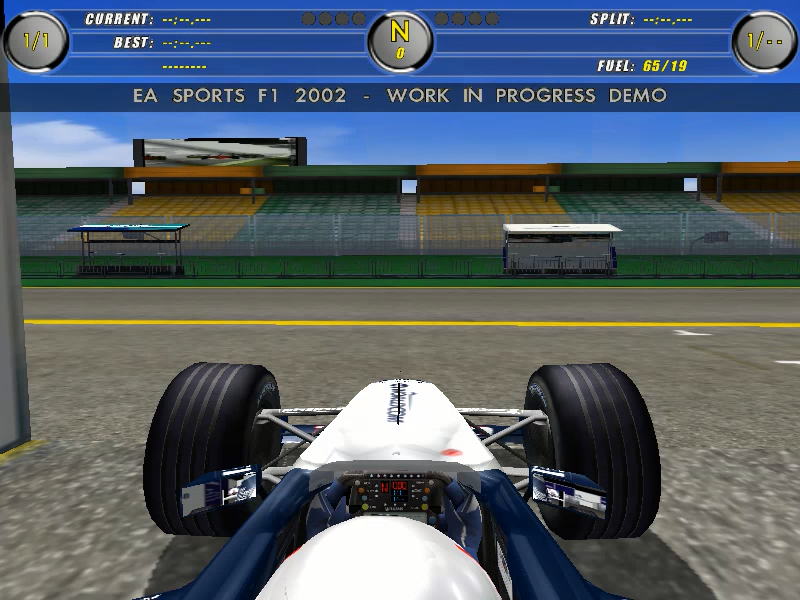
The visual direction for F1 2002 aimed to strike a balance between realism and performance, a crucial consideration given the hardware limitations of the time. While not pushing the boundaries of graphical fidelity in the way modern titles do, it delivered a visually appealing representation of the cars, tracks, and environments. The team employed advanced rendering techniques to simulate realistic lighting and reflections, enhancing the sense of immersion. The level of detail applied to the car models was particularly noteworthy, allowing players to appreciate the intricate design elements that contribute to their performance. Optimizations were essential to ensure smooth gameplay across a range of PC configurations, a testament to the engineering prowess of the development team.
Gameplay Mechanics and Core Systems
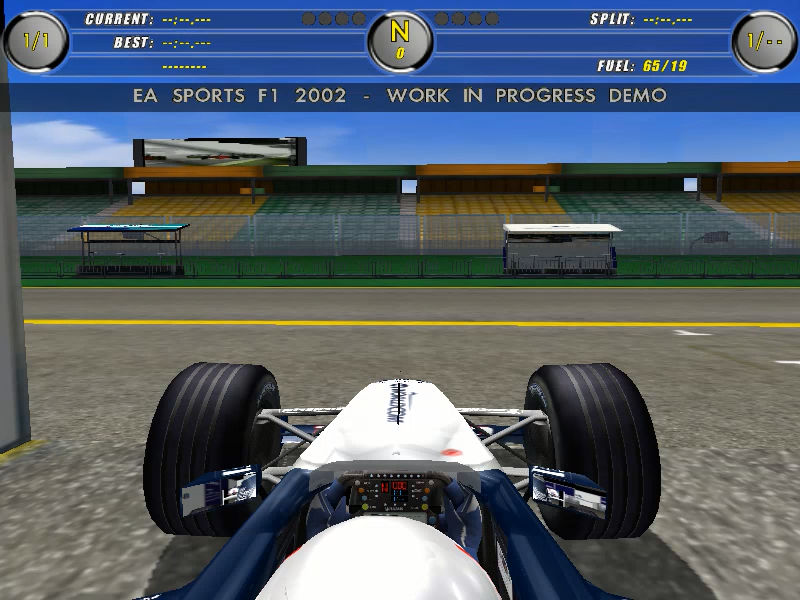
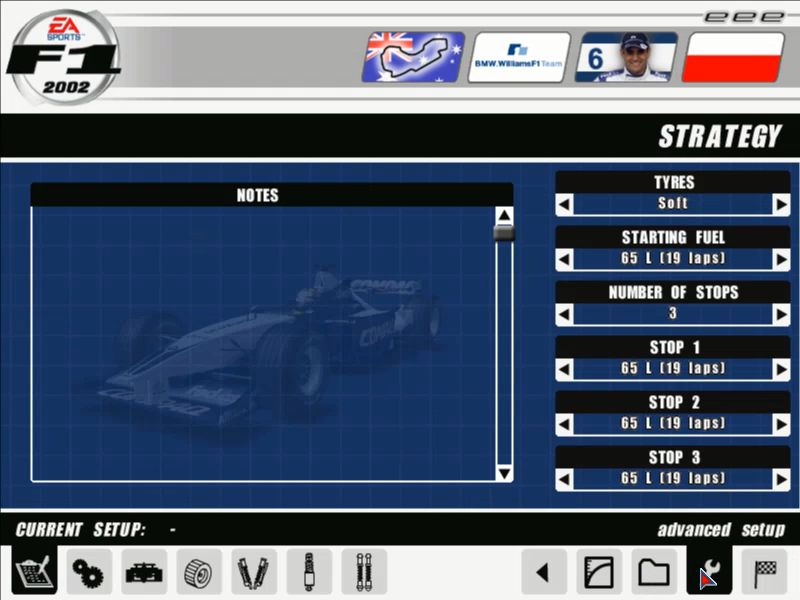
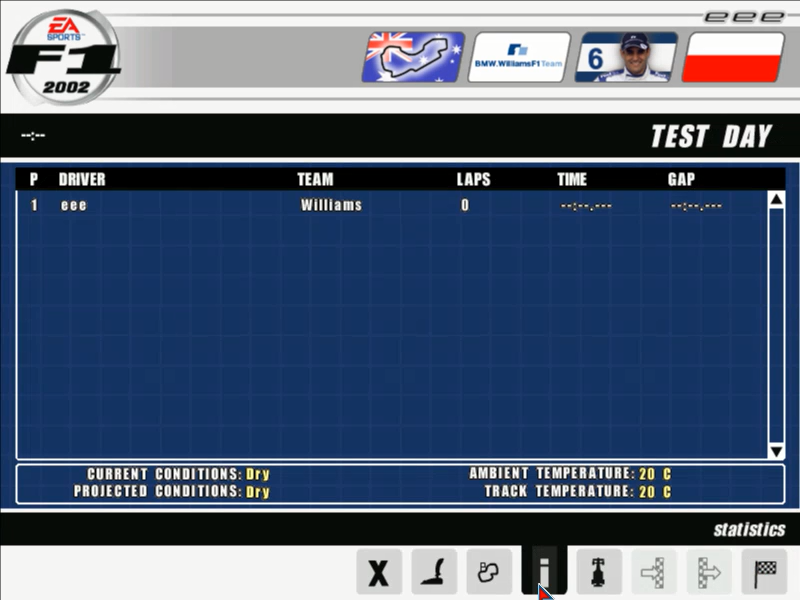
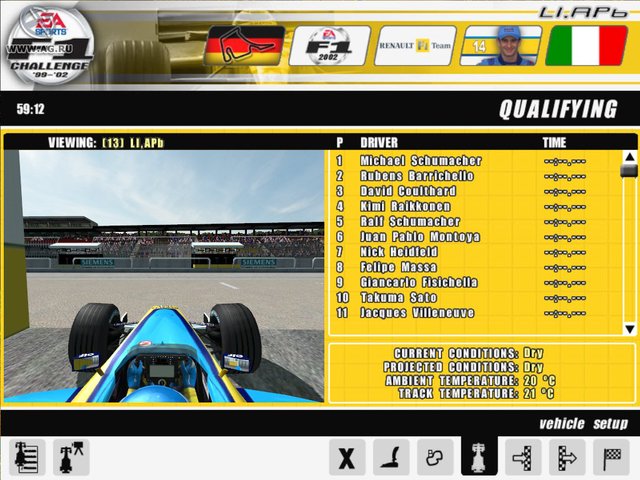
At its core, F1 2002 offered a deep and rewarding gameplay experience. The physics engine was meticulously crafted to simulate the nuances of car handling, allowing players to feel the grip, weight transfer, and aerodynamic effects that are critical to mastering each track. The game featured a comprehensive suite of assists, catering to both casual fans and hardcore simulation enthusiasts. Players could fine-tune everything from traction control to automatic transmission, tailoring the experience to their skill level. The AI opponents were challenging but fair, providing a competitive environment without feeling overly punishing. Mastering the art of overtaking, managing tire wear, and optimizing pit stop strategies were all essential components of success in F1 2002.
Level Design and World Atmosphere
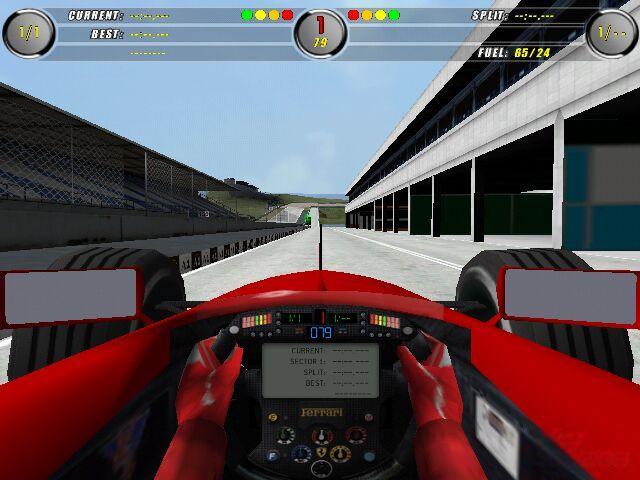
The game faithfully recreated all the circuits from the 2002 FIA Formula One season, each one meticulously modeled to capture its unique characteristics. From the high-speed Monza circuit to the challenging Monaco street course, players could experience the thrill of racing at some of the most iconic locations in motorsport history. The level design went beyond mere visual representation; it incorporated subtle details that contributed to the overall atmosphere. Ambient sounds, trackside advertising, and even the behavior of spectators all played a role in creating an immersive and believable world.
Narrative Depth and Character Profiles
While F1 2002 wasn’t primarily focused on narrative storytelling, it did offer glimpses into the personalities and rivalries that defined the 2002 season. The game featured biographies of real-world drivers and team principals, providing context for their performances and relationships. Although not a traditional story-driven experience, these elements added depth and authenticity to the overall presentation.
Sound Design and Acoustic Realism

The sound design in F1 2002 was crucial to creating an immersive racing experience. The roar of the engines, the whine of the gearbox, and the screech of the tires were all meticulously recorded and implemented to provide a visceral connection to the action. The game also featured realistic ambient sounds, such as crowd noise and trackside announcements, further enhancing the sense of immersion.
Release Expectations and Community Hype

The release of F1 2002 was met with considerable anticipation from racing fans worldwide. Marketing campaigns highlighted the game’s authentic representation of the 2002 season, its realistic physics engine, and its comprehensive suite of features. Online forums and gaming communities buzzed with excitement in the weeks leading up to launch, as players eagerly awaited their chance to experience the thrill of Formula One racing on their own computers.
Conclusion: The Future of F1 2002

F1 2002 stands as a significant milestone in the history of racing simulation. Its commitment to authenticity, its deep gameplay mechanics, and its immersive presentation set a new standard for the genre. While technology has advanced significantly since its release, F1 2002 remains a beloved classic among racing fans, a testament to the passion and dedication of the development team.
Source: Wikipedia