
Introduction: The Next Chapter for Hitman: Codename 47
Hitman: Codename 47, released in November 2000, wasn't just a game; it was the genesis of a franchise that would redefine stealth action. Developed by IO Interactive and published by Eidos Interactive, this title boldly introduced players to Agent 47, a genetically engineered assassin with a barcode tattooed on the back of his head. While seemingly simple in its premise – assassinate targets across the globe – Codename 47 laid the groundwork for intricate level design, emergent gameplay, and a unique approach to storytelling that would become hallmarks of the Hitman series. This Masterclass Deep-Dive will dissect every facet of this groundbreaking title, exploring its technical achievements, narrative depth, and lasting impact on the gaming landscape.
Visual Direction and Graphics Engineering
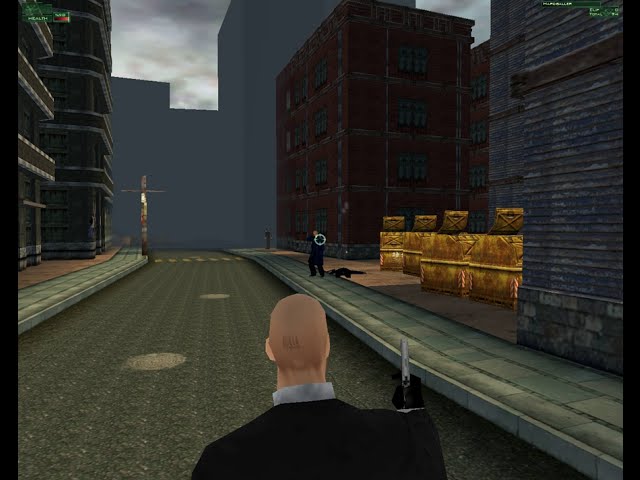
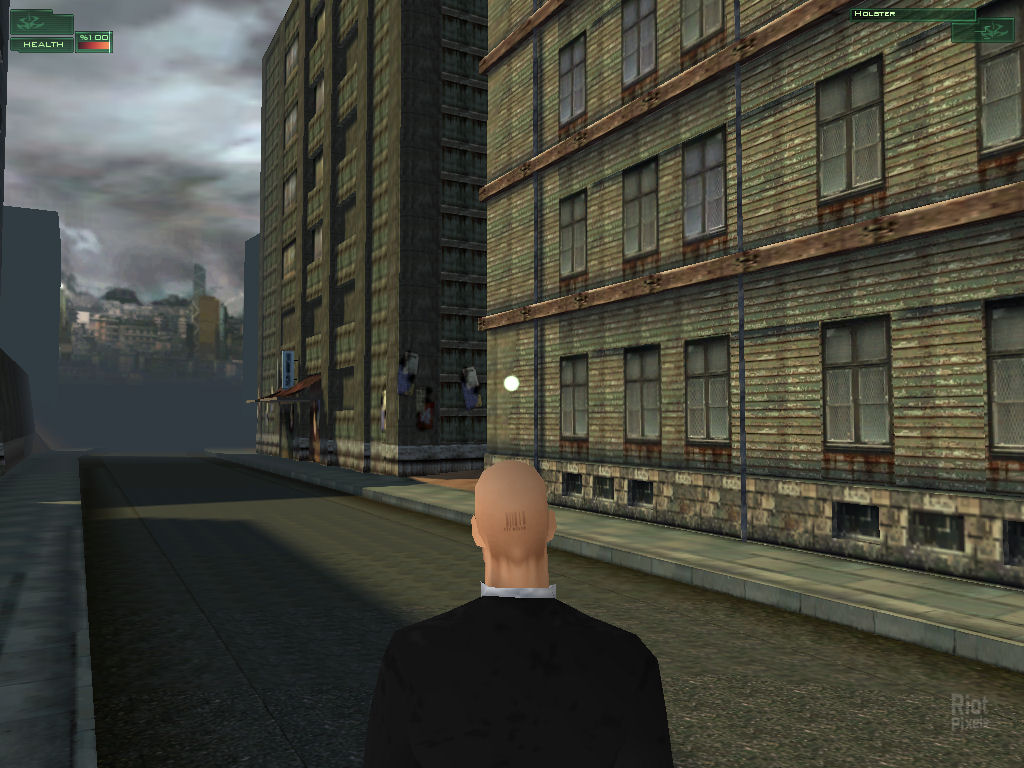
Codename 47, being a product of the early 2000s, understandably doesn't boast the graphical fidelity of modern titles. However, it cleverly utilized the capabilities of the Glacier engine to create distinct environments that were both visually interesting and functional for gameplay. The game employed a blend of pre-rendered backgrounds and polygonal models, a common technique at the time used to enhance visual detail without overwhelming system resources. While textures might appear dated by today's standards, they served their purpose in establishing the atmosphere of each location, from the bustling streets of Hong Kong to the opulent estates of European elites. The use of lighting and shadows was also crucial in creating a sense of realism and highlighting key areas within the levels.Gameplay Mechanics and Core Systems
The core gameplay loop of Hitman: Codename 47 revolves around meticulous planning, strategic execution, and adaptability. Players assume the role of Agent 47, equipped with a diverse arsenal of weapons and gadgets, but the true power lies in his ability to blend into crowds, utilize disguises, and exploit environmental opportunities. The game encourages players to experiment with different approaches to each assassination, rewarding creativity and improvisation. Whether it's poisoning a target's drink, triggering an accidental death, or simply blending in as a janitor, the possibilities are vast. However, failure to maintain composure can quickly lead to detection, forcing players to rely on their combat skills or resort to more drastic measures. The "Agent Distraction" system was innovative for its time, allowing players to manipulate NPCs and create diversions to facilitate their plans.Level Design and World Atmosphere
The level design in Hitman: Codename 47 is a masterclass in environmental storytelling. Each location is meticulously crafted to feel like a living, breathing world, populated by unique characters with their own routines and motivations. The game encourages exploration, rewarding players who take the time to observe their surroundings and learn the patterns of the NPCs. From the bustling markets of Hong Kong to the opulent mansions of Europe, each level offers a distinct atmosphere and a wealth of opportunities for creative assassinations. The use of pre-rendered backgrounds helped to create a sense of scale and immersion, while the detailed character models added depth and personality to the world.Narrative Depth and Character Profiles
While the gameplay is undoubtedly the star of the show, Hitman: Codename 47 also features a surprisingly compelling narrative. The story unfolds gradually, revealing Agent 47's origins and his connection to the International Contract Agency (ICA). The supporting characters, while not as deeply developed as Agent 47 himself, each have their own motivations and secrets, adding layers of intrigue to the overall plot. The game explores themes of morality, betrayal, and the consequences of violence, raising questions about the nature of justice and the role of a professional killer in a complex world.Sound Design and Acoustic Realism
The sound design in Hitman: Codename 47 is crucial to creating an immersive experience. The ambient sounds of each location – from the bustling city streets to the quiet interiors of mansions – help to bring the world to life. The distinct voices of the NPCs add personality and depth to their characters, while the subtle cues that indicate enemy awareness are essential for strategic gameplay. The game's soundtrack, composed by Jesper Kyd, is both atmospheric and memorable, perfectly complementing the action and tension on screen.Release Expectations and Community Hype
Upon its release, Hitman: Codename 47 generated significant buzz within the gaming community. The unique gameplay mechanics, combined with the intriguing premise of a professional assassin, quickly captured the attention of players seeking a fresh take on the stealth action genre. While some critics questioned the game's occasionally clunky controls and dated graphics, the overall reception was positive, praising its innovative approach to level design and emergent gameplay. The game's success paved the way for a successful franchise that continues to captivate players today.Conclusion: The Future of Hitman: Codename 47
Hitman: Codename 47 remains a landmark title in the history of gaming. Its innovative approach to stealth action, combined with its compelling narrative and memorable characters, has cemented its place as a classic. While subsequent entries in the series have built upon its foundation, Codename 47 laid the groundwork for everything that followed. The game's legacy continues to inspire developers and captivate players, ensuring that Agent 47 remains one of gaming's most iconic figures.
Source: Wikipedia
Google Preferred Source
Add us to your favorite news sources on Google
Get instant updates and breaking news directly in Google News