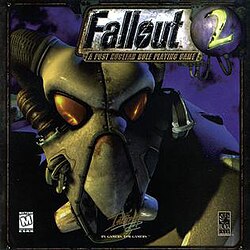
Introduction: The Next Chapter for Fallout 2
Fallout 2, released in 1998 by Black Isle Studios and published by Interplay Productions, arrived with immense expectations. Building upon the foundation laid by its predecessor, Fallout (1997), it promised a deeper, more expansive post-apocalyptic experience. The game transports players to the year 2241, nearly a century after the events of the first game, placing them in the role of the "Chosen One," tasked with saving their village from an impending crisis. While inheriting many core mechanics and visual elements from Fallout, Fallout 2 aimed to refine and expand upon these, offering a more mature and intricate world for players to explore. The hype surrounding its release was palpable, fueled by the success of the original and the promise of even greater depth and complexity.
Visual Direction and Graphics Engineering
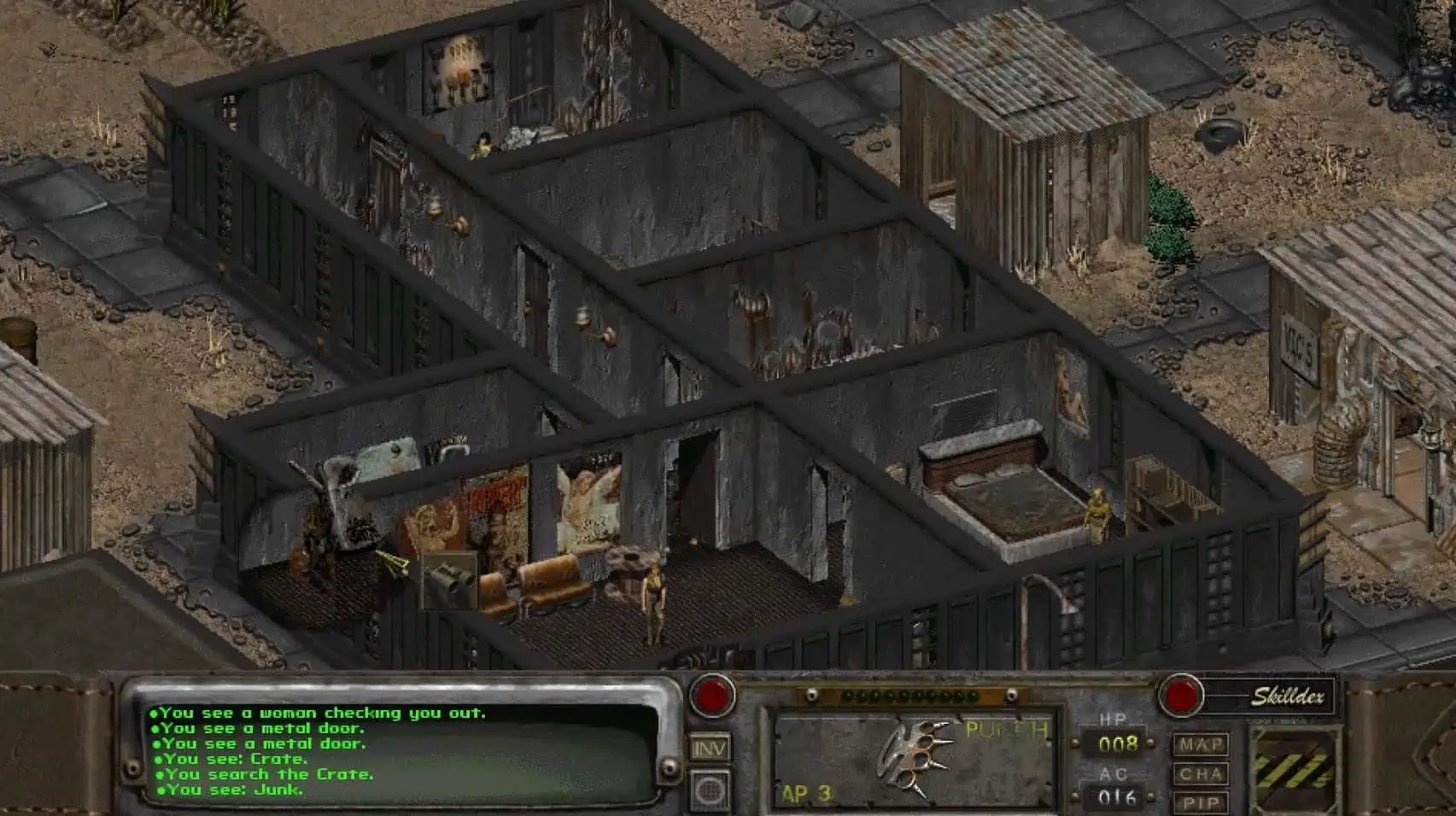
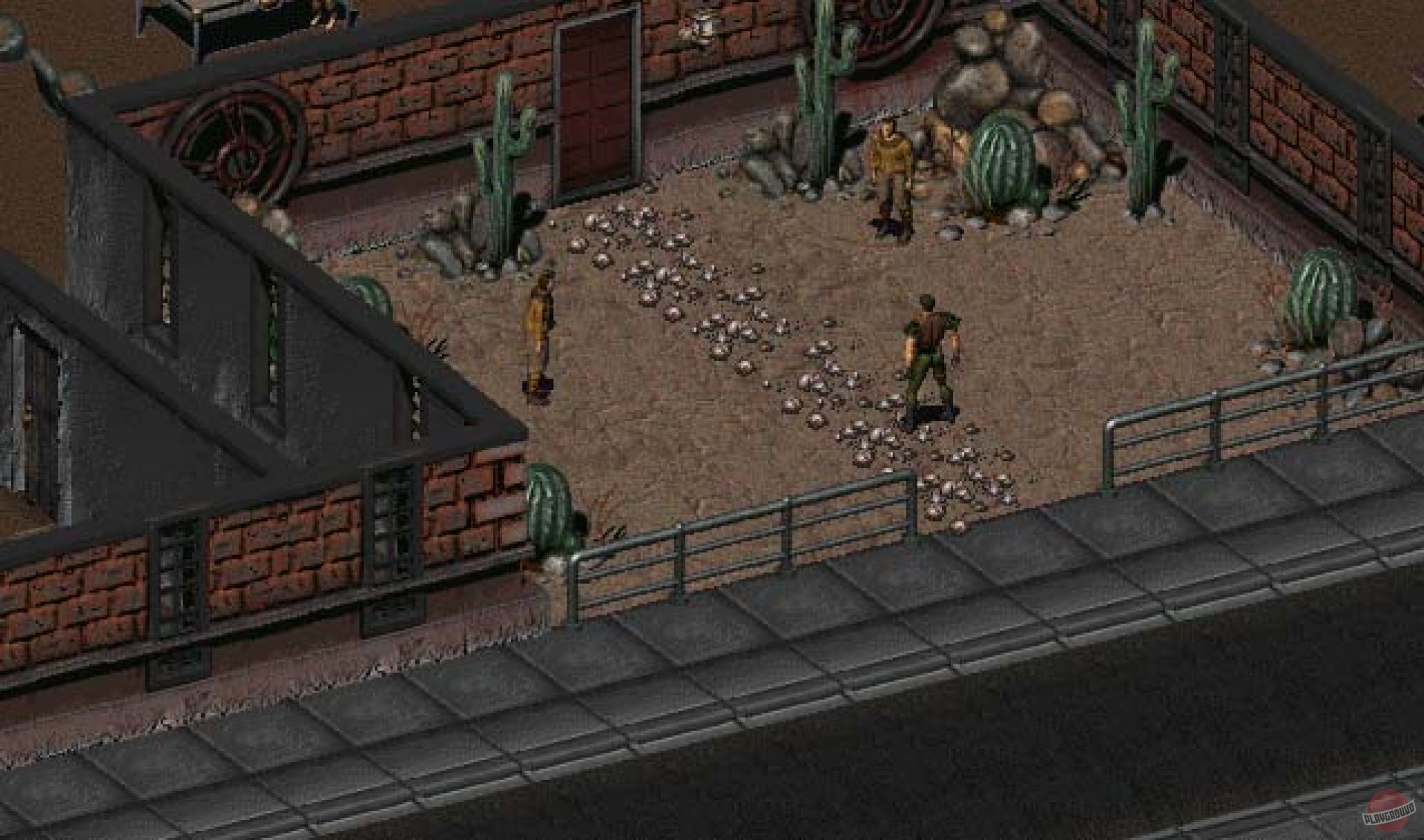
Fallout 2's visual direction built directly on the isometric perspective established in Fallout. While technically impressive for its time, the graphics were somewhat dated even upon release. The "Proprietary Next-Gen Engine" was clearly pushing the limits of what was possible on contemporary hardware, but it also resulted in a somewhat blocky and pixelated aesthetic. This visual style, while charming to some, could be off-putting to others accustomed to more advanced graphical fidelity. The engine's limitations are evident in character models, environmental textures, and overall animation quality. However, the developers attempted to compensate with detailed sprites and a carefully crafted color palette that evoked the desolate beauty of the post-apocalyptic world.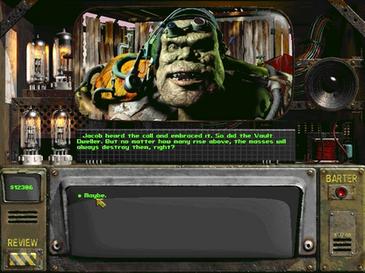
Gameplay Mechanics and Core Systems
Fallout 2 retained the core gameplay mechanics of its predecessor, including turn-based combat, character customization, and a vast array of skills and perks. Players could choose from pre-made characters or create their own, tailoring their abilities to suit their preferred playstyle. The SPECIAL system (Strength, Perception, Endurance, Charisma, Intelligence, Agility, Luck) returned, allowing for deep character builds and strategic decision-making. Turn-based combat was refined with new weapons, enemies, and tactical options. However, the game also inherited some of the quirks and bugs that plagued the original Fallout, which could occasionally disrupt the gameplay experience.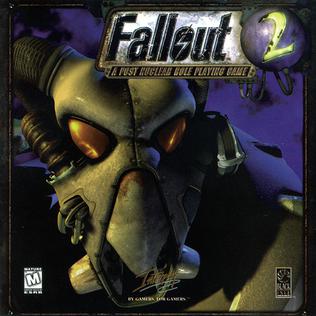
Level Design and World Atmosphere
The level design in Fallout 2 expanded significantly upon the environments introduced in the first game. Players explored a larger and more diverse map, ranging from desolate wastelands to bustling settlements. The developers meticulously crafted each location to evoke a sense of isolation, danger, and resilience. From the decaying remnants of pre-war civilization to the makeshift communities struggling to survive, the world felt both familiar and alien. While some areas were more compelling than others, the overall level design contributed significantly to the game's immersive atmosphere.Narrative Depth and Character Profiles
Fallout 2 boasted a complex and engaging narrative that explored themes of survival, morality, and the enduring spirit of humanity. The main questline was complemented by numerous side quests and optional storylines, offering players a wealth of choices and consequences. The game's characters were well-developed and memorable, each with their own motivations and backstories. From the enigmatic New California Republic to the eccentric inhabitants of Vault City, the diverse cast added depth and richness to the world.Sound Design and Acoustic Realism
The sound design in Fallout 2 played a crucial role in creating an immersive audio experience. The game featured a haunting soundtrack composed by Mark Morgan and Rick Jackson, which perfectly captured the desolate beauty and underlying tension of the post-apocalyptic setting. Environmental sounds, such as the creaking of metal, the howling wind, and the distant gunfire, added to the sense of realism. However, some players found the voice acting to be somewhat uneven in quality.Release Expectations and Community Hype
The release of Fallout 2 was met with considerable anticipation within the gaming community. Fans of the original Fallout were eager to see how Black Isle Studios would build upon its success. The game's promise of a larger world, deeper gameplay mechanics, and a more complex narrative generated significant hype. However, some players also expressed concerns about potential bugs and technical issues, given the challenges faced during the development of the first game.Conclusion: The Future of Fallout 2
Fallout 2 remains a landmark title in the role-playing genre, celebrated for its immersive world, engaging gameplay, and memorable characters. While it may not have reached the heights of graphical sophistication seen in later titles, its strengths lie in its depth, complexity, and enduring appeal. The game's legacy continues to inspire developers and captivate players, solidifying its place as a classic in the Fallout franchise.
Source: Wikipedia
Google Preferred Source
Add us to your favorite news sources on Google
Get instant updates and breaking news directly in Google News