
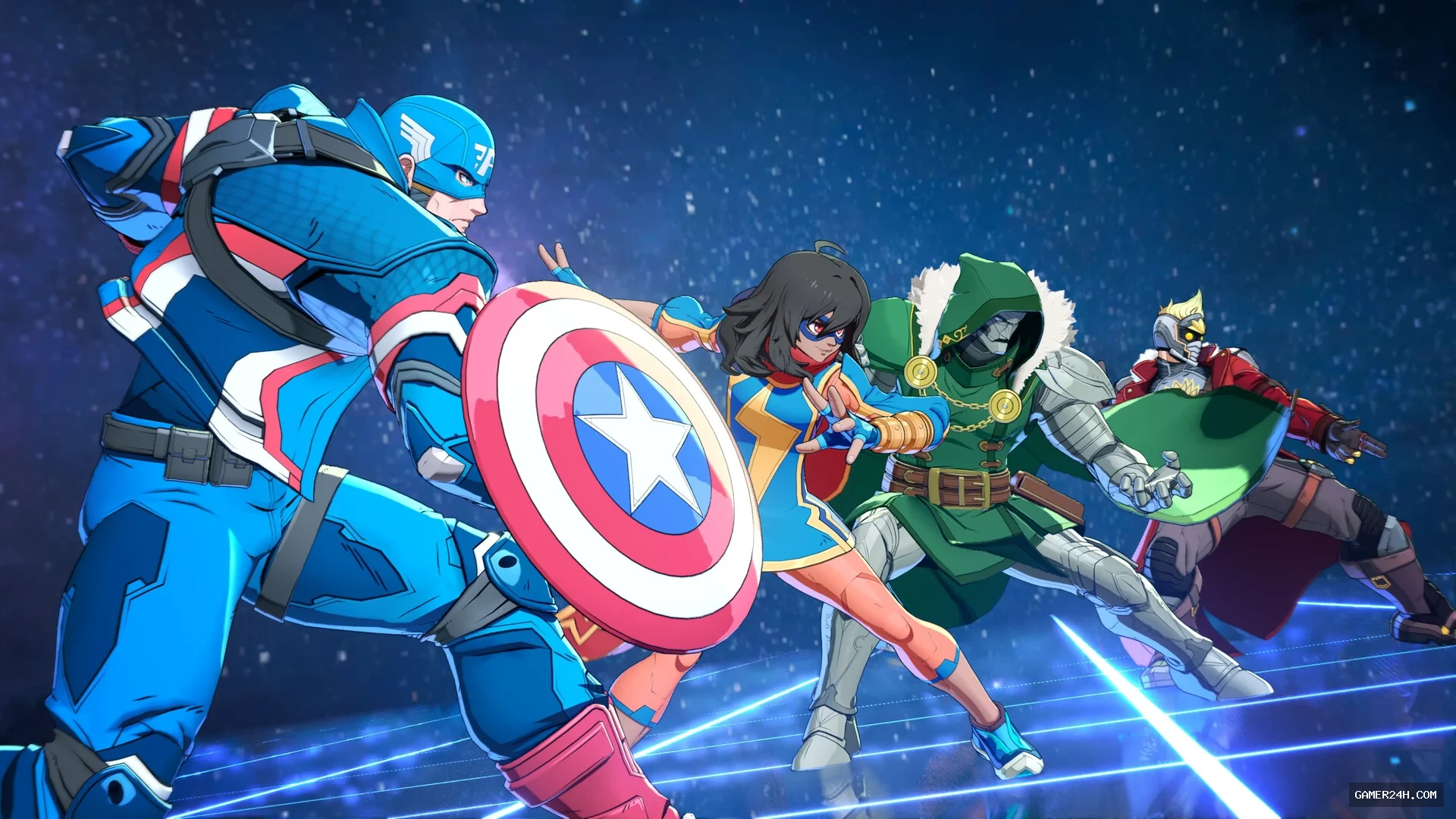
Arc System Works and Sony’s PC release of Marvel Tōkon: Fighting Souls has drawn sharp criticism in recent weeks for its poor performance, with many speculating that the game’s extensive anti‑cheat architecture could be the culprit.
Now, that speculation has been substantiated: a cracked copy of Marvel Tōkon: Fighting Souls has surfaced online, and users report that the pirated edition runs noticeably smoother than the official release.
According to JustinSGX’s X post, the cracked build, which appeared to launch last night, consumes only about 34 % of an i7‑6700K’s CPU capacity, compared to the retail edition that drains more than 57 % of the same processor.

Analysis: The pronounced CPU discrepancy highlights how anti‑cheat overhead can materially degrade performance, potentially shaping consumer perception and prompting developers to reevaluate such systems in future PC ports.
JustinSGX attributes this disparity to the absence of anti‑cheat mechanisms in the pirated version.
In a subsequent note, he explained that the official release is encrypted and performs real‑time decryption in 64 KB chunks on a single CPU core.
The retail edition of the title employs a real‑time decryption mechanism, slicing the game data into 64‑kilobyte segments that are processed on a single CPU core.
While the developer has yet to issue an official statement, multiple users on X—including prominent figures in the fighting‑game scene—have confirmed the findings, lending credibility to the report.
A content creator from ArcSys, ShaudL, noted that a deep dive into x64debug revealed the anti‑cheat subsystem consumes a disproportionate amount of memory, while a user named MattWilliamson9 reported that the game now runs ten times faster even at maximum settings, using only about 45% of the CPU.
“An unlicensed build is delivering a flawless 60 frames per second on my rig,” wrote bar_barXII. “Even at medium settings, the game stays at 60 fps while the CPU and GPU run at roughly 40–50 % capacity… In contrast, the official retail version is permanently capped at 45 fps, even when scaled down to GBA resolution.”
ArcSys recently pushed a performance‑boosting patch, and on my machine it noticeably lifts the frame rate. Yet I still suspect that the five separate instances of Sony’s SDK runtime that launch with every game session might be contributing to the lingering sluggishness reported by players.
Despite the heavy layers of DRM and anti‑cheat woven into the title, skilled players have already extracted data on several of Marvel Tōkon’s forthcoming DLC characters.
Moreover, the protective measures failed to deter piracy, as a cracked copy surfaced online in under two weeks.
❓ Frequently Asked Questions (FAQ)
Why does the pirated version of Marvel Tōkon: Fighting Souls reportedly run smoother than the official PC release?
The cracked copy lacks the anti‑cheat and real‑time decryption systems that the retail version includes. Without these overhead processes, the pirated build uses only about 34 % of an i7‑6700K’s CPU, compared to the official edition which consumes over 57 % of the same processor.
What impact does the anti‑cheat architecture have on the game’s performance?
Anti‑cheat mechanisms add significant CPU load, as they constantly monitor and verify game data. In this case, the anti‑cheat and encryption routines consume a large portion of the CPU, leading to lower frame rates and a less responsive experience on PC.
Will Arc System Works or Sony consider changing their anti‑cheat approach for future PC ports?
The performance disparity highlighted by the cracked build could prompt developers to reevaluate their anti‑cheat and encryption strategies. While no official statement has been made yet, the community’s reaction suggests that a lighter or more efficient system might be considered to improve player experience.
News Source: Kotaku























Join the conversation