Introduction: The Next Chapter for Dark Sector
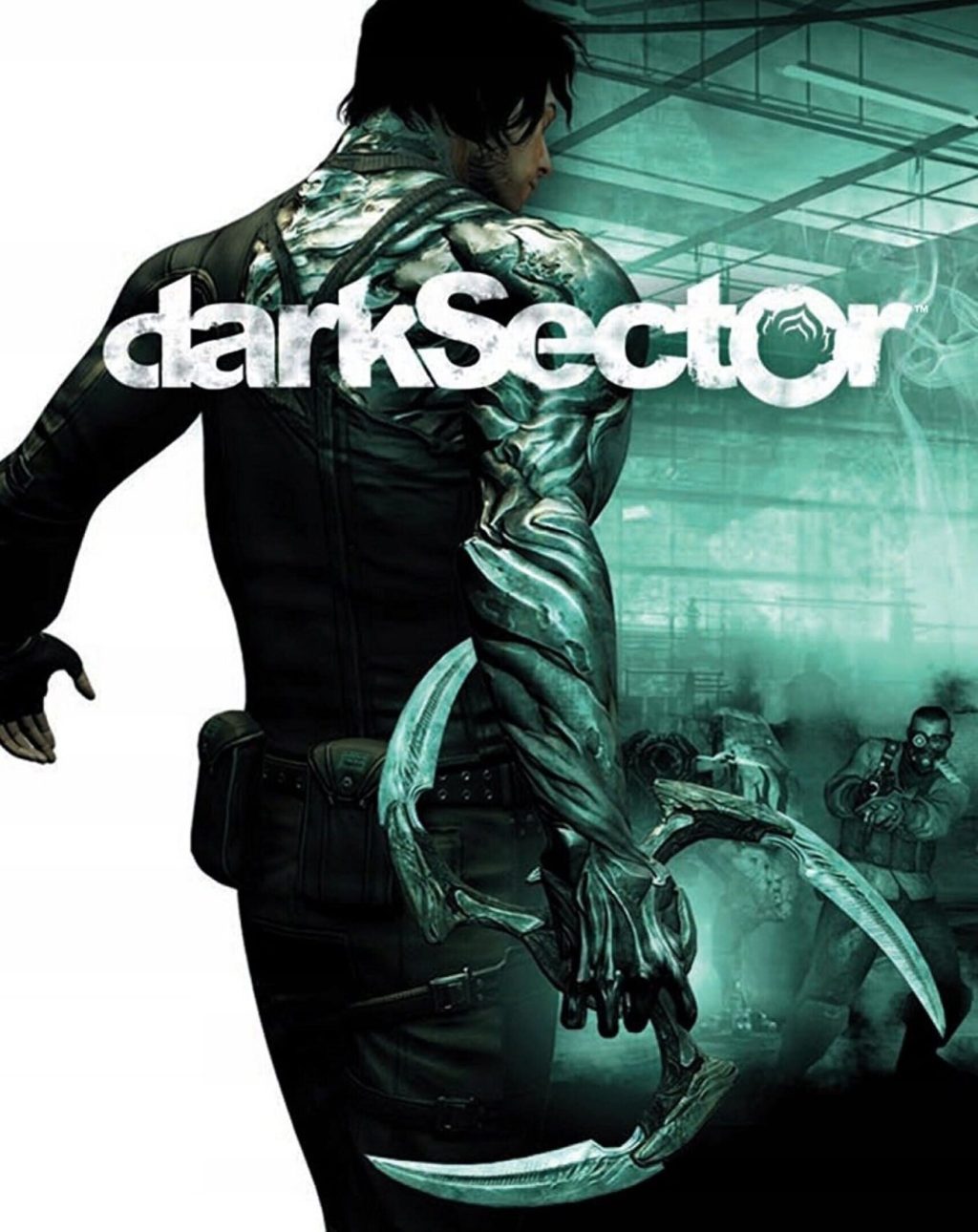
Dark Sector, a title often overshadowed by its contemporaries, deserves a renewed spotlight. Developed by Digital Extremes, the studio behind Warframe, this 2008 third-person shooter offered a unique blend of action, horror, and sci-fi elements that set it apart from the crowded landscape of the Xbox 360 and PlayStation 3 era. While comparisons to Resident Evil 4 and Gears of War are inevitable due to its gameplay style, Dark Sector carved out its own identity with its compelling narrative, innovative Glaive mechanic, and a world steeped in Eastern Bloc intrigue. This deep-dive review aims to dissect the game's strengths and weaknesses, exploring its technical achievements, artistic vision, and lasting impact on the gaming community.
Visual Direction and Graphics Engineering
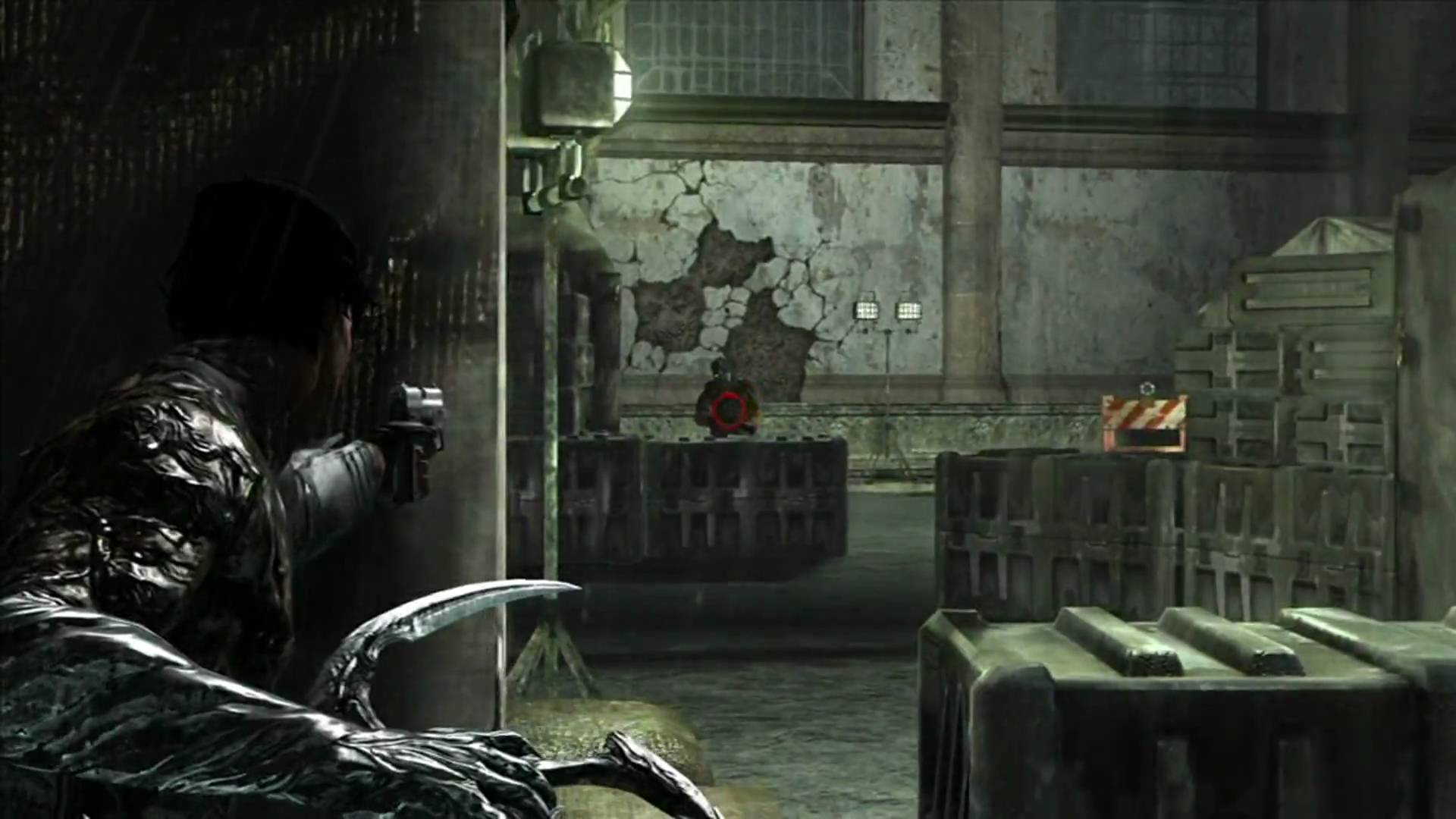
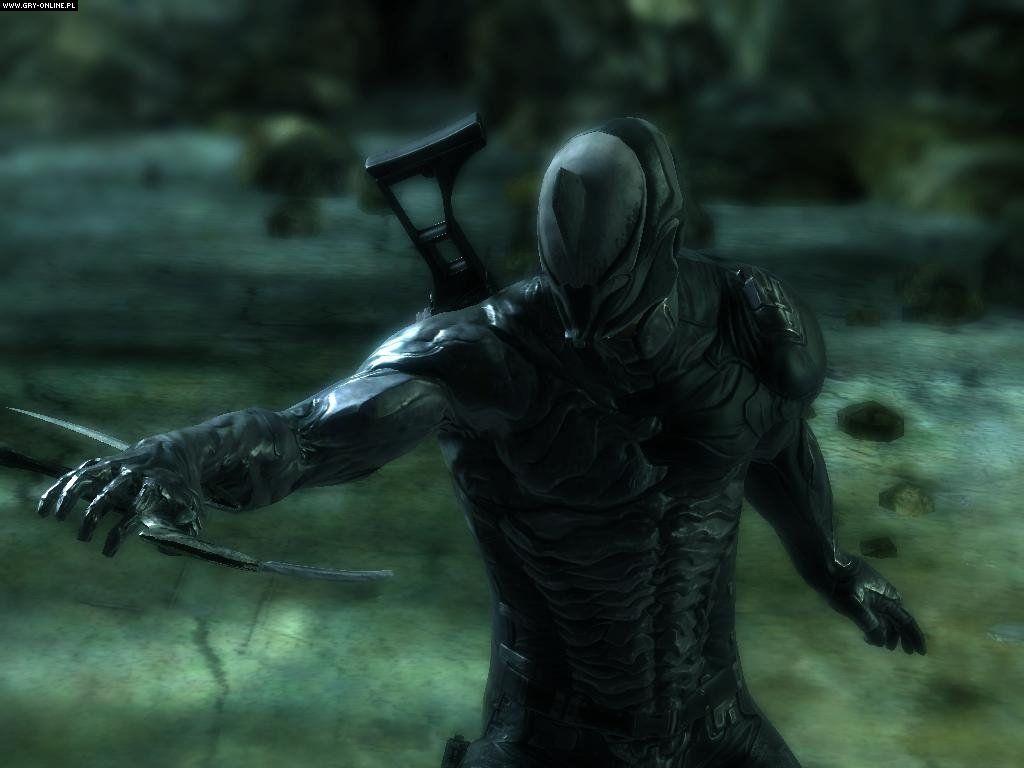
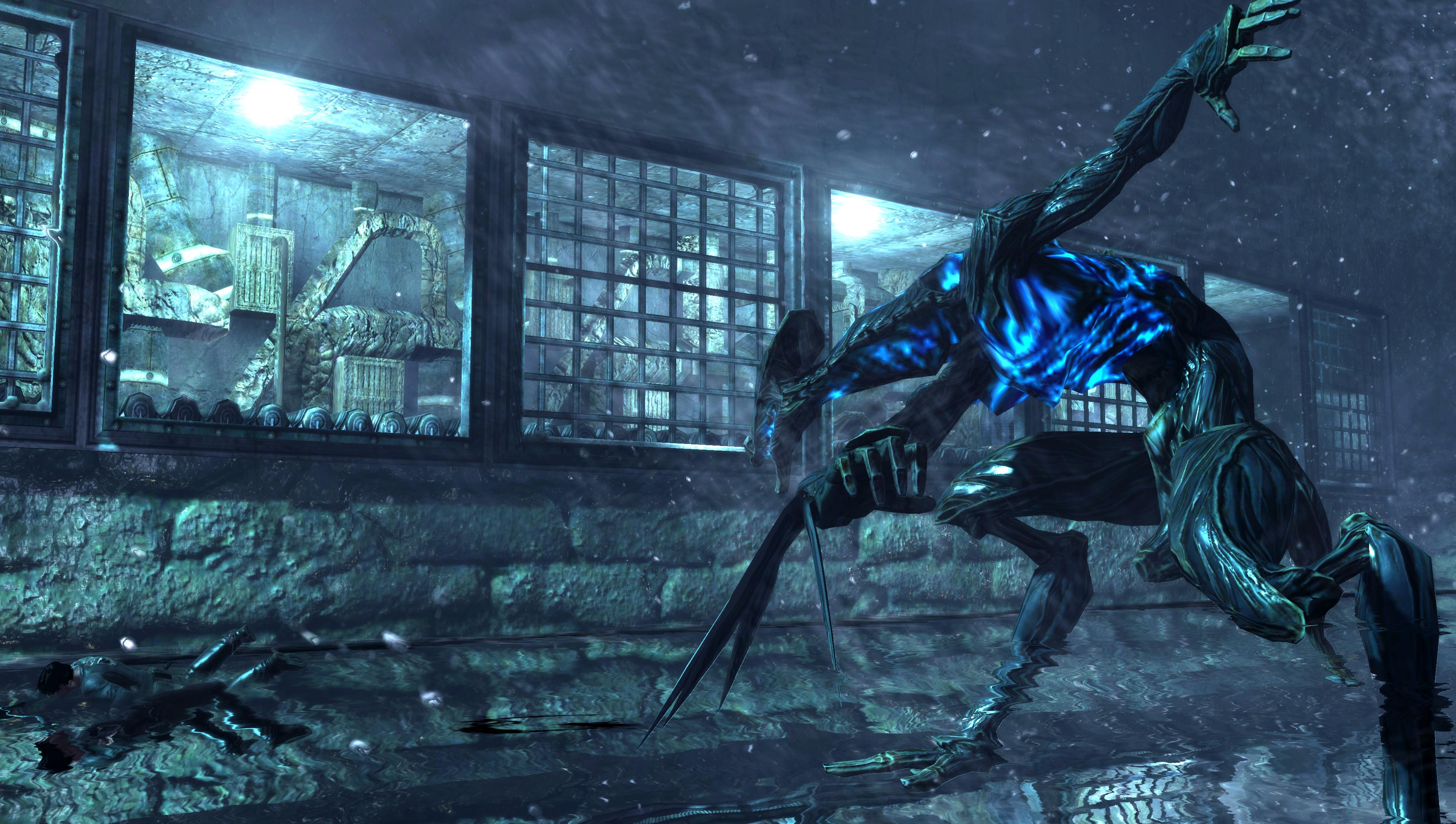
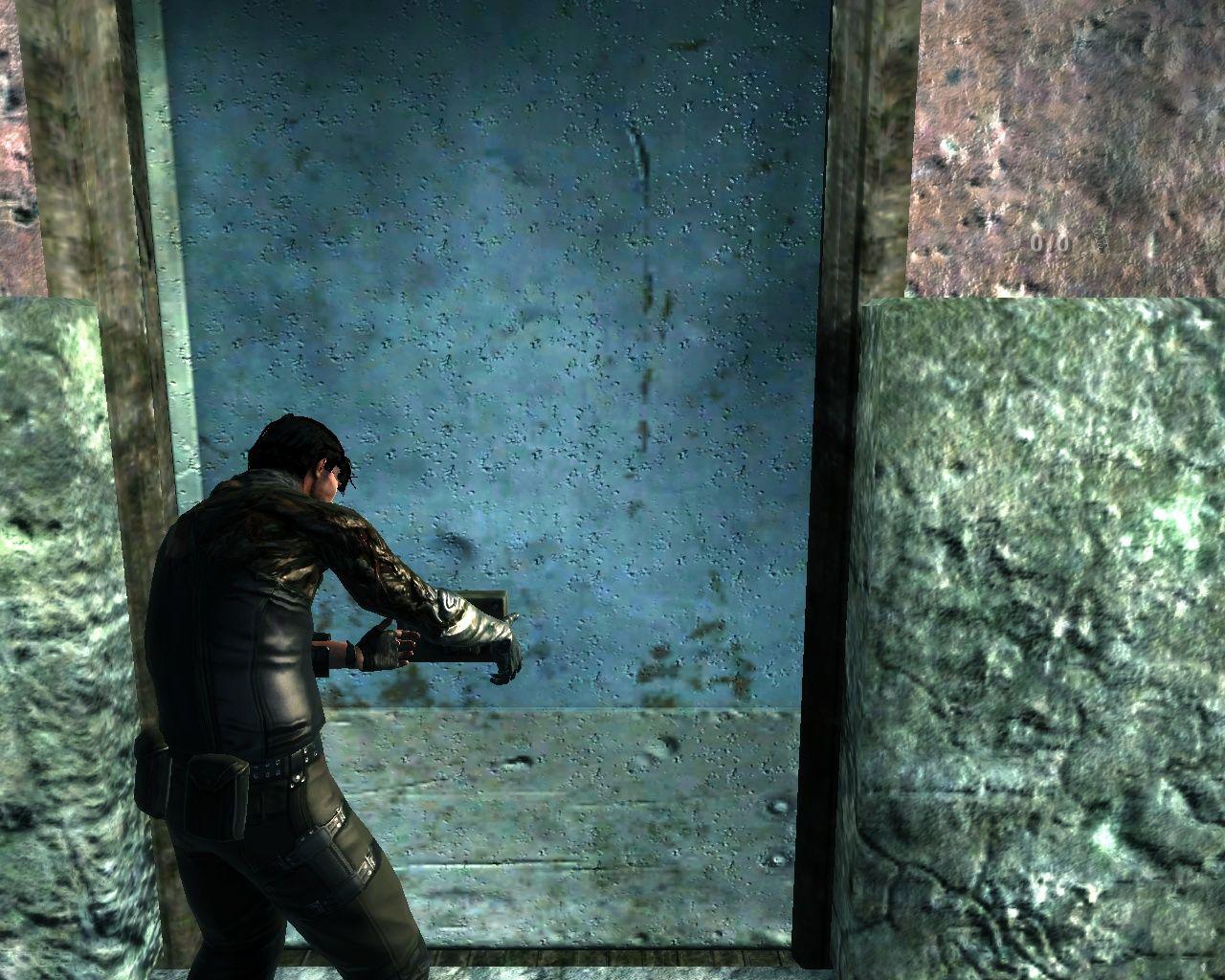
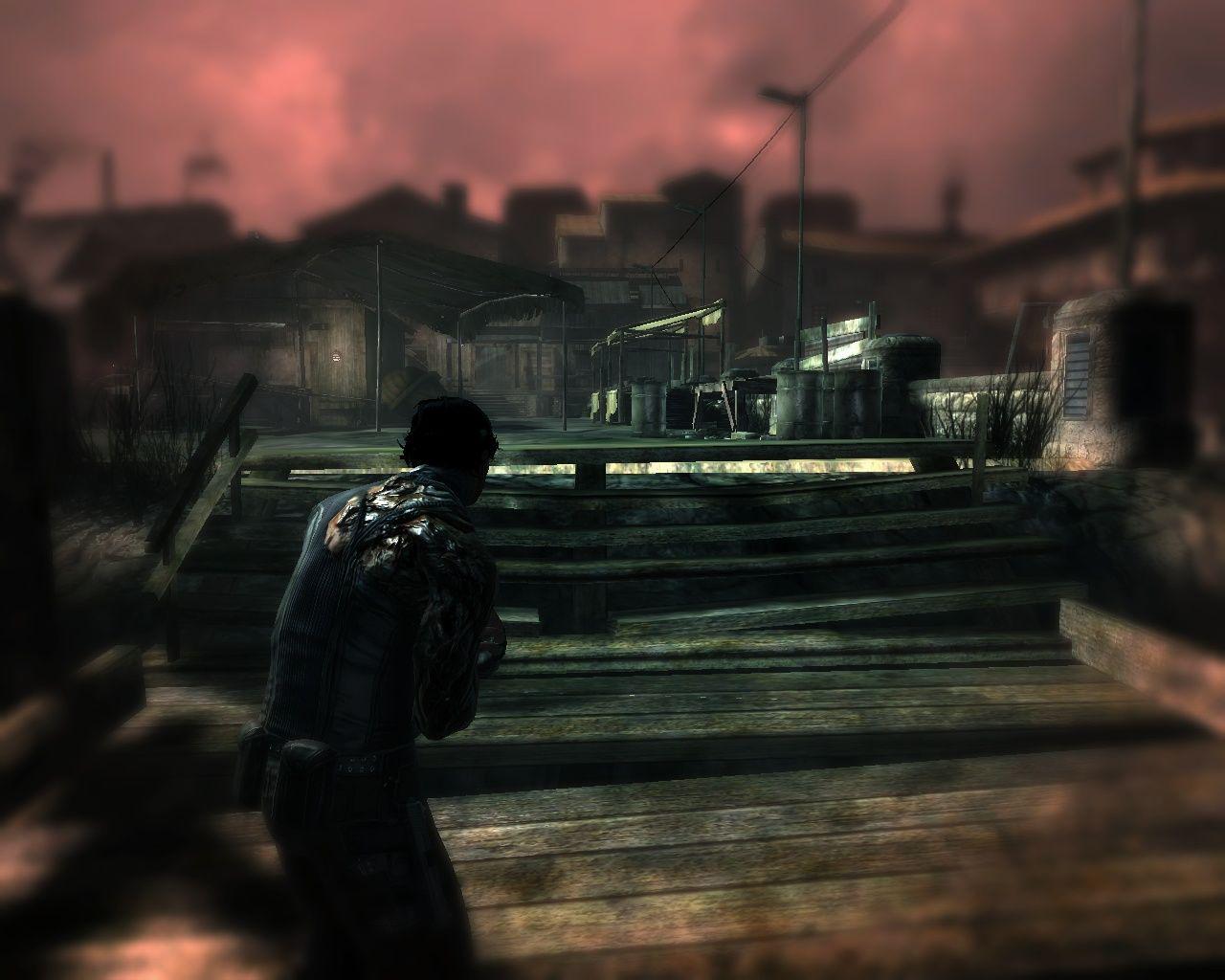
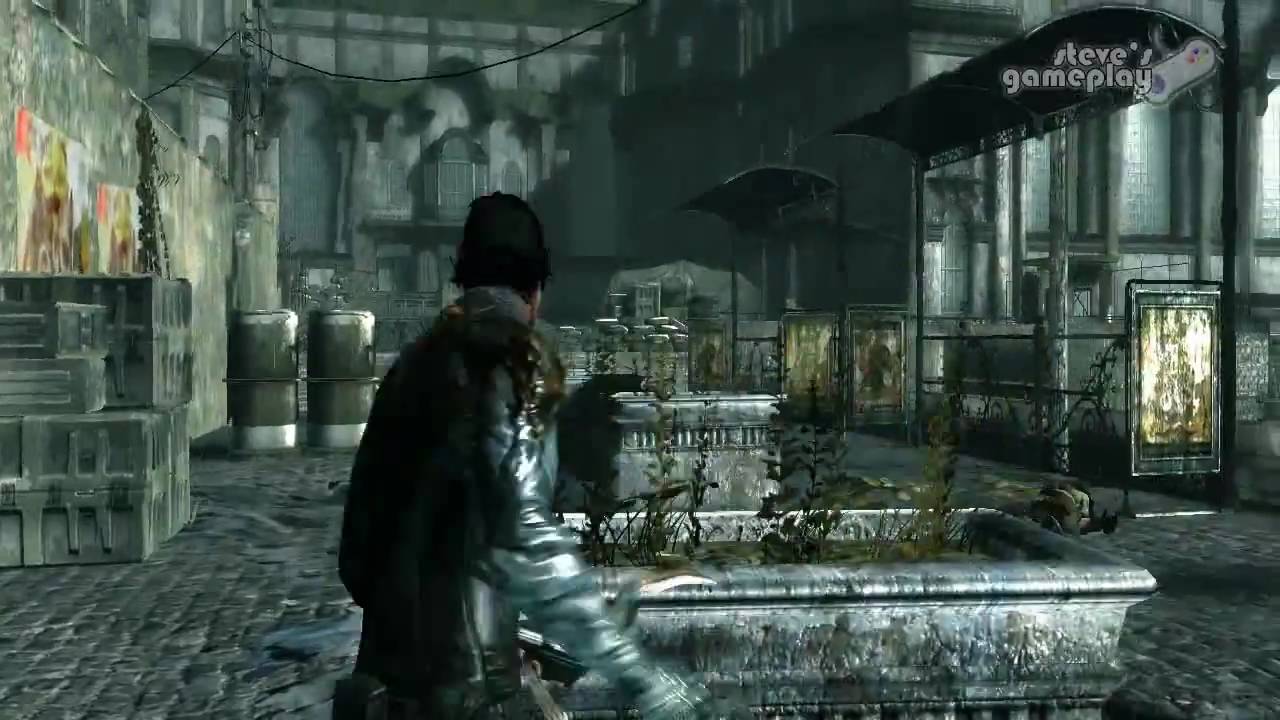
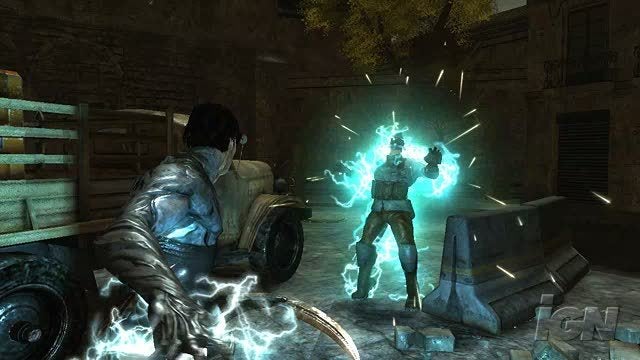
Dark Sector showcased impressive visuals for its time, leveraging the capabilities of Digital Extremes' proprietary Evolution engine. The environments are meticulously crafted, ranging from claustrophobic corridors to expansive outdoor locations within the fictional Eastern Bloc country of Lasria. The game's visual style leans towards a gritty realism, with detailed textures and realistic lighting effects that enhance the sense of immersion. Character models are well-rendered, although some animations may appear slightly dated by today's standards. The use of particle effects, particularly during combat encounters, adds to the spectacle and visceral impact of the action. While not pushing the absolute limits of the hardware, Dark Sector demonstrated a strong understanding of visual storytelling and atmospheric design.
Gameplay Mechanics and Core Systems
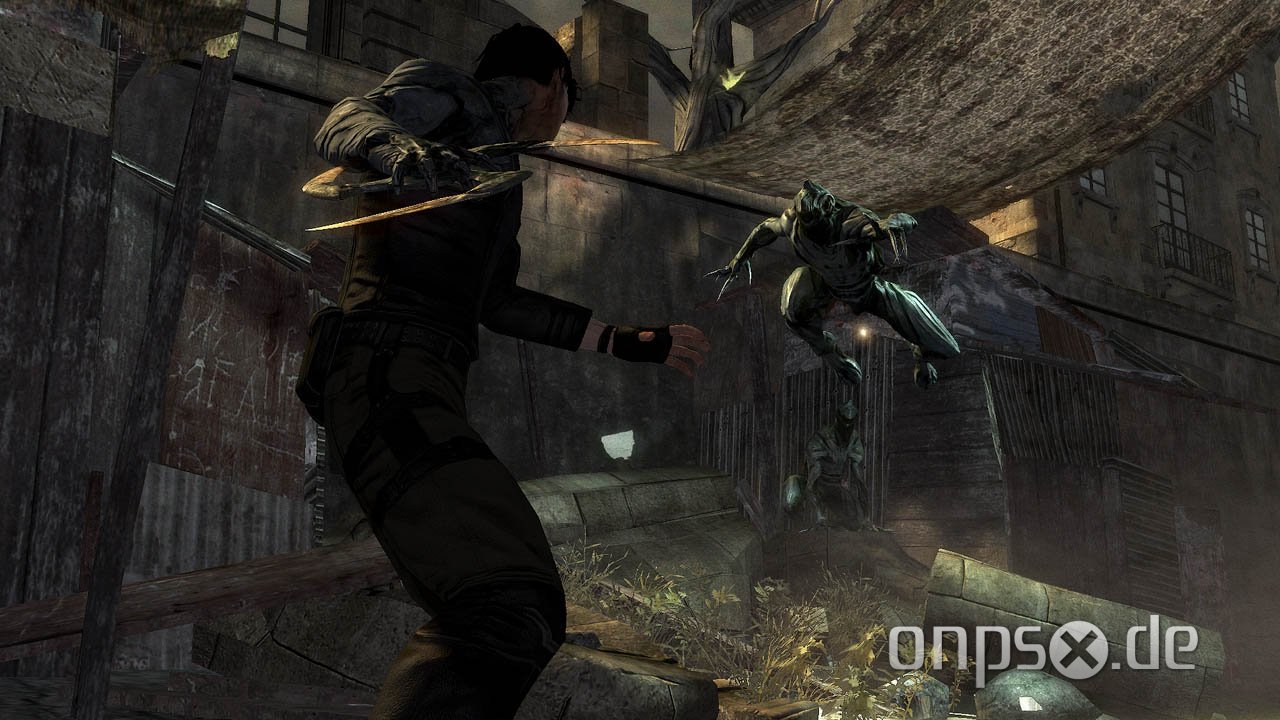
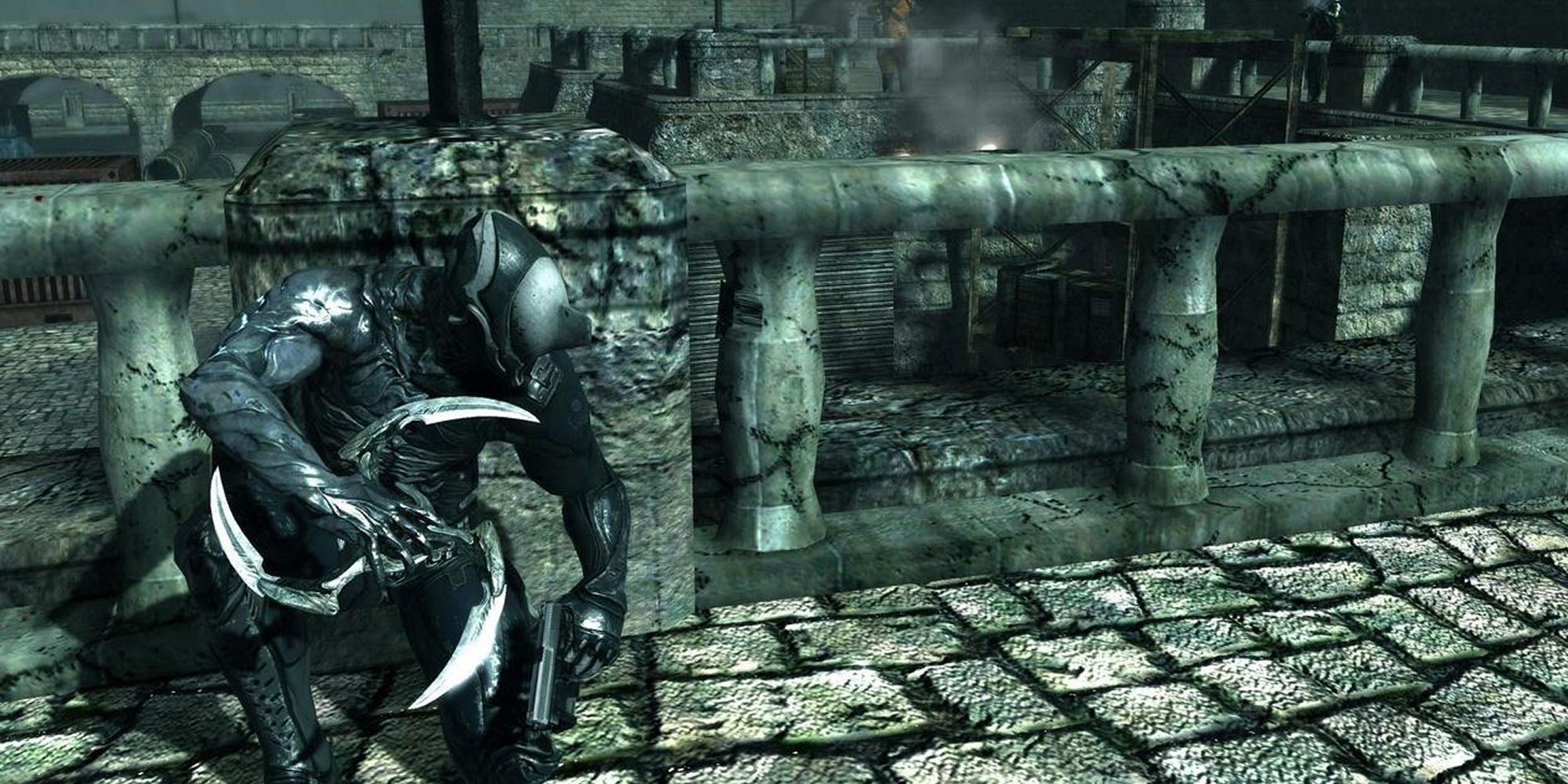
The core gameplay revolves around Hayden Tenno's unique ability to manifest a three-pronged Glaive, a versatile weapon that serves as both a projectile and a melee tool. Mastering the Glaive is crucial for success, requiring players to learn its trajectory, range, and various combat applications. The game features a robust upgrade system, allowing players to enhance Hayden's abilities and customize his arsenal. Combat encounters are intense and challenging, demanding strategic use of cover, timing, and resource management. While the gameplay loop may feel somewhat repetitive at times, the innovative Glaive mechanic and satisfying sense of progression keep players engaged.
Level Design and World Atmosphere
The level design in Dark Sector is a blend of linear corridors and more open environments, encouraging exploration and strategic positioning. The game's world, Lasria, is richly detailed and steeped in Cold War-era aesthetics, creating a palpable sense of tension and paranoia. The architecture, the soundscape, and the overall atmosphere contribute to a compelling narrative that unfolds as players progress through the story. While some areas may feel somewhat cramped, the level design effectively guides players while providing opportunities for tactical gameplay.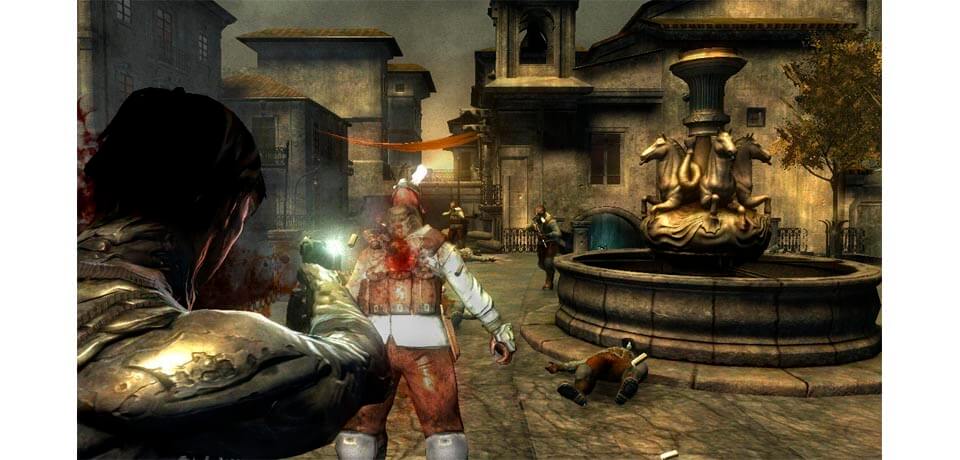
Narrative Depth and Character Profiles
Dark Sector's narrative is a gripping tale of espionage, betrayal, and scientific experimentation. Hayden Tenno, the protagonist, is a complex character grappling with his own moral compass as he navigates the treacherous world of international intrigue. The supporting cast is equally well-developed, each with their own motivations and secrets that contribute to the overarching plot. While the story may not break entirely new ground in terms of genre tropes, it is executed with skill and provides a compelling reason to explore the game's world and uncover its mysteries.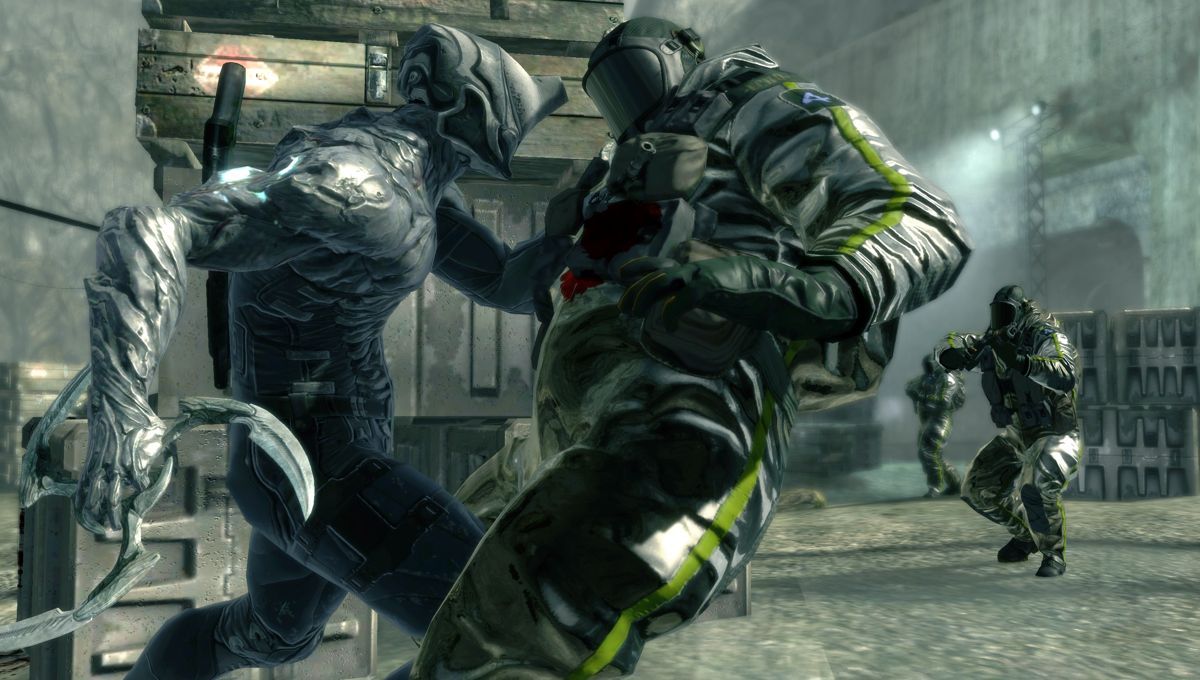
Sound Design and Acoustic Realism
The sound design in Dark Sector plays a crucial role in creating an immersive and unsettling atmosphere. The ambient sounds, from the creaking metal of abandoned facilities to the distant cries of mutated creatures, contribute to a palpable sense of dread. The weapon effects are impactful and satisfying, while the musical score effectively underscores the game's dramatic moments. The voice acting is generally well-performed, although some characters may feel slightly less convincing than others.
Release Expectations and Community Hype
Upon its release in 2008, Dark Sector received a mixed reception from critics and players alike. While praised for its innovative gameplay mechanics and unique setting, it was also criticized for its somewhat repetitive combat encounters and uneven pacing. Despite not achieving widespread commercial success, the game developed a dedicated cult following among fans who appreciated its originality and atmospheric depth. The anticipation for a potential sequel or remaster has remained strong within the gaming community, fueled by Digital Extremes' continued success with Warframe.
Conclusion: The Future of Dark Sector
Dark Sector remains a fascinating and often overlooked gem in the pantheon of third-person shooters. Its blend of action, horror, and sci-fi elements, combined with its unique setting and innovative gameplay mechanics, sets it apart from its contemporaries. While not without its flaws, the game's strengths outweigh its weaknesses, making it a worthwhile experience for fans of the genre. The enduring legacy of Dark Sector lies in its ability to inspire creativity and innovation within the gaming industry, paving the way for future titles that embrace originality and atmospheric depth. A potential return or expansion on this universe could be a huge success.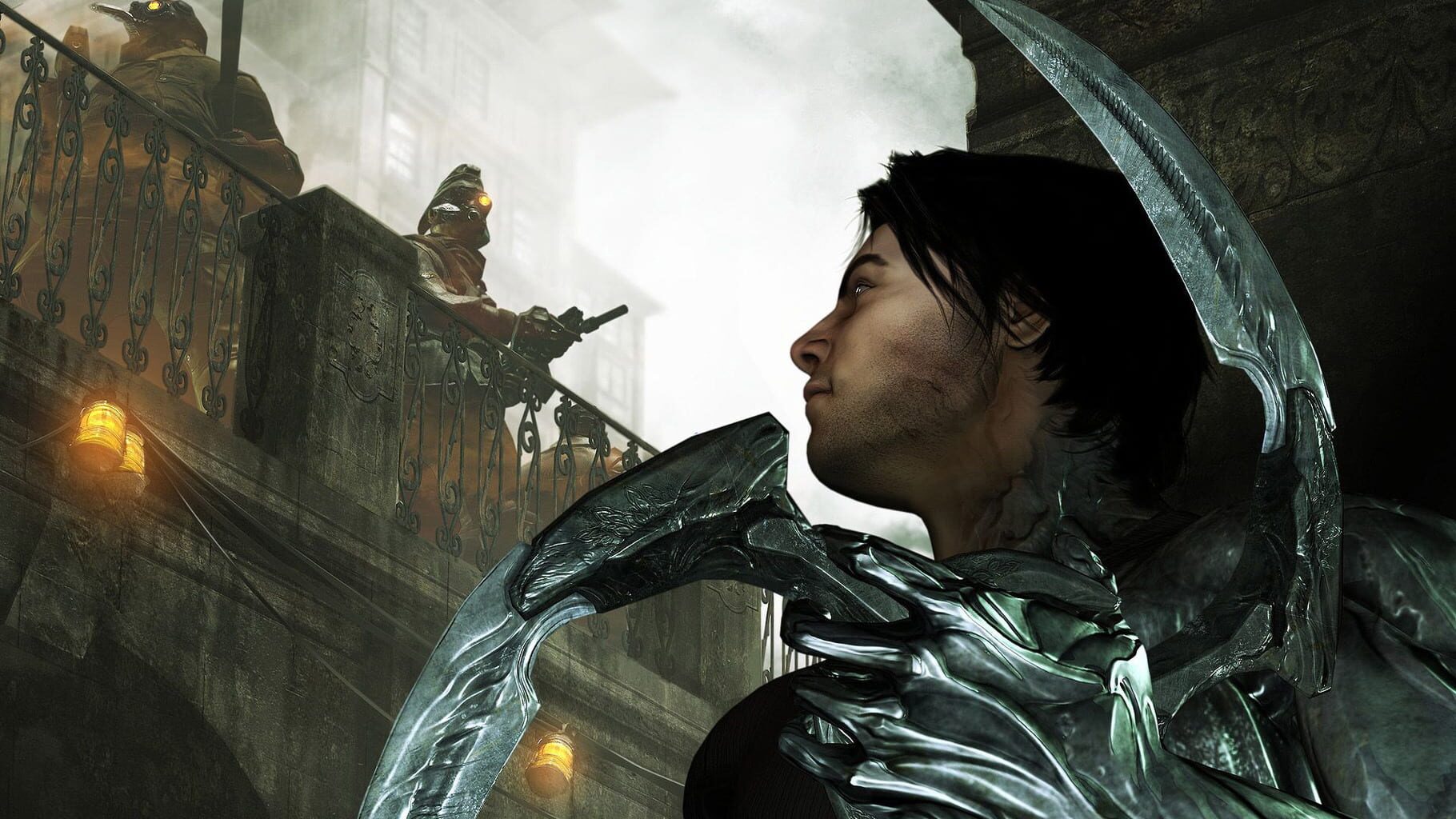
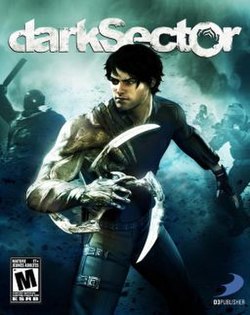
Source: Wikipedia
Google Preferred Source
Add us to your favorite news sources on Google
Get instant updates and breaking news directly in Google News