

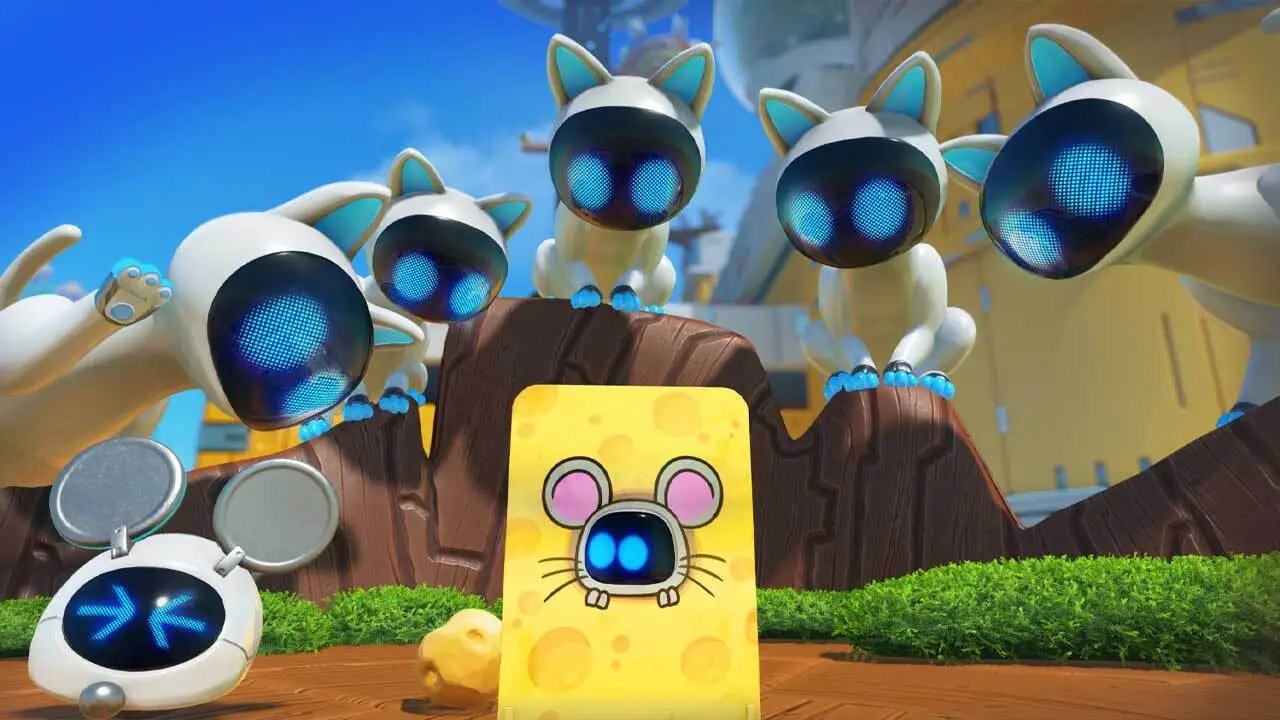
The rise of artificial intelligence is sending ripples through the creative industries, and gaming is no exception. While AI promises to streamline development and potentially lower costs, a growing chorus believes that players will increasingly value authentic, human-made experiences. Sony CEO Hiroki Totoki recently weighed in on this debate, suggesting that we’re heading towards an era where the “human factor” becomes even more crucial.
The Human Element: More Than Just Code
Totoki, who is also known as an Oasis superfan, believes that AI can be a valuable tool to “enhance” creativity. However, he emphasizes that it cannot replace the unique qualities that humans bring to film, music, and video games. “AI cannot replace it,” he stated in an interview with the Wall Street Journal. “It is really up to us. We take advantage of AI, or we face a threat from AI.” This sentiment highlights a growing concern within the industry – that over-reliance on AI could lead to homogenization and a loss of artistic expression.
Pushback From Industry Veterans
While some embrace AI as a tool, others are staunchly opposed. Celebrated Final Fantasy composer Nobuo Uematsu has spoken out against its use in creating new music for games. He acknowledges that AI can be helpful for transitions between sounds but finds the process of crafting music himself more rewarding. This perspective underscores the value that artists place on personal investment and creative struggle.

Prolific video game voice actor Troy Baker has also shared his thoughts on the subject, arguing that AI can generate content but “cannot create art” because it lacks the human experiences necessary to imbue creations with genuine emotion and meaning. This resonates deeply with players who appreciate the nuanced performances and relatable characters that make games truly memorable.
A Call for Authenticity: Games as an Antidote
In a world increasingly saturated with AI-generated content, titles like Mecha Chameleon are celebrated as a refreshing alternative . These games champion human craftsmanship and embrace imperfections, offering players a tangible connection to the creative process. They serve as a powerful reminder that authenticity is not just desirable; it’s essential.
AI Adoption in Asia: A Mixed Bag
The adoption of generative AI varies across different regions. In Asian territories, while there’s growing integration of AI in game development, concerns remain. A survey conducted by the organization behind the Tokyo Game Show revealed that over 50% of Japanese video game developers are incorporating AI into their workflows. However, a separate GDC survey indicated that 50% of developers believe generative AI is hurting the video game industry. This suggests a complex and nuanced perspective on the role of AI in Asian gaming.
Transparency and Player Response
When video game studios have been transparent about their use of AI, the response has often been negative. For example, Crystal Dynamics, the developer of Tomb Raider: Legacy of Atlantis, confirmed that while character designs – including Lara Croft herself – are entirely human-crafted, AI is used for early concept art and placeholder assets. Similarly, Sony revealed that it utilized machine-learning algorithms in Marvel’s Spider-Man 2 to accelerate development. While these studios aim to be upfront with players, the reactions have often been critical, highlighting a desire for games created primarily by human artists.
The debate surrounding AI in gaming is far from over. As technology continues to evolve, it will be crucial for developers to strike a balance between innovation and artistic integrity, ensuring that the experiences they create resonate with players on a deeply personal level.
Source: GameSpot























Join the conversation