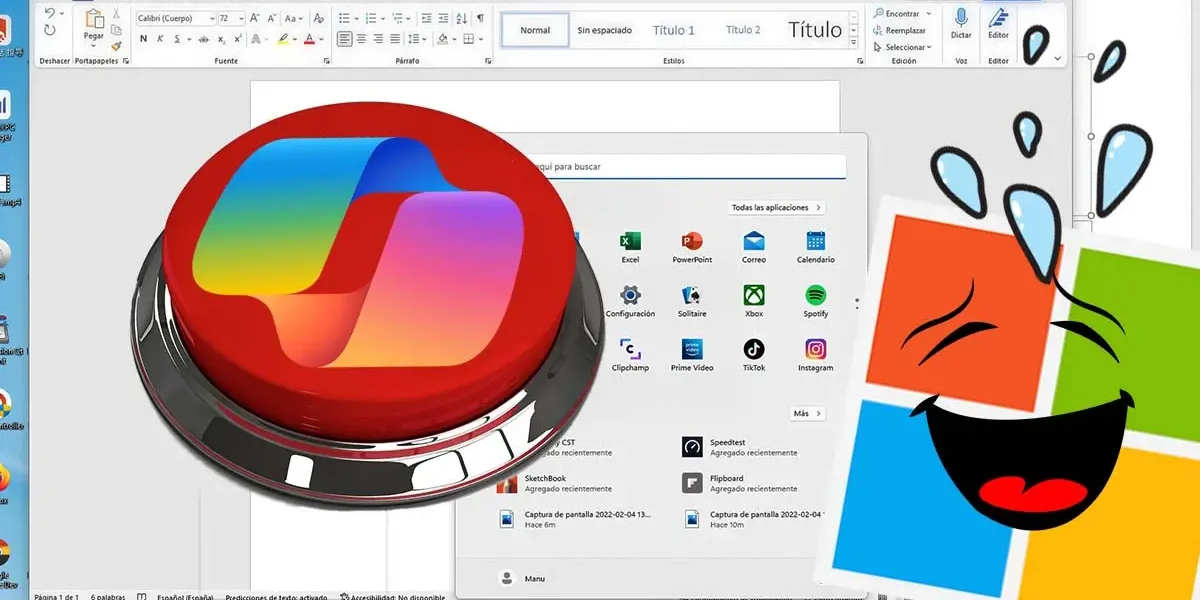
Microsoft has publicly admitted that its floating AI button in Office apps has become a genuine nightmare for everyday users. The feature, originally introduced to boost engagement, proved counterproductive: when it intruded too much on the screen, users would inadvertently click it or try to dismiss it, only to find it reappearing.
After weeks of relentless complaints—users reporting that the virtual assistant obscured critical information and cluttered their workspace—Microsoft finally decided to step back. The company announced that it will relocate the Copilot button to the top toolbar, a change slated for implementation by the end of May 2026.
Tech journalists and analysts have highlighted this episode as a stark illustration of the disconnect between Microsoft’s lofty AI ambitions and the reality of low adoption rates among its paid customer base.
The frustration within the community was palpable, especially given the lack of an easy way to hide the intrusive element. One particularly exasperated user described the implementation as “atrocious,” noting that “I capture screenshots for validation, and this overlays the data that already occupies limited screen space.”
According to a report by Windows Central, which cited a Windows Latest article, Microsoft’s initial response to the issue was minimal. The company offered only a handful of links explaining how to disable Copilot in Excel and Word, providing little tangible support for users grappling with the disruptive UI.
Microsoft has finally conceded that the floating Copilot button in its Office suite has been disrupting user workflows. The company is rolling out a fix to return the button to its traditional toolbar location, responding to criticism from Windows Central readers who called the placement “the worst decision I’ve seen.” The reviewer argued that, unlike web chatbots, Excel is not a web application and the button’s lower‑right corner placement unnecessarily blocks valuable workspace. The toolbar, where users expect to find tools, offers a more logical home for Copilot.
In an effort to justify the original design choice, Microsoft explained that “if intelligence doesn’t meet you at the right point in your workflow, it feels like a disruption rather than a partner.” The company said Copilot observes what you’re working on, understands context, and acts within the given environment. Ironically, the same tech giant noted that Copilot interactions only rose because the button floated by default, forcing the brand to heed user feedback and schedule the much‑anticipated rollback for the last week of May 2026.
Beyond the aesthetic overhaul, this episode highlights a broader issue that former Windows AI innovation lead Mat Velloso recently addressed. Velloso warned that Microsoft may have missed the AI wave, echoing past missteps with the internet and mobile phones. He cited that only about 3 % of paying customers actually use Copilot, even when it’s pre‑installed and widely distributed.
Contrasting the skepticism, CEO Satya Nadella offered a more optimistic outlook, announcing that over 20 million enterprise customers now pay for Microsoft Copilot—a 33 % increase from the 15 million users recorded in January. This growth underscores that, despite design setbacks, commercial adoption of the platform continues to accelerate at its own pace.
News Source: Tarreo





Comments
Be the first to comment.