The Genre Genesis: From Modern Titans to 1988 Pioneers
Interactive overworld map routing, transformation suits, flight meter physics, inventory item stockpiling, and airship boss battles—from Super Mario World, Super Mario Odyssey, Rayman Legends, Celeste, and Donkey Kong Country to every modern 2D platformer in existence—trace their undisputed royal lineage to October 23, 1988 with Nintendo’s supreme triumph Super Mario Bros. 3.
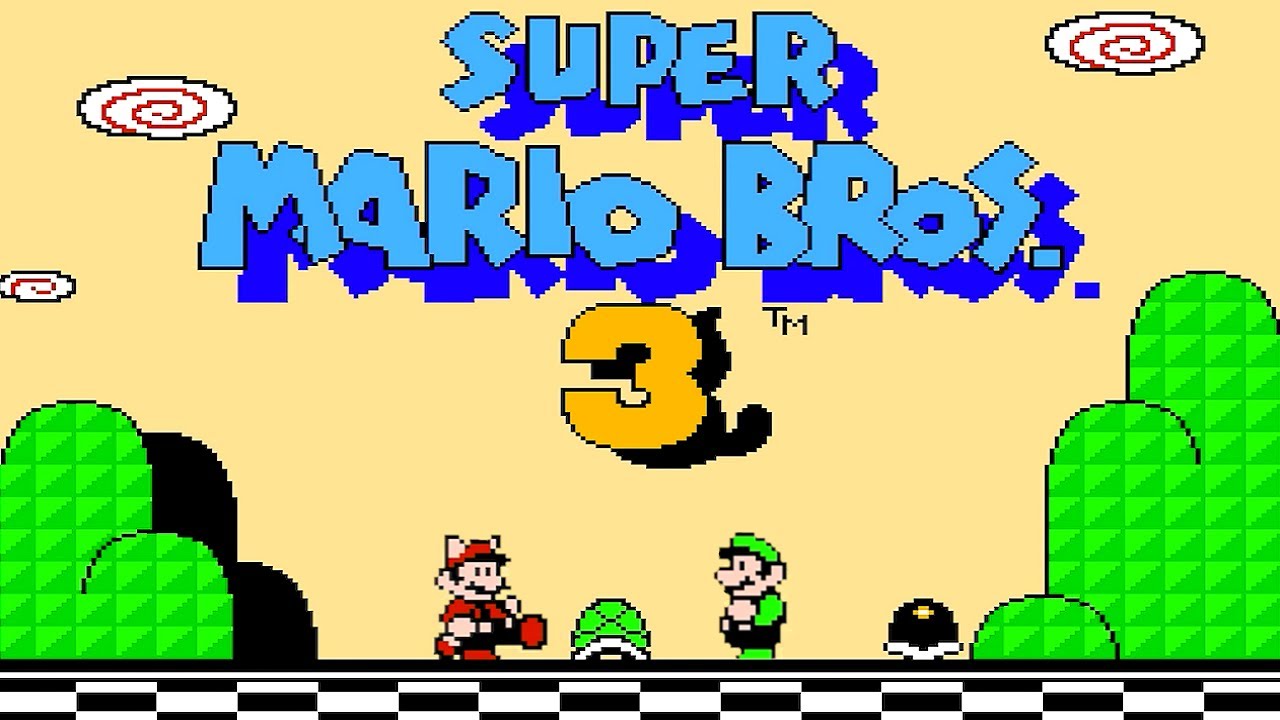
Conceived and directed by legendary visionaries Shigeru Miyamoto and Takashi Tezuka with an immortal musical score composed by Koji Kondo for Nintendo on the Nintendo Famicom and NES, Super Mario Bros. 3 was an earth-shattering industry colossus: it is universally celebrated by game designers, critics, and players as one of the single greatest, most innovative, and most influential video games ever created in human history, selling over 18 million copies.
Platform Context & Gaming Environment: The Eight Mushroom Worlds
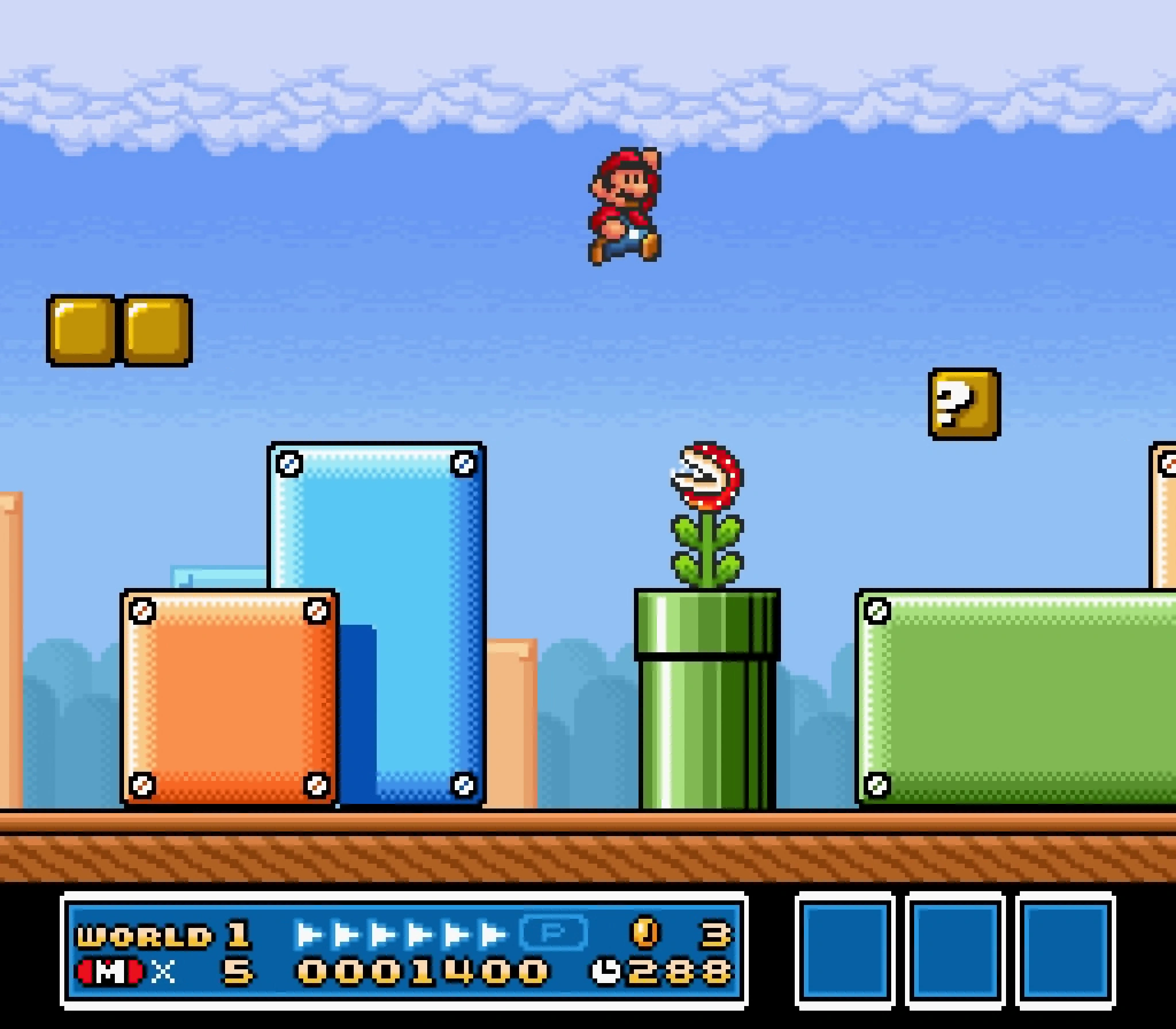
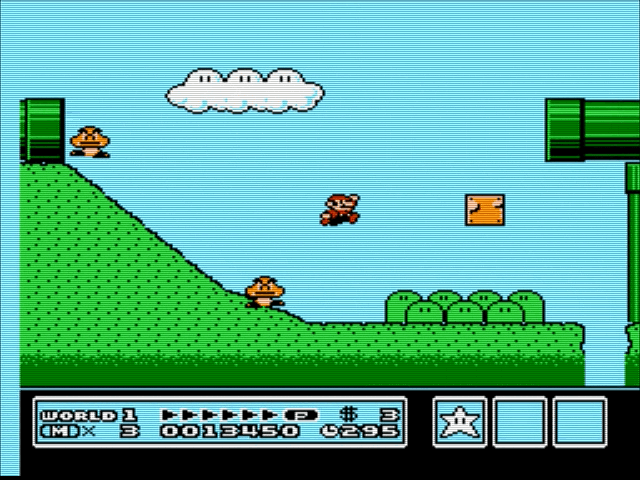
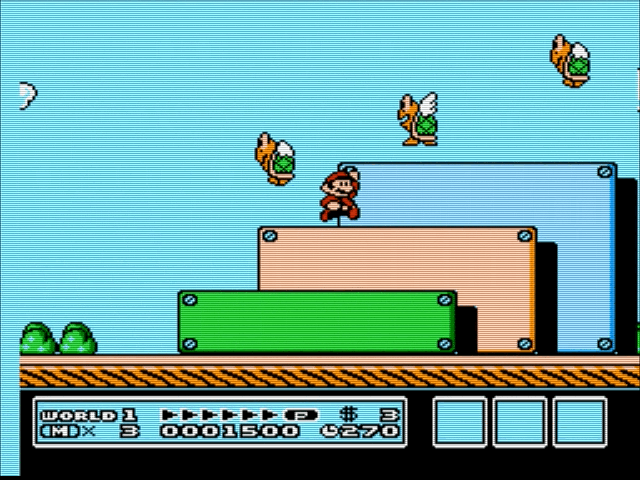
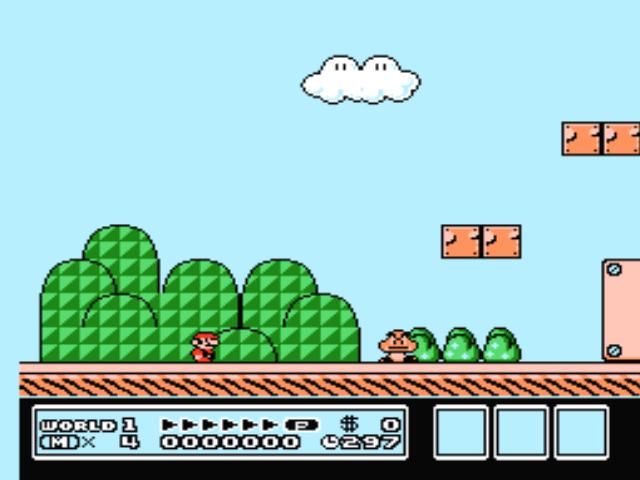
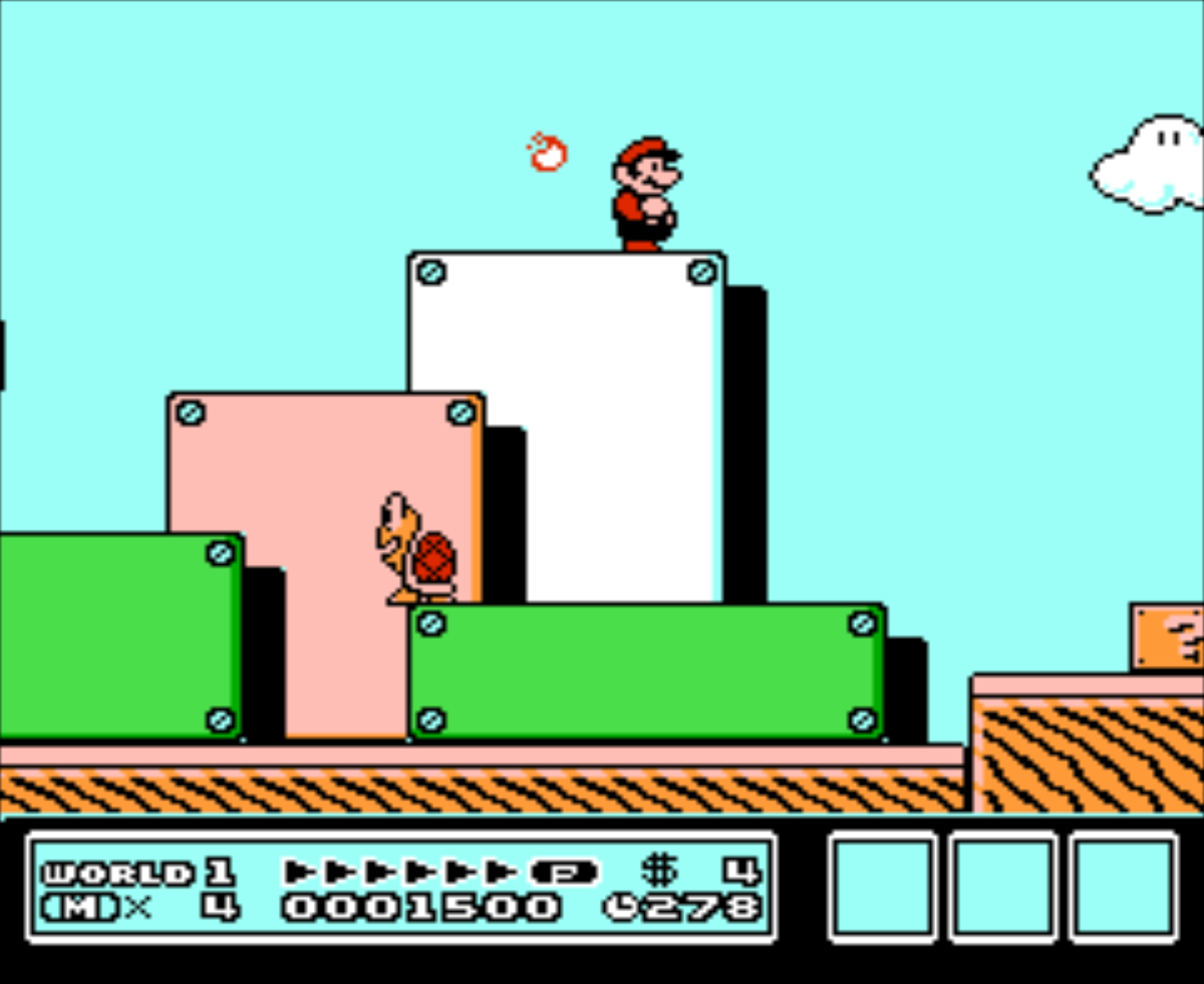
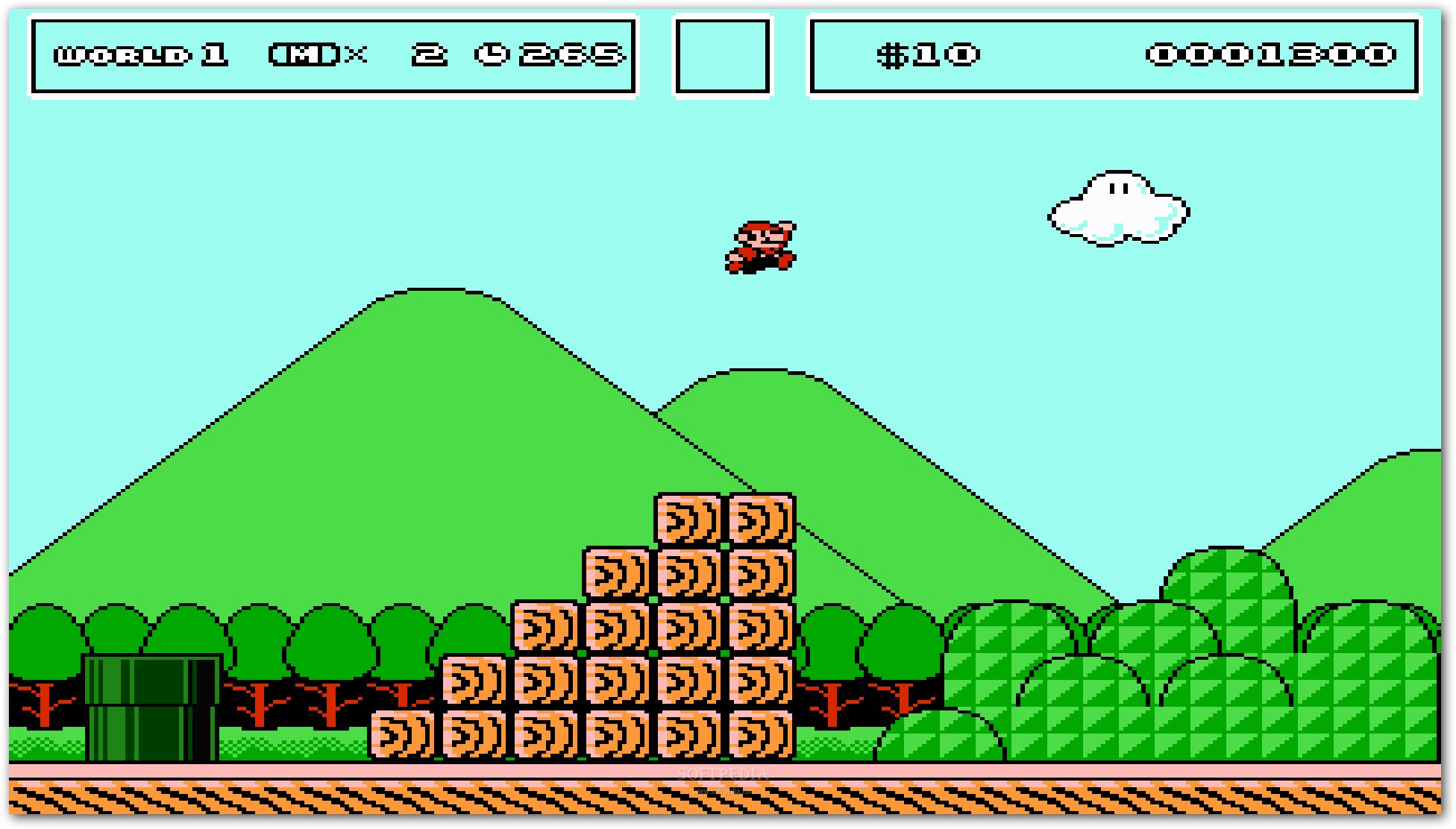
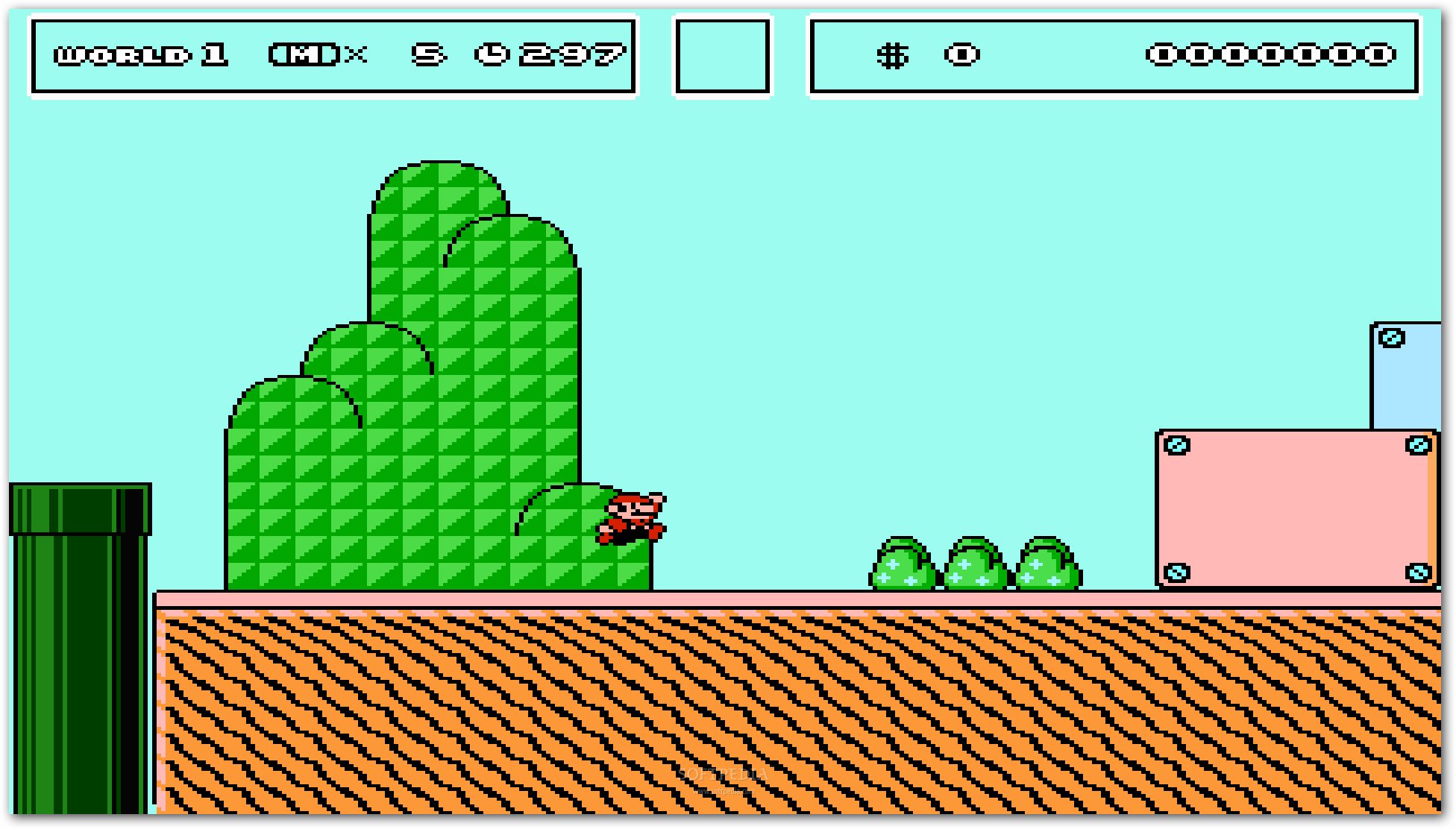
Super Mario Bros. 3 pushed the NES hardware to its technological absolute limit using the custom MMC3 memory management chip, rendering smooth diagonal scrolling, rich color palettes, and over 90 expansive levels across eight diverse worlds: Grass Land, Desert Land, Sea Side, Giant Land (where all blocks and enemies are colossal!), Sky Land, Ice Land, Pipe Land, and Dark Land.
The game opened with the pulling of a theater stage curtain, introducing the Interactive Overworld Map, wandering Hammer Bro encounters, Toad’s item houses, and Spade card matching mini-games.
Popularity & Cultural Standing: The Greatest 2D Platformer of All Time

Super Mario Bros. 3 was an astronomical commercial and cultural phenomenon across the globe, famously promoted in the climax of the 1989 Hollywood movie *The Wizard*. It swept every major “Game of the Year” award and is permanently ranked near the top of every “Best Games of All Time” list.
Gameplay Mechanics & Technical Innovations

Super Mario Bros. 3 established the foundational grammar of modern platforming design:
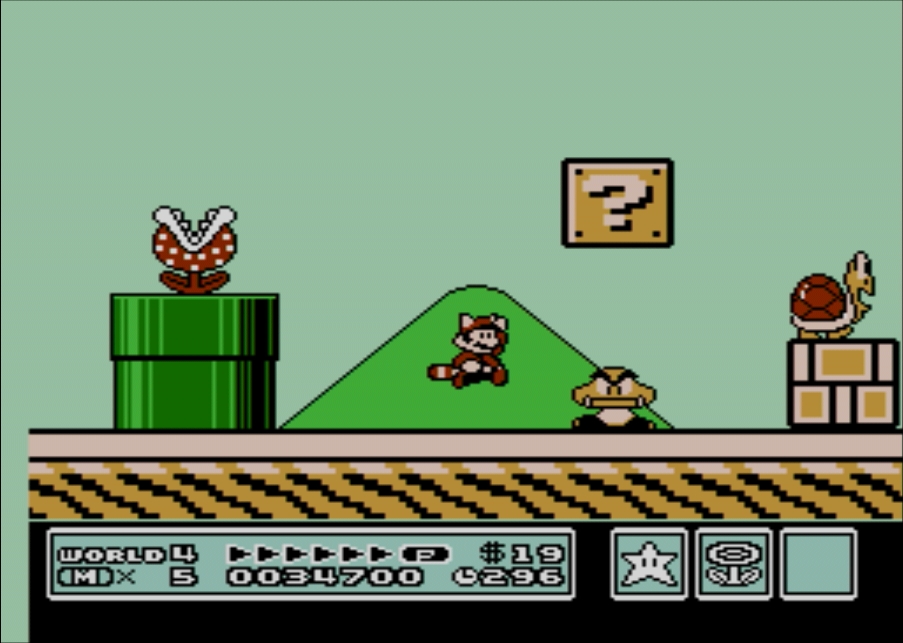
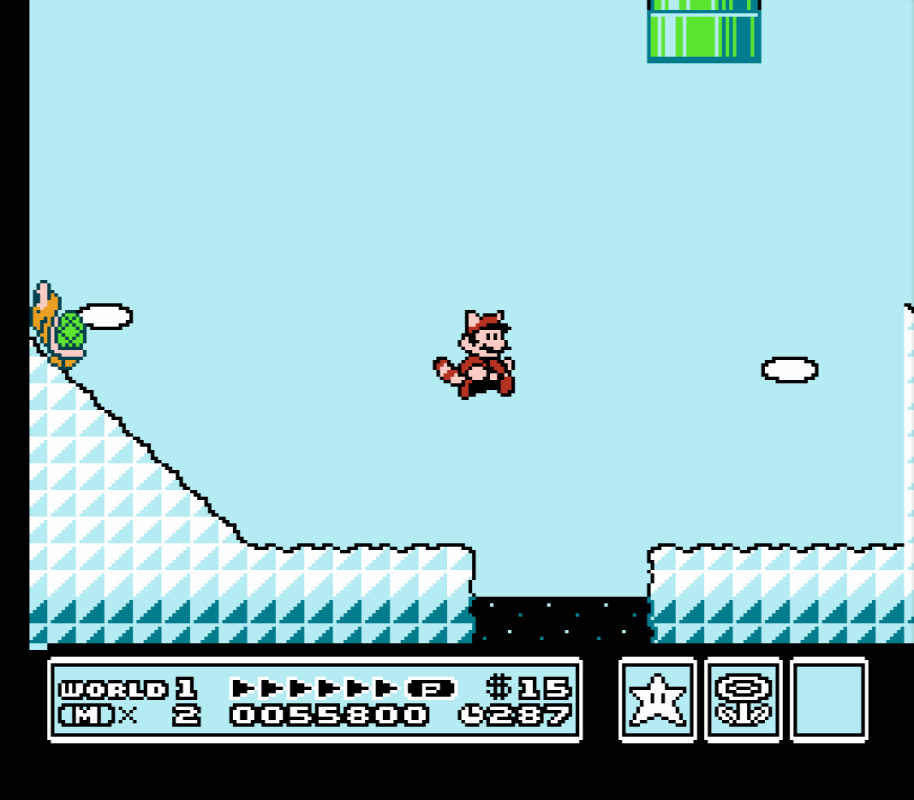
- The P-Meter & Raccoon Mario Flight: Sprint across ground runways to charge the chevron P-Meter; taking flight with the Super Leaf (Raccoon Mario) allows Mario to soar high above levels to discover hidden clouds and secret sky coin caches.
- Iconic Transformation Power Suits:
- Tanooki Suit: Grants Raccoon flight while allowing Mario to transform into an invincible stone statue!
- Frog Suit: Master fluid 360-degree underwater swimming.
- Hammer Suit: Hurls high-damage hammers that defeat even Thwomps and Boos.
- P-Wing: Grants infinite, permanent flight for an entire stage.
- Goomba’s Shoe (Kuribo’s Shoe): Hop inside giant green wind-up shoes to stomp across Muncher spikes.
- World Map Item Inventory: Hoard power-ups, Music Boxes, Anchors, and Warp Whistles in an accessible bottom-screen item tray to deploy before entering challenging stages.
- Bowser’s Seven Koopalings on Flying Airships: Infiltrate Bowser’s mechanical flying Doomships, dodging cannonball barrages and wrench-tossing Rocky Wrenches to duel the Koopalings (Larry, Morton, Wendy, Iggy, Roy, Lemmy, and Ludwig von Koopa) and reclaim the stolen royal magic wands!
Historical Legacy & Archival Preservation
Super Mario Bros. 3 is permanently enshrined as a crown jewel of the World Video Game Hall of Fame and the Smithsonian Institution. As Shigeru Miyamoto, Takashi Tezuka, and Koji Kondo’s supreme masterpiece, its legacy in human entertainment is eternal.