
Introduction: The Next Chapter for Metal Slug 3
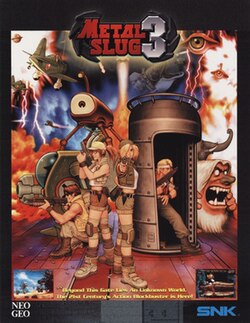
Metal Slug 3, released in 2000 by SNK, represents a significant evolution within the beloved run-and-gun franchise. Building upon the foundation laid by its predecessors, particularly Metal Slug 2 and Metal Slug X, this installment introduced branching paths, enhanced gameplay mechanics, and refined visuals that captivated players worldwide. This deep dive will explore every facet of Metal Slug 3, from its technical underpinnings to its lasting impact on the gaming landscape.
Visual Direction and Graphics Engineering
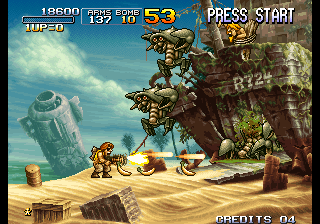
While constrained by the technology of its time, Metal Slug 3 showcases impressive visual fidelity for a 2000 release. The proprietary engine allowed for detailed character sprites, expansive environments, and explosive special effects that were groundbreaking at the time. The game’s art style remains iconic, characterized by its blend of cartoonish charm and gritty realism. Later ports to modern platforms attempted to enhance the visuals, but often fell short of capturing the original’s unique aesthetic. The use of parallax scrolling and limited animation frames contributed to a distinctive look that has aged surprisingly well.
Gameplay Mechanics and Core Systems
At its core, Metal Slug 3 retains the addictive run-and-gun gameplay that defines the series. Players control Marco or Tarma (or their female counterparts) as they battle hordes of enemies across diverse environments. The game introduces new weapons and vehicles, including the iconic “Metal Slug” tank, which provides a significant boost to firepower and defense. Branching paths offer increased replayability, allowing players to experience different levels and encounters based on their choices. Mastering the timing of jumps, dodges, and weapon switches is crucial for survival.
Level Design and World Atmosphere
Metal Slug 3’s level design is a masterclass in environmental storytelling. Each stage offers a unique atmosphere, from lush jungles teeming with wildlife to war-torn cities under siege. The attention to detail in the backgrounds, coupled with dynamic weather effects, creates an immersive experience. The game seamlessly blends humor and intensity, often juxtaposing absurd situations with moments of intense action.
Narrative Depth and Character Profiles
While not heavily reliant on a complex narrative, Metal Slug 3 subtly weaves a story through its gameplay and character interactions. Marco and Tarma are joined by new allies, each with their own distinct personalities and motivations. The game explores themes of war, rebellion, and the resilience of the human spirit. While brief, these moments add depth to the overall experience.
Sound Design and Acoustic Realism
The sound design in Metal Slug 3 is equally impressive, featuring a memorable soundtrack composed by Masato Horiuchi, Takushi Hiyamuta, and Yoshihiko Wada. The iconic music perfectly complements the on-screen action, creating a sense of urgency and excitement. The sound effects, from weapon fire to enemy grunts, are crisp and impactful, further enhancing the immersive experience.
Release Expectations and Community Hype
Upon its release in 2000, Metal Slug 3 was met with widespread acclaim, solidifying its place as a classic within the run-and-gun genre. The game’s innovative gameplay mechanics, stunning visuals, and memorable soundtrack quickly garnered a dedicated fanbase. Subsequent ports to various platforms further expanded its reach, introducing the series to new audiences.
Conclusion: The Future of Metal Slug 3
Metal Slug 3 remains a timeless classic, celebrated for its addictive gameplay, charming visuals, and iconic soundtrack. Its influence can be seen in countless games that followed, solidifying its place as a cornerstone of the run-and-gun genre. While newer entries in the series have been released, Metal Slug 3 continues to hold a special place in the hearts of gamers worldwide.

Source: Wikipedia


