Introduction: The Next Chapter for Digimon World 3
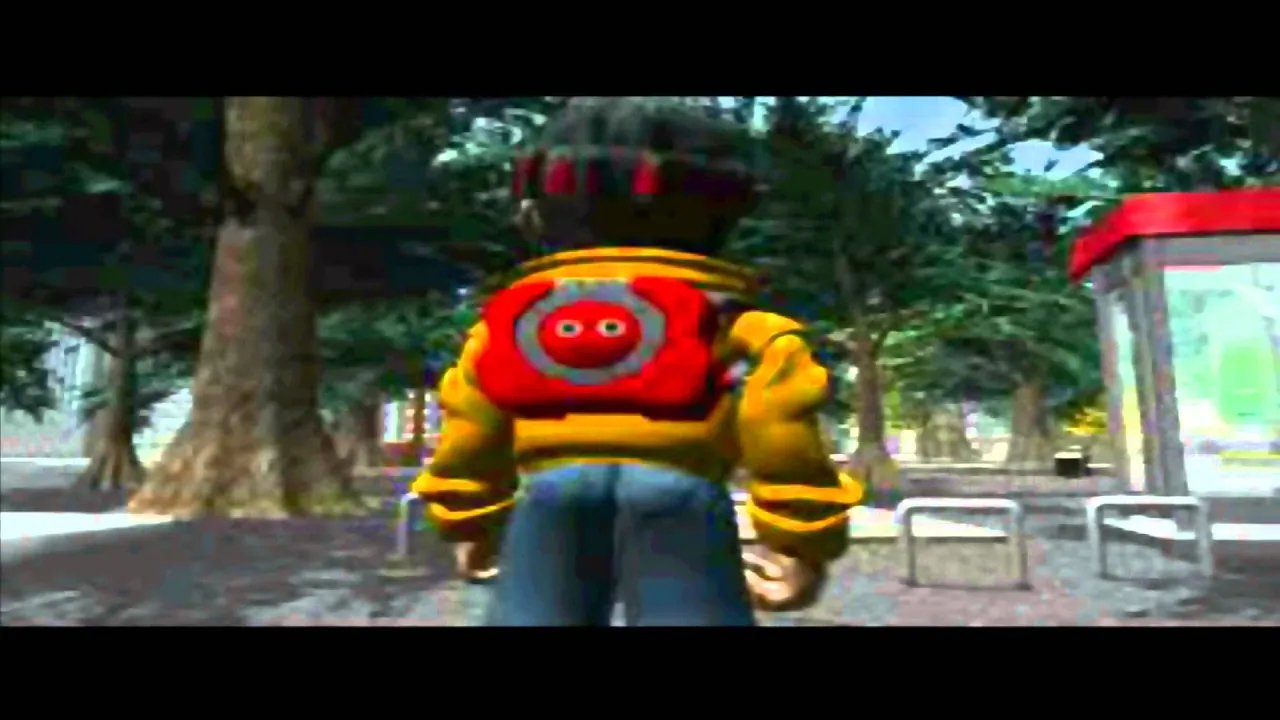
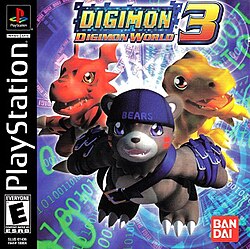
Digimon World 3, released in North America in June 2002 and later in Japan and Europe, represents a significant evolution within the Digimon franchise. Developed by BEC Boom Corp. and published by Bandai, this installment aimed to bridge the gap between classic RPG mechanics and the unique charm of the Digimon universe. It’s more than just another game; it’s a testament to how developers can innovate while staying true to their roots. The narrative centers around Junior, who finds himself trapped within an online MMORPG called “Digimon Online” after a terrorist attack. He must team up with his friends and Digimon partners to escape the digital world and uncover the truth behind the incident. This game builds upon the foundation laid by its predecessors but introduces new gameplay elements and a more mature storyline, making it a crucial entry point for both long-time fans and newcomers alike.
Visual Direction and Graphics Engineering
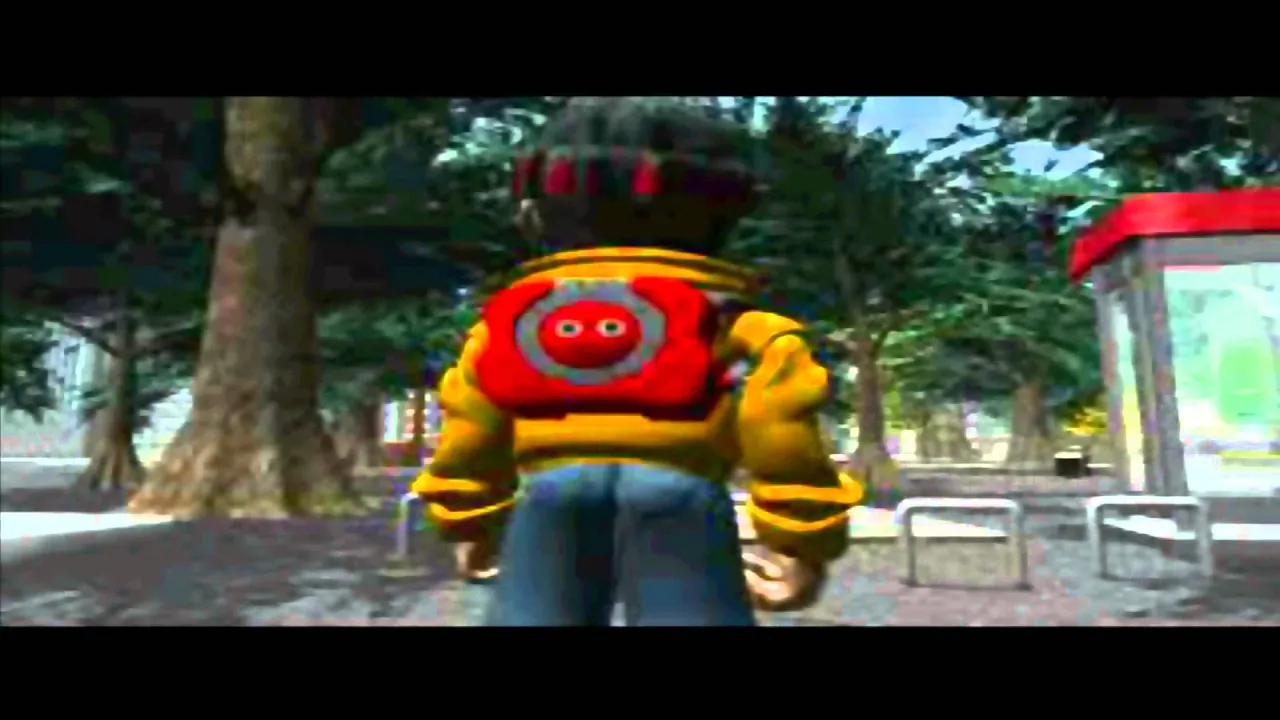
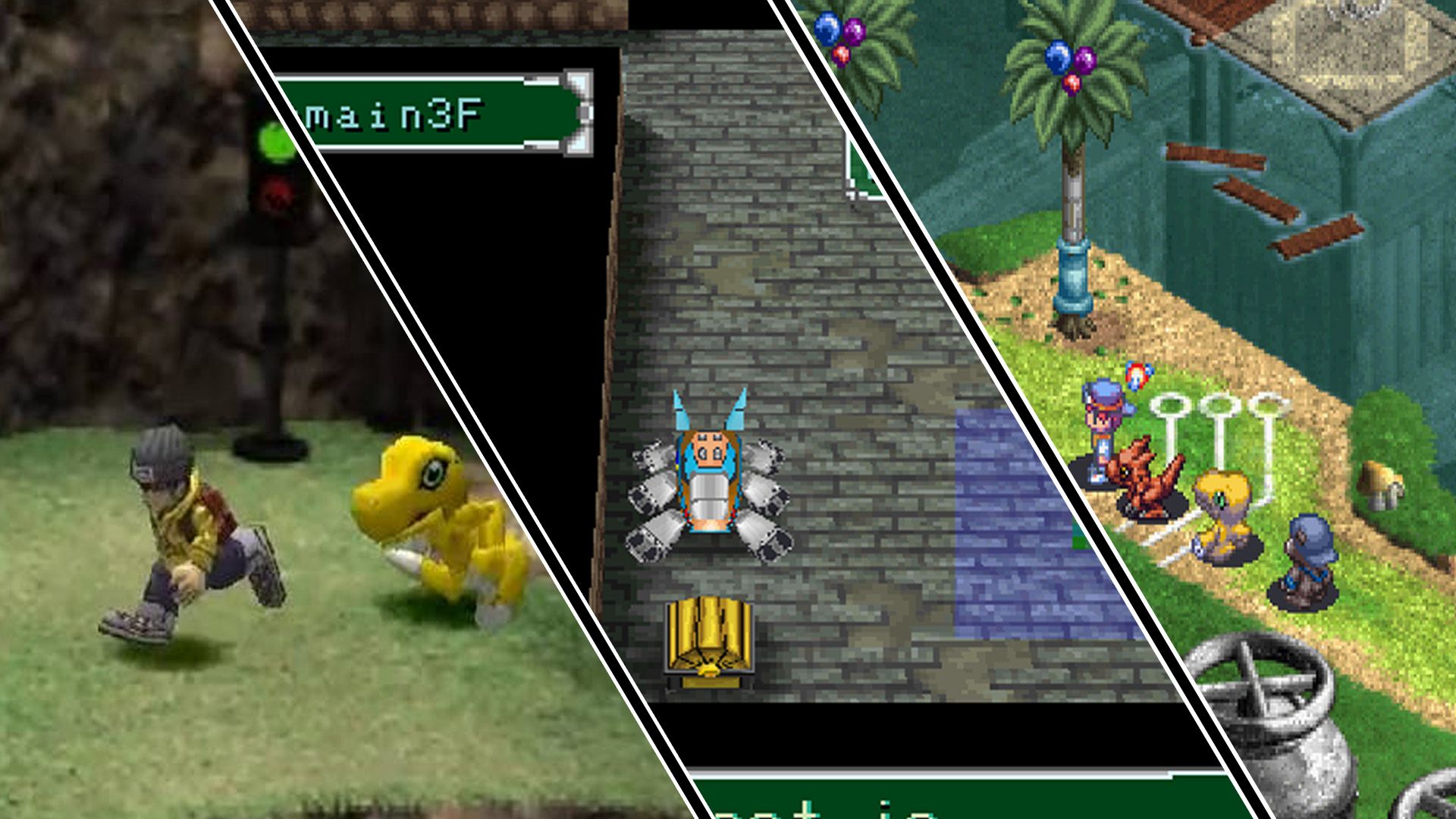
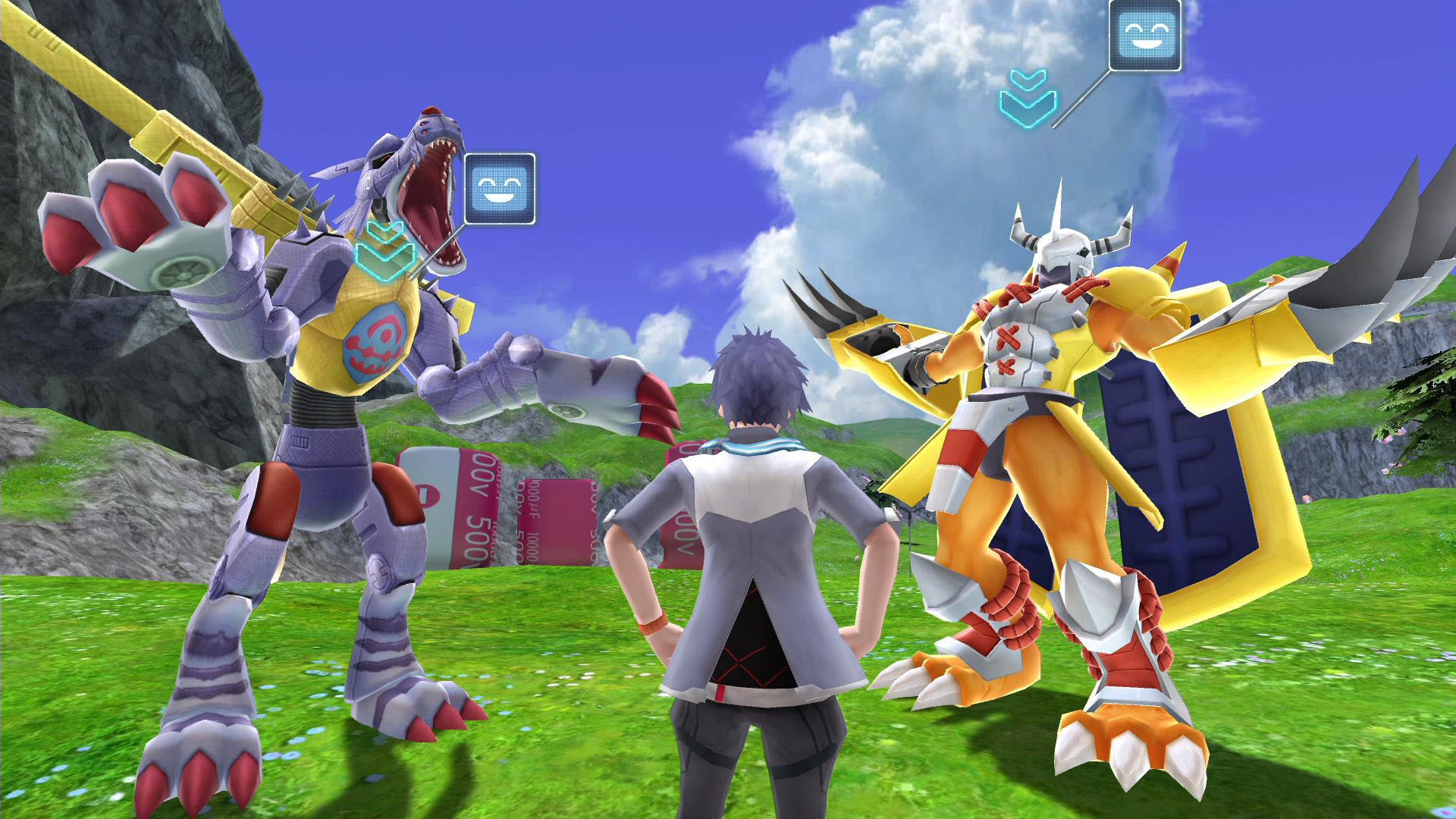
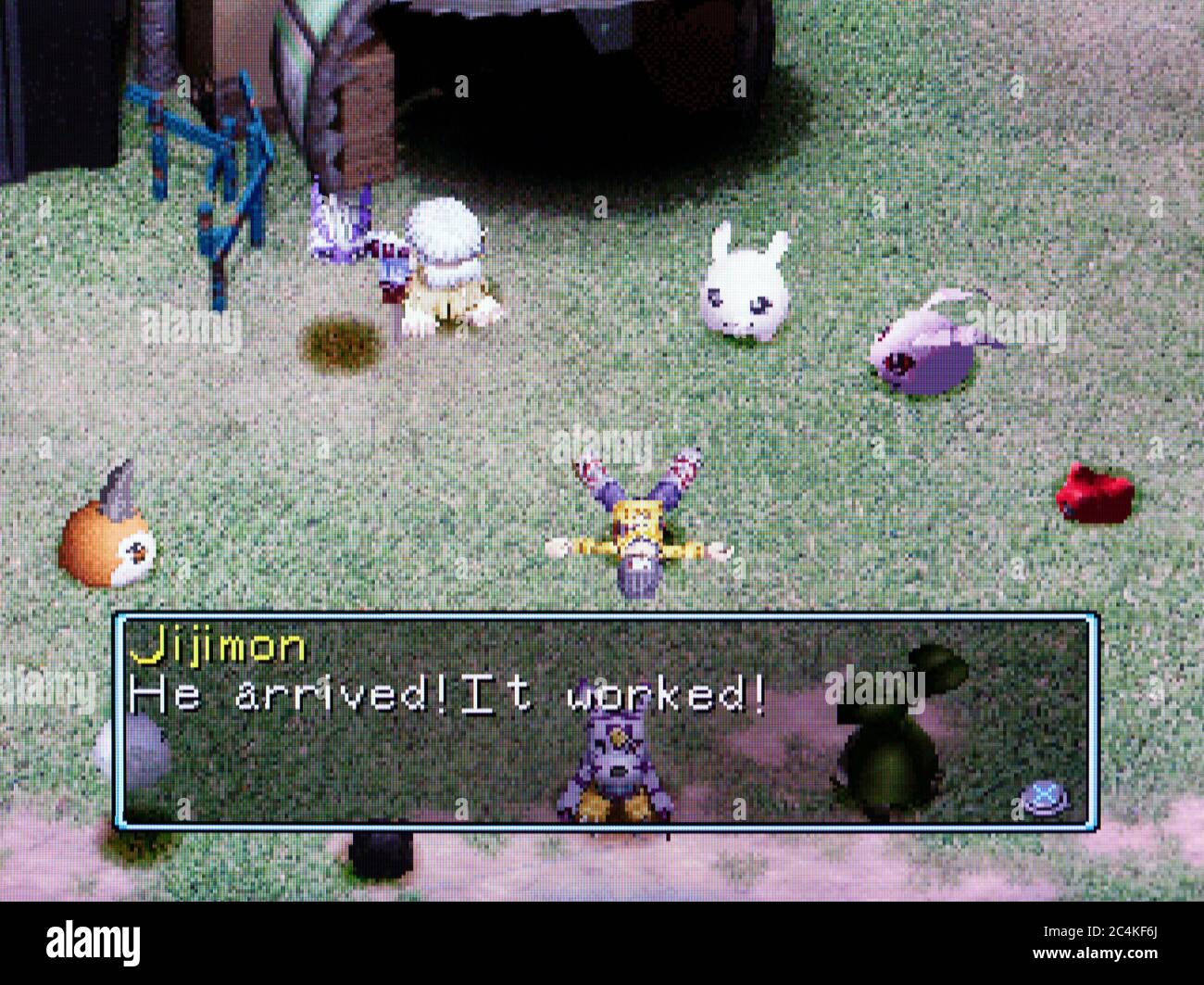
Digimon World 3’s visual direction was ambitious for its time. While limited by the hardware capabilities of the PlayStation, the developers at BEC Boom Corp. strived to create a vibrant and immersive digital world. The game utilizes pre-rendered backgrounds combined with polygonal character models, a common technique employed in early 3D games. This approach allowed for detailed environments and expressive character animations. However, the graphics engine, while proprietary, shows its age when viewed through modern standards. Character sprites are relatively small, and textures lack the resolution seen in later titles. Despite these limitations, the game’s art style remains charming and contributes to its overall appeal. The visual design effectively captures the essence of the Digimon universe, with bright colors and imaginative creature designs.
Gameplay Mechanics and Core Systems
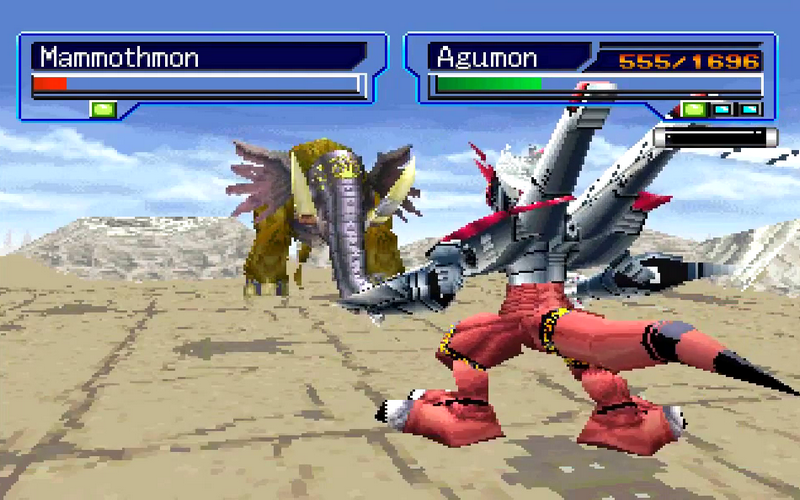
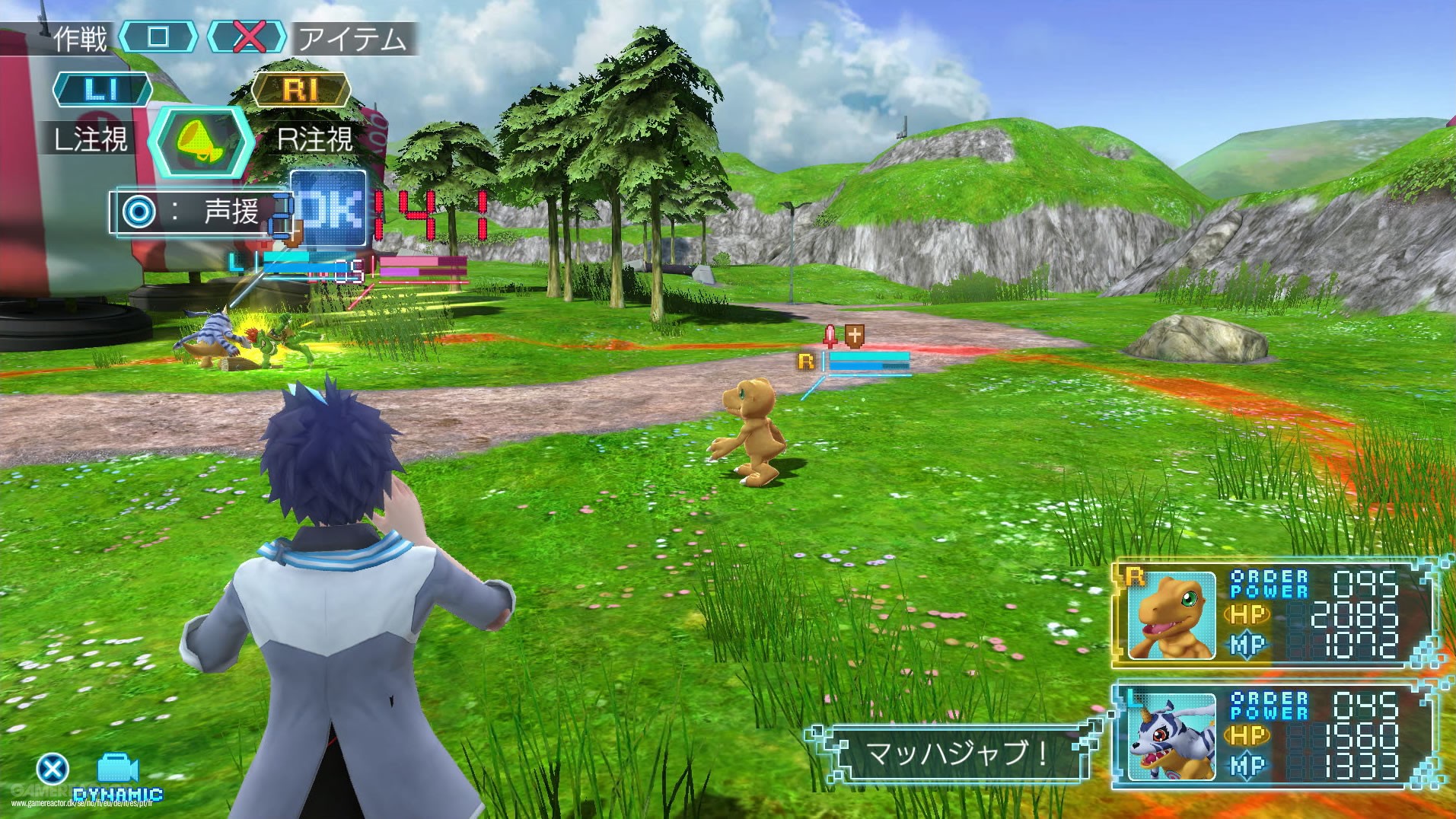
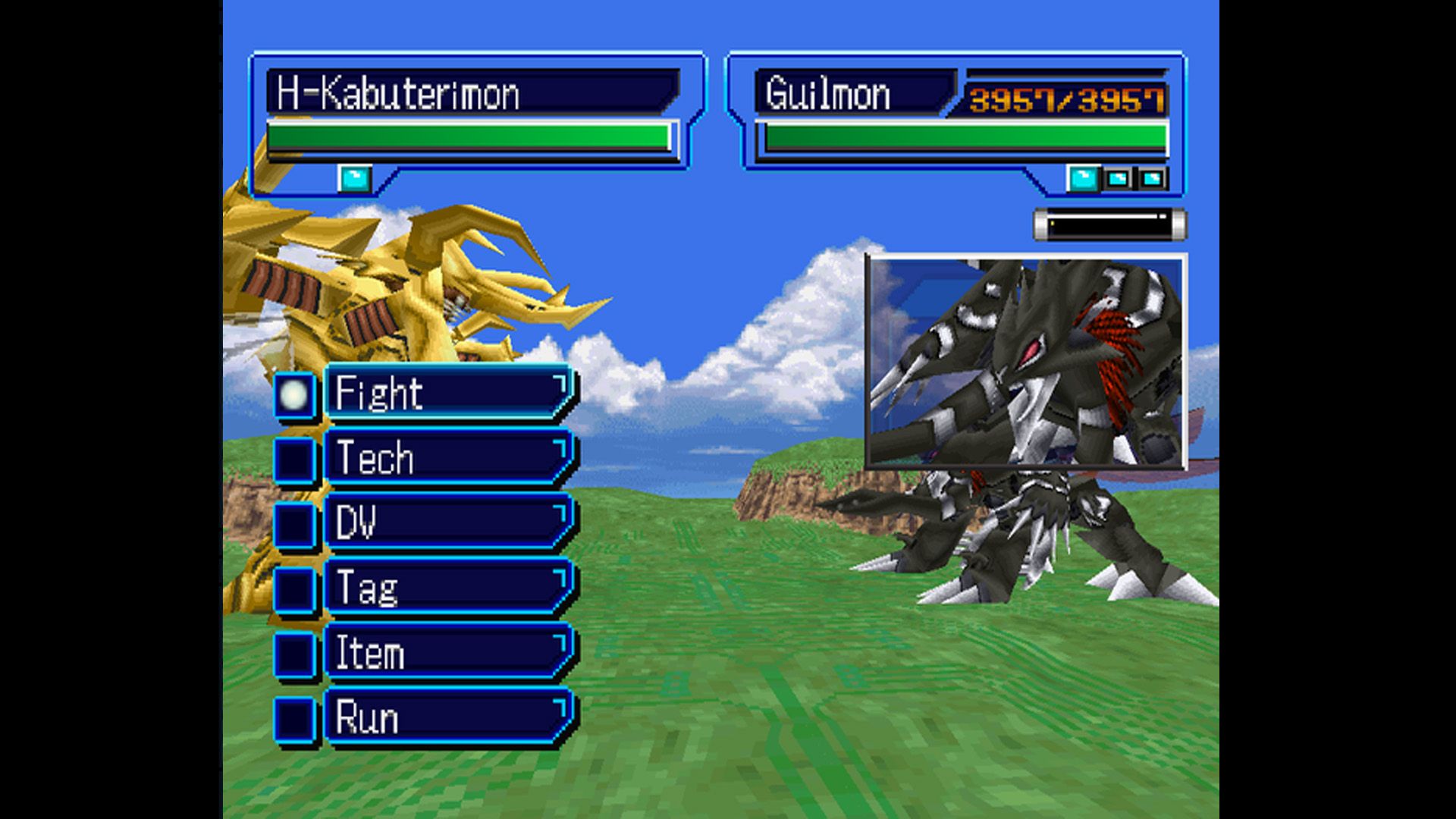
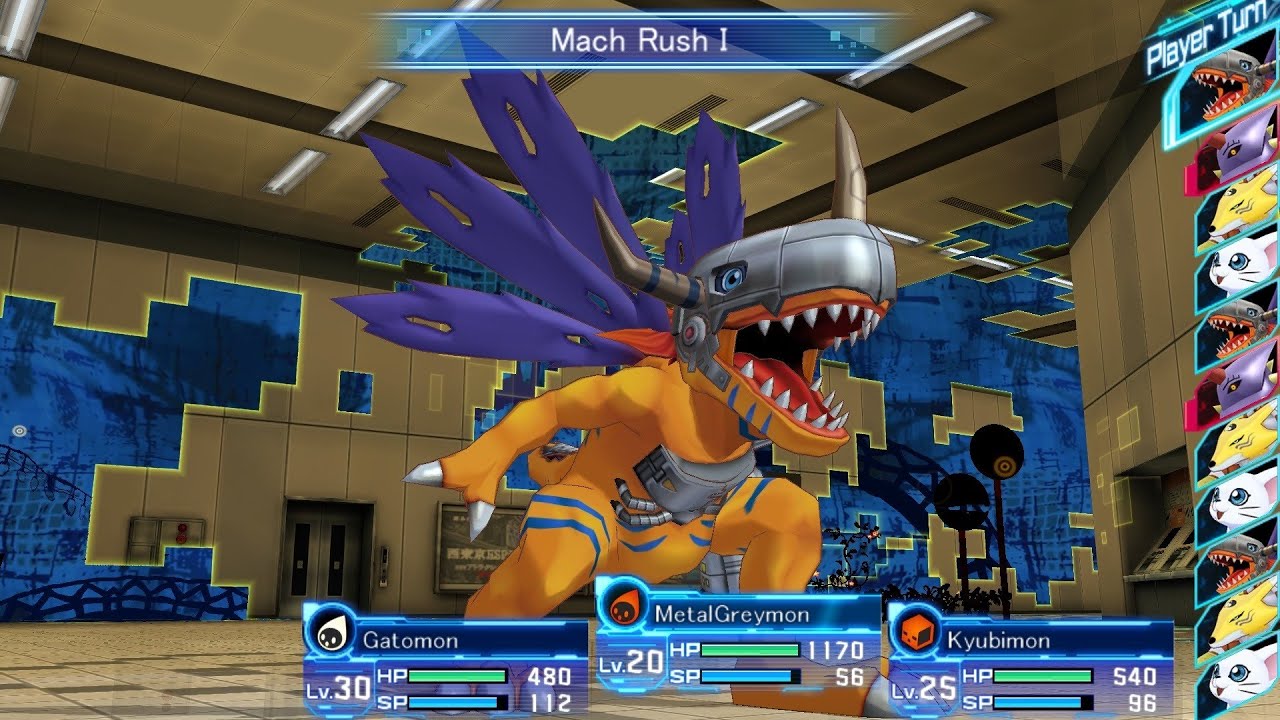
The gameplay mechanics in Digimon World 3 represent a departure from previous entries in the series. While retaining core elements like raising and battling Digimon, the game incorporates RPG systems inspired by titles like Final Fantasy VII and Legend of Dragoon. The player controls Junior as he explores the digital world, interacting with characters and uncovering secrets. Battles are turn-based, requiring strategic decision-making to effectively utilize each Digimon’s unique abilities. A key feature is the “DigiFarm” system, where players can cultivate resources to strengthen their Digimon partners. This adds a layer of resource management that wasn’t as prominent in earlier games. The game also features an overworld map and battle screens, offering a blend of exploration and tactical combat.
Level Design and World Atmosphere
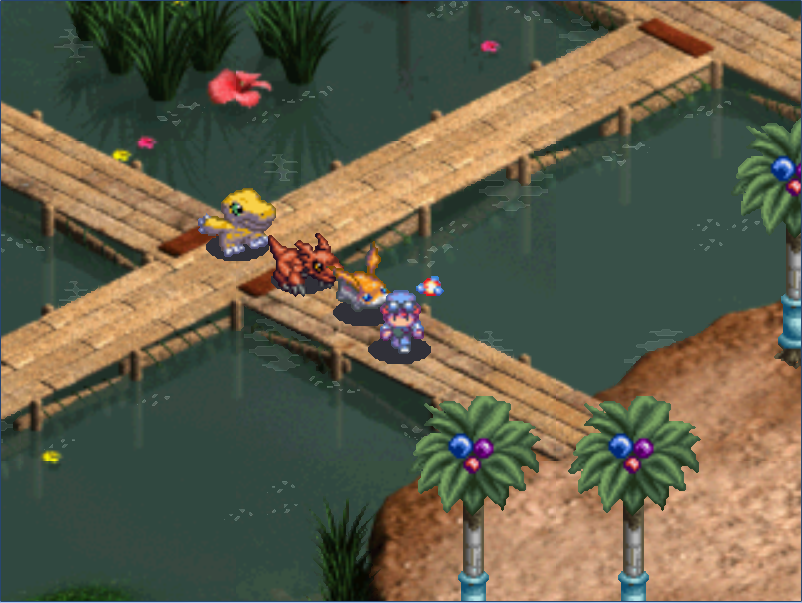
The level design in Digimon World 3 is crucial to the overall experience. The digital world is divided into distinct areas, each with its own unique atmosphere and challenges. From lush forests to sprawling cities, each location feels carefully crafted to immerse the player in the game’s narrative. The developers utilized pre-rendered backgrounds to create a sense of depth and scale, while polygonal character models allowed for interaction with the environment. While the level design might seem simple by today’s standards, it effectively conveys the feeling of being trapped within a vast and unknown digital realm. The careful placement of enemies, puzzles, and hidden areas encourages exploration and rewards players who take the time to uncover all that the world has to offer.
Narrative Depth and Character Profiles
Digimon World 3 distinguishes itself with a more mature narrative compared to its predecessors. The story revolves around Junior’s struggle to escape the digital world and unravel the mystery behind the terrorist attack. This darker tone allows for deeper character development and explores themes of friendship, betrayal, and sacrifice. The game features a cast of memorable characters, both human and Digimon, each with their own motivations and backstories. These characters are not simply tools to advance the plot; they are individuals grappling with complex emotions and facing difficult choices. This focus on narrative depth elevates Digimon World 3 beyond a simple monster-raising game, transforming it into a compelling story about overcoming adversity and finding strength in unity.
Sound Design and Acoustic Realism
The sound design in Digimon World 3 plays a vital role in creating an immersive experience. The soundtrack, composed by Satoshi Ishikawa, features a mix of orchestral pieces and electronic melodies that perfectly complement the game’s atmosphere. Sound effects are used to enhance the impact of battles and create a sense of realism. From the roar of powerful Digimon attacks to the subtle sounds of exploration, every audio cue is carefully crafted to draw the player deeper into the digital world. While limited by the technology of the time, the sound design effectively creates a believable and engaging auditory landscape. The music underscores key moments in the story, amplifying the emotional impact of both triumphs and tragedies.
Release Expectations and Community Hype
Upon its release, Digimon World 3 generated significant hype within the gaming community. Long-time fans were eager to see how the series would evolve, while newcomers were drawn in by the promise of a deeper and more engaging experience. The game was praised for its improved graphics, refined gameplay mechanics, and compelling narrative. However, it also faced criticism for its occasional technical limitations and somewhat repetitive gameplay loop. Despite these shortcomings, Digimon World 3 ultimately proved to be a commercial success, solidifying its place as a beloved entry in the franchise. The community’s enthusiasm helped sustain interest in the game long after its initial release, leading to continued discussion and analysis years later.
Conclusion: The Future of Digimon World 3
Digimon World 3 remains a significant milestone in the history of the franchise. It represents a bold step forward in terms of gameplay mechanics, narrative depth, and visual presentation. While it may not be as technically advanced as modern games, its charm and enduring appeal continue to resonate with players today. The game’s legacy can be seen in subsequent entries in the Digimon World series, which have all built upon the foundation laid by this pivotal installment.
As technology continues to advance, it is likely that we will see future iterations of Digimon World 3 that push the boundaries of what is possible. However, it is important to remember and appreciate the original game for its contribution to the franchise and its enduring place in gaming history.
Source: Wikipedia