Introduction: The Next Chapter for Battlefield 1943
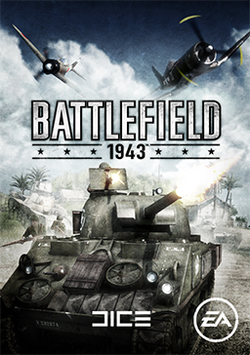
Battlefield 1943, a title that harkened back to the series’ roots while simultaneously pushing the boundaries of what was possible on consoles at the time, arrived as a breath of fresh air. Developed by DICE and published by Electronic Arts, this installment focused on the Pacific Theater of World War II, offering a unique perspective compared to previous entries. While initially planned for a wider release, including a Microsoft Windows version that ultimately didn’s materialize, the Xbox 360 and PlayStation 3 versions delivered a concentrated dose of intense, large-scale combat. This deep dive will explore every facet of Battlefield 1943, from its visual fidelity to its gameplay mechanics, offering a comprehensive analysis for both seasoned veterans and newcomers alike.
Visual Direction and Graphics Engineering
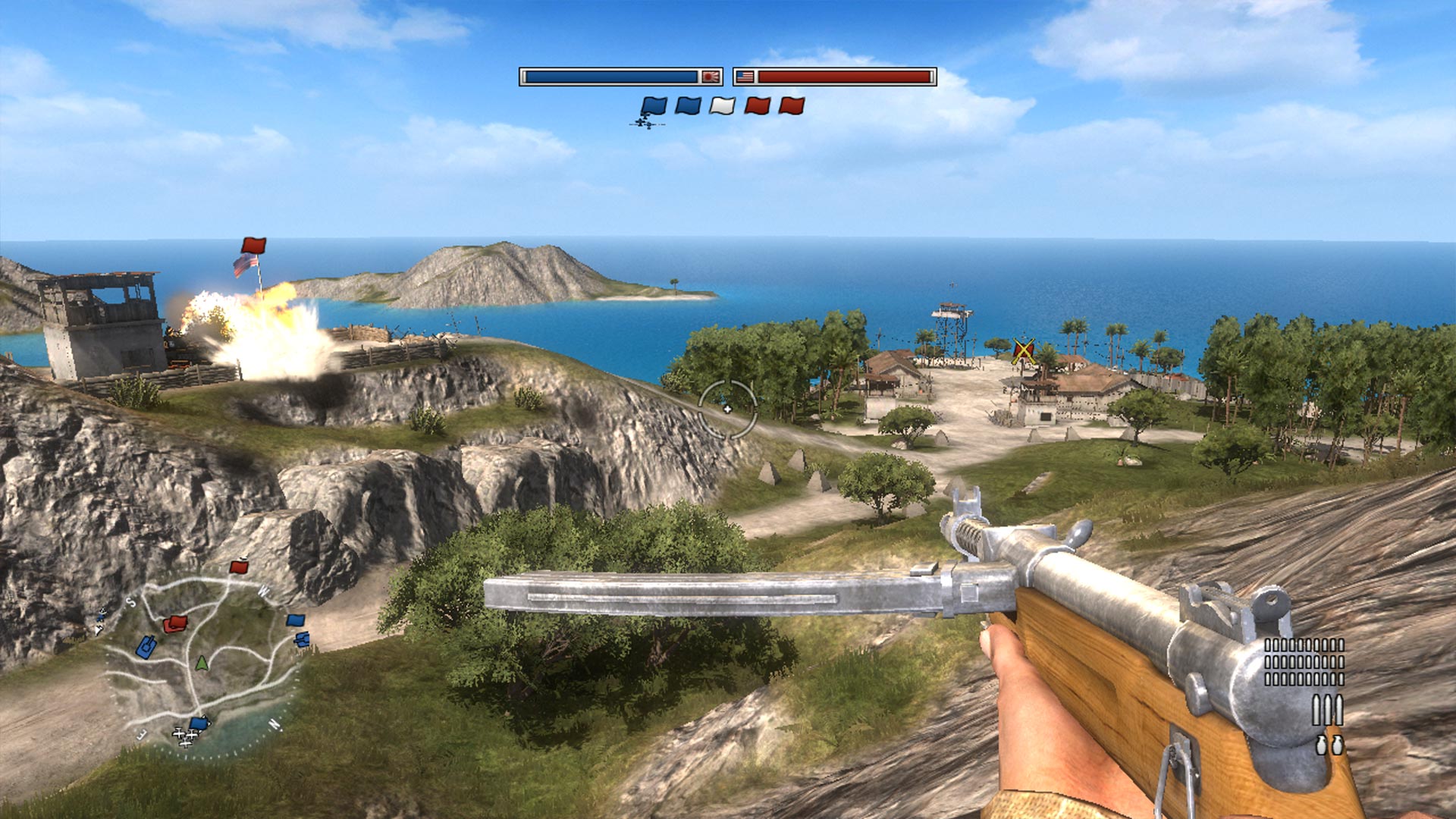
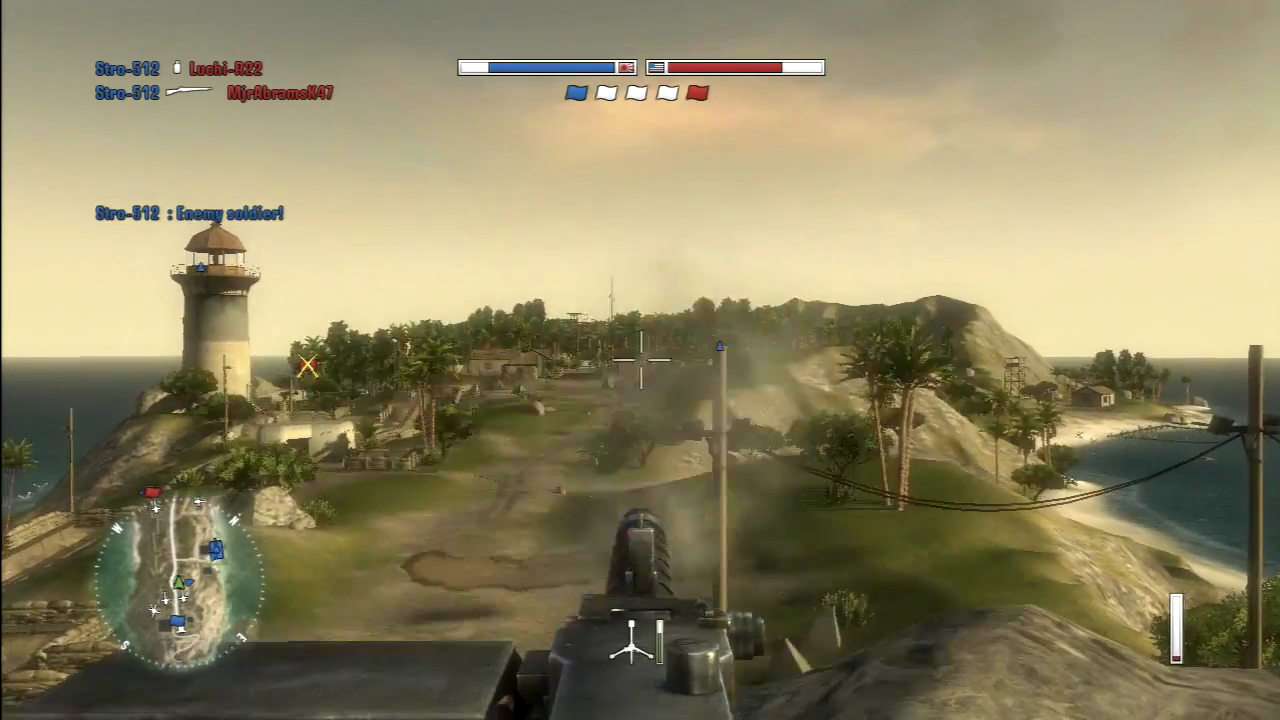
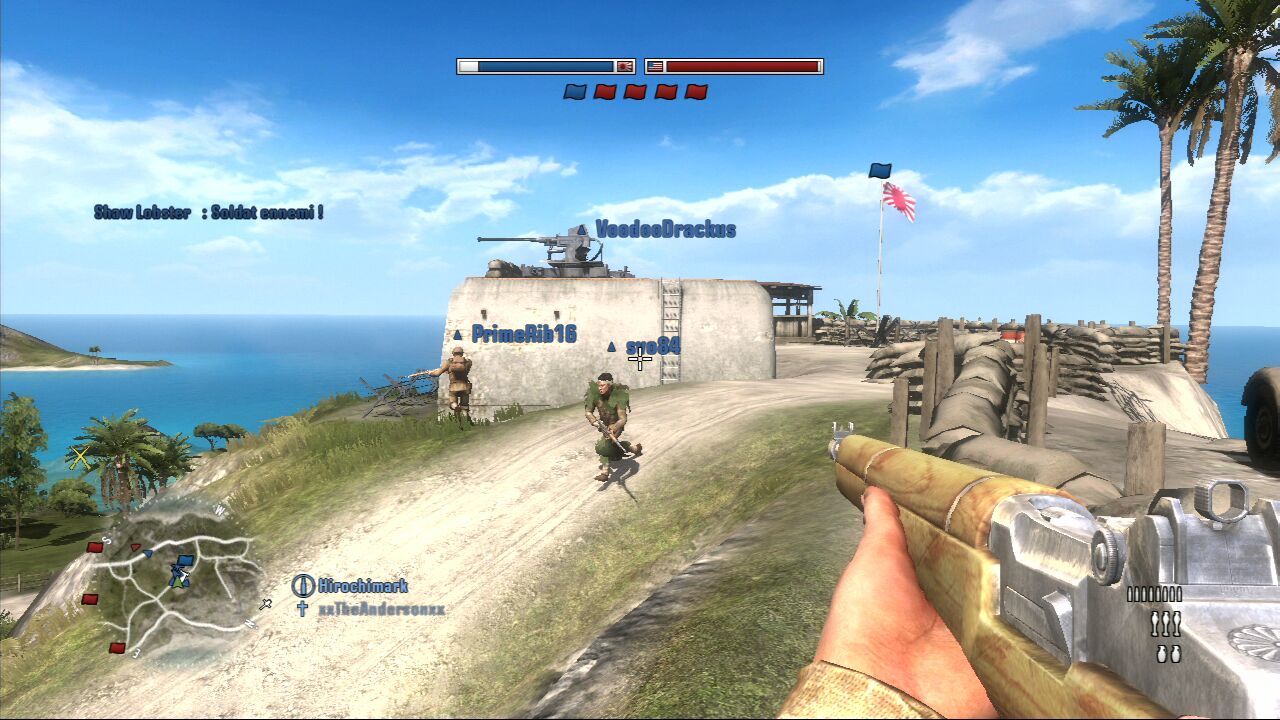
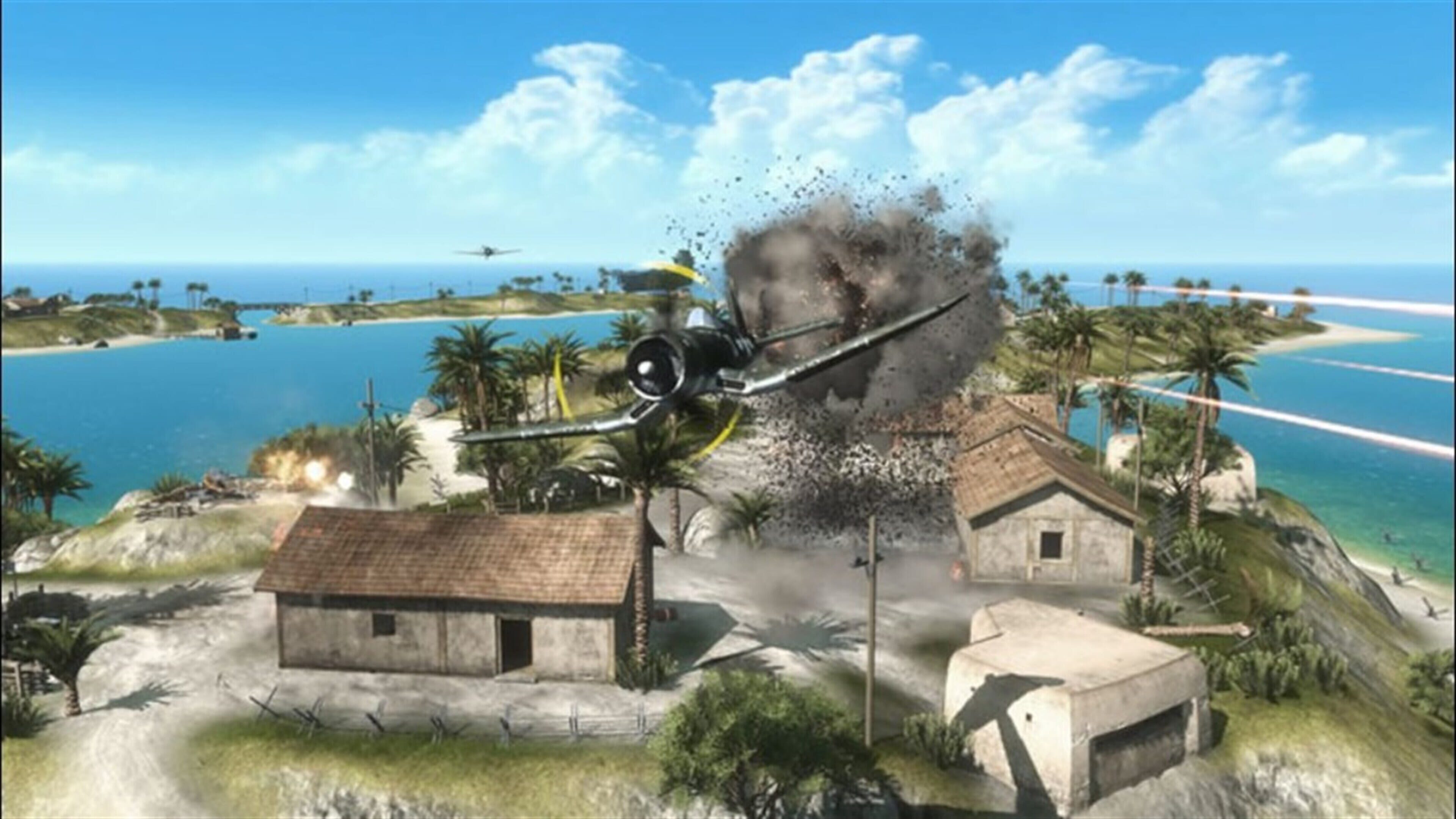
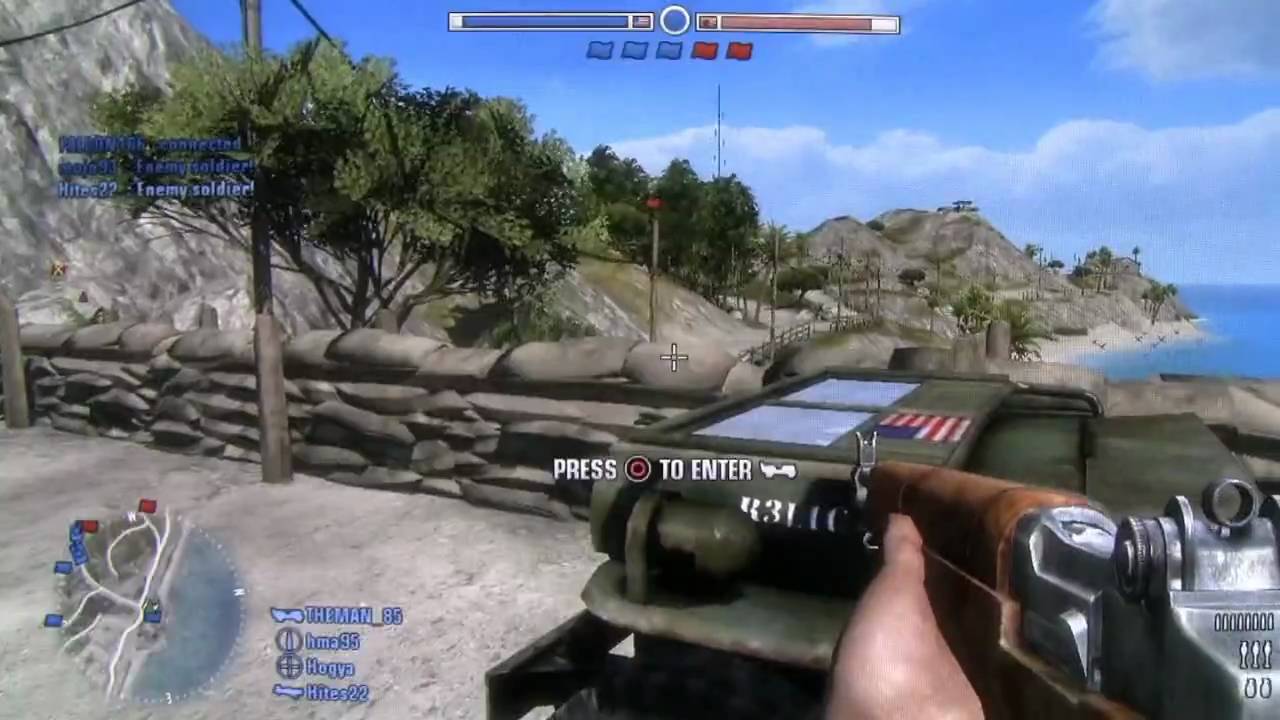
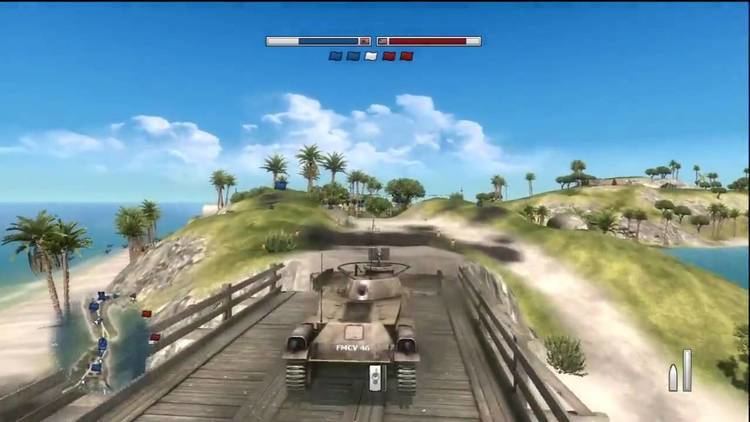
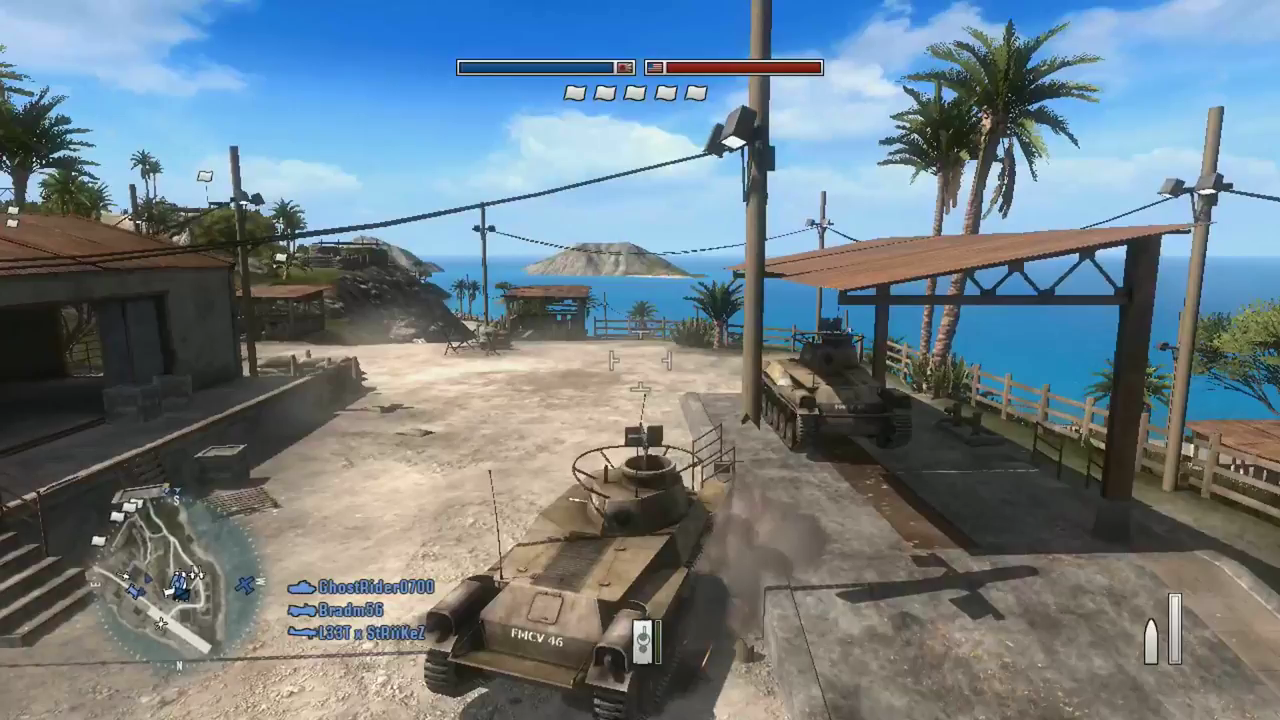
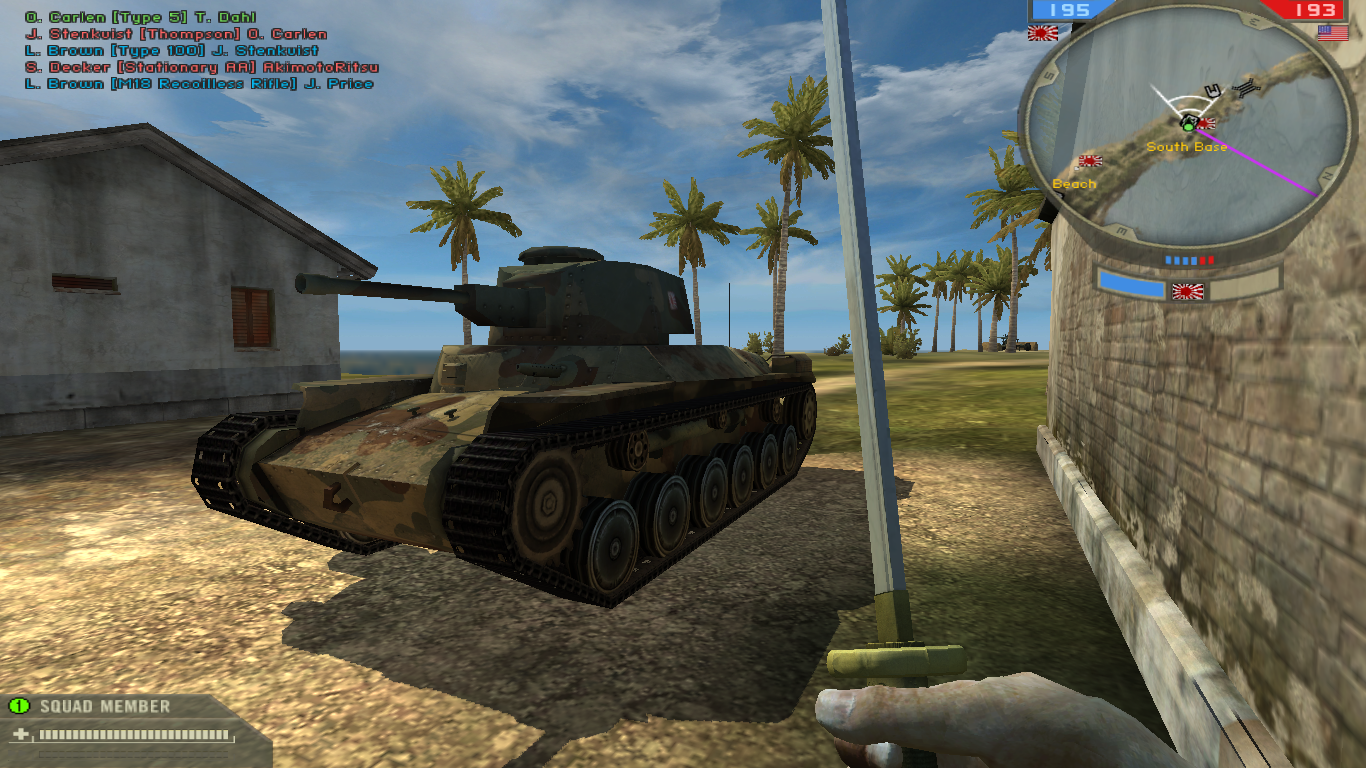
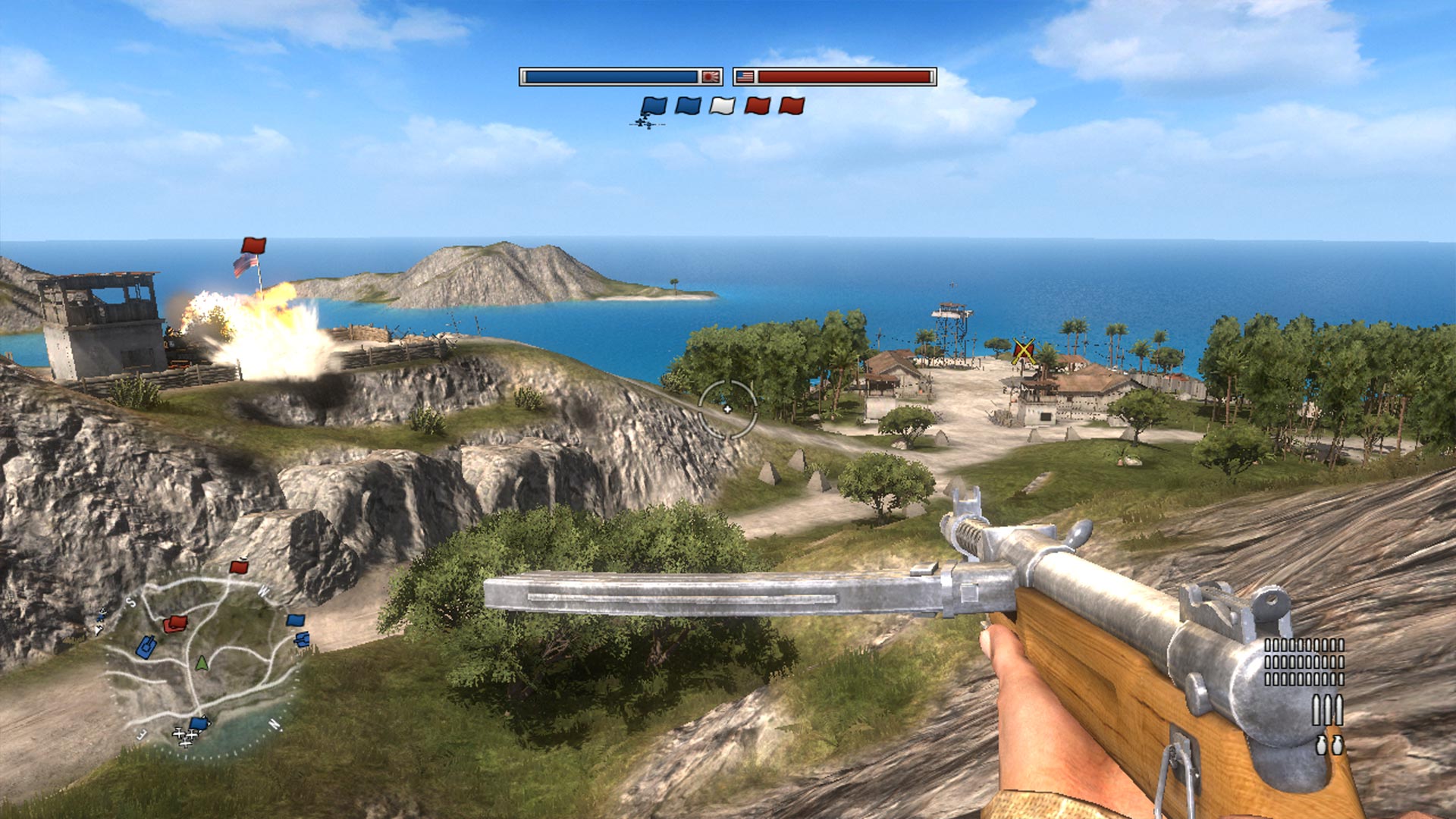
Built upon the Frostbite Engine 1.5, Battlefield 1943 showcased impressive graphical capabilities for its time. The environments, ranging from the iconic Wake Island to the rugged terrain of Iwo Jima, were meticulously crafted to evoke a sense of realism and immersion. While not as visually stunning as later iterations in the series, the game’s art style effectively captured the gritty atmosphere of World War II combat. The environmental damage system, inherited from Battlefield: Bad Company, allowed for dynamic destruction, adding another layer of visual spectacle to the gameplay. This feature not only enhanced the aesthetic appeal but also influenced tactical decisions, as players could strategically destroy cover or create new pathways.
Gameplay Mechanics and Core Systems
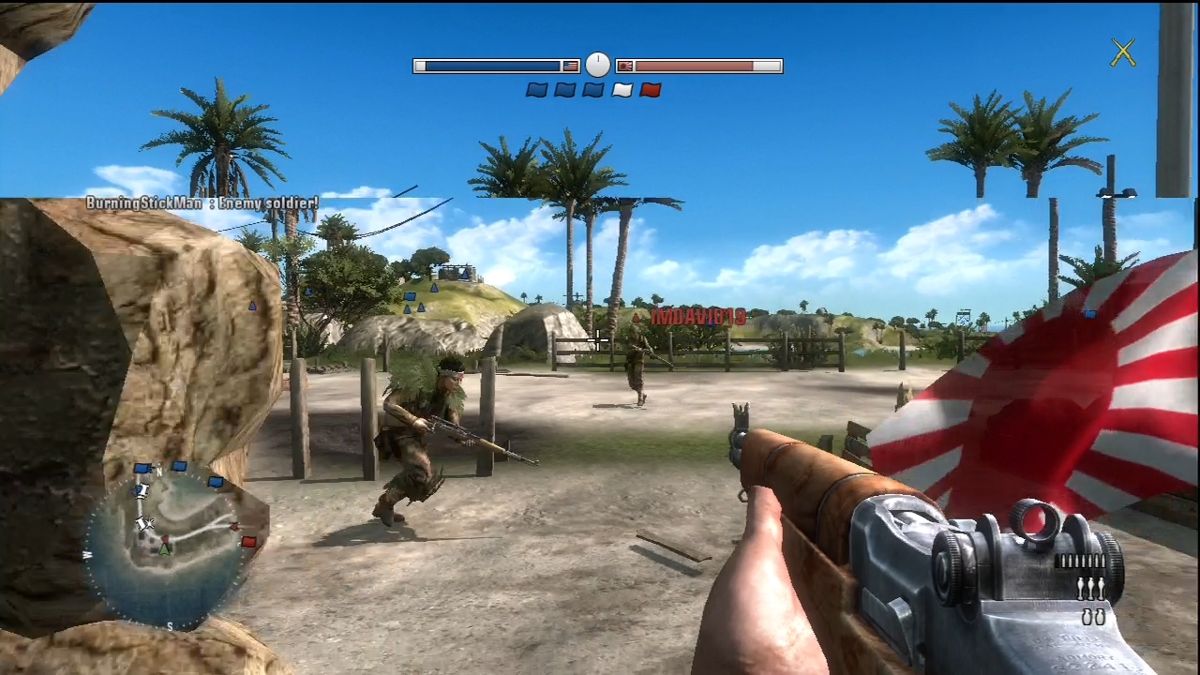
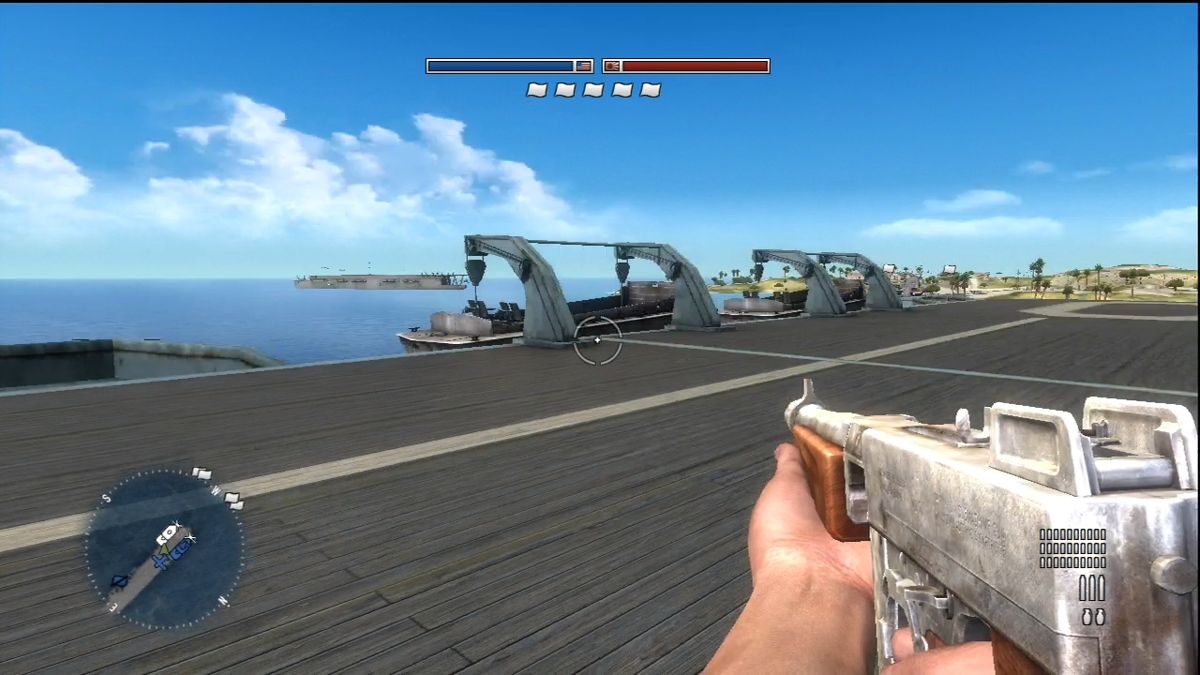
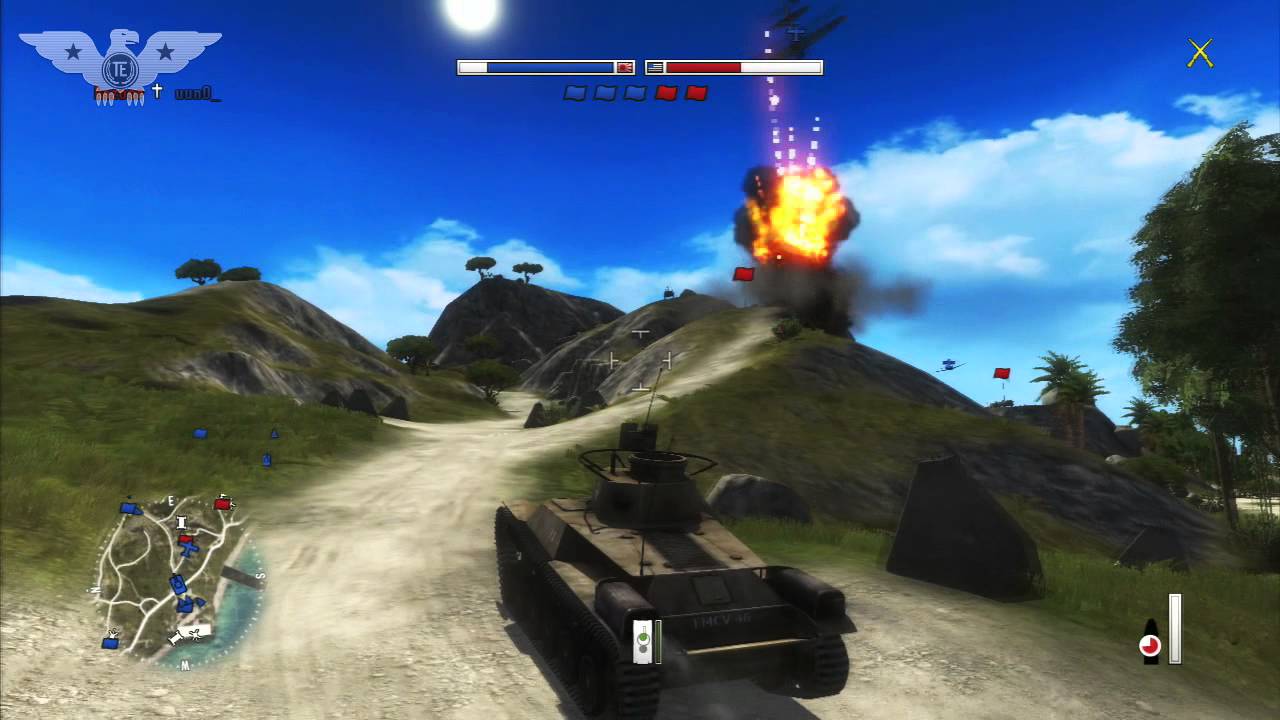
Battlefield 1943 streamlined the core gameplay loop found in previous Battlefield titles. The focus was on large-scale Conquest mode, where two teams of up to 24 players battled for control of key objectives across three distinct maps: Wake Island, Guadalcanal, and Iwo Jima. A fourth map, Coral Sea, became accessible once the online community collectively reached a milestone of 43 million kills. The game introduced only three classes: Infantryman, armed with an SMG and anti-tank rocket; Rifleman, equipped with a standard rifle; and Tank Commander, controlling various tanks available on each map. This simplified class system encouraged teamwork and strategic deployment.
Level Design and World Atmosphere
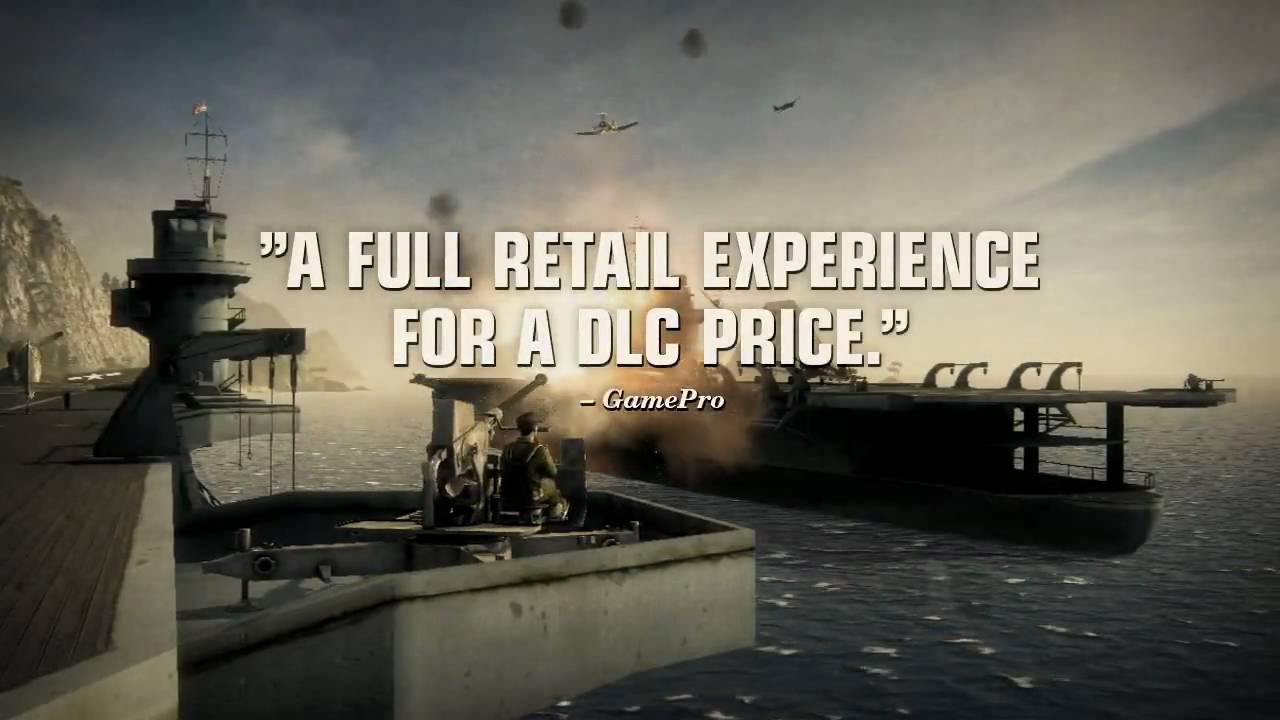
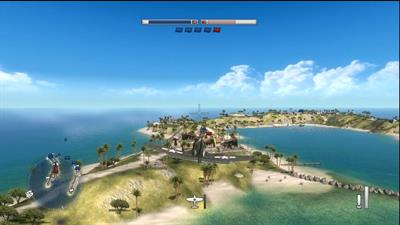
The level design in Battlefield 1943 was crucial to the overall experience. Each map offered unique challenges and opportunities for both infantry combat and vehicular warfare. Wake Island, with its vast open spaces and central aircraft carrier, became a battleground for intense aerial engagements. Guadalcanal’s dense jungle provided cover for ambushes and close-quarters skirmishes. Iwo Jima’s volcanic landscape presented a more claustrophobic environment, favoring tactical positioning and grenade usage. The level design was carefully balanced to ensure that no single class or playstyle had an overwhelming advantage.
Narrative Depth and Character Profiles
While Battlefield 1943 primarily focused on gameplay, it still managed to convey a sense of historical context. The game’s soundtrack and visual cues subtly alluded to the events of World War II in the Pacific Theater. Although there were no extensive character profiles or a traditional narrative campaign, the player’s actions within the game contributed to an overall feeling of participating in a pivotal moment in history.
Sound Design and Acoustic Realism
The sound design in Battlefield 1943 played a vital role in creating an immersive experience. The roar of tanks, the crackle of gunfire, and the explosions all contributed to a sense of realism that heightened the intensity of combat. The game’s audio cues also provided valuable information to players, allowing them to anticipate enemy movements and react accordingly.
Release Expectations and Community Hype
Upon its release, Battlefield 1943 generated significant hype within the gaming community. Its focus on a specific historical period and its streamlined gameplay appealed to both longtime fans of the series and newcomers alike. The game’s online multiplayer component fostered a strong sense of camaraderie among players, leading to a vibrant and active community that continues to this day.
Conclusion: The Future of Battlefield 1943
Battlefield 1943 remains a testament to the power of focused design and technical innovation. While it may not have been as feature-rich or visually stunning as later installments in the series, its streamlined gameplay, immersive atmosphere, and strong sense of community made it a memorable experience for many players. The game’s legacy continues to influence the Battlefield franchise, serving as a reminder that sometimes, less is more.
Source: Wikipedia