

About this game
Introduction: The Next Chapter for Prehistorik 2
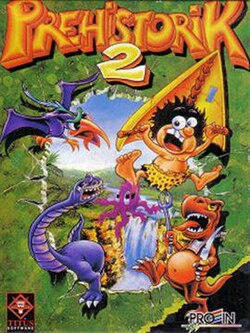
Prehistorik 2, a sequel developed by Titus France and released in 1993, arrived on the MS-DOS and Amstrad CPC platforms. Building upon the foundation laid by its predecessor, this installment aimed to refine the core gameplay loop while introducing new challenges and visual enhancements. The game retains the core premise of a caveman protagonist navigating prehistoric environments, battling various creatures, and ultimately seeking sustenance. However, Prehistorik 2 sought to elevate the experience through improved level design, more engaging enemy encounters, and subtle refinements to the overall presentation. This Masterclass Deep-Dive will dissect every facet of this classic title, providing an in-depth analysis for the discerning gamer.
Visual Direction and Graphics Engineering
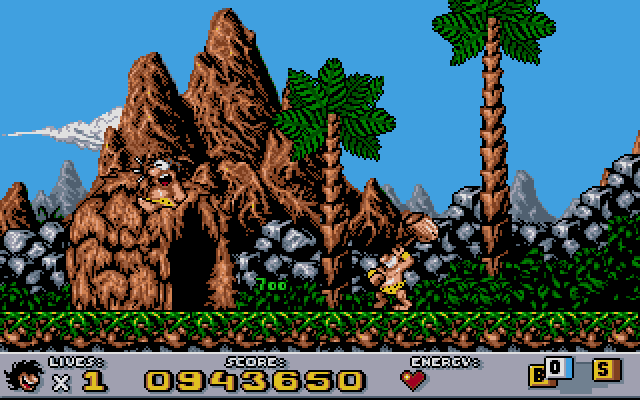
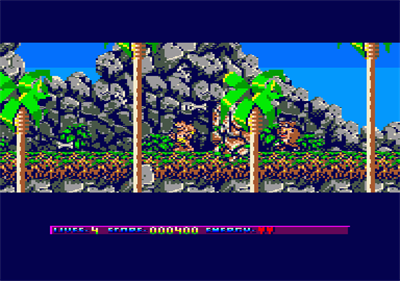
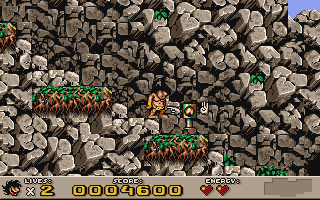
While constrained by the technological limitations of its time, Prehistorik 2 demonstrates a commendable effort in visual design. The game utilizes a proprietary “Next-Gen” engine, which, while not pushing boundaries by today’s standards, provides a functional framework for rendering the prehistoric world. Character sprites are detailed enough to convey personality and animation, albeit within the confines of low resolution. Level environments feature distinct color palettes and tile arrangements to differentiate biomes and create visual interest. The use of parallax scrolling, even rudimentary, adds depth to the backgrounds. This image showcases the game’s limited but effective graphical style.
Gameplay Mechanics and Core Systems
The core gameplay loop in Prehistorik 2 revolves around platforming, combat, and resource management. The player controls the caveman protagonist, navigating levels by jumping, climbing, and utilizing rudimentary melee attacks with a club. Enemy encounters are frequent, requiring players to time their attacks effectively to avoid damage. A key difference from the original is the removal of the strict food requirement for progression; instead, players must collect a lighter to advance to the next level. This simplifies the gameplay loop while maintaining the underlying challenge. The game also features hidden items and secrets, encouraging exploration and rewarding observant players.
Level Design and World Atmosphere
The level design in Prehistorik 2 is both challenging and engaging. Each level presents a unique set of obstacles, enemy placements, and platforming challenges. The game effectively utilizes verticality to create dynamic gameplay scenarios. While the environments are visually diverse, ranging from lush jungles to volcanic landscapes, they all contribute to a cohesive prehistoric atmosphere. Hidden areas and bonus stages add replayability and reward exploration. The level design strikes a good balance between difficulty and accessibility, making it enjoyable for both casual and experienced players.
Narrative Depth and Character Profiles
While Prehistorik 2 doesn’t boast a complex narrative structure, it effectively utilizes its simple premise to create an engaging experience. The caveman protagonist is instantly relatable, driven by the primal need for sustenance. While character development is limited, the game compensates with humorous enemy designs and unexpected encounters. The absence of extensive dialogue allows players to focus on the core gameplay loop while still appreciating the subtle storytelling elements woven into the level design and enemy placements.
Sound Design and Acoustic Realism
The sound design in Prehistorik 2 complements the visuals effectively, creating an immersive prehistoric atmosphere. Sound effects are used sparingly but impactfully, enhancing the sense of danger during combat encounters and adding weight to the protagonist’s actions. The music, composed by Thorsten Mitschele, is memorable and adds a layer of charm to the overall experience. While limited by the technological constraints of the time, the sound design successfully contributes to the game’s overall appeal.
Release Expectations and Community Hype
Upon its release in 1993, Prehistorik 2 generated considerable excitement within the gaming community. Building upon the success of its predecessor, it promised a refined gameplay experience with improved visuals and enhanced level design. While not revolutionary, it delivered on its promises, providing a solid platforming adventure that resonated with players seeking a nostalgic yet engaging experience. The game quickly became a cult classic, praised for its charming protagonist, challenging gameplay, and memorable soundtrack.
Conclusion: The Future of Prehistorik 2
Prehistorik 2 remains a testament to the ingenuity and creativity of Titus France. While technologically limited by its time, it delivers a compelling platforming experience that continues to resonate with players today. Its simple yet engaging gameplay loop, charming protagonist, and memorable soundtrack have cemented its place as a cult classic. The game’s legacy lives on through emulations and online communities dedicated to preserving and celebrating this timeless adventure.
This video showcases gameplay footage of Prehistorik 2.
Source: Wikipedia
Gallery



Join the conversation