The rise of generative AI has unleashed a tidal wave of content onto platforms like YouTube, much of it blurring the lines between reality and fabrication. From fake movie trailers racking up millions of views to deepfakes impersonating public figures, the problem is pervasive and increasingly sophisticated. Now, YouTube is taking action with a new system designed to automatically flag AI-generated content and provide viewers with clearer disclosures.
New Disclosure System: Transparency at a Glance
YouTube’s latest update focuses on making it easier for viewers to identify videos that have been significantly altered or generated using AI. The most prominent change is the relocation of the “photorealistic and meaningfully AI altered or generated content” disclosure label. For long-form videos, this label will now appear directly below the video player, above the description, ensuring immediate visibility. Shorts creators will see the label as an overlay on the video itself.
[A screenshot showing YouTube’s new AI disclosure label prominently displayed below a video player.]

“By moving these labels to the main stage, viewers get the context they need at a glance,” YouTube stated. “This is now the single label format for all photorealistic and meaningfully AI altered or generated content on YouTube.” However, videos that are animated, unrealistic, or only slightly altered will have their disclosures located within the expanded description.
Automatic AI Detection: A New Era of Responsibility
Perhaps even more significant is YouTube’s introduction of automatic AI detection. Recognizing that relying solely on creators to self-disclose can be unreliable, YouTube is rolling out new internal signals starting in May 2026. These signals will help identify content where “significant photorealistic AI use” is detected.
“While we still require creators to manually disclose when they use realistic AI, we want to make the process more seamless and reliable,” YouTube explained. “Starting in May 2026, if a creator doesn’t specify whether or not they used AI, but our systems detect significant photorealistic AI use, we will now automatically apply a label.” Creators can update the disclosure status in YouTube Studio if they believe their content was incorrectly flagged.
The Bigger Picture: Copyright and Deepfakes
This crackdown follows Disney’s cease-and-desist letter to Google, alleging copyright infringement on a massive scale by using its works to train generative AI models. The issue extends beyond just movie trailers; it touches upon the ethical implications of deepfakes and the potential for misuse.
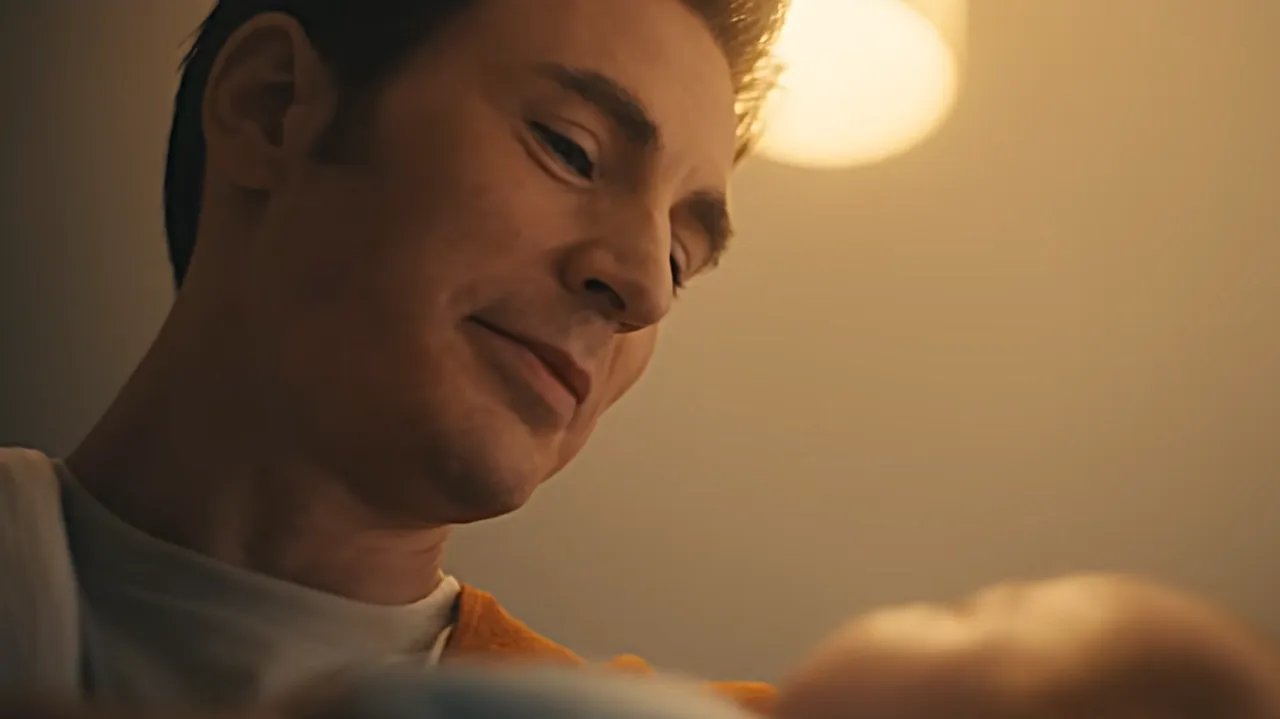
[An example of a fake movie trailer that gained popularity on YouTube.]
Physicist Brian Cox publicly complained about YouTube accounts using AI to create deepfakes of him, while Keanu Reeves has spoken out against AI deepfakes used to sell products without his permission. He even pays a company thousands of dollars monthly to have these imitators removed from platforms like TikTok and Meta.
YouTube’s commitment is to balance transparency with creator control. The goal is simple: to provide creators and viewers with the right information in an environment where AI is rapidly changing what’s possible. This move signals a significant step towards responsible content creation and consumption on the platform, addressing the growing concerns surrounding AI-generated content and its potential impact.
Source: IGN Gaming






















Join the conversation