Introduction: The Next Chapter for Buzz! Junior: Jungle Party
Buzz! Junior: Jungle Party represents a pivotal moment in the evolution of the Buzz! franchise, specifically tailored to capture the attention and imagination of younger players. Released in 2006 for the PlayStation 2, this title distinguishes itself through its simplified gameplay mechanics, vibrant visuals, and focus on accessible mini-games. It's more than just a kids' game; it's an entry point into the world of competitive gaming, designed to be enjoyed by families and friends alike. The "Jungle Party" theme provides a playful and engaging backdrop for a collection of party games that are easy to learn but offer surprising depth in their replayability.
Visual Direction and Graphics Engineering
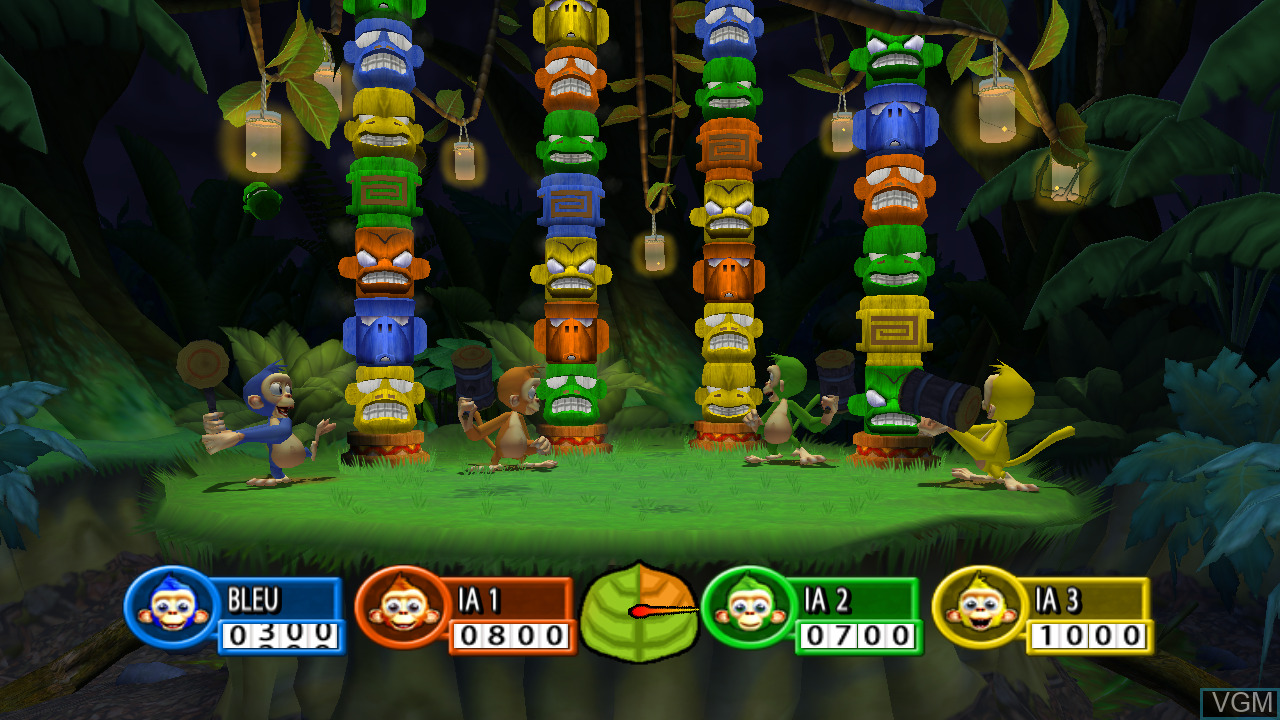
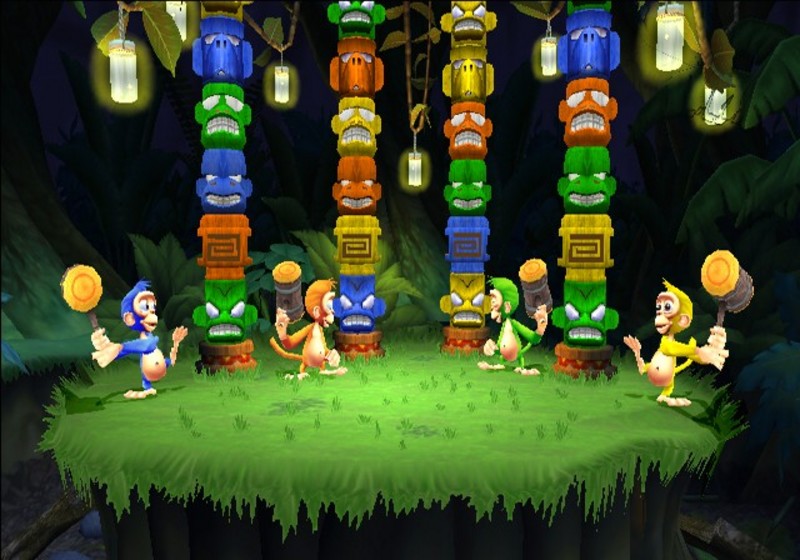
The visual style of Buzz! Junior: Jungle Party is characterized by bright, cartoonish graphics designed to appeal to its target audience. While the PlayStation 2's technical limitations are evident, Magenta Software managed to create a visually appealing world filled with lush vegetation, quirky animal characters, and colorful environments. The character designs are particularly noteworthy, featuring exaggerated features and expressive animations that bring them to life. The game leverages cel-shading techniques to enhance the visual clarity and give the graphics a distinct artistic flair. While not pushing the PS2 to its absolute limits, the art direction effectively creates an immersive and welcoming jungle atmosphere.
Gameplay Mechanics and Core Systems
At its core, Buzz! Junior: Jungle Party revolves around a series of mini-games that are simple to understand but offer surprising variety. The game utilizes the iconic Buzz! buzzer system, allowing players to compete head-to-head or in teams. The mini-games range from trivia challenges and reaction tests to physical activities and puzzle games. What sets this title apart is its focus on accessibility; many of the mini-games require minimal knowledge or skill, making them perfect for younger children and casual gamers. The game's structure encourages friendly competition and provides plenty of opportunities for laughter and shared experiences.

Level Design and World Atmosphere
While not a sprawling open-world adventure, Buzz! Junior: Jungle Party effectively utilizes its jungle setting to create distinct environments for each mini-game. From the depths of a lion's den (where players must navigate treacherous paths) to a relaxing jacuzzi scene (complete with playful gorilla interactions), each location is carefully designed to enhance the gameplay experience. The level design cleverly integrates the theme, creating memorable moments and adding to the overall sense of fun and adventure. The transitions between mini-games are seamless, maintaining the flow of the party atmosphere.
Narrative Depth and Character Profiles
While not boasting a complex narrative structure, Buzz! Junior: Jungle Party introduces a cast of charming animal characters that add personality to the experience. These characters serve as hosts and guides, providing context for the mini-games and adding humor to the proceedings. The game's lighthearted tone makes it perfect for younger audiences, who will enjoy interacting with these whimsical creatures. While not essential to the gameplay, the character designs and their interactions contribute significantly to the overall charm of the title.
Sound Design and Acoustic Realism
The sound design in Buzz! Junior: Jungle Party is crucial in creating an immersive and engaging experience. The game features a lively soundtrack that complements the jungle theme, with upbeat music and playful sound effects. The vocal performances are well-executed, adding personality to the animal characters and enhancing the overall sense of fun. The use of ambient sounds, such as bird calls and rustling leaves, further contributes to the atmosphere, creating a believable and engaging sonic landscape.
Release Expectations and Community Hype
Upon its release in 2006, Buzz! Junior: Jungle Party generated considerable excitement among families and casual gamers. The game's accessible gameplay mechanics and focus on multiplayer fun made it an instant hit with younger audiences. Reviews were generally positive, praising the game's charm, replayability, and suitability for children. While not a critical darling in the traditional sense, Buzz! Junior: Jungle Party carved out its own niche as a beloved party game that continues to be enjoyed by families today.
Conclusion: The Future of Buzz! Junior: Jungle Party
Buzz! Junior: Jungle Party remains a testament to the power of accessible and engaging gameplay. While technological advancements have rendered some aspects of the game dated, its core appeal – the ability to bring people together for a fun and competitive experience – endures. It serves as an excellent entry point into the world of gaming for younger players and provides a nostalgic reminder of simpler times for older audiences. The legacy of Buzz! Junior: Jungle Party lives on in the hearts of those who experienced its charm, solidifying its place as a beloved classic.
Source: Wikipedia