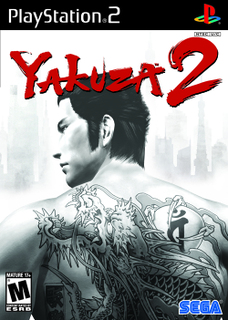
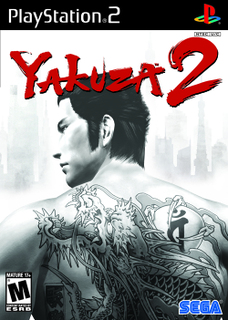
Introduction: The Next Chapter for Yakuza 2
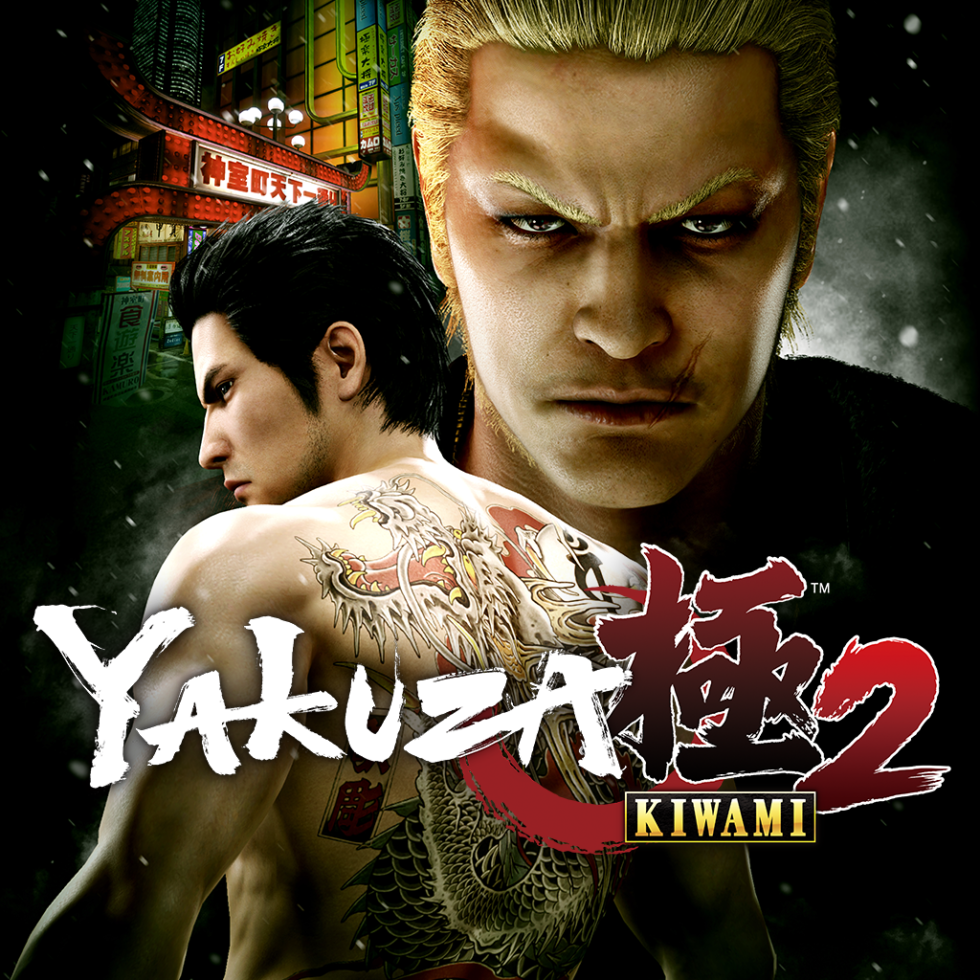
Yakuza 2, released in 2006 and later localized for Western audiences, represents a significant step forward for the franchise. Building upon the foundation laid by its predecessor, this installment expands the scope of the narrative, refines the gameplay mechanics, and introduces new features designed to immerse players deeper into the world of the Yakuza. The game picks up with Kazuma Kiryu embroiled in conflicts that extend beyond Kamurocho, forcing him to confront powerful enemies both familiar and entirely new. This Masterclass Deep-Dive will dissect every facet of Yakuza 2, from its technical underpinnings to its narrative complexities, providing a comprehensive analysis for the discerning gamer.
Visual Direction and Graphics Engineering
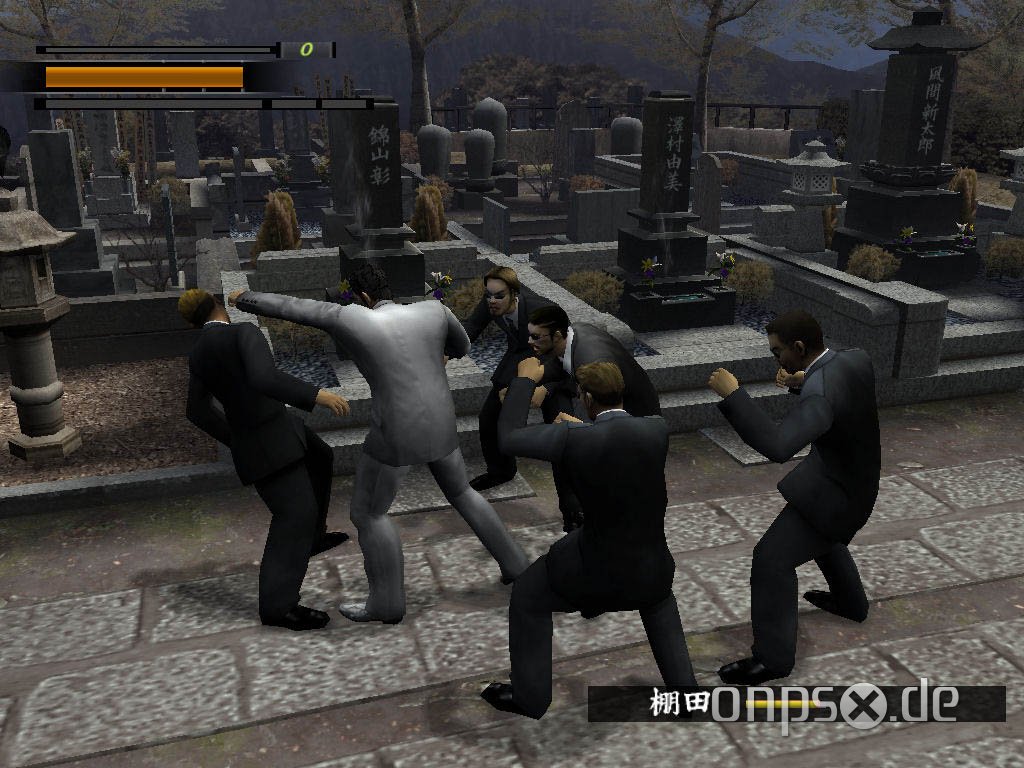
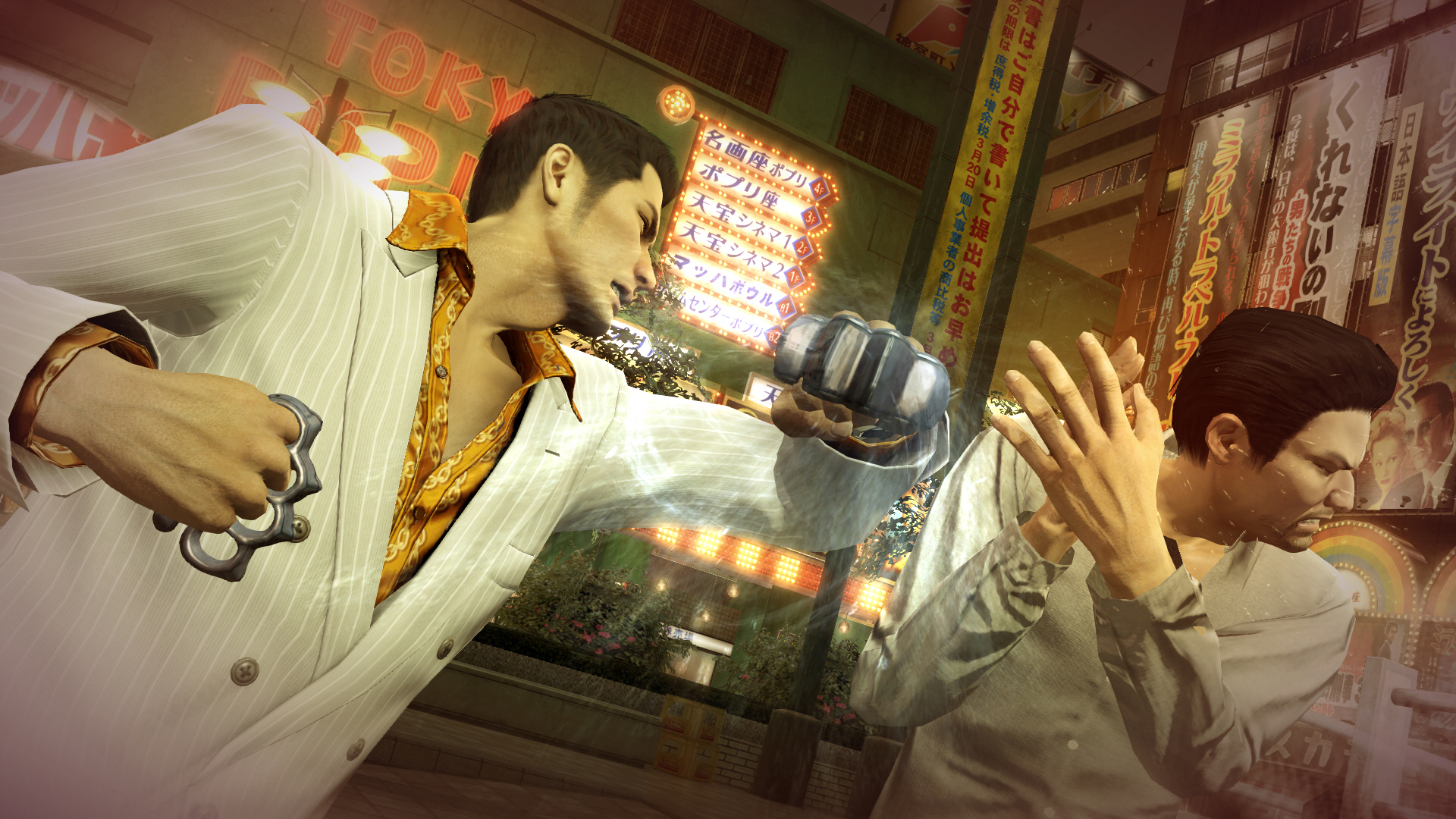
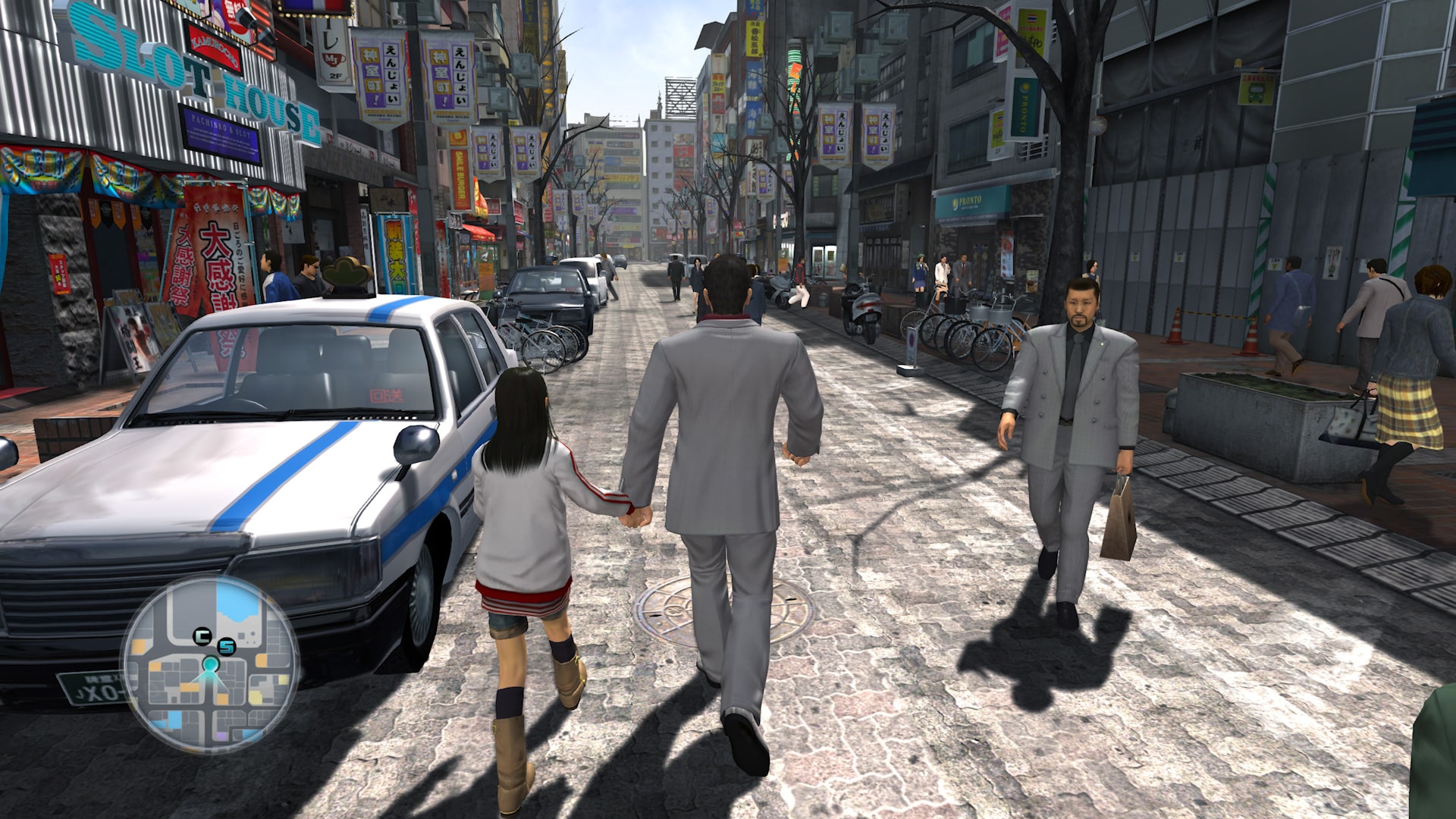
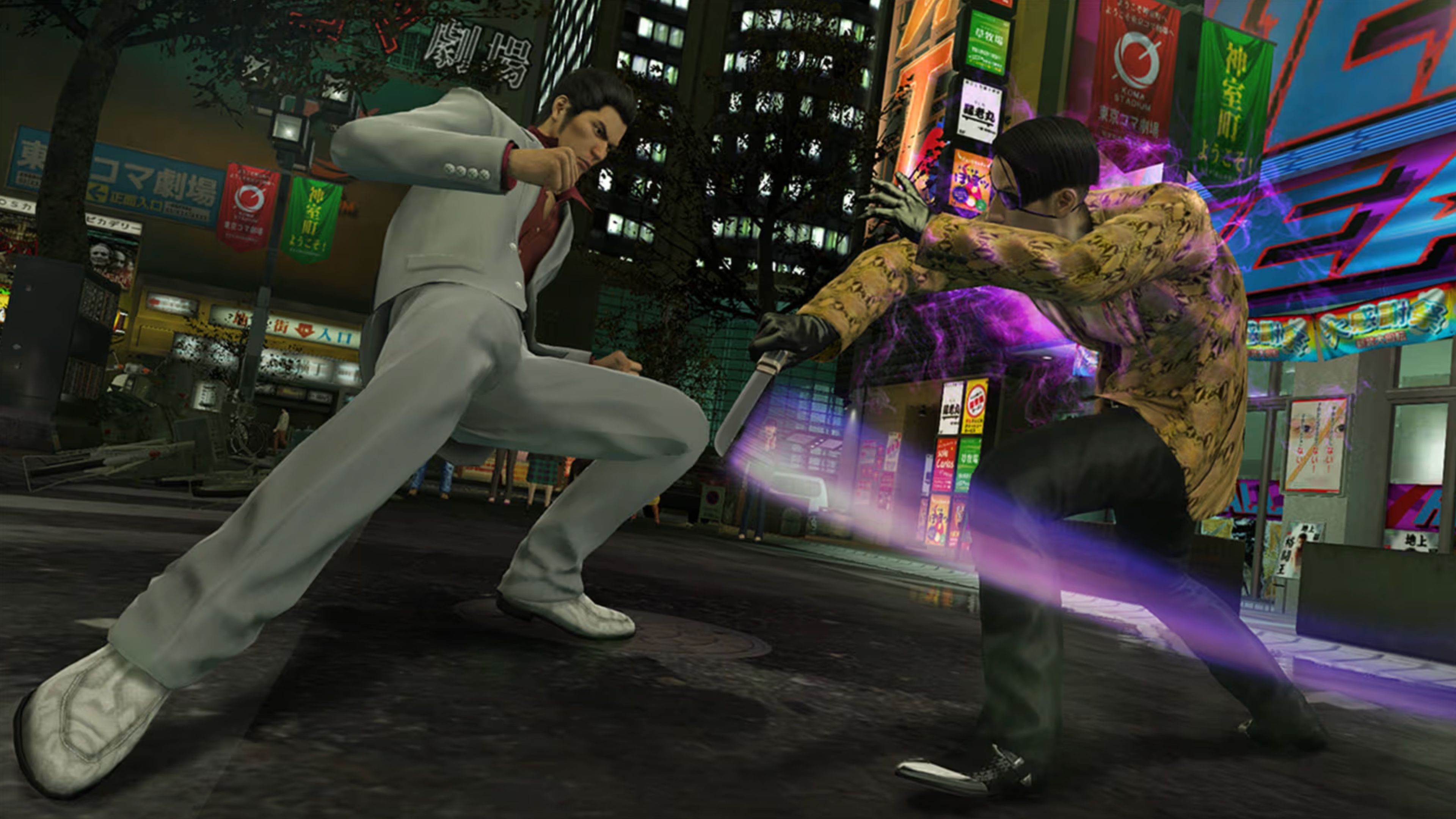
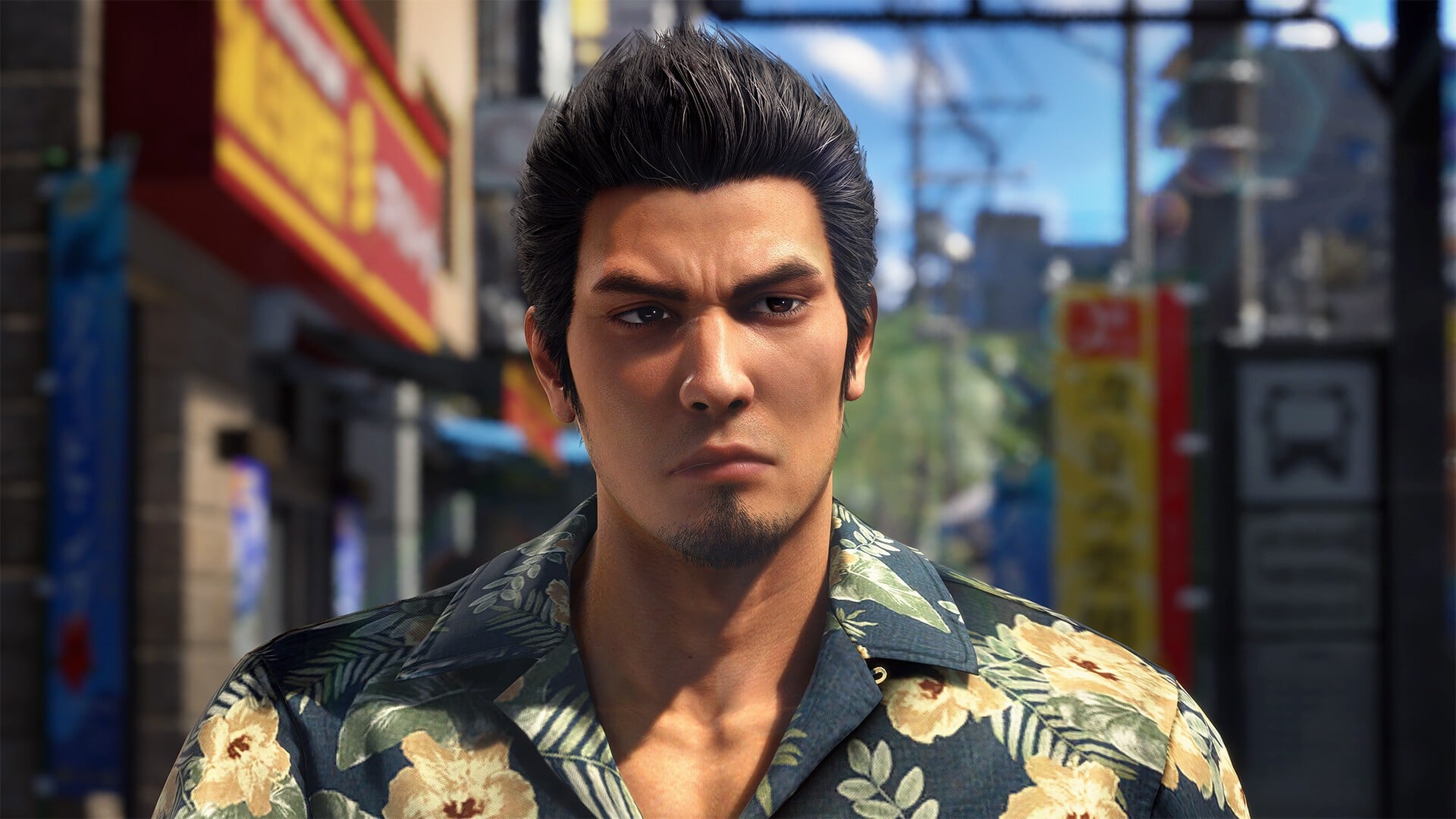
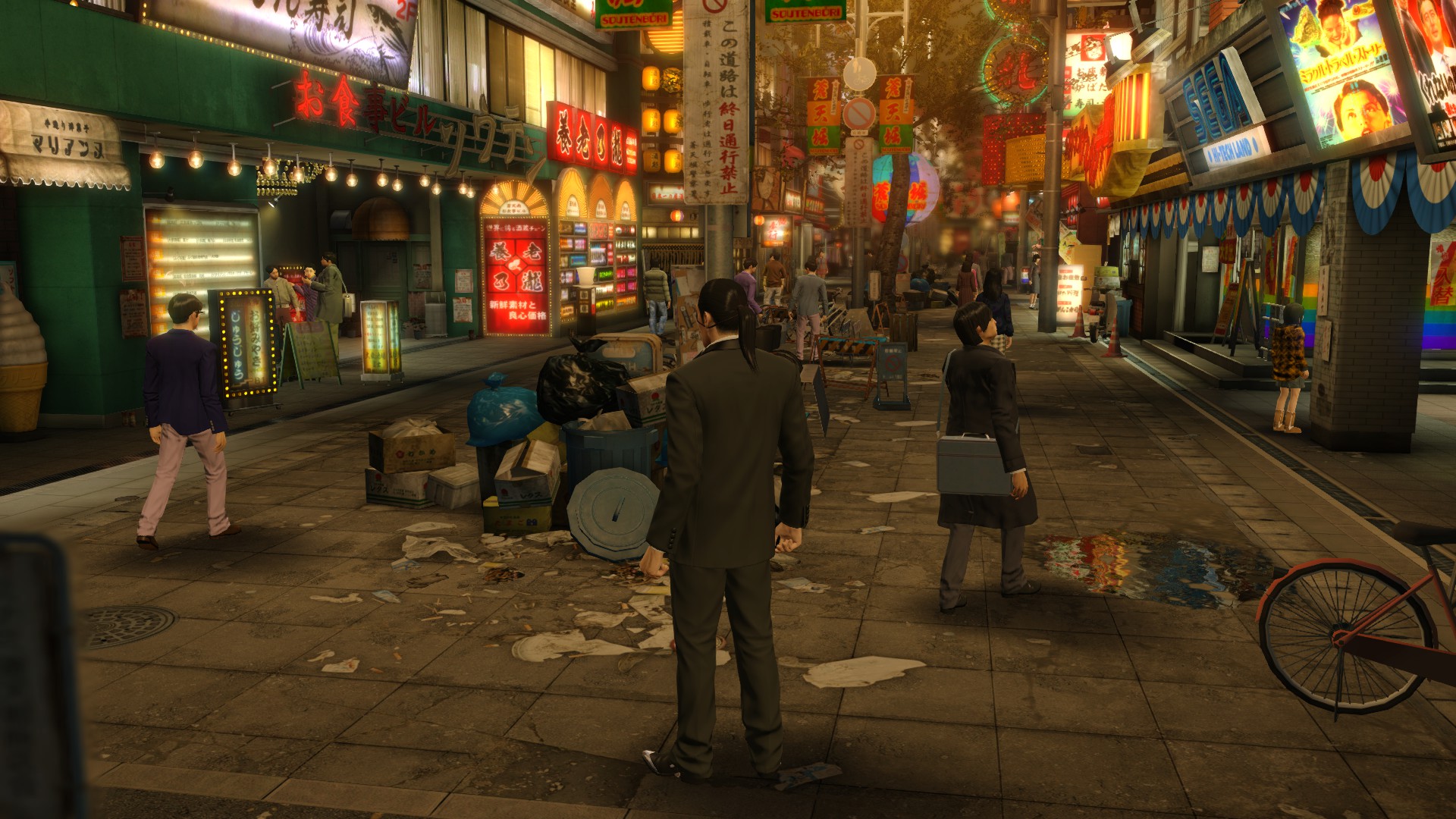
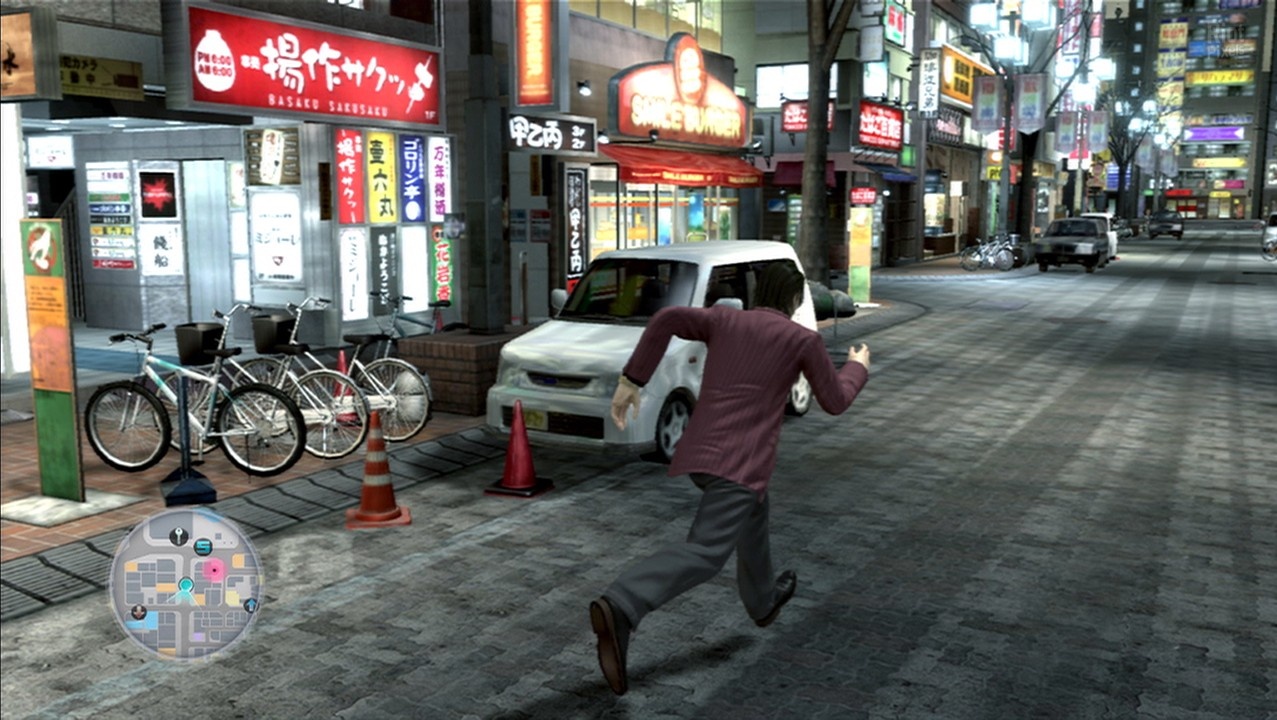
Yakuza 2 leverages a proprietary “Next-Gen” engine (for its time) on the PlayStation 2, pushing the hardware to its limits. While not boasting the graphical fidelity of contemporary titles on more powerful platforms, the game’s visual direction is striking. The environments are richly detailed, capturing the unique atmosphere of both Kamurocho and new locales like Osaka. Character models exhibit a degree of expressiveness that enhances the storytelling. The developers clearly prioritized creating a visually consistent world, even if it meant making compromises in certain areas. The use of lighting and shadow adds depth to the environments, contributing to the overall sense of realism. While limitations existed due to the hardware, the art direction shines through, creating a memorable visual experience.
Gameplay Mechanics and Core Systems
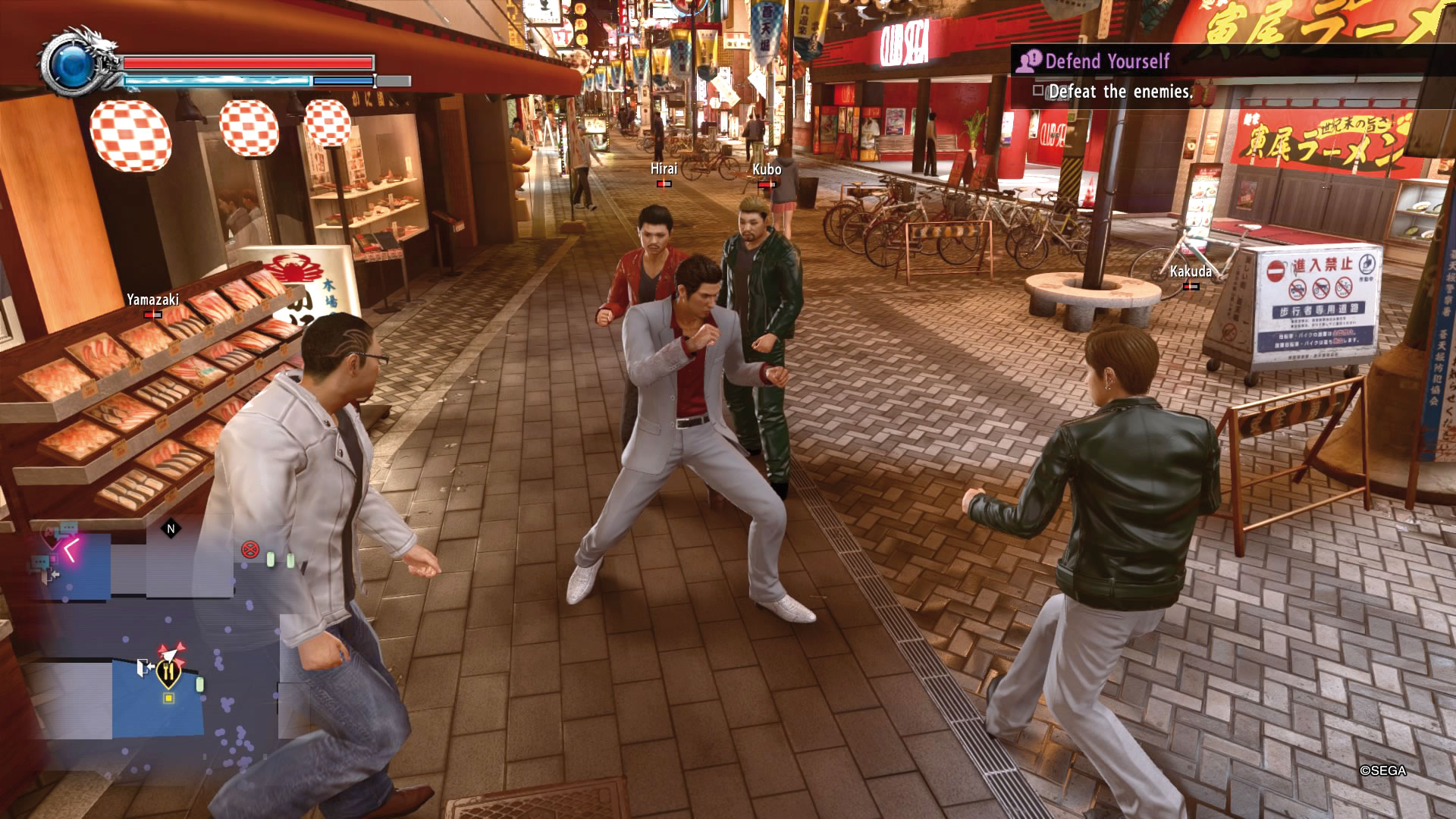
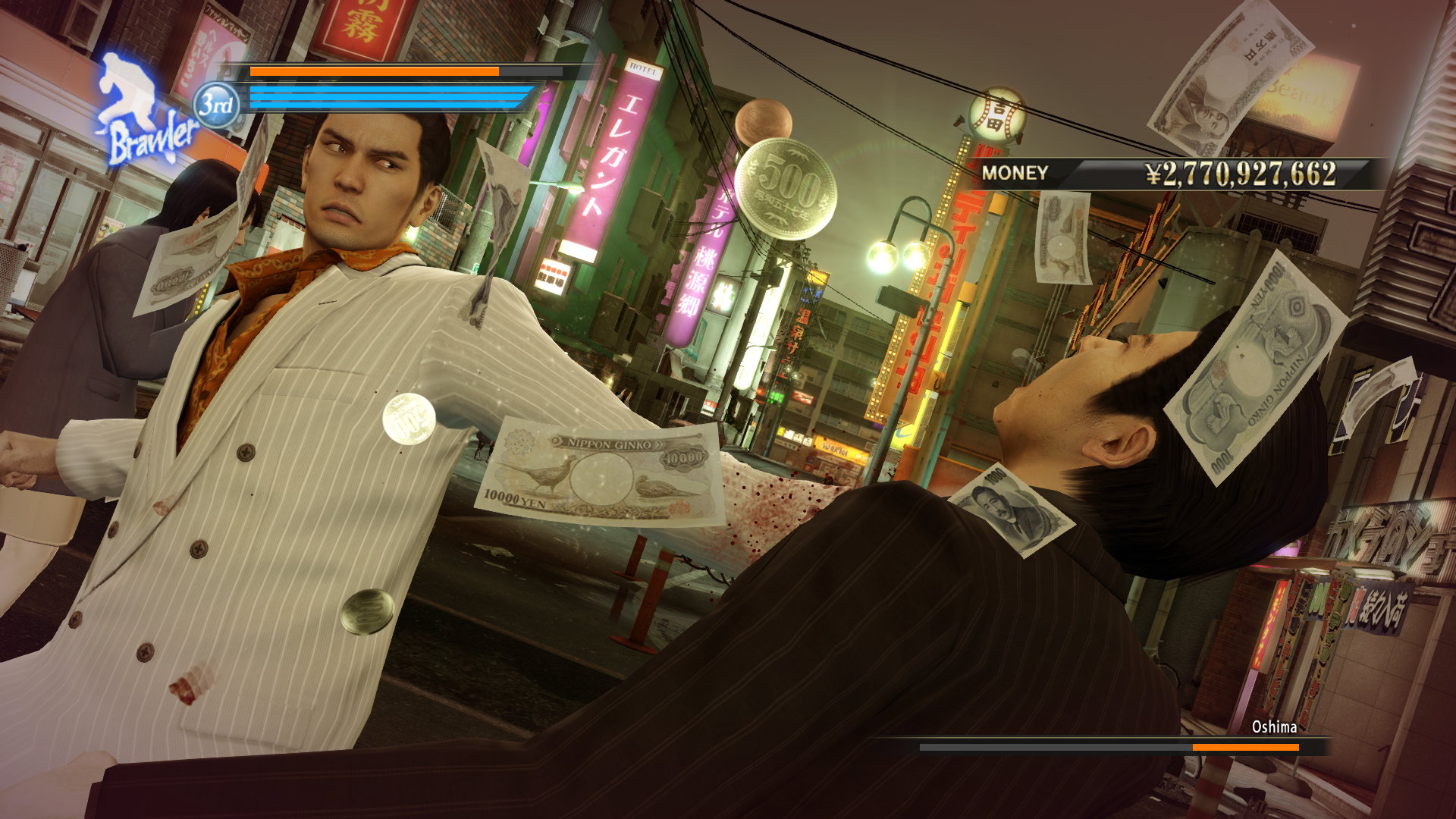
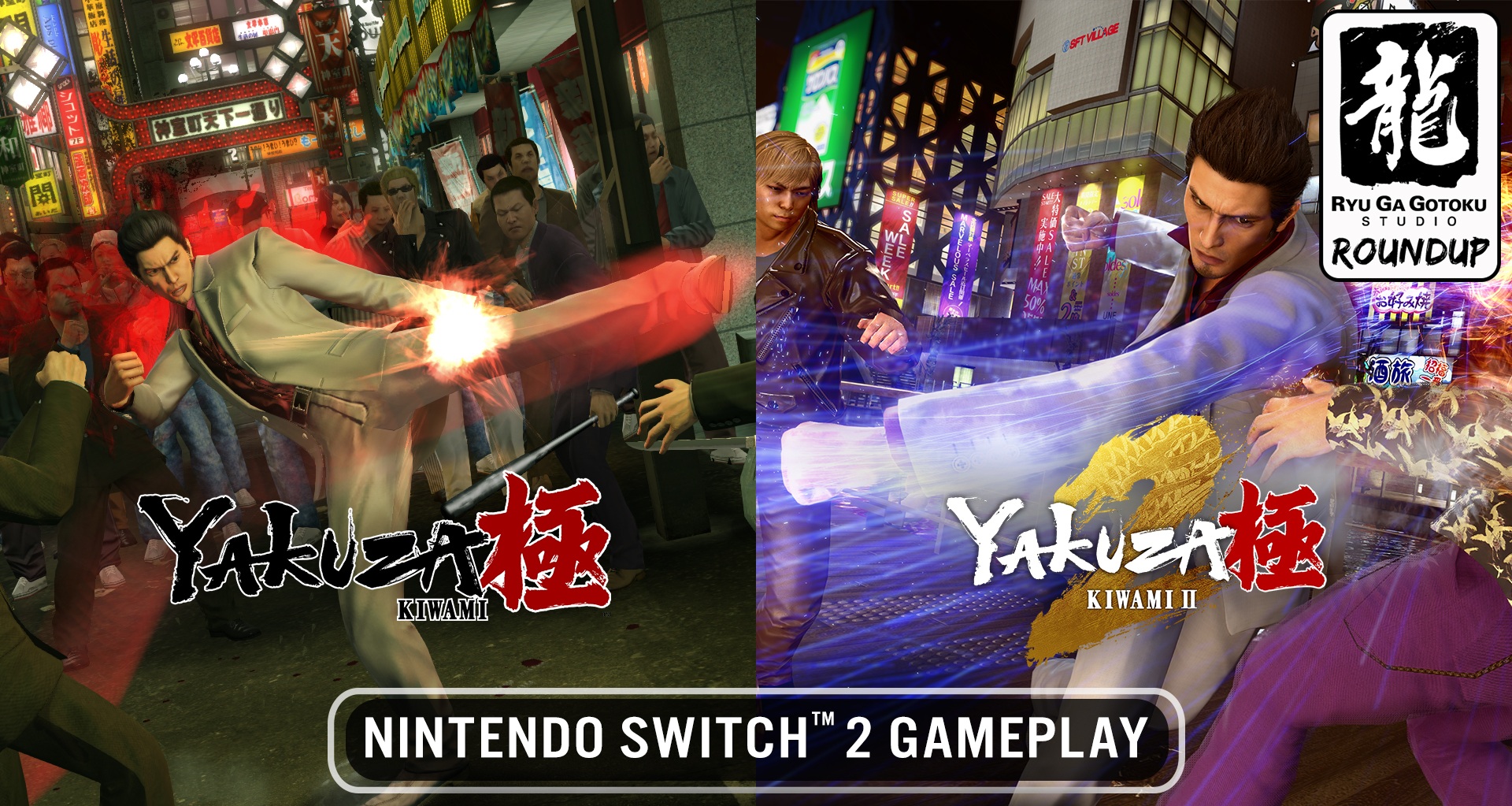
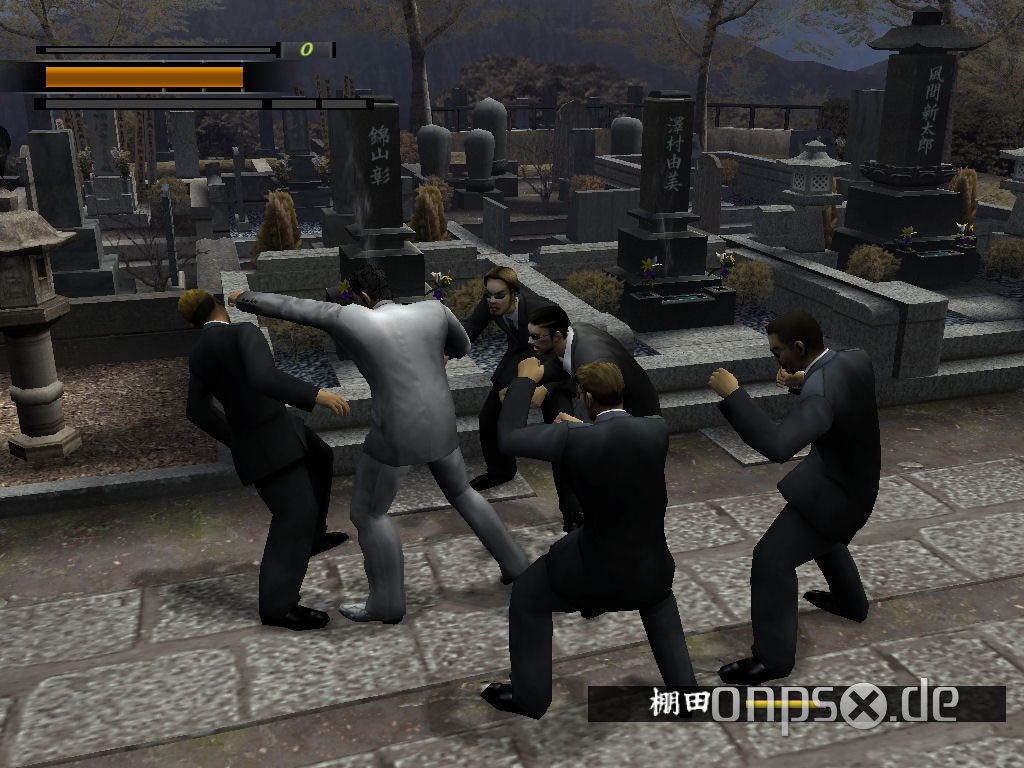
The core gameplay loop of Yakuza 2 revolves around beat-’em-up combat, exploration, and character interaction. The fighting engine received significant improvements based on fan feedback, resulting in a more fluid and responsive experience. New moves, combos, and heat actions (powerful special attacks) are introduced, allowing for greater customization and strategic depth in battles. Beyond the main story missions, Yakuza 2 offers a wealth of side activities, including gambling, karaoke, and various mini-games. These optional diversions provide a welcome break from the intense combat and contribute to the game’s overall replayability. The “Y” ba system is also present, allowing Kiryu to learn new skills and abilities.
Level Design and World Atmosphere
Yakuza 2 expands its scope beyond Kamurocho, introducing players to new environments like Osaka’s Sotenbori district. Each location is meticulously crafted to reflect the unique culture and atmosphere of its real-world counterpart. The level design encourages exploration, with hidden areas, secret passages, and optional encounters rewarding curious players. The game effectively uses verticality in its environments, allowing for a greater sense of scale and dynamism. The attention to detail in the world’s design is remarkable, contributing significantly to the overall immersive experience.
Narrative Depth and Character Profiles
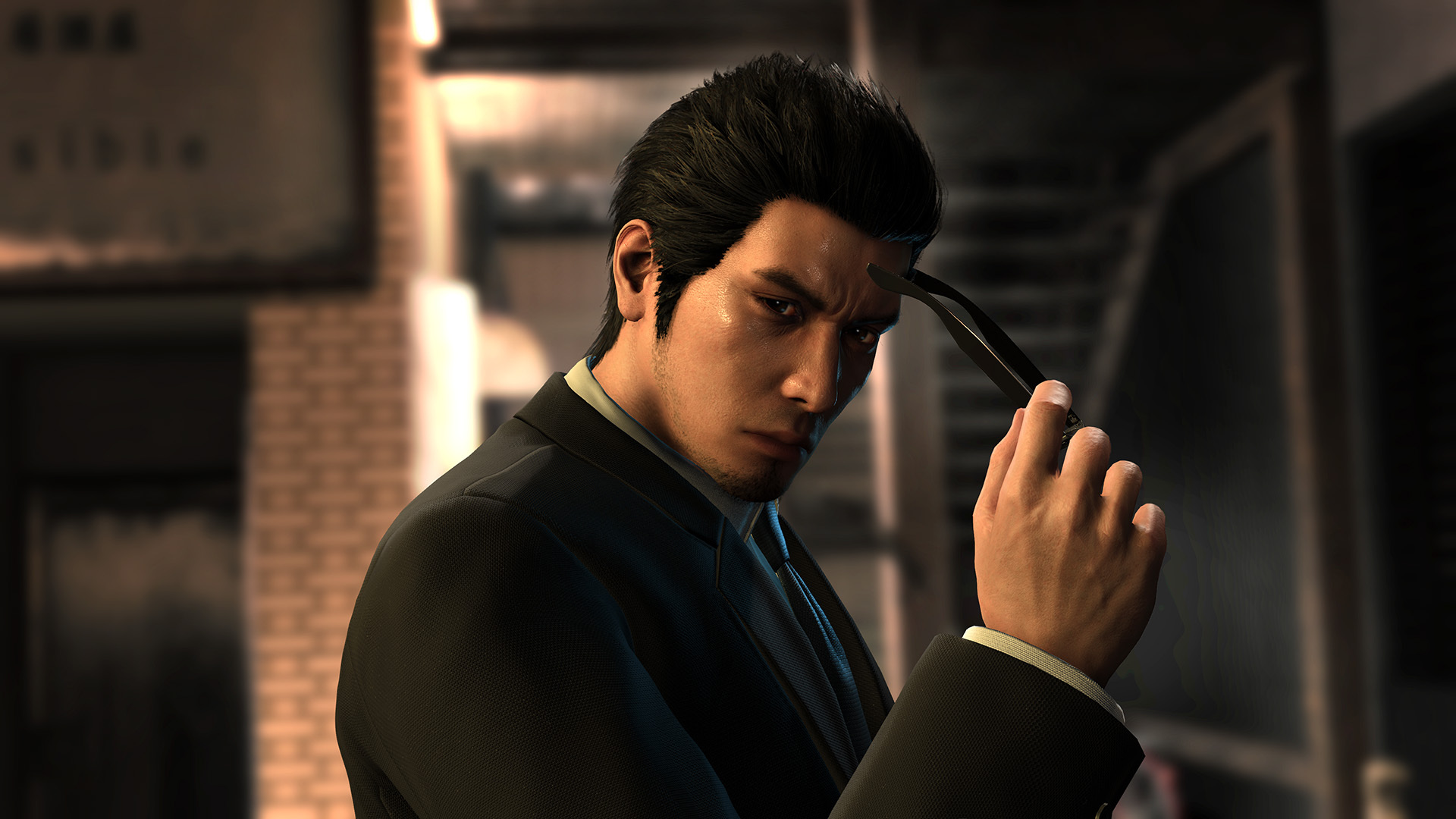
The narrative of Yakuza 2 delves into complex themes of loyalty, betrayal, and redemption. Kazuma Kiryu finds himself caught between warring factions within the Tojo Clan, forcing him to make difficult choices that have far-reaching consequences. The game introduces a compelling cast of new characters, each with their own motivations and backstories. Ryuji Goda, Kiryu’s rival, is a particularly memorable antagonist, driven by his own tragic past. The story explores the nuances of Yakuza culture, providing insights into the code of honor that governs their lives.
Sound Design and Acoustic Realism
The sound design in Yakuza 2 plays a crucial role in creating an immersive experience. The soundtrack features a mix of traditional Japanese music and contemporary tracks, perfectly complementing the game’s diverse environments. Sound effects are meticulously crafted to enhance the impact of combat and other actions. Voice acting, while initially only available in Japanese for Western releases, adds another layer of authenticity to the characters and their interactions. The overall soundscape effectively transports players into the world of Yakuza 2.
Release Expectations and Community Hype
Upon its release, Yakuza 2 generated considerable hype within the gaming community. Fans eagerly anticipated the sequel to the critically acclaimed original, hoping for improvements in both gameplay and storytelling. The game’s expansion beyond Kamurocho was a major selling point, promising a fresh perspective on the world of the Yakuza. While localization efforts were initially limited, with only Japanese audio available in Western releases, the positive reception ultimately paved the way for future localized versions.
Conclusion: The Future of Yakuza 2
Yakuza 2 stands as a testament to the enduring appeal of its unique blend of action, drama, and cultural immersion. While technical limitations existed due to the hardware constraints of the PlayStation 2, the game’s strengths lie in its compelling narrative, memorable characters, and engaging gameplay. Its legacy continues to influence the Yakuza franchise, shaping the direction of future installments. The game’s enduring popularity speaks volumes about its quality and impact on the gaming landscape.
Source: Wikipedia