
The Genre Genesis: From Modern Titans to 1998 Pioneers
First-person dynamic shadow stealth systems (the Light Gem measuring player concealment), physics-based acoustic sound propagation through open doors and surfaces, modular elemental arrows (water arrows extinguishing torches, moss arrows muffling footsteps, rope arrows climbing architecture), and emergent immersive sim design—from Dishonored, Deus Ex, Prey (2017), Gloomwood, and Hitman to contemporary stealth sims—trace their foundational brilliance to November 30, 1998 with Looking Glass Studios' pioneer, Thief: The Dark Project.
Engineered by the visionary team at Looking Glass Studios (including Doug Church, Ken Levine, Warren Spector, and lead designer Greg LoPiccolo) on their proprietary Dark Engine, Thief completely overturned the prevailing first-person shooter dogma of guns-blazing violence. By forcing players into vulnerability, shadow concealment, acoustic awareness, and tactical patience, it created the first-person stealth immersive sim genre.
Platform Context & Gaming Environment
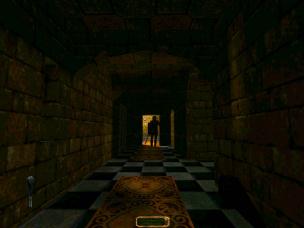
Set in a grim, medieval-steampunk metropolis simply known as The City, players inhabit the mantle of Garrett, an expert master thief trained by the secret, balance-seeking order of the Keepers. Garrett uses his skills for personal survival and profit, breaking into the fortified manors of noble aristocrats like Lord Bafford. However, he becomes entangled in a dangerous occult war between the dogmatic, hammer-wielding industrialist Order of the Hammer (Hammerites) and the chaotic primal forces of the forest deity The Trickster (the Woodsie Lord).
Popularity & Cultural Standing: Niche vs. Blockbuster
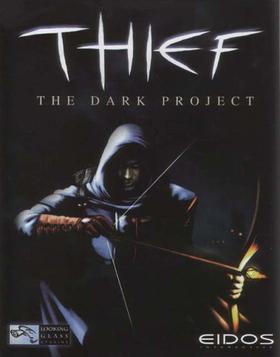
Thief: The Dark Project was a major critical and commercial hit that sold over half a million copies, proving that a first-person title focused entirely on avoidance, silence, and cunning could achieve widespread acclaim and commercial success.
Gameplay Mechanics & Technical Innovations
Thief pioneered mechanical foundations that redefined interactive stealth:
- The Light Gem Visibility Meter: Located at the bottom center of the HUD, the crystal changes from bright white (fully exposed) to pitch black (completely hidden in shadow), dynamically calculating light cast by torches, fireplaces, and electric lights.
- Acoustic Propagation & Footstep Dynamics: The Dark Engine calculates sound reflection through rooms and corridors; sprinting on tile or metal echoes loudly to alert guards, while soft crouch-walking on carpet remains silent.
- Tactical Utility Arrows: Water arrows douse open torches to create shadows; moss arrows coat noisy metal grates in silent vegetation; rope arrows stick into wooden beams to create climbable traversal paths; gas arrows knock out targets non-lethally.
- Strict Non-Lethal Objectives on Expert: Playing on higher difficulty levels strictly forbids killing human guards, demanding pure stealth, blackjack knockouts, and lockpicking mastery.
Historical Legacy & Archival Preservation
Thief: The Dark Project is permanently preserved in the Smithsonian American Art Museum and the World Video Game Hall of Fame as the founding father of 3D stealth immersive simulation.