In a landscape where many gaming segments have been battered, an often overlooked medium is poised for an extraordinary renaissance. Browser-based titles are now delivering experiences that would astonish even the most nostalgic 1990s and early 2000s gamers.
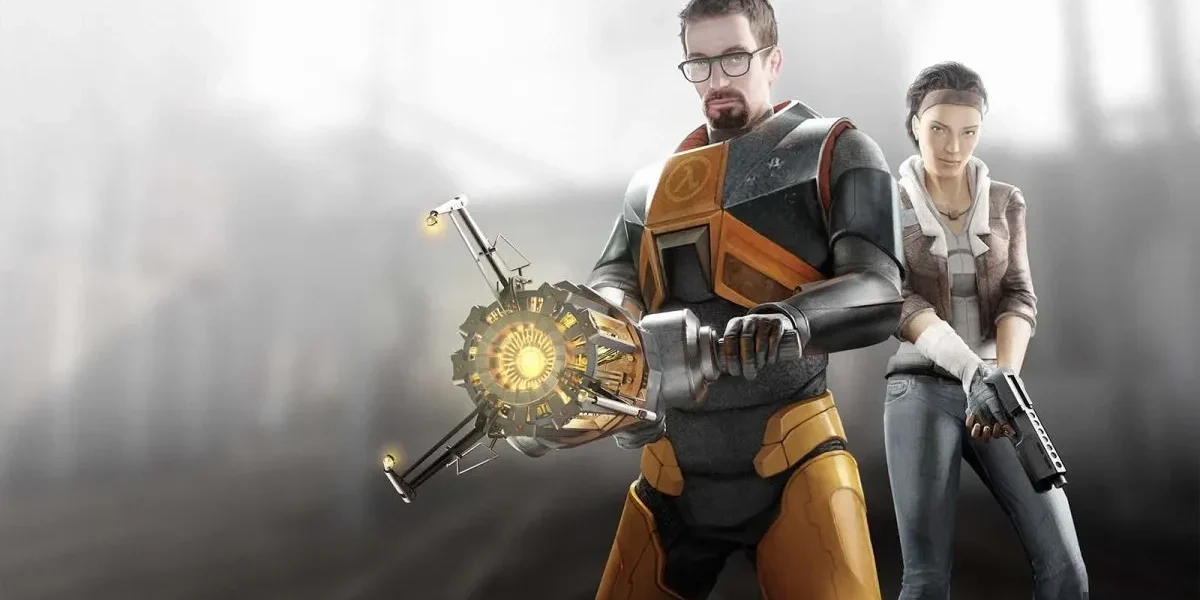
Valve’s iconic Half‑Life 2, once a heavyweight on Japanese arcades, has been reborn as a browser‑friendly marvel. The web‑based version retains the franchise’s signature depth while running smoothly on modest hardware, proving that high‑end gaming can still thrive in the browser.
Beyond the core game, the same portal unlocks the full suite of Half‑Life 2 episodes, and the developers hint that future releases—perhaps even Portal and Portal 2—could soon be playable directly in the browser. This expansion signals a bold shift toward accessible, high‑quality titles on the web.
Messenger, an unconventional title that might not immediately suggest a browser game, showcases the developers’ confidence in the medium. Centered around the simple act of delivering messages, it captivates with a distinct, stylized world and visuals that far surpass typical browser expectations.
Set within a compact, spherical environment, the game gradually unveils its charm and distinctiveness as players delve deeper. Though released in 2025, Messenger has only recently begun to attract a broader audience, leaving many astonished at how this exemplary blend of exploration, design, and calm had slipped under the radar for so long.
For first‑person shooters who grew up on classics like Quake and Unreal, the notion that browser titles could never deliver the same level of performance seemed inevitable. Deadshot defies that assumption, running at blistering speed so that the loading screen becomes almost invisible.
Suddenly, you find yourself on a visually appealing map that you scarcely have time to appreciate before the frantic action erupts. While Deadshot.io may not boast the polish of the Battlefield series, its streamlined, rapid gameplay offers a compelling alternative to titles that require lengthy installs.
Cookie Clicker continues to stand as the pinnacle of its genre, serving as a refreshing antidote to its clichés. Don’t be deceived by its simple premise—clicking a cookie until you ascend to the throne of the cookie empire—because the game is packed with unexpected twists that keep players engaged.
While Cookie Clicker may appear to be the quintessential browser title, it hides a darker, more intriguing side that deserves exploration—spoiler‑free.
Mafia, often called Werewolf, ranks among the earliest IRC‑based browser games. Its original form was a deceptively simple, yet highly addictive, text‑only experience that revolved entirely around conversation to expose the saboteur lurking within the group.
Town of Salem lifts the concept into full 3‑D, delivering a far more immersive and engaging investigative adventure. I never imagined such a genre could still thrive in the browser realm, yet here it is, thriving.
This isn’t merely a single title; it’s an entire catalog that many believed browsers could never host. Two decades on, every modern browser can run the full PS1 library, yet the public remains largely unaware. In an era where video‑game preservation faces constant threats, the most reassuring sign of a secure future for classic titles is the proliferation of free, web‑based platforms that keep them alive.
I highlighted PS1 solely because 3‑D seemed an insurmountable hurdle for browsers. However, if that’s not your preference, virtually any nostalgic title from your youth is now playable straight from the browser.
❓ Frequently Asked Questions (FAQ)
How is Valve’s Half‑Life 2 able to run smoothly in a browser on modest hardware?
Valve has ported Half‑Life 2 to a WebGL‑based engine that compiles the original game’s assets and logic into a format that browsers can execute. By streamlining graphics, using efficient shader code, and leveraging modern browser APIs, the game maintains its signature depth while keeping memory and CPU usage low enough for most laptops and even some mid‑range PCs.
Will the Portal franchise also become available in browsers, and if so, when can players expect it?
Valve has hinted that Portal and Portal 2 could soon be ported to the web, following the success of Half‑Life 2’s browser release. While an exact release date hasn’t been announced, the company is reportedly working on a WebGL version that would allow players to experience the portal puzzles without needing a dedicated gaming PC.
Why is Messenger considered a standout browser game despite its unconventional premise?
Messenger showcases how a simple concept—delivering messages—can be transformed into a visually rich, stylized experience that exceeds typical browser expectations. Its compact, spherical environment and polished graphics demonstrate that even non‑traditional titles can thrive online, proving that the web can host high‑quality, immersive games.
News Source: Destructoid





Comments
Be the first to comment.