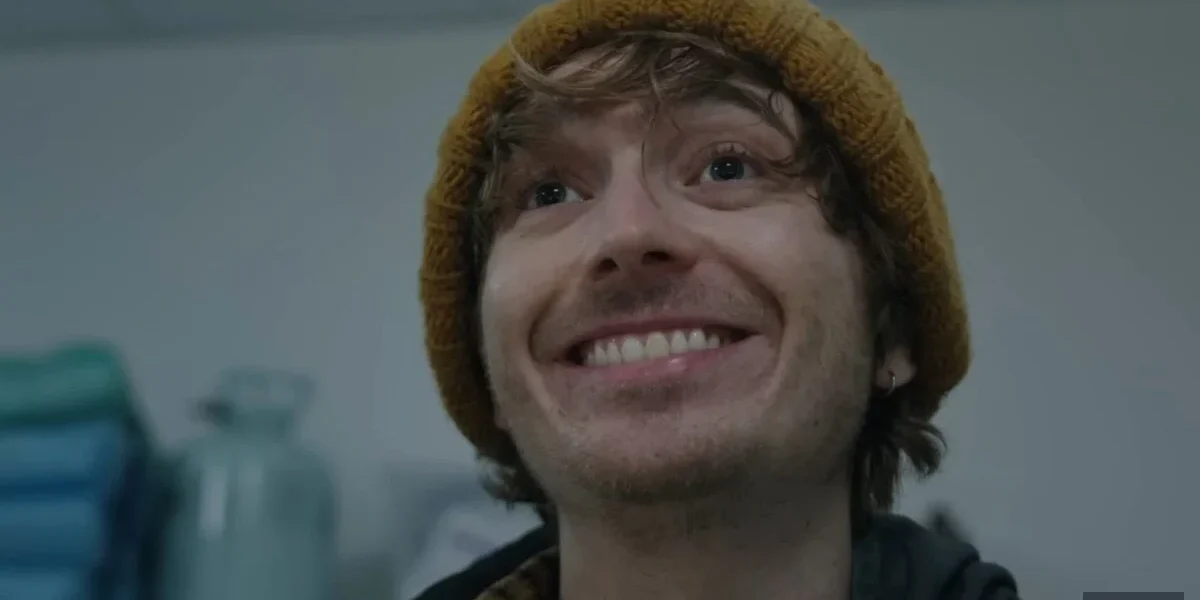
Director Zach Cregger, who also helms the acclaimed game Weapons & Barbarian, is now steering the upcoming Resident Evil film. While the movie claims to unfold amid the Raccoon City outbreak that defines Resident Evil 2, fans have flagged a number of narrative and visual inconsistencies that clash with the beloved source material. With many viewers already frustrated by the absence of iconic characters, any deviation from the franchise’s core lore feels like a warning sign that the production might be exploiting Capcom’s brand name rather than honoring its legacy. Cregger has publicly acknowledged that some of these discrepancies stem from his own creative choices, asserting that he is taking liberties to craft a fresh cinematic experience.
During a panel at San Diego Comic Con, Cregger revealed how the film’s visual language draws heavily from the games’ third‑person perspective. He highlighted specific shots that echo the intimate camera movements typical of the series, explaining that these choices were intended to preserve the immersive feel that fans associate with the gameplay experience.
“When Austin looks right, our camera operator swings to look right… it felt like the camera was being psychically controlled by Austin.” pic.twitter.com/izmDiqZd9p
During the panel, the director highlighted several continuity quirks in the film. The protagonist, Austin, who is fighting for survival at the onset of the Raccoon City outbreak, is shown using a smartphone—an anachronism given that Resident Evil 2 is set in the 1990s. Additionally, the movie depicts a snowy landscape, a stark contrast to the game’s original setting. While these discrepancies may seem minor, they feed into a broader concern that Hollywood adaptations often strip games of their essence, treating the source material as a mere marketing tool. With a history of adaptations that distort narratives or disregard original creators, such doubts are understandable. Cregger’s reply is next.
Zach Cregger responds to the backlash over the film’s use of contemporary phones and a snowy backdrop.
He explained that he deliberately took creative liberties to craft the narrative and visual style he envisioned, even if it meant diverging from the original game. He emphasized that the story unfolds in the snow and in 2026, justifying the presence of an iPhone. He acknowledged that the film is not a faithful, one‑for‑one adaptation of Resident Evil 2, but argued that these differences ultimately strengthen the movie.
Cregger reiterated that the setting is intentionally snowy and set in 2026, and that the modern device is a deliberate choice. He maintains that these artistic decisions do not detract from the film; instead, they enhance its appeal, offering a fresh take on the horror genre.
I share Cregger’s perspective that not every adaptation must mirror its source exactly; sometimes a creative reinterpretation can breathe new life into a story.
The HBO adaptation of The Last of Us, however, suffered when it tried to replicate the original plot verbatim, drawing criticism for misreading the source material and ultimately delivering a weaker rendition.
What appears to be a misstep for Cregger is the inconsistent communication surrounding the film, which has left fans uncertain and expectations spiraling.
Initially, the director suggested that the movie would unfold alongside the events of Resident Evil 2, a premise that would have anchored it in the 1990s. Yet recent statements hint at a modern‑day setting, effectively moving the narrative forward in time.
Such timeline ambiguity probably won’t dictate the film’s artistic merit; if the story stands on its own and stays separate from the larger Resident Evil continuity, its success will hinge on its own merits.
Today’s gamers and viewers are increasingly obsessed with mapping new releases onto existing timelines. In that context, a film that prioritizes atmosphere over intricate continuity can be a refreshing antidote—provided it’s presented as such from the outset.
When a movie tries to weave itself into the fabric of its predecessors, die‑hard fans deploy their magnifying glasses, dissecting every frame. This scrutiny intensifies when Hollywood seems to harvest a franchise’s popularity without respecting the original work’s depth.
Cregger isn’t pretending to be a Resident Evil aficionado; the issue seems to be that his project may have launched on shaky ground.
Should the movie live up to the standard set by his previous titles, early criticisms might fade into the background.
The film is scheduled to hit theaters on September 18, giving fans a chance to evaluate whether Cregger’s vision delivers.
❓ Frequently Asked Questions (FAQ)
Who is directing the new Resident Evil film and what other projects has he worked on?
The film is being directed by Zach Cregger, who is also known for helming the critically acclaimed game Weapons & Barbarian.
What are the main concerns fans have about the film's storyline and visuals?
Fans have pointed out several narrative and visual inconsistencies that clash with the beloved source material, such as the absence of iconic characters and deviations from the core lore of Resident Evil 2, which they feel could alienate core fans and suggest the production is exploiting Capcom’s brand name.
How does Zach Cregger justify the creative changes in the movie?
Cregger has publicly acknowledged that some discrepancies stem from his own creative choices, stating that he is taking liberties to craft a fresh cinematic experience while still drawing visual inspiration from the games’ third‑person perspective to preserve the immersive feel fans associate with the gameplay.
News Source: Kotaku




Comments
Be the first to comment.