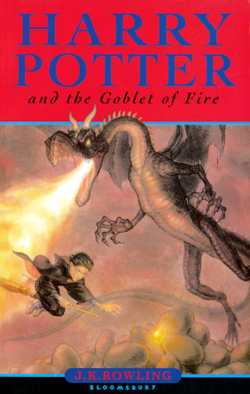
Introduction: The Next Chapter for Harry Potter and the Goblet of Fire
"Harry Potter and the Goblet of Fire" represents a pivotal moment in both the book series and, by extension, any potential game adaptation. This installment marks Harry's transition into adolescence, bringing with it increased complexity in narrative themes, character development, and overall stakes. The introduction of the Triwizard Tournament adds an element of high-octane competition and danger that demands innovative gameplay mechanics to capture its intensity. A successful game based on this novel must not only replicate the core story but also translate the emotional weight and visual spectacle into a compelling interactive experience.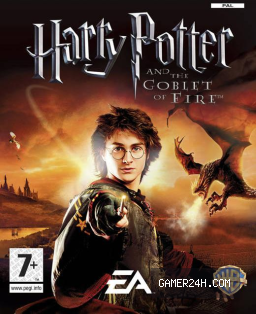
Visual Direction and Graphics Engineering
The visual direction for a "Harry Potter and the Goblet of Fire" game would need to strike a balance between capturing the iconic look of Hogwarts and the wider wizarding world while pushing the boundaries of graphical fidelity. The use of advanced rendering techniques, such as physically-based rendering (PBR), could bring unparalleled realism to environments like the Great Hall and the Forbidden Forest. Character models should reflect the growing maturity of Harry and his peers, with detailed facial animations conveying a range of emotions. Furthermore, the Quidditch sequences demand dynamic camera work and particle effects to simulate the speed and excitement of the sport. The game engine would need to be highly optimized to handle these complex visuals while maintaining a smooth frame rate across various hardware configurations.Gameplay Mechanics and Core Systems
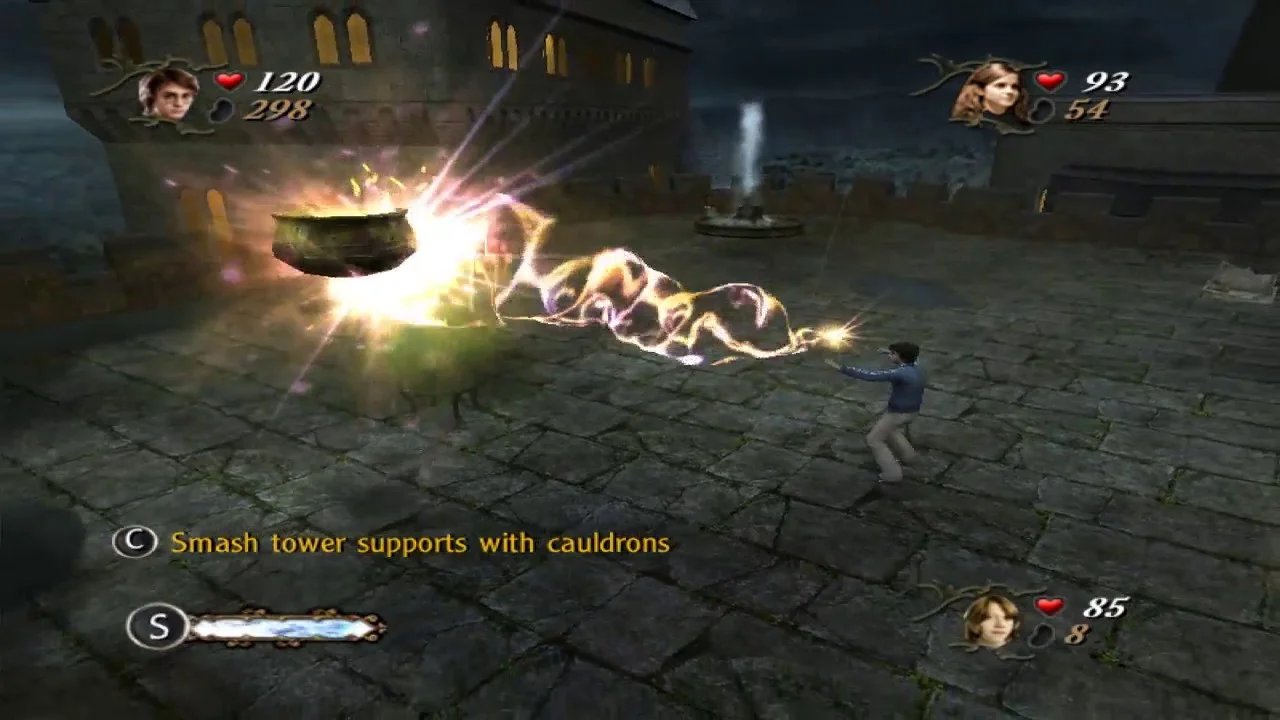
The gameplay in "Harry Potter and the Goblet of Fire" must reflect the challenges presented by the Triwizard Tournament. This could involve a mix of puzzle-solving, combat encounters with magical creatures, and platforming sequences within Hogwarts castle and its grounds. The spellcasting system should be intuitive yet deep, allowing players to master a wide array of spells for both offensive and defensive purposes. Quidditch gameplay would need to be engaging and accessible, offering a compelling alternative to traditional sports games. A robust character progression system could allow players to customize Harry's abilities and learn new spells as they progress through the game.Level Design and World Atmosphere
The level design in "Harry Potter and the Goblet of Fire" should prioritize exploration and discovery, encouraging players to immerse themselves in the richly detailed world created by J.K. Rowling. Hogwarts castle itself would serve as a central hub, with interconnected classrooms, corridors, and secret passages waiting to be uncovered. The Forbidden Forest, Durmstrang Institute, and Beauxbatons Academy of Magic should all be meticulously recreated, offering unique environments for exploration and gameplay. Atmospheric lighting and sound design are crucial in creating a sense of wonder and danger, drawing players deeper into the magical world.Narrative Depth and Character Profiles
A successful "Harry Potter and the Goblet of Fire" game must capture the emotional depth and complexity of the characters. Harry's journey from innocent boy to young man grappling with responsibility and loss should be reflected in his interactions with other characters, such as Ron, Hermione, Dumbledore, and even Voldemort. The game could expand upon the novel by offering additional dialogue options and side quests that delve deeper into the motivations and backstories of key characters. Voice acting is paramount in bringing these personalities to life, ensuring that players feel a genuine connection with the characters they are playing as or interacting with.Sound Design and Acoustic Realism
The sound design for "Harry Potter and the Goblet of Fire" should be immersive and evocative, enhancing the overall sense of realism and wonder. The iconic musical score from the films would need to be seamlessly integrated into the gameplay, while original compositions could add new layers of emotional depth. Sound effects for spells, creatures, and environmental interactions should be meticulously crafted to create a believable and engaging soundscape. Spatial audio technology can further enhance immersion by accurately positioning sounds within the 3D environment.Release Expectations and Community Hype
The release of a "Harry Potter and the Goblet of Fire" game would undoubtedly generate significant hype among fans worldwide. The success of previous Harry Potter games, coupled with the enduring popularity of the book series and films, creates a strong foundation for anticipation. However, high expectations also come with increased scrutiny. The game must deliver on its promise of capturing the magic and excitement of the novel while offering innovative gameplay mechanics and stunning visuals to truly resonate with players. Marketing efforts should focus on showcasing the game's unique features and highlighting its faithfulness to the source material.Conclusion: The Future of Harry Potter and the Goblet of Fire
"Harry Potter and the Goblet of Fire" presents a significant challenge for any game developer, but also an unparalleled opportunity to create a truly unforgettable interactive experience. By leveraging cutting-edge technology, prioritizing narrative depth, and staying true to the spirit of J.K. Rowling's work, a "Goblet of Fire" game could not only satisfy long-time fans but also attract new players to the magical world of Harry Potter. The future of this franchise lies in its ability to evolve while remaining faithful to its roots, ensuring that each new installment offers something fresh and exciting for both seasoned wizards and curious newcomers alike.
Source: Wikipedia
Google Preferred Source
Add us to your favorite news sources on Google
Get instant updates and breaking news directly in Google News