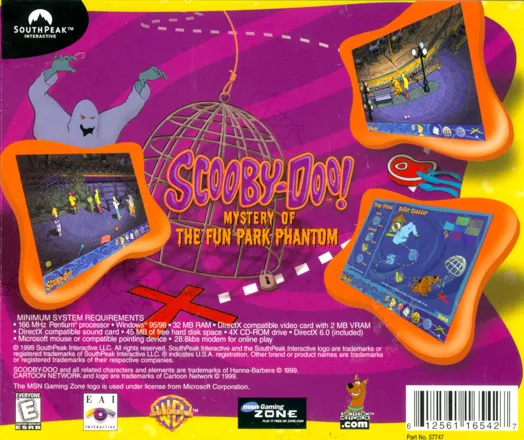
Introduction: The Next Chapter for Scooby-Doo! Mystery of the Fun Park Phantom
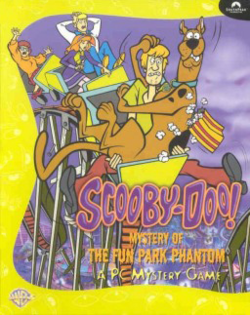
"Scooby-Doo! Mystery of the Fun Park Phantom," released in 1999, represents a pivotal moment in the franchise's transition to interactive experiences. Developed by Engineering Animation, Inc., this title aimed to capture the essence of Scooby-Doo mysteries while offering a unique gameplay experience for young audiences. While seemingly simple on the surface, "Mystery of the Fun Park Phantom" laid the groundwork for future Scooby-Doo games and demonstrated the potential of adapting the franchise into engaging computer games. The game's success hinged on its ability to blend familiar characters and storylines with innovative gameplay mechanics, creating a compelling adventure that appealed to both children and nostalgic adults.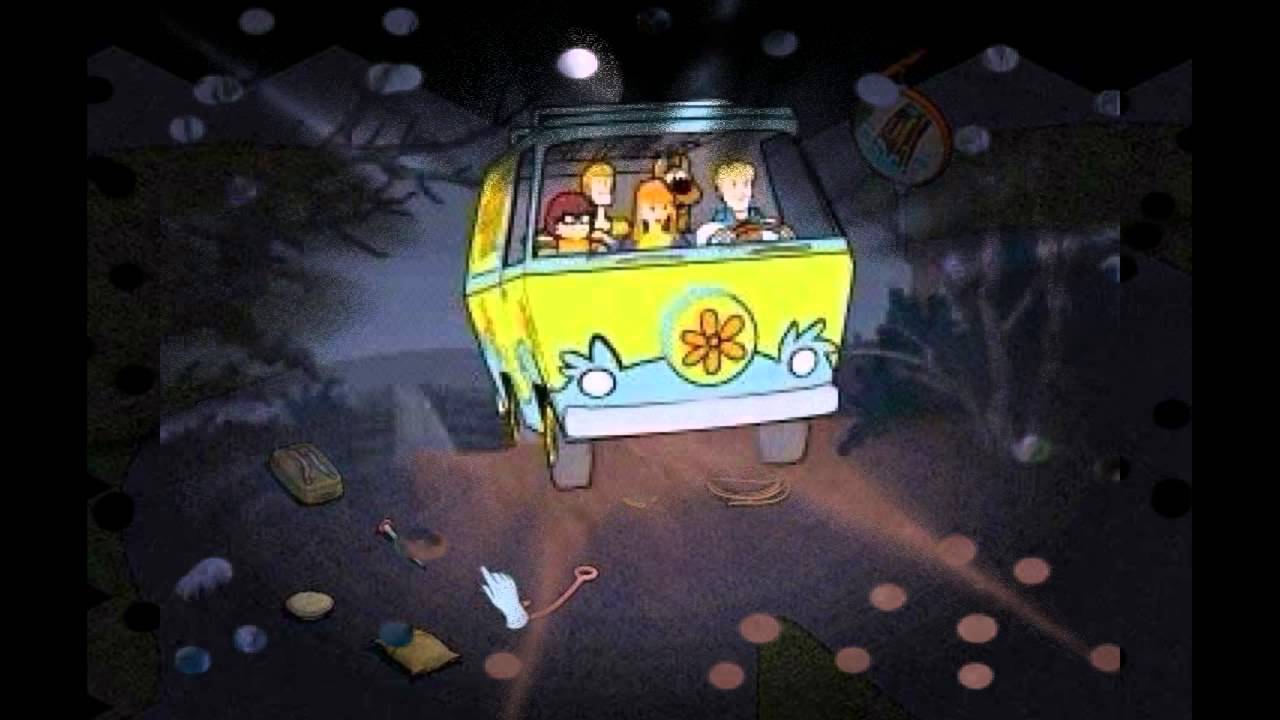
Visual Direction and Graphics Engineering
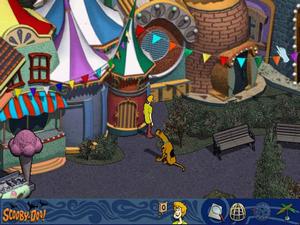
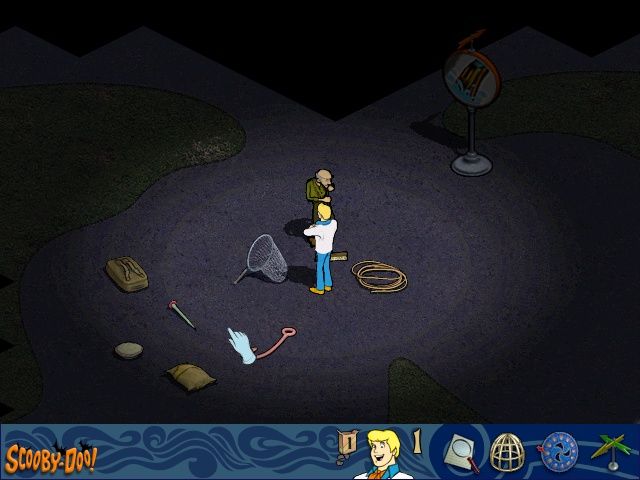
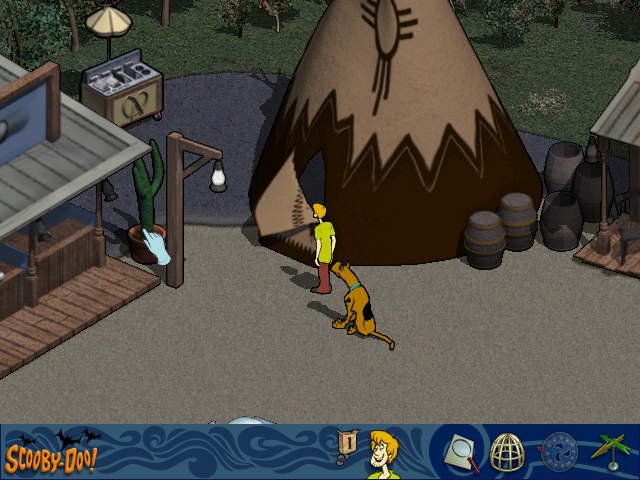
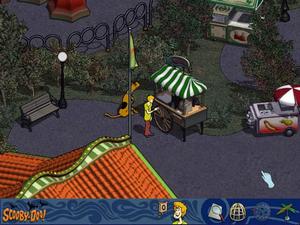
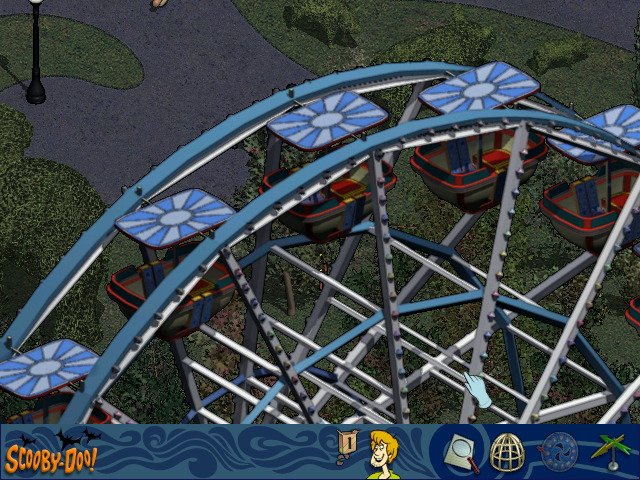
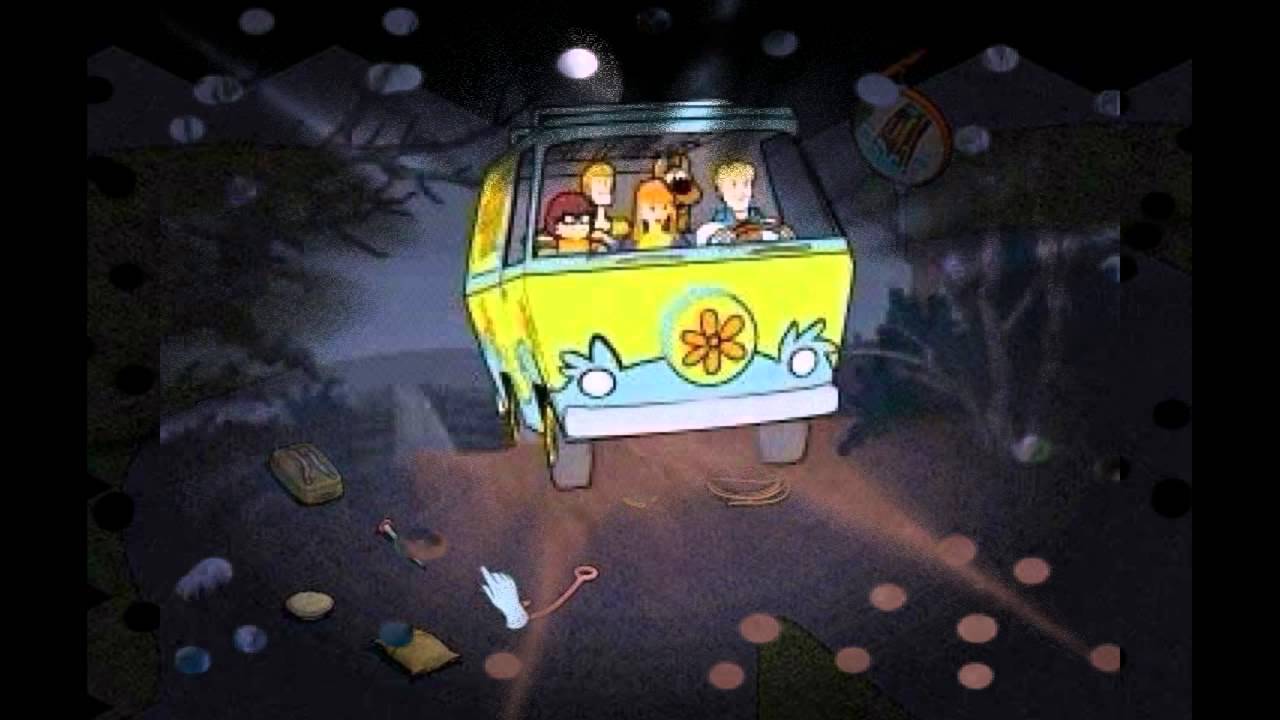
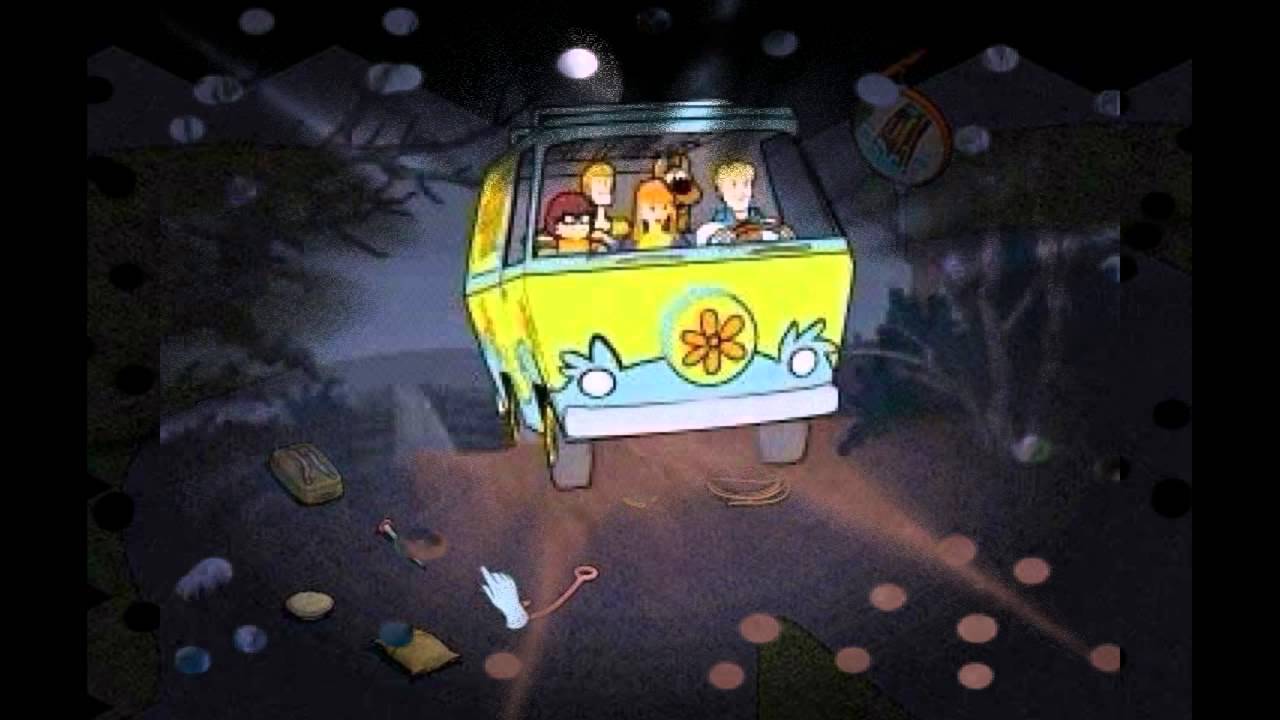
Given its 1999 release date, "Scooby-Doo! Mystery of the Fun Park Phantom" utilized graphics technology reflective of the era. The game employed pre-rendered environments and character models, a common practice for games targeting younger audiences due to performance constraints and ease of development. While not boasting the graphical fidelity of modern titles, the visual style effectively captured the cartoonish aesthetic of Scooby-Doo. Character animations, though limited, conveyed personality and emotion, enhancing the overall experience. The use of bright colors and detailed backgrounds helped create a vibrant and engaging virtual Fun Park environment. (Example: A screenshot showcasing the pre-rendered environments and character models.)
Gameplay Mechanics and Core Systems
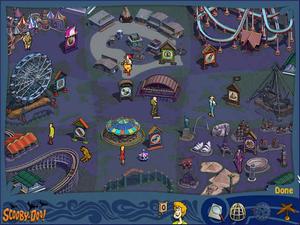
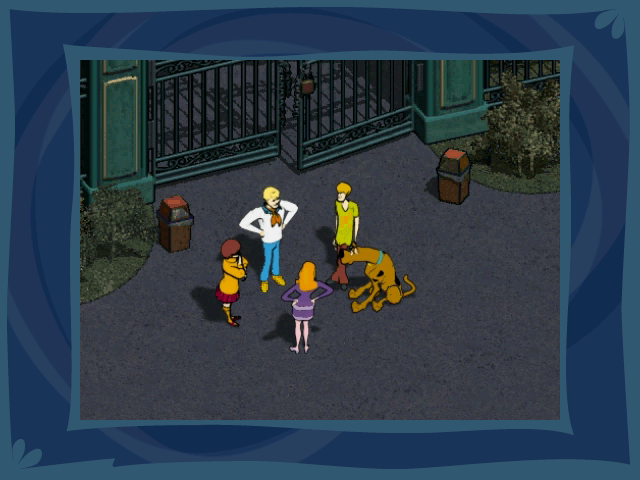
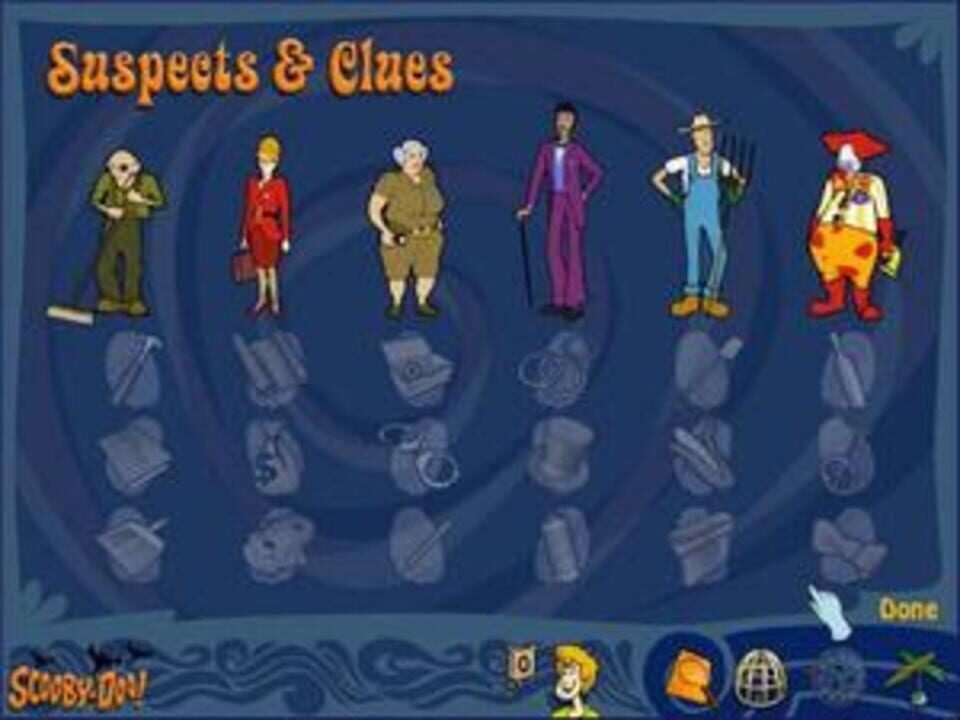
The core gameplay loop revolves around exploration, clue gathering, and puzzle solving. Players assume the roles of various members of Mystery Inc., each with their own unique perspectives on the unfolding mystery. The game features a point-and-click interface, making it accessible to younger players. A key mechanic involves interacting with non-player characters (NPCs) within the Fun Park, gathering information and uncovering potential suspects. Traps are another crucial element, allowing players to capture the culprit at the climax of the investigation. The ability to play cooperatively, with multiple players controlling different members of Mystery Inc., added a layer of social interaction and replayability. (Example: An image depicting the point-and-click interface and character selection screen.)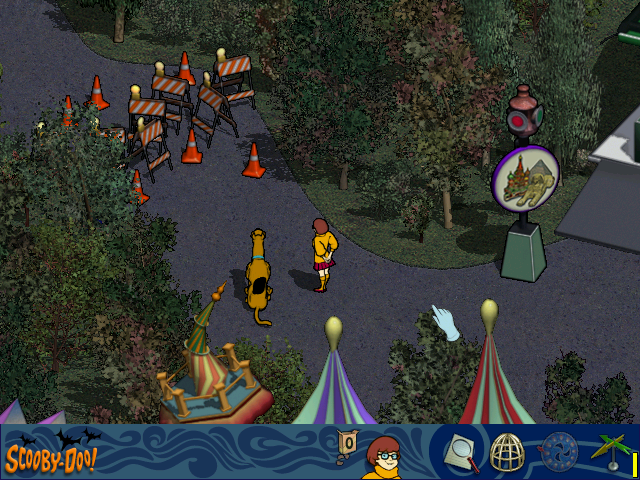
Level Design and World Atmosphere
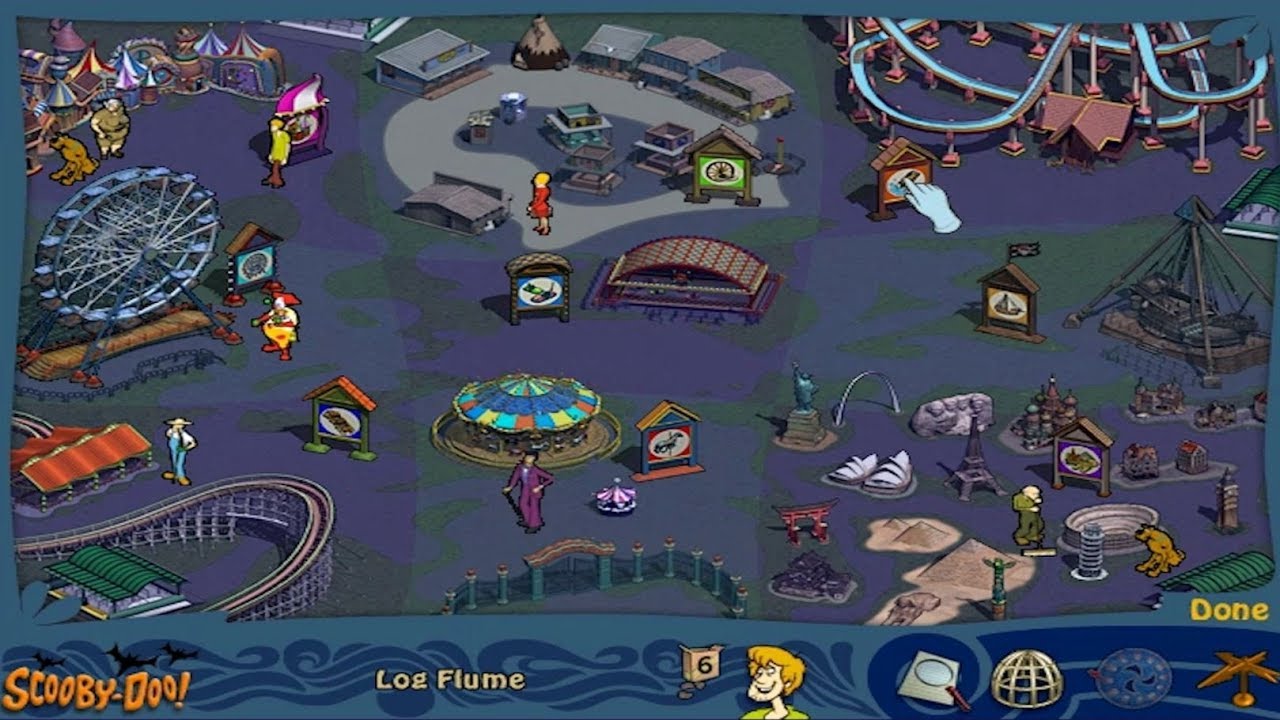
The Fun Park itself is divided into distinct themed areas, each offering unique visual elements and gameplay challenges. The level design encourages exploration and rewards players for thorough investigation. Each area features a variety of interactive objects and hidden clues that contribute to the overall mystery. The atmosphere within the park is carefully crafted to evoke a sense of both excitement and unease, reflecting the balance between fun and suspense characteristic of Scooby-Doo adventures. The game effectively utilizes environmental storytelling, using visual cues and NPC interactions to build a compelling narrative.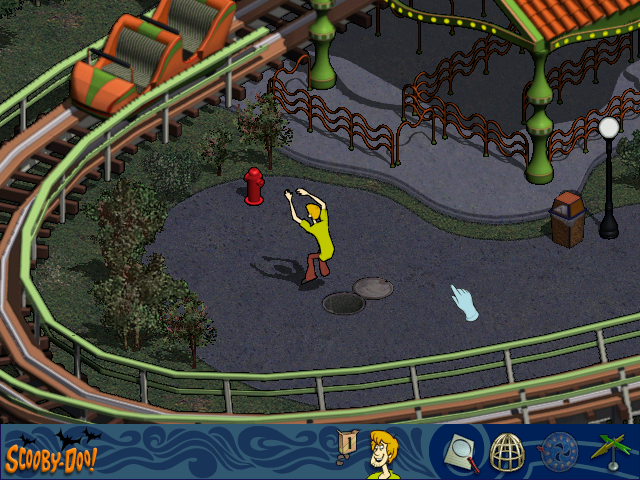
Narrative Depth and Character Profiles
While targeted at a younger audience, "Mystery of the Fun Park Phantom" presents a reasonably complex mystery with multiple suspects and red herrings. The narrative unfolds through dialogue sequences and interactive cutscenes, revealing clues about the culprit's motives and methods. Each member of Mystery Inc. possesses distinct personality traits that influence their approach to solving the case. Shaggy and Scooby's comedic antics provide moments of levity, while Fred's analytical skills and Daphne's resourcefulness contribute to the investigation. The game successfully captures the dynamic between the characters, making them relatable and engaging for players.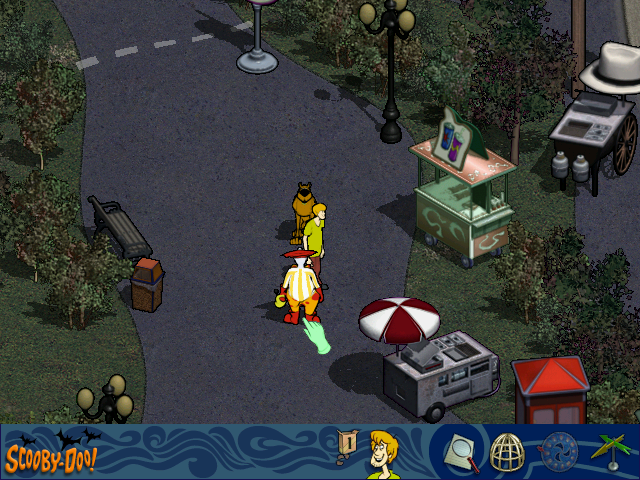
Sound Design and Acoustic Realism
The sound design plays a crucial role in creating an immersive experience. Authentic sound effects, such as creaking roller coasters and eerie background music, enhance the atmosphere of the Fun Park. Voice acting brings the characters to life, conveying their emotions and personalities. The soundtrack complements the gameplay, providing both suspenseful moments and lighthearted interludes. While limited by the technology of the time, the audio design effectively contributes to the overall sense of immersion.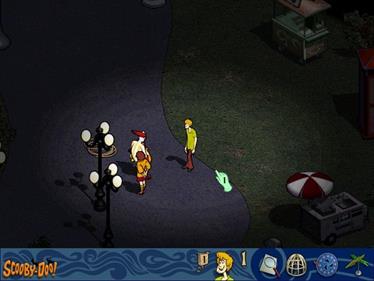
Release Expectations and Community Hype
Released during a period of growing interest in interactive entertainment for children, "Scooby-Doo! Mystery of the Fun Park Phantom" generated considerable hype among fans of the franchise. The game's ability to offer a unique gameplay experience based on familiar characters and storylines made it an attractive proposition for both young players and nostalgic adults. While not without its limitations, the game successfully captured the essence of Scooby-Doo mysteries and provided a compelling interactive adventure. (Example: A gameplay trailer or review showcasing the game's features.)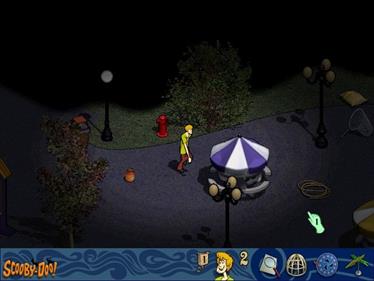
Conclusion: The Future of Scooby-Doo! Mystery of the Fun Park Phantom
"Scooby-Doo! Mystery of the Fun Park Phantom" represents an important milestone in the franchise's journey into interactive entertainment. While not a technical marvel by modern standards, the game successfully captured the spirit of Scooby-Doo and provided a compelling gameplay experience for young audiences. Its success paved the way for future Scooby-Doo games and demonstrated the potential of adapting the franchise into engaging computer adventures. The game's legacy lies in its ability to blend familiar characters and storylines with innovative gameplay mechanics, creating a memorable experience that continues to resonate with fans today.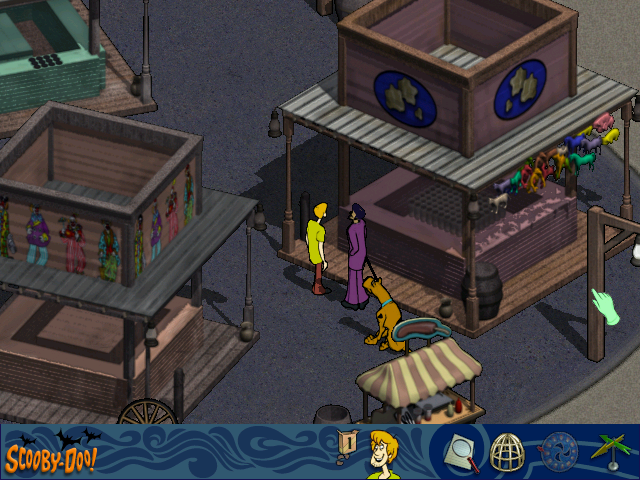
Source: Wikipedia
Google Preferred Source
Add us to your favorite news sources on Google
Get instant updates and breaking news directly in Google News