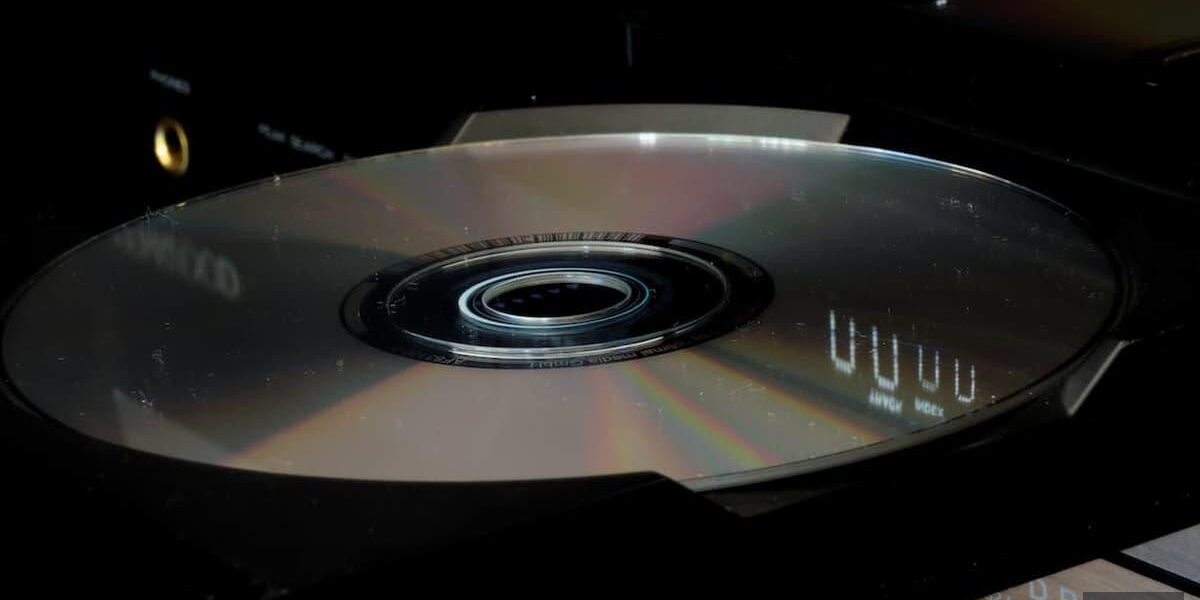
In an era where the price of games and gaming hardware has hit record highs, the act of acquiring new titles has become almost effortless.
While many struggle to afford basic necessities such as healthcare, groceries, and housing, the convenience of micro‑transactions and on‑demand delivery services makes it trivial to acquire non‑essential items—diverting attention from looming societal challenges.
Historically, game publishers offered a more hands‑on approach that required physical copies and manual exchanges. The shift to instant downloads eliminated that friction, streamlining the experience but also erasing the thrill of hunting for a coveted title.
Friction, in this sense, refers to the modest yet meaningful obstacles that enrich our pursuits. Corporations, convinced we crave frictionless convenience, have stripped away those small hurdles, leaving many unaware of the excitement that comes from tracking down a rare, inexpensive gem.
In an era when glossy art and the storied name of Square Enix could compel even the most skeptical consumer to shell out a full price for a title that would later be remembered as one of the worst, the lesson is clear: never judge a game solely by its cover. The experience is worth the $50, especially when it’s your parents’ money on the line.
While many gamers today can recite their favorite titles, a generation of millennials still remembers the arduous journeys they undertook to secure those same games. The thrill of finally locating a copy of Vagrant Story after weeks of searching, or the adrenaline of racing to the store on Metal Gear Solid 2’s launch day only to find it out of stock, are memories that linger long after the console is turned off.
Even the less‑loved moments from those days carry a certain charm. I recall braving a scorching heatwave to snag Final Fantasy X on its release day, only to discover that the delivery had been postponed nationwide for an additional three days. The relief came when the PS2 bundle that accompanied the game arrived on schedule, a small mercy that made the frustration of waiting feel a little more bearable.
Today’s gamers are asked to describe the process of acquiring a game as a simple click, and many dismiss any lingering nostalgia for the old‑school hunt. The closest adventure now is the repetitive task of entering credit card details while fingers are slick with Doritos grease—a far cry from the tangible excitement of a physical release.
It may sound like gatekeeping, but growing up in a modest town, I was lucky to have several shops within a stroll. When the sought‑after titles were scarce, I’d beg my parents to drive me to the metropolis. Those excursions produced some of my most cherished gaming moments.
The clip shown isn’t my own, yet I’ve experienced comparable thrills—surprises that gamers raised solely on digital releases may never encounter, and I empathize with their perspective.
A significant portion of the population lacks a car or suffers from mobility‑limiting health conditions. Some simply have no interest in crafting such memories, while others face spatial constraints that make a disc library impractical. These factors underscore why digital titles have earned their rightful spot.
The real disappointment lies in Sony’s silence regarding whether it will broaden PSN coverage to the more than 100 territories that would otherwise be cut off from game access if physical discs were abruptly phased out.
For decades, physical and digital media have coexisted successfully. Choice is valuable, yet a touch of friction—a small hurdle—keeps the decision to purchase a disc or download from engaging, preventing the paralysis that can accompany such a choice.
❓ Frequently Asked Questions (FAQ)
Why have physical CD games largely disappeared in recent years?
Physical CD games fell out of favor as digital distribution platforms grew in popularity. The convenience of instant downloads, lower distribution costs, and the ability to access a vast library from any device made digital releases more attractive to both publishers and consumers. This shift eliminated the need for physical manufacturing, shipping, and retail space, leading to a decline in CD production.
How has the move to digital distribution impacted collector culture and secondary markets?
Digital distribution removes the tactile experience of hunting for rare or limited‑edition physical copies, which historically fueled collector enthusiasm and a robust secondary market. Without the physical scarcity and the excitement of unboxing, many collectors lose a key incentive to acquire and trade games, potentially shrinking the secondary market and altering long‑term collector dynamics.
What are the broader societal concerns associated with the ease of micro‑transactions in gaming?
While micro‑transactions offer quick access to non‑essential content, they can divert consumer attention and spending from essential needs such as healthcare, groceries, and housing. This convenience can mask underlying economic pressures, encouraging spending habits that prioritize instant gratification over more pressing life necessities, and raising questions about responsible consumer behavior in a high‑price economy.
News Source: Destructoid




Comments
Be the first to comment.