Introduction: The Next Chapter for Driver: Parallel Lines
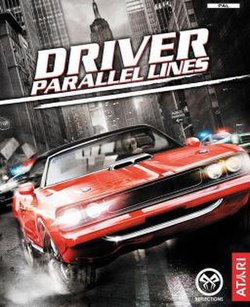
Driver: Parallel Lines, released in 2006 by Atari (consoles) and Ubisoft (PC/Wii), represents a pivotal moment in the Driver franchise. Developed by Reflections Interactive, it aimed to revitalize the series after the lukewarm reception of Driver 3. Departing from the multi-city structure of its predecessors, Parallel Lines focuses entirely on New York City, spanning two distinct eras: 1978 and 2006. This focused approach allowed for a deeper exploration of the city's atmosphere and a more cohesive narrative experience. The game also introduced TK, a new protagonist replacing the familiar John Tanner, marking a significant shift in the franchise's identity.
Visual Direction and Graphics Engineering
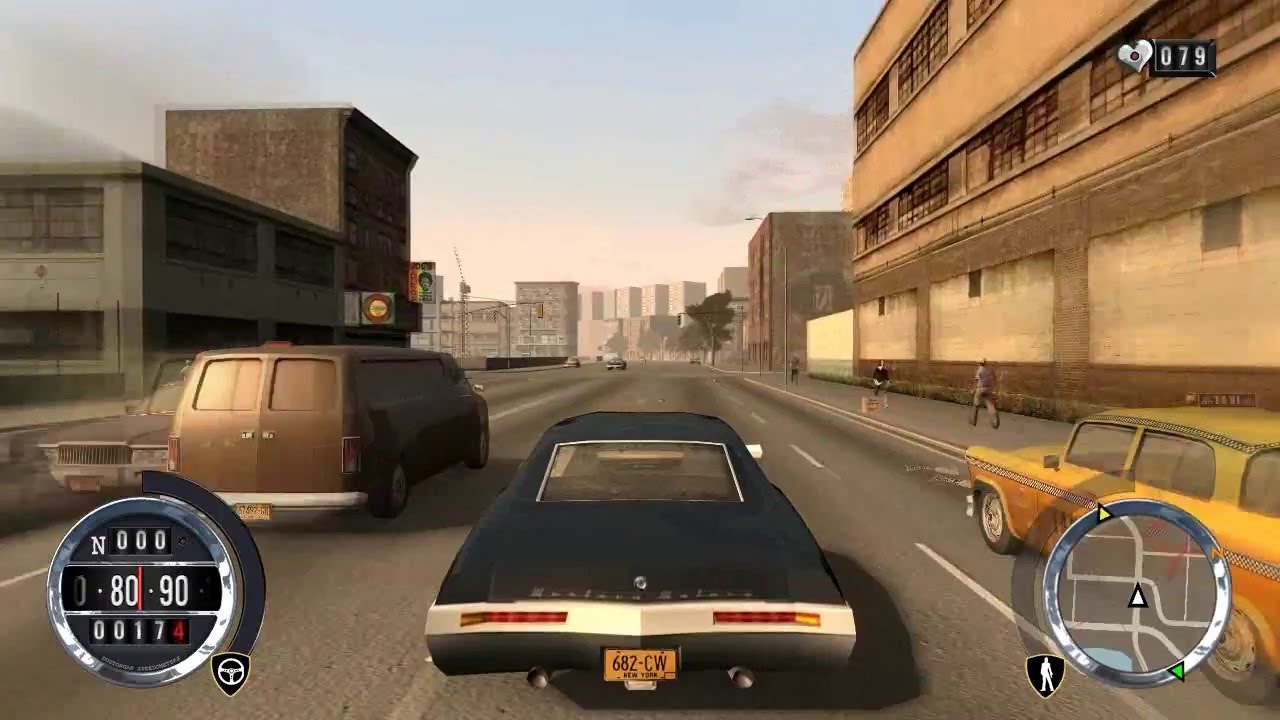
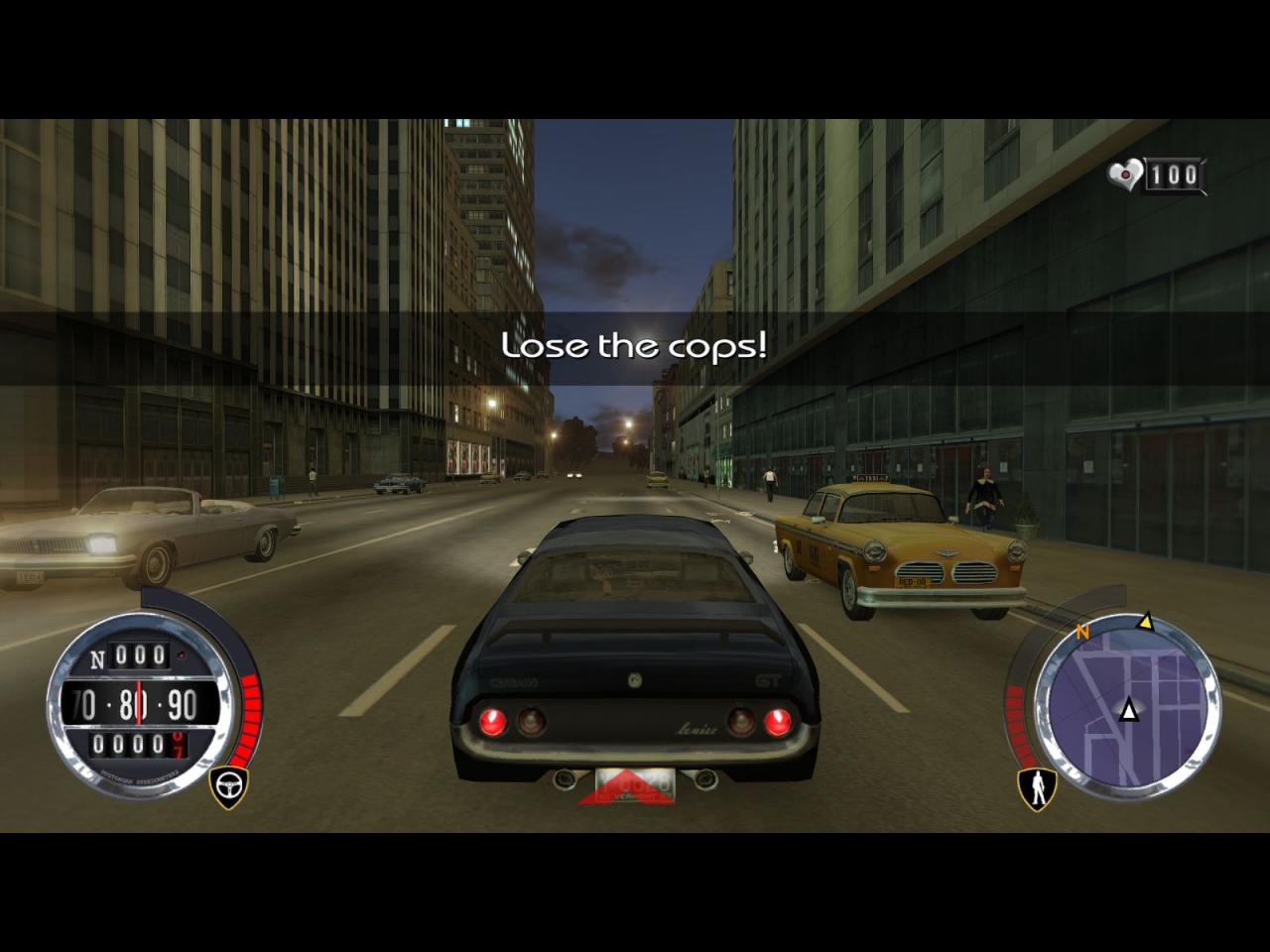
Driver: Parallel Lines utilized a proprietary "Next-Gen" engine developed by Reflections Interactive. While details about the specific technical specifications of this engine are scarce, it was designed to deliver a visually immersive experience for its time. The game features detailed recreations of New York City landmarks and environments, rendered with varying degrees of fidelity depending on the platform. The visual style aims for a cinematic presentation, emphasizing atmosphere and realism. While not pushing the boundaries of graphical innovation by today's standards, the game successfully captures the distinct aesthetics of both the 1970s and 2006 eras through its art direction and environmental design. The engine was likely optimized for performance on the PlayStation 2 and Xbox consoles, while the PC version benefited from increased graphical capabilities.Gameplay Mechanics and Core Systems
At its core, Driver: Parallel Lines is a driving-focused action game. Players primarily navigate New York City behind the wheel of various vehicles, ranging from classic cars to modern sports cars. The gameplay emphasizes vehicular combat, chases, and precision driving maneuvers. While shooting mechanics are present, they take a backseat to the driving experience. The game features a mission structure that guides players through a series of objectives, often involving escaping police pursuits or engaging in high-speed chases. A key element is the "Driver" meter, which fills as players perform skillful driving actions, unlocking special abilities and enhancing their vehicles. While on-foot sections are present, they were streamlined compared to Driver 3, reflecting a conscious effort to focus on what made previous Driver games enjoyable: the thrill of the open road.Level Design and World Atmosphere
The game's level design is intricately woven into the fabric of New York City. Each era features distinct environments, from the gritty streets of 1970s Brooklyn to the bustling avenues of modern-day Manhattan. The developers meticulously recreated iconic landmarks and neighborhoods, capturing the unique atmosphere of each time period. The open-world structure allows players to freely explore the city, discovering hidden areas and engaging in spontaneous activities. The level design encourages experimentation and rewards skillful driving, creating a dynamic and engaging gameplay experience. The transition between the 1970s and 2006 eras is seamless, allowing players to witness the evolution of New York City firsthand.Narrative Depth and Character Profiles
Driver: Parallel Lines tells the story of TK, a skilled getaway driver framed for murder and seeking revenge. The narrative explores themes of betrayal, redemption, and the harsh realities of life on the streets. While TK is a new protagonist, his motivations are relatable, drawing players into his quest for justice. The supporting characters add depth to the story, each with their own agendas and secrets. The game's script aims for realism, portraying the complexities of human relationships and the moral ambiguities that often arise in criminal underworlds. The narrative structure is linear, guiding players through a series of interconnected events that ultimately lead to TK's confrontation with those who wronged him.Sound Design and Acoustic Realism
The sound design in Driver: Parallel Lines plays a crucial role in creating an immersive experience. The game features a meticulously crafted soundtrack that captures the distinct musical styles of both the 1970s and 2006 eras. Classic rock anthems from the 1970s provide a nostalgic backdrop to the gameplay, while contemporary music adds energy to the modern-day sections. Realistic sound effects enhance the sense of immersion, from the roar of engines to the screech of tires. The game's audio design effectively complements the visuals and gameplay, creating a cohesive and engaging sensory experience.Release Expectations and Community Hype
Prior to its release, Driver: Parallel Lines generated considerable hype among fans of the series. The promise of a focused narrative, a return to driving-centric gameplay, and a detailed recreation of New York City created anticipation for what could be a revitalizing entry in the franchise. However, the game's performance on consoles was often criticized, particularly regarding its technical limitations and occasional glitches. Despite these criticisms, the game found a dedicated following among players who appreciated its unique atmosphere, driving mechanics, and nostalgic soundtrack. The PC version, benefiting from more powerful hardware, generally received better reviews than its console counterparts.Conclusion: The Future of Driver: Parallel Lines
Driver: Parallel Lines represents an interesting chapter in the Driver franchise's history. While not without its flaws, it attempted to recapture the essence of what made previous games enjoyable while introducing new elements and a fresh perspective. Its focus on driving, atmospheric environments, and a compelling narrative set it apart from other open-world action games of its time. The game's legacy lies in its ability to evoke a sense of nostalgia for both the 1970s and the early 2000s, offering players a unique glimpse into two distinct eras of New York City. While future installments in the Driver series have explored different approaches, Parallel Lines remains a memorable entry that attempted to redefine the franchise's identity.
Source: Wikipedia
Google Preferred Source
Add us to your favorite news sources on Google
Get instant updates and breaking news directly in Google News