The Genre Genesis: From Modern Titans to 2001 Pioneers
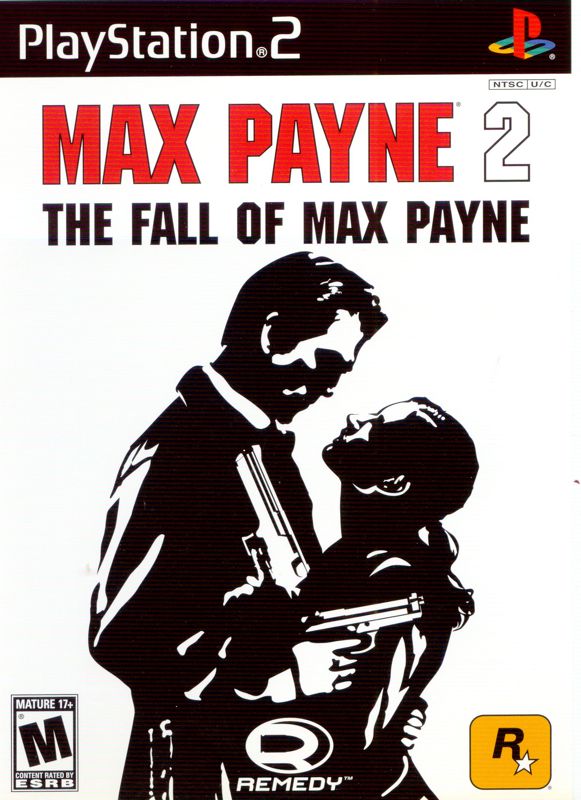
Melancholic poetic hardboiled neo-noir interactive storytelling (delivered through graphic novel comic panels, cynical internal monologue voiceovers, dreamscapes, and surreal television show broadcasts), paired with full 3D Havok ragdoll physics and accelerating "Bullet Time 2.0" gunplay (where consecutive slow-motion kills turn the hourglass golden and accelerate player reload speed while the world remains frozen in time)—from Alan Wake 1 & 2, Control, Max Payne 3, Quantum Break, and modern cinematic third-person shooters—trace their darkest romantic masterpiece to October 14, 2003 with Remedy Entertainment's crowning jewel, Max Payne 2: The Fall of Max Payne.
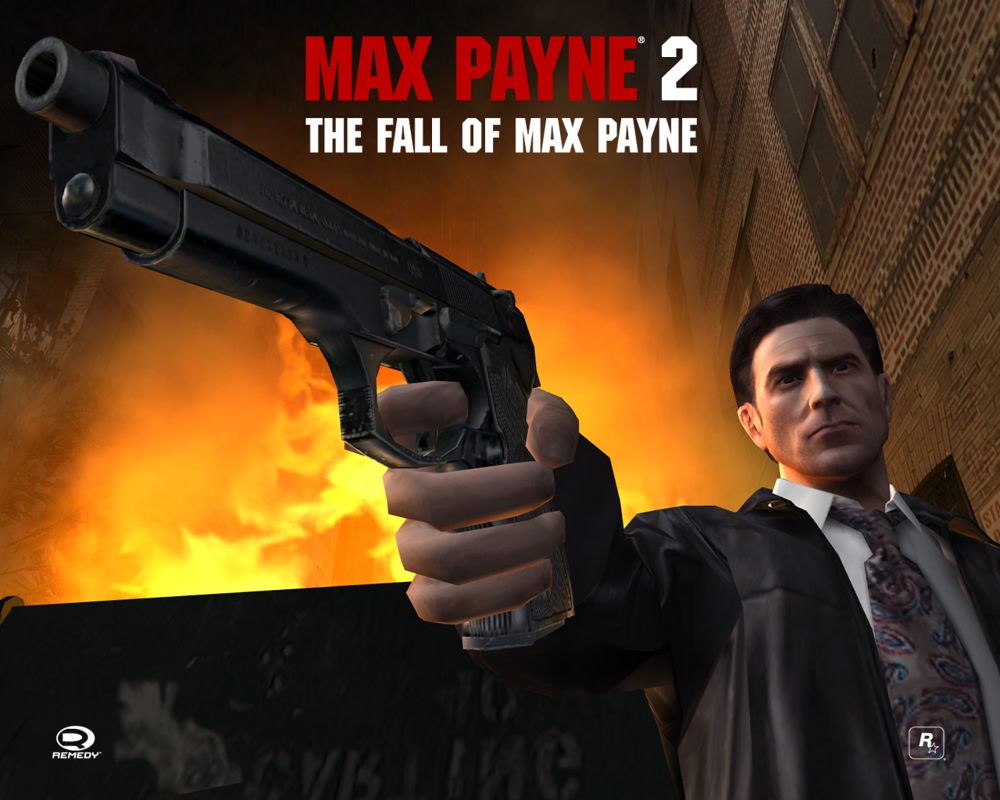
Written by series mastermind Sam Lake and directed by Petri Järvilehto at Finnish studio Remedy Entertainment in Espoo in partnership with Rockstar Games on their proprietary MAX-FX Engine integrated with the brand-new Havok Physics Engine, Max Payne 2: The Fall of Max Payne (subtitled *"A Film Noir Love Story"*) elevated cinematic action to fine art. Earning an 86/100 on Metacritic and universal acclaim for its writing, acting (voiced by James McCaffrey), and physics simulation, it stands as an immortal noir classic.
Platform Context & Gaming Environment

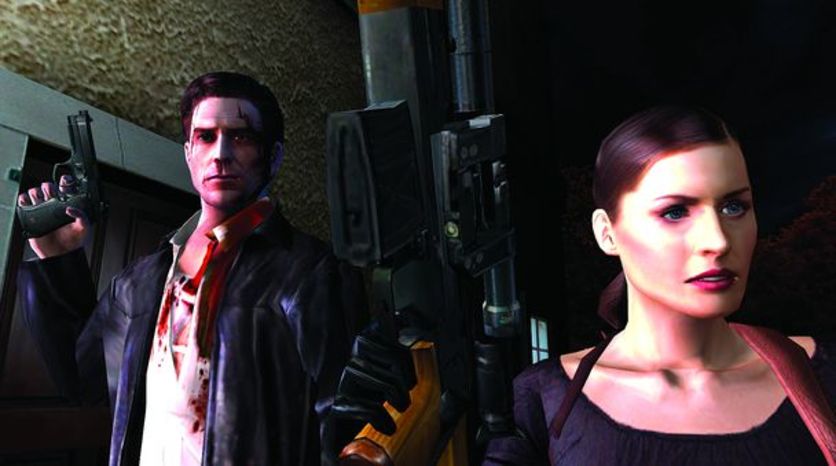
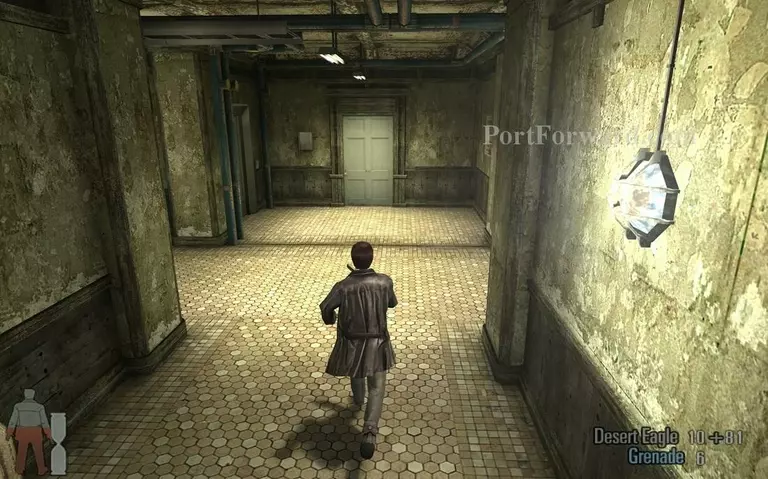
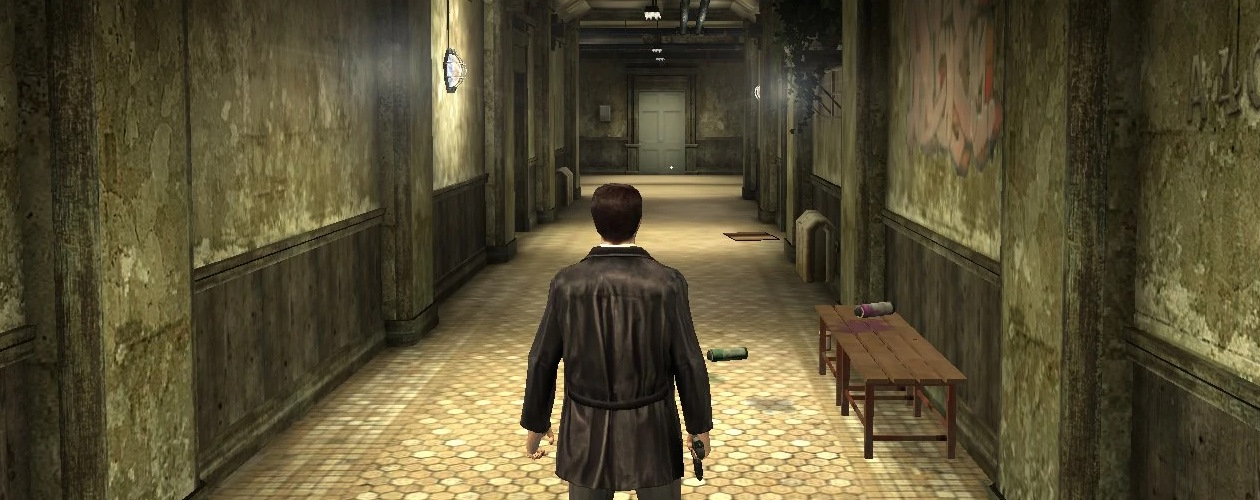
Reinstated as a detective in the NYPD thanks to the shadowy influence of Inner Circle politician Alfred Woden, Max Payne investigates a series of murders committed by a group of contract killers disguised as cleaners (the "Cleaners"). Crossing paths with mysterious contract killer Mona Sax—who was presumed dead in the original game—Max falls into a passionate, doomed romance that tests his loyalty to the law. Navigating the rain-slicked streets of New York City: dilapidated tenement buildings, a funhouse attraction based on the TV show *Address Unknown*, construction sites, and Woden's fortified manor, Max and Mona uncover the deadly conspiracy orchestrated by Russian mobster Vladimir Lem to seize control of the Inner Circle.
Popularity & Cultural Standing: Niche vs. Blockbuster
Max Payne 2: The Fall of Max Payne was a major critical triumph, widely hailed by critics as one of the best-written and most atmospheric video games ever produced. The ending theme song "Late Goodbye" by Finnish rock band Poets of the Fall (written based on a poem by Sam Lake) became an international hit and a defining musical hallmark of Remedy's connected universe.
Gameplay Mechanics & Technical Innovations
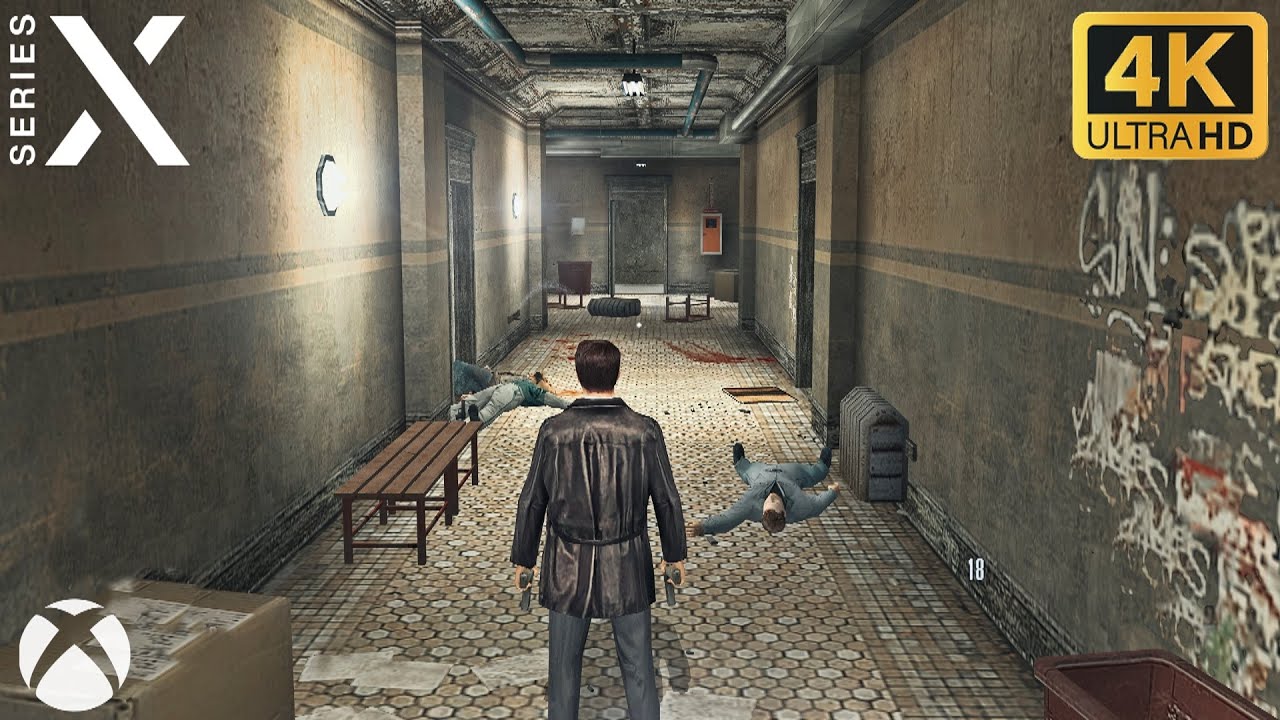
Max Payne 2 established standard-setting shooter physics:
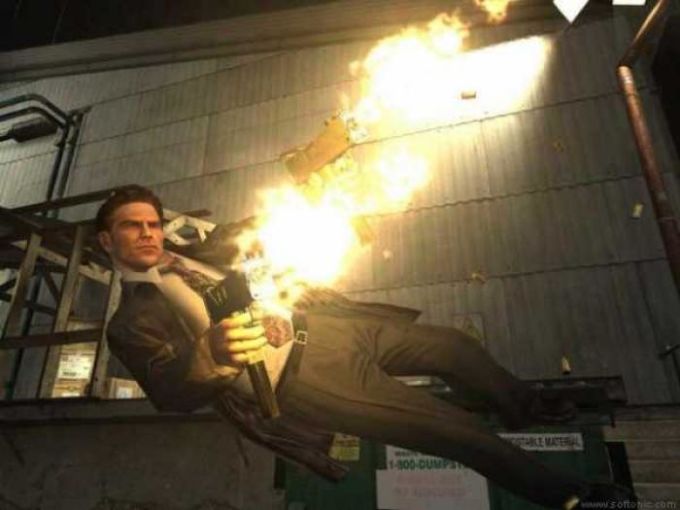
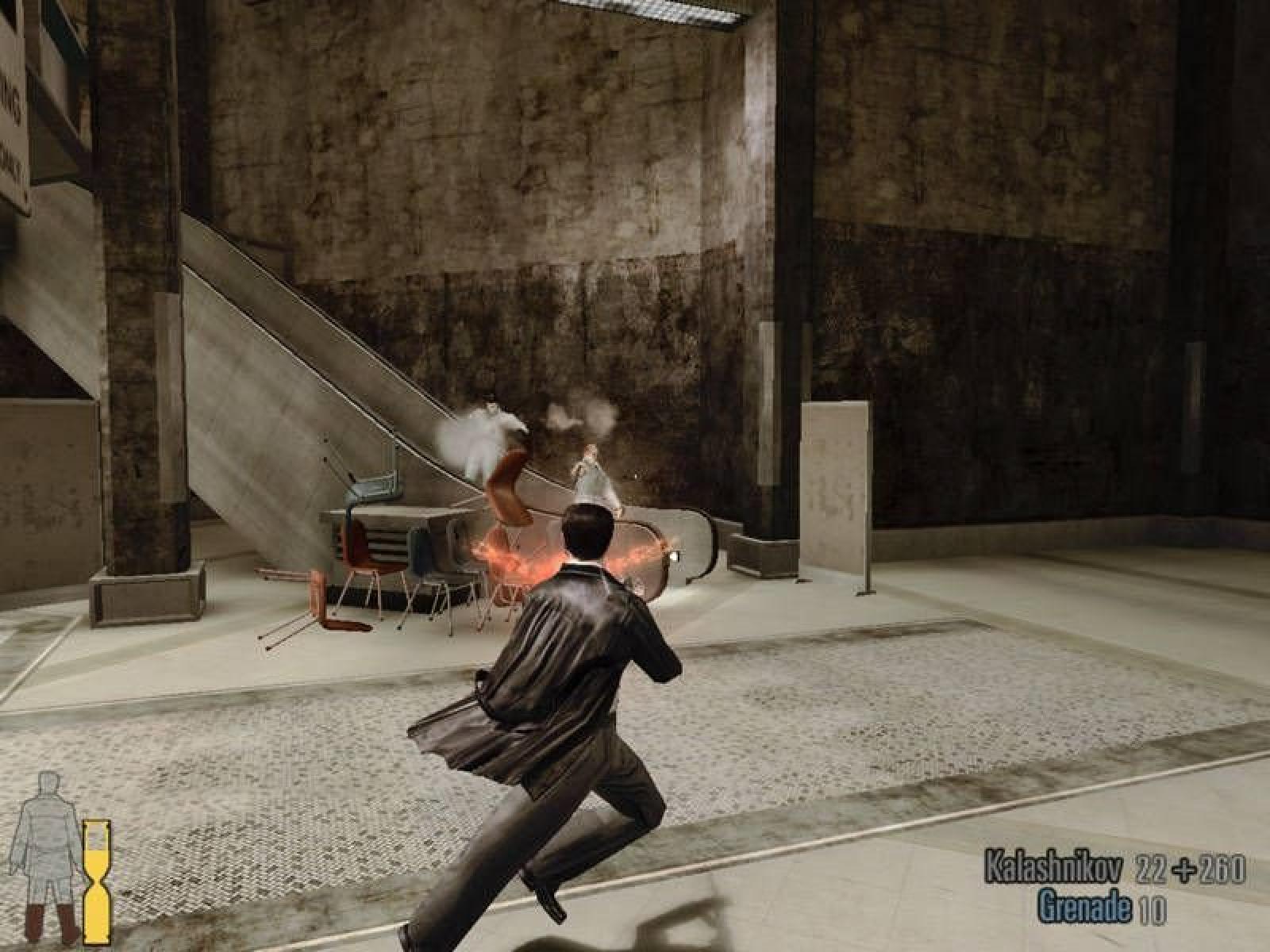
- Bullet Time 2.0 & Combat Combo Acceleration: Slaying enemies while in slow-motion Bullet Time turns the hourglass meter from white to yellow, deepening the time dilation on enemies while accelerating Max's aim speed, movement, and weapon reload animations.
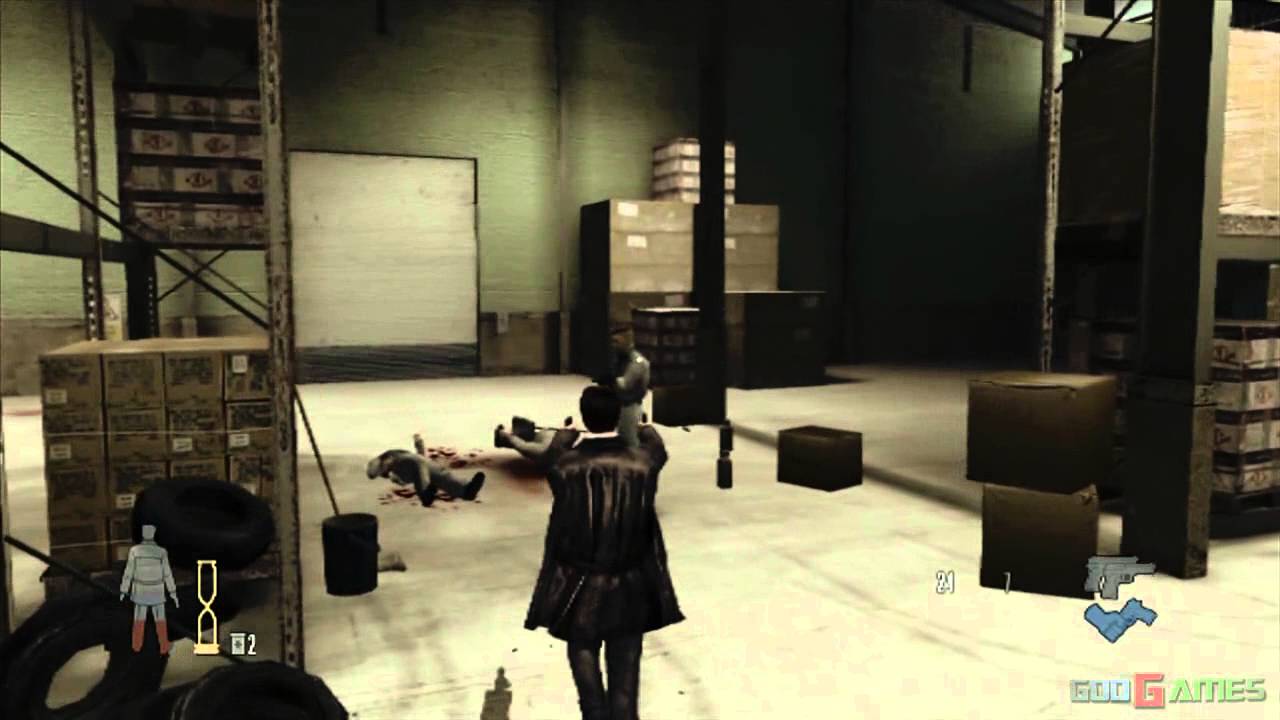
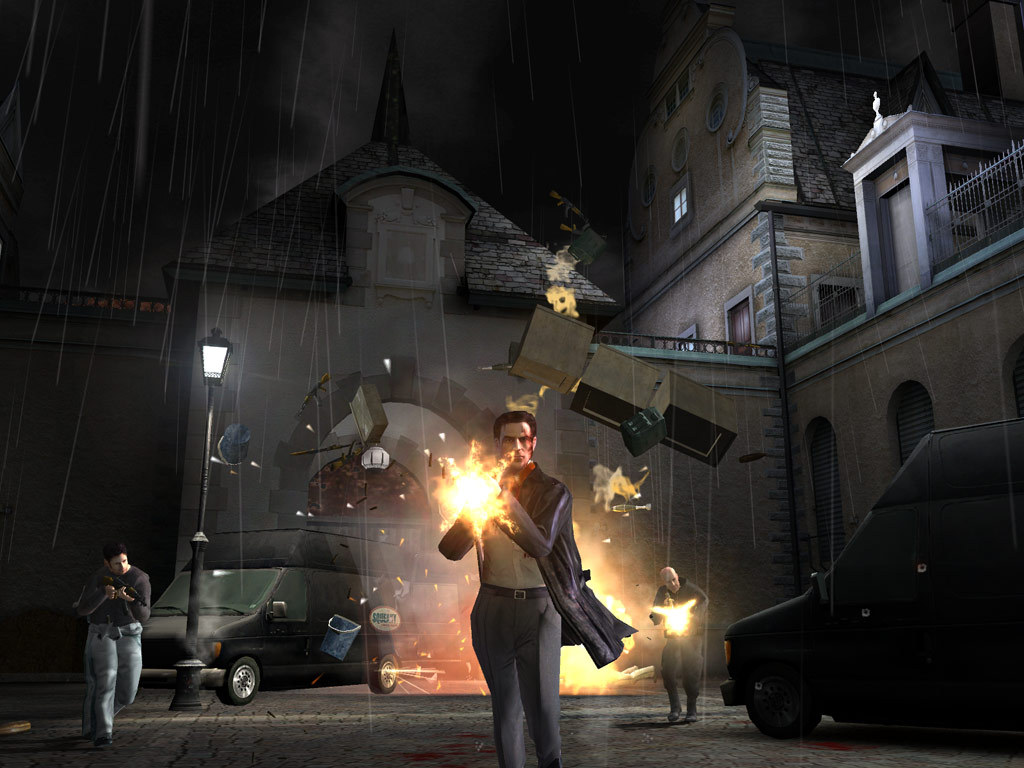
- Full Havok Ragdoll & Environmental Physics: Every cardboard box, wooden crate, paint can, tire, and fallen enemy corpse is governed by real-time Havok physics; grenade explosions send enemies cartwheeling through wooden railings and scattering office paperwork.
- Dual-Character Campaign Gameplay: Alternating control during key chapters between Max Payne and sniper assassin Mona Sax (equipped with the Dragunov sniper rifle to provide covering fire from scaffolding).
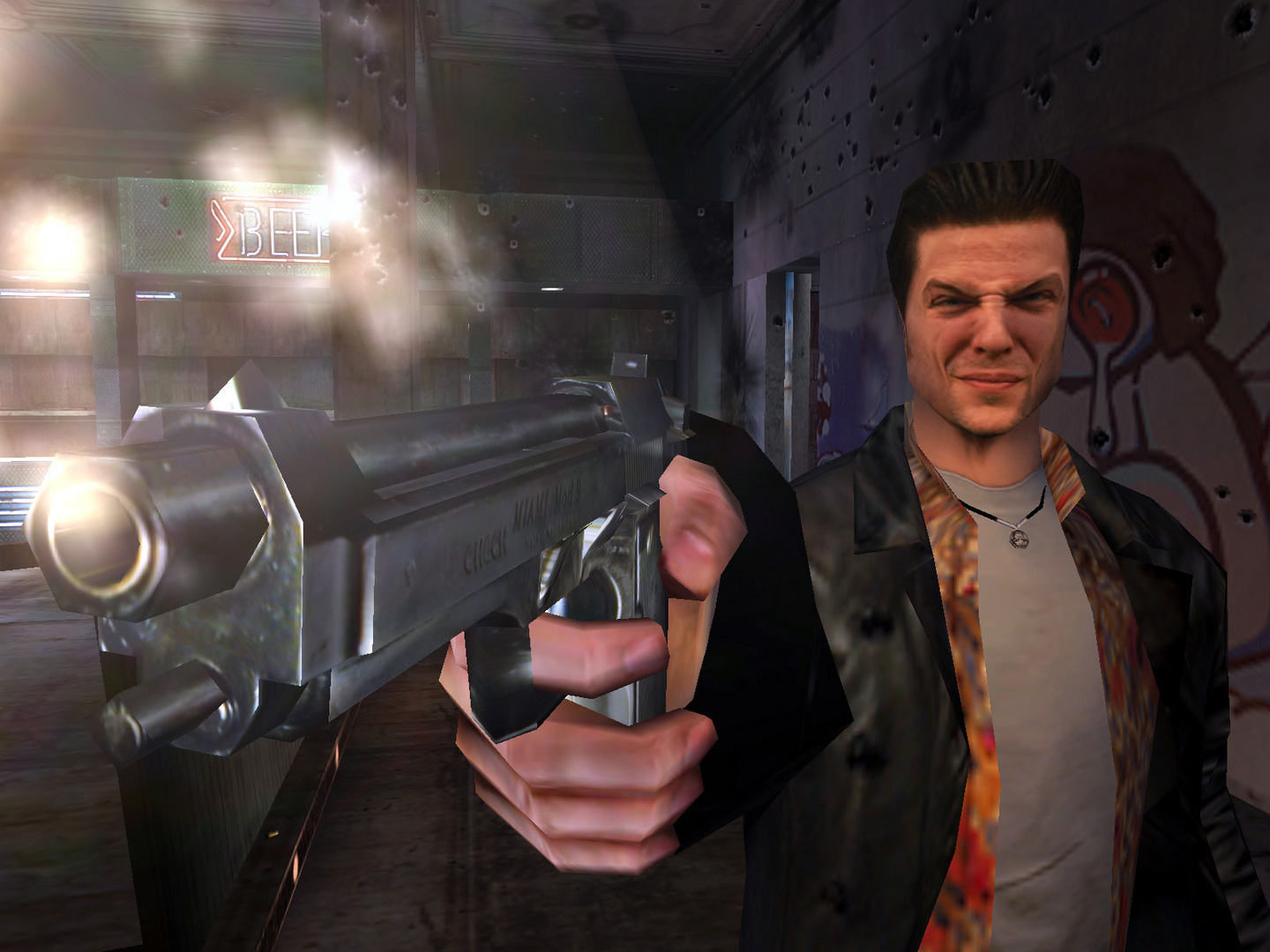
- Expanded Dual-Wield Firearm Arsenal: Dual 9mm Berettas, Dual Desert Eagles, Dual Ingrams, Striker shotgun, MP5, Kalashnikov AK-47, M4 Carbine, and Molotov Cocktails.
- In-Game Media Universe: Interactive televisions throughout New York broadcast 4 complete fictional shows: the surreal *Address Unknown*, the anime spoof *Lords & Ladies*, *Dick Justice*, and *Captain Baseball Bat-Boy*.
Historical Legacy & Archival Preservation

Max Payne 2: The Fall of Max Payne is permanently enshrined in video game history as the absolute pinnacle of neo-noir action cinema in gaming, establishing Sam Lake and Remedy as masters of interactive narrative.