Introduction: The Next Chapter for No More Heroes
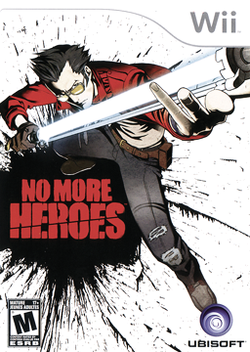
No More Heroes, a title that instantly conjures images of katana-wielding assassins and the eccentric genius of Suda51. Originally released in 2007, this cult classic carved its own niche within the action-adventure landscape, blending hack-and-slash combat with open-world elements and a healthy dose of Japanese surrealism. This deep dive aims to dissect every facet of No More Heroes, from its groundbreaking engine to its unforgettable soundtrack, exploring why it remains a benchmark for innovative game design. We’re not just looking back; we’re analyzing the foundations upon which future installments are built, understanding what makes this title so enduringly popular.
Visual Direction and Graphics Engineering
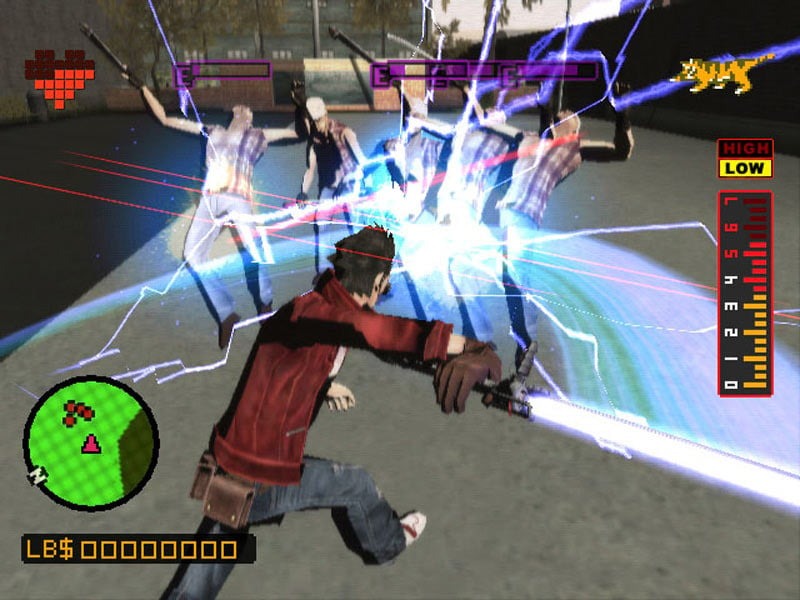
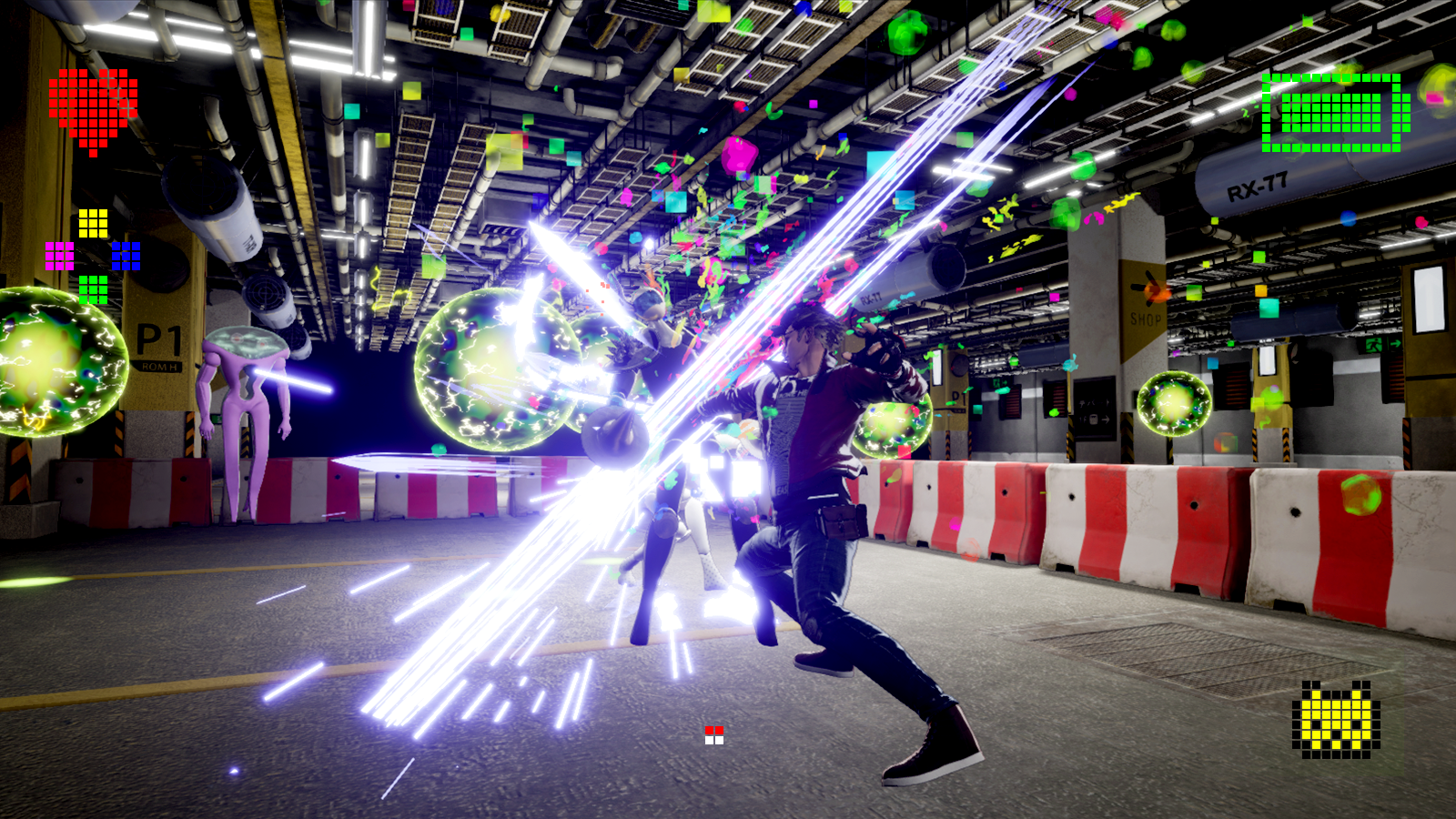
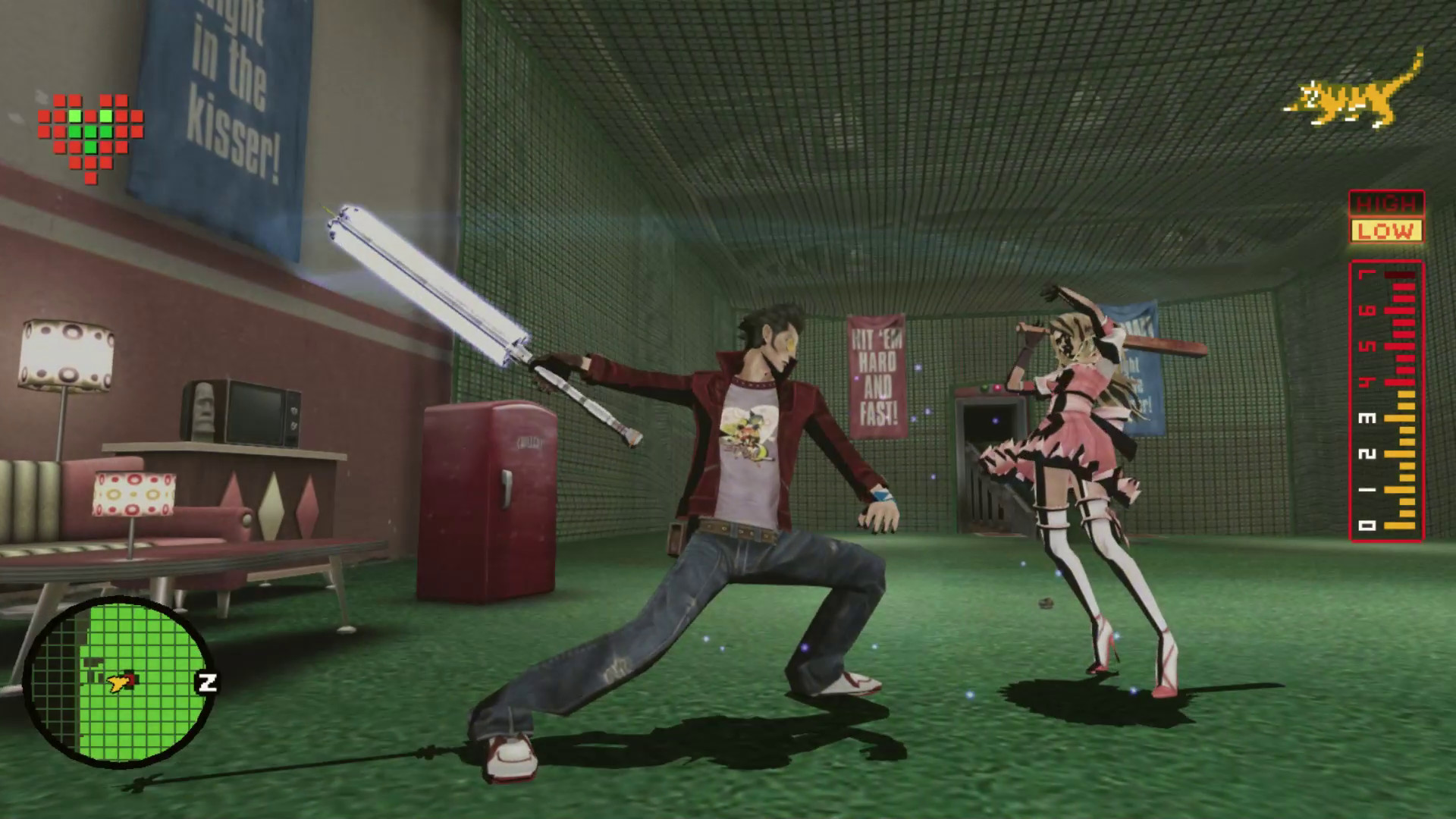
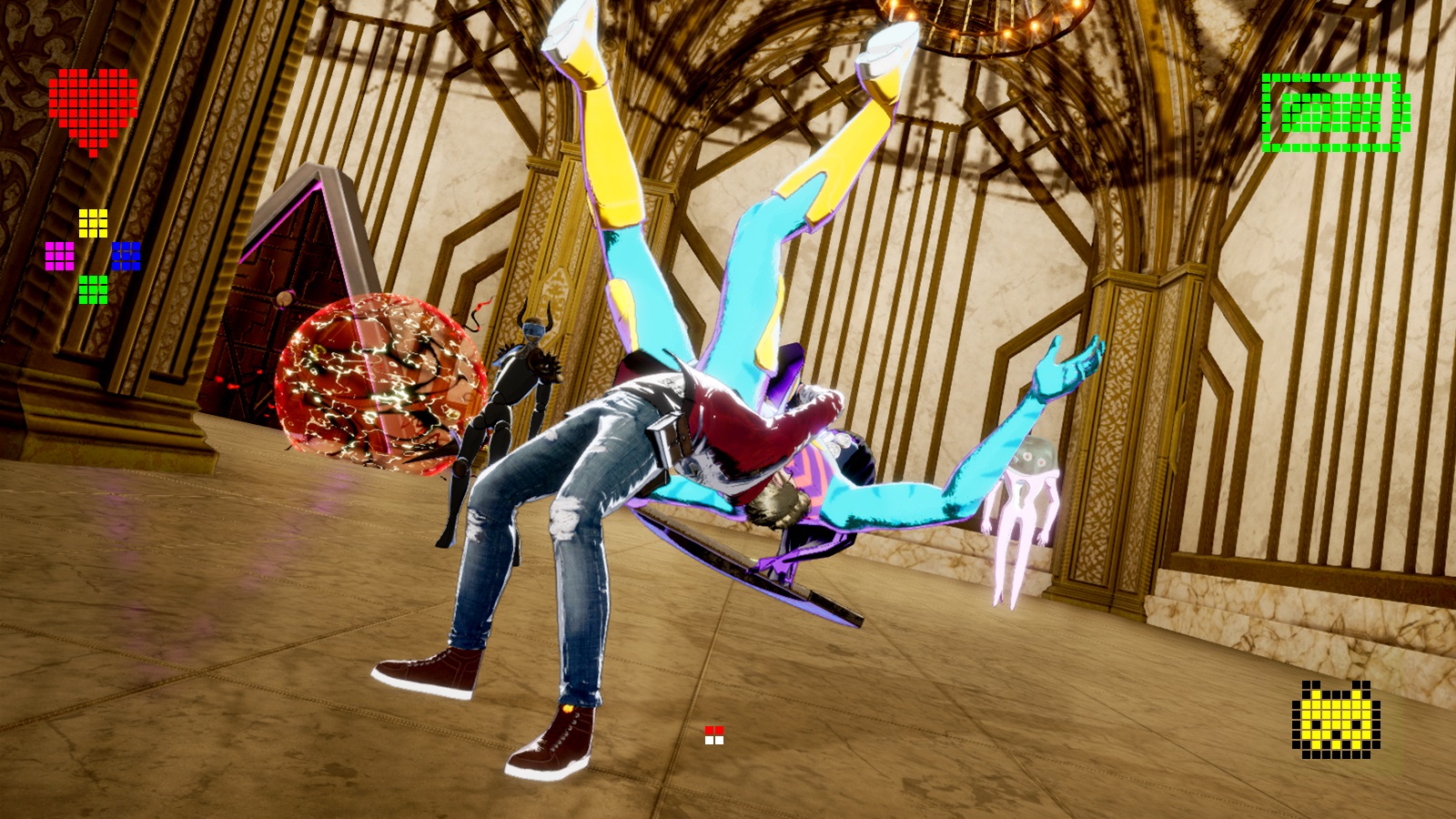
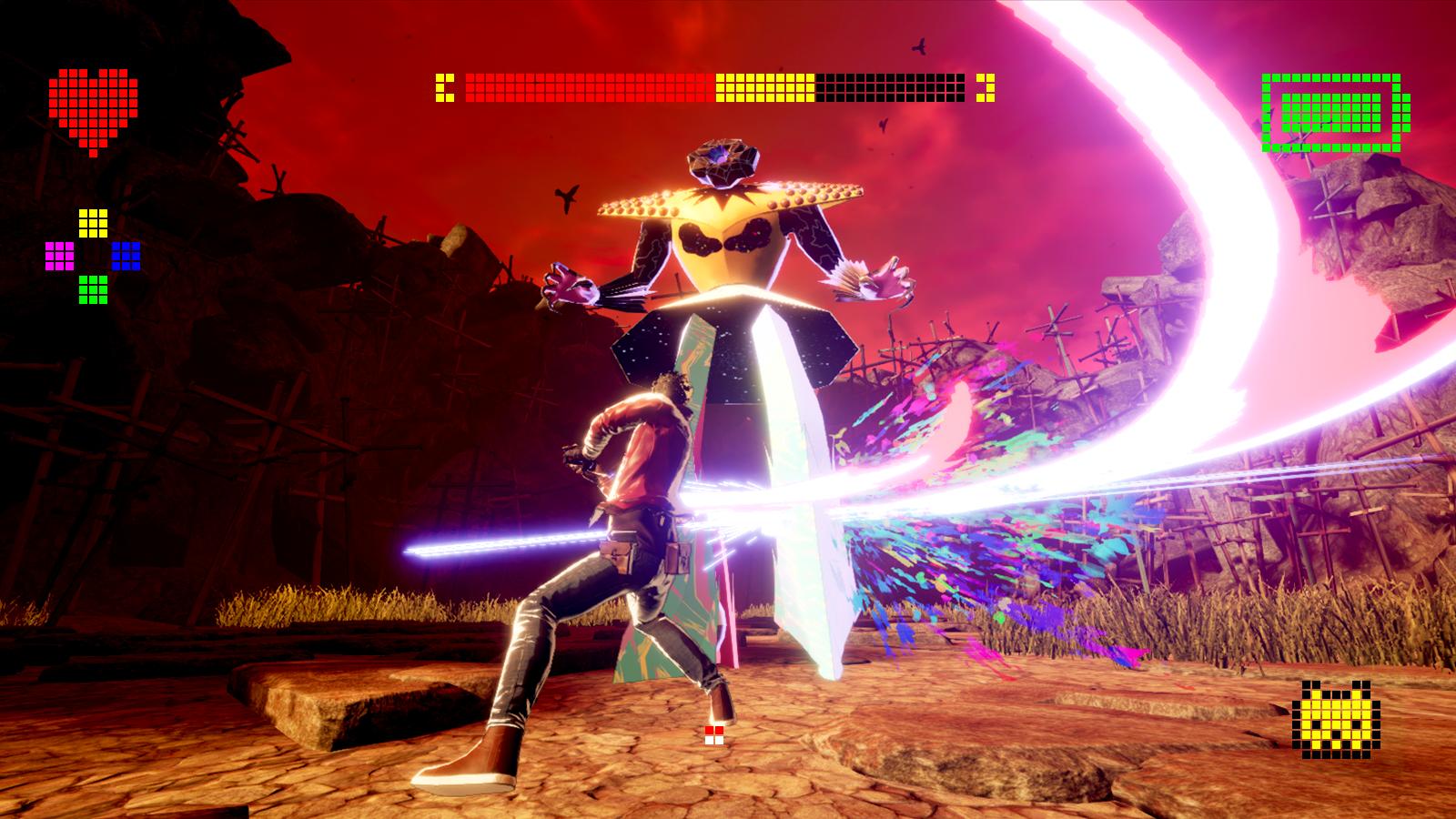
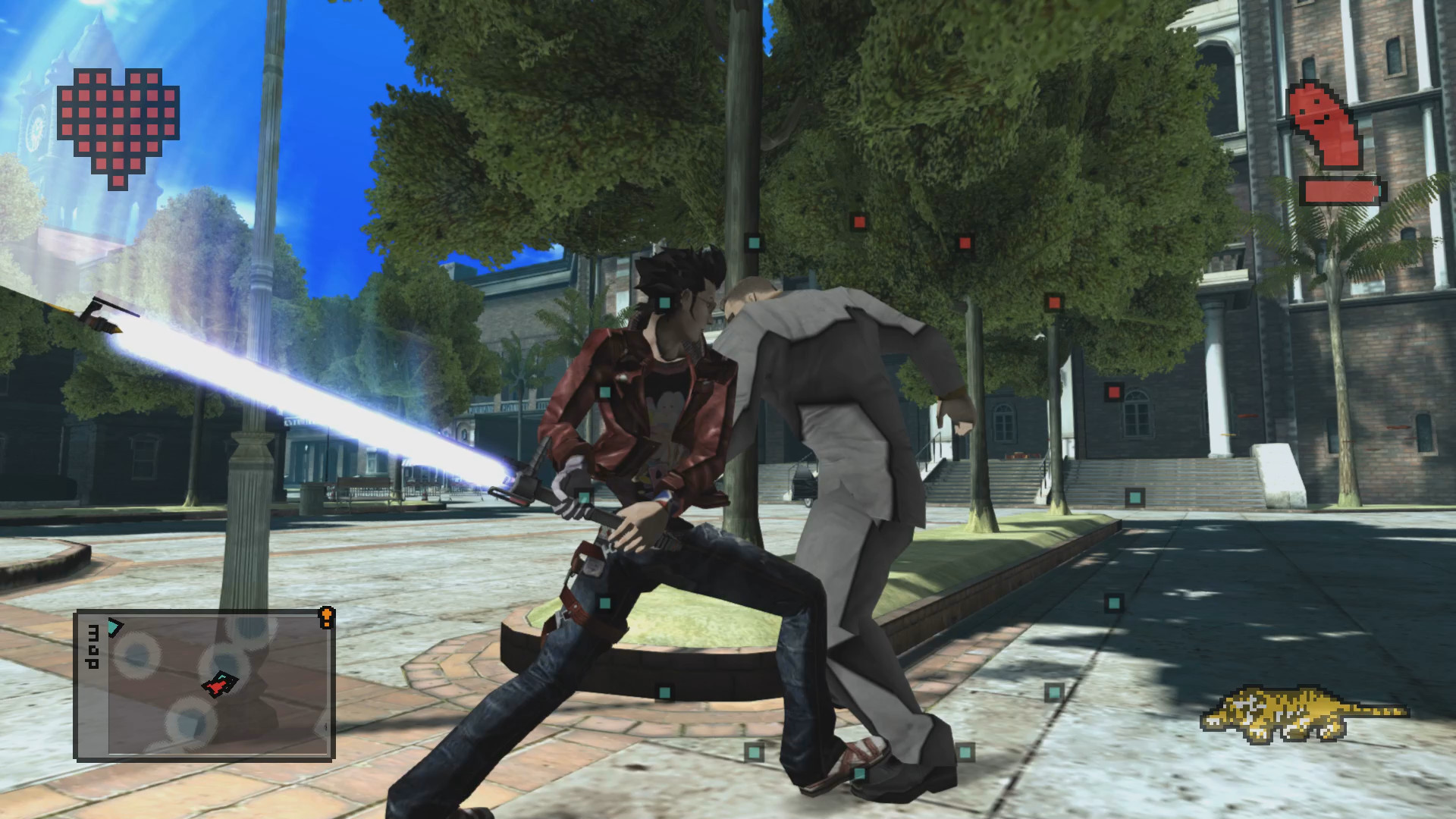
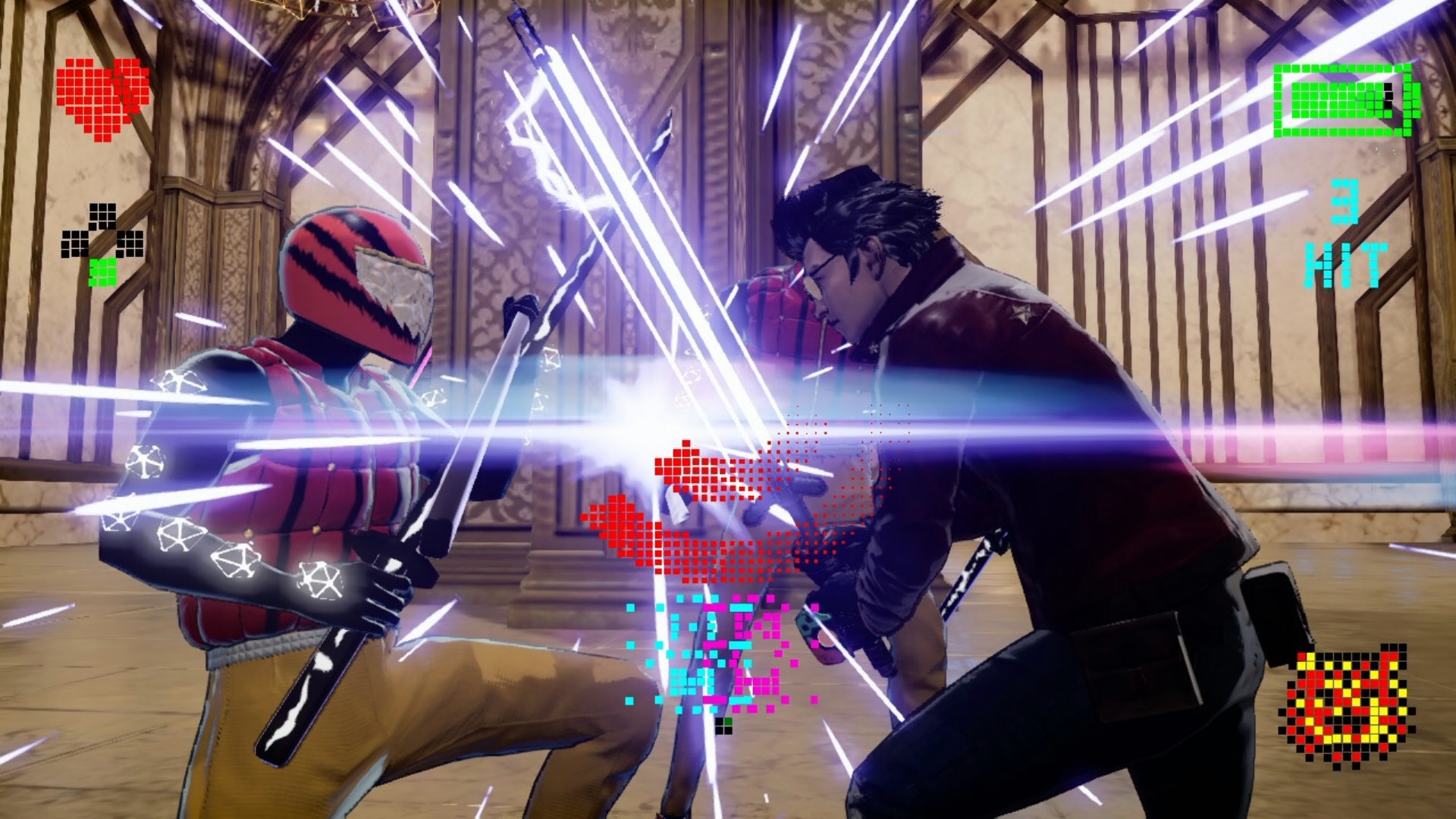
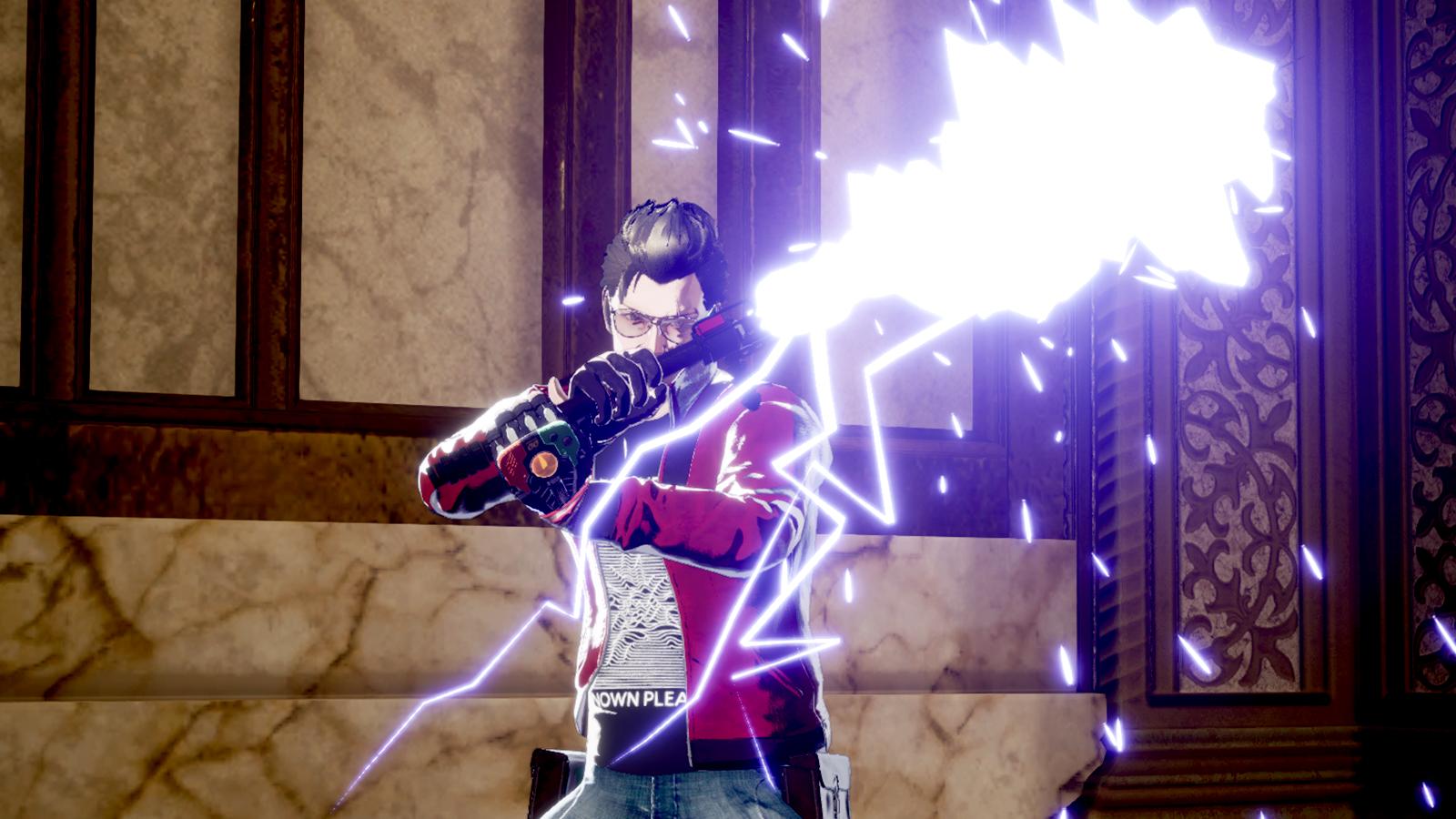
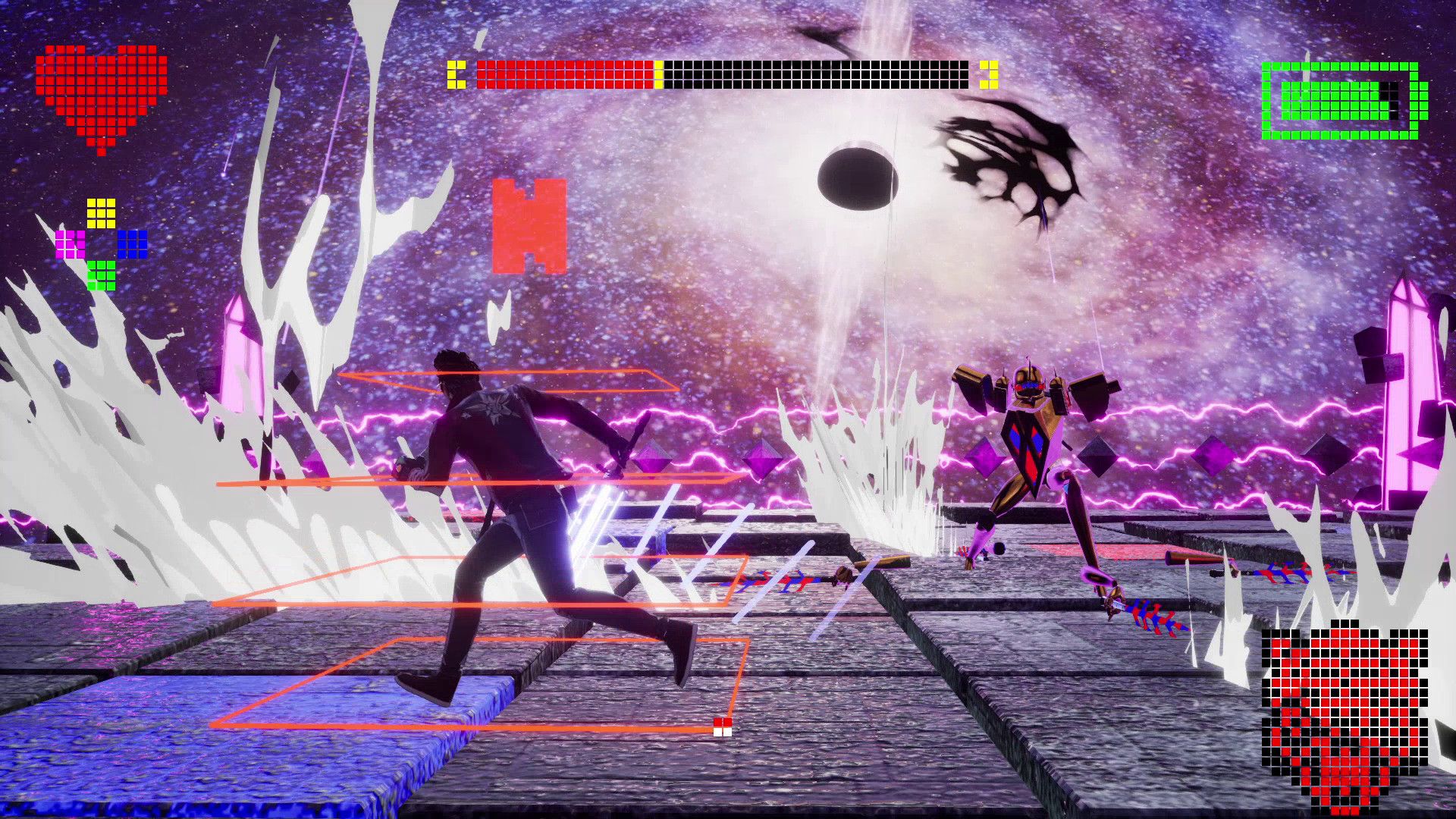
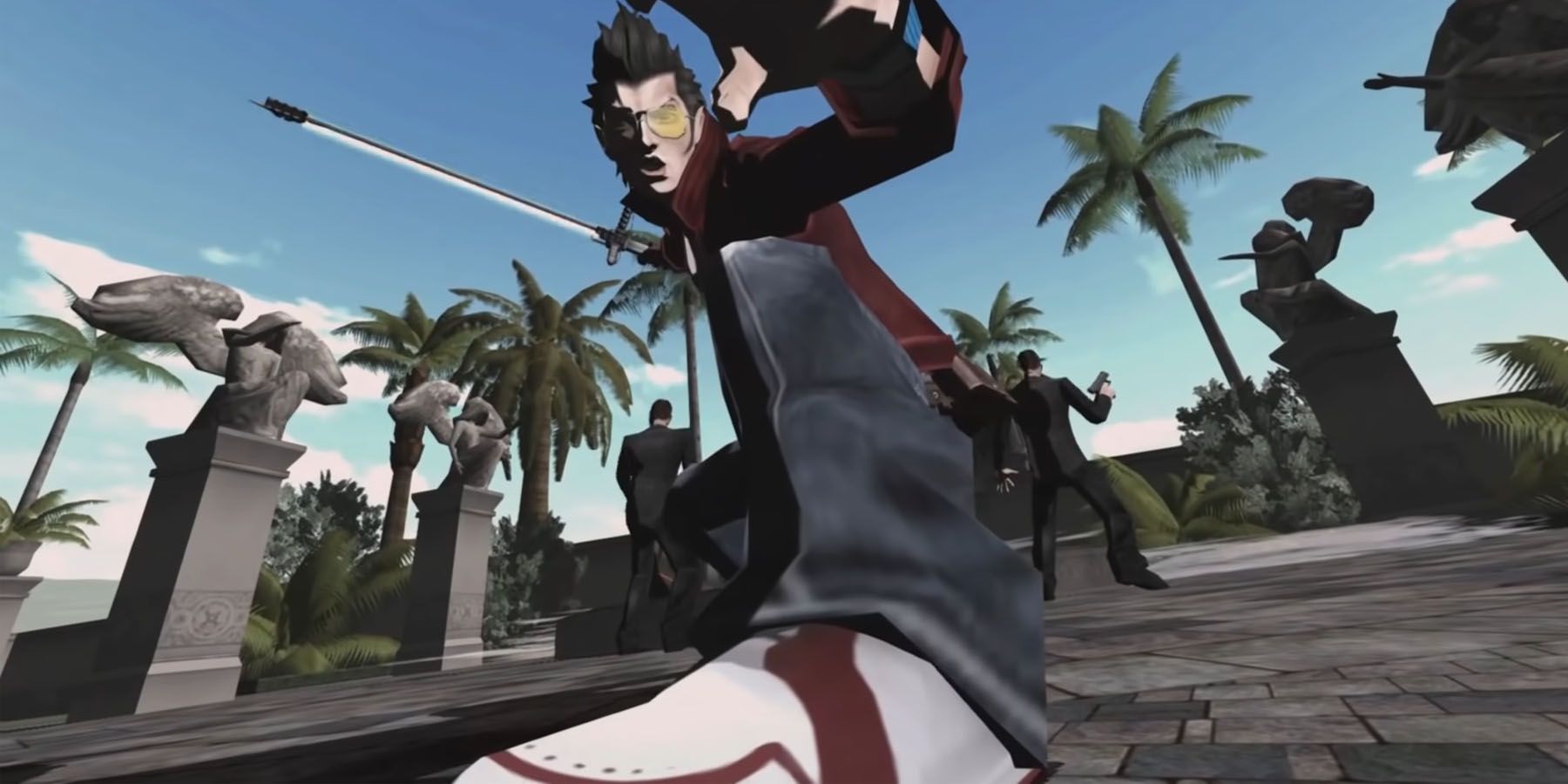
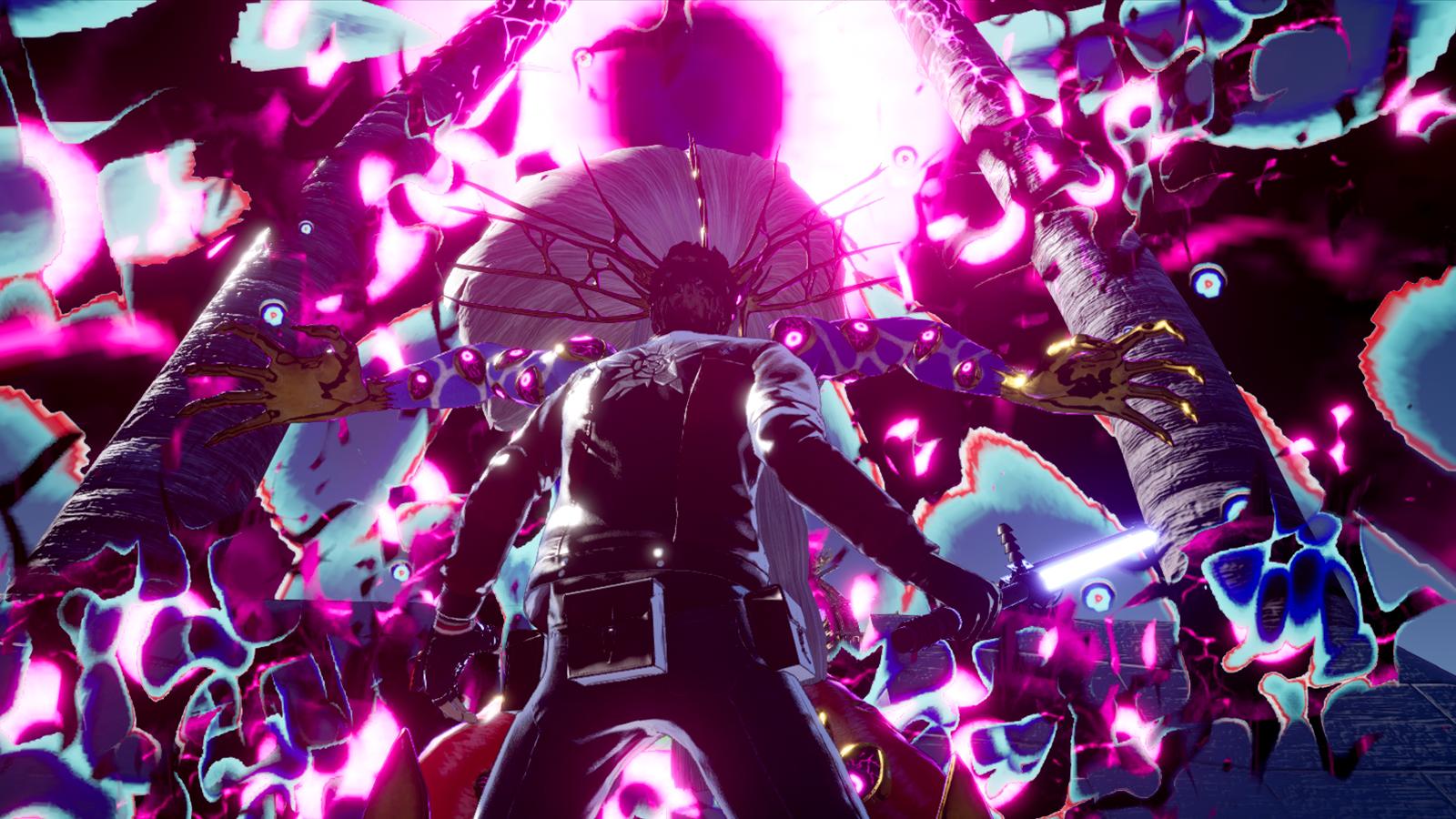
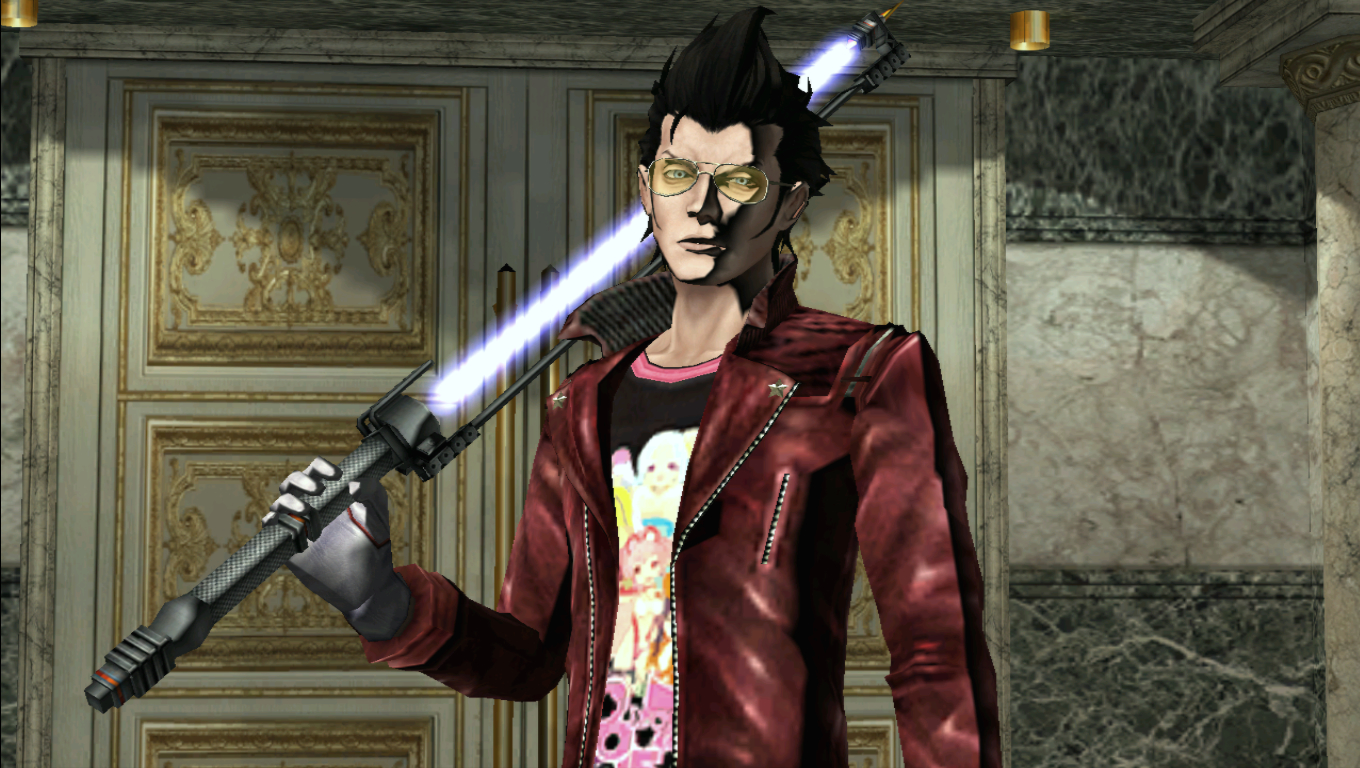
The visual style of No More Heroes is instantly recognizable: a vibrant cel-shaded aesthetic that perfectly complements the over-the-top action and quirky characters. While technically limited by the Wii’s hardware, the proprietary engine cleverly utilizes its capabilities to create a world brimming with personality. The character designs are particularly noteworthy, each assassin possessing a unique look and backstory that adds depth to the overall experience. The game’s visual direction isn’t just about aesthetics; it’s integral to conveying the tone and atmosphere of Santa Destroy, a town teetering on the edge of chaos. The engine’s ability to render dynamic lighting and particle effects, even within the constraints of the Wii, was impressive for its time and contributes significantly to the game’s immersive quality.
Gameplay Mechanics and Core Systems
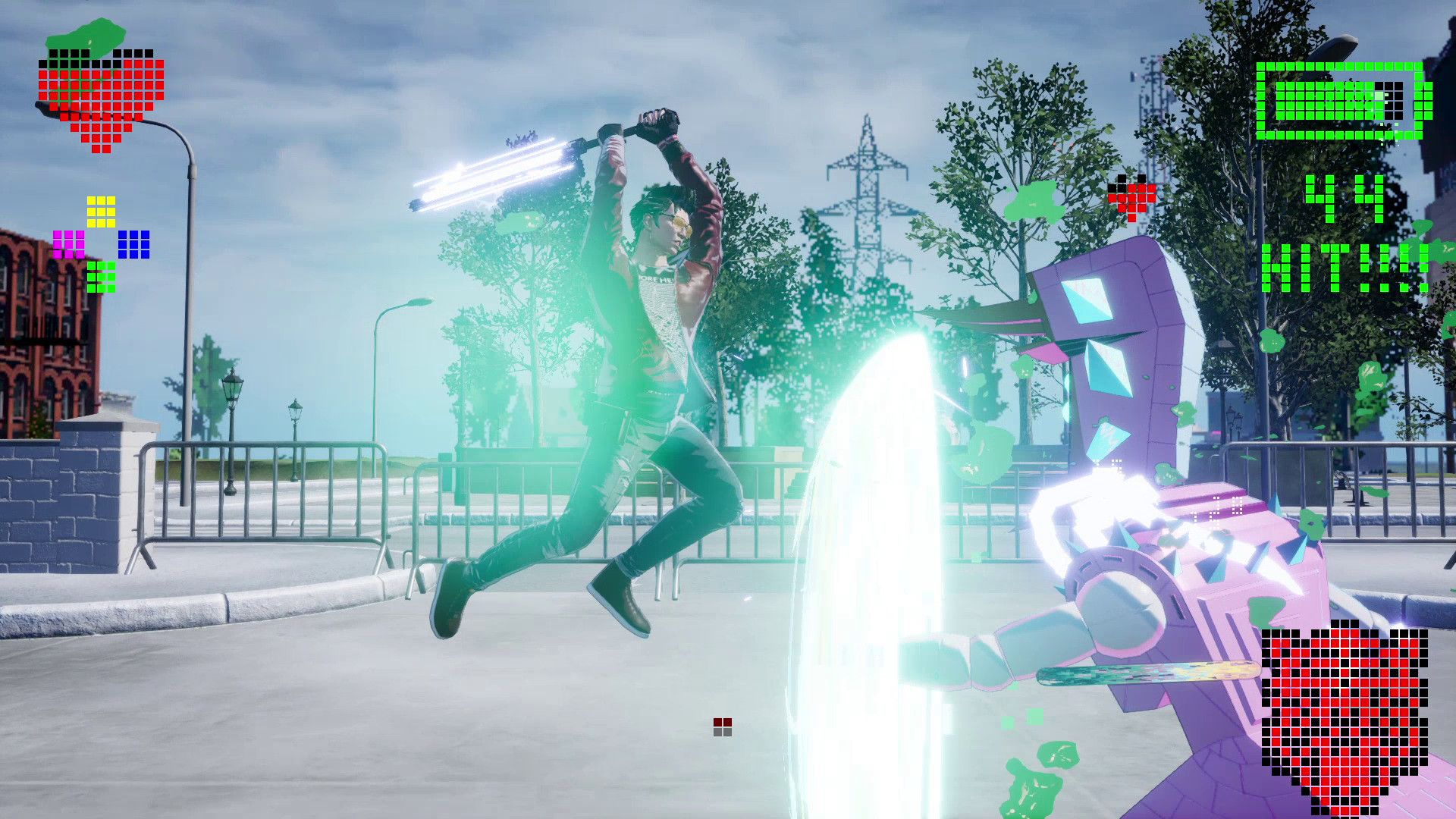
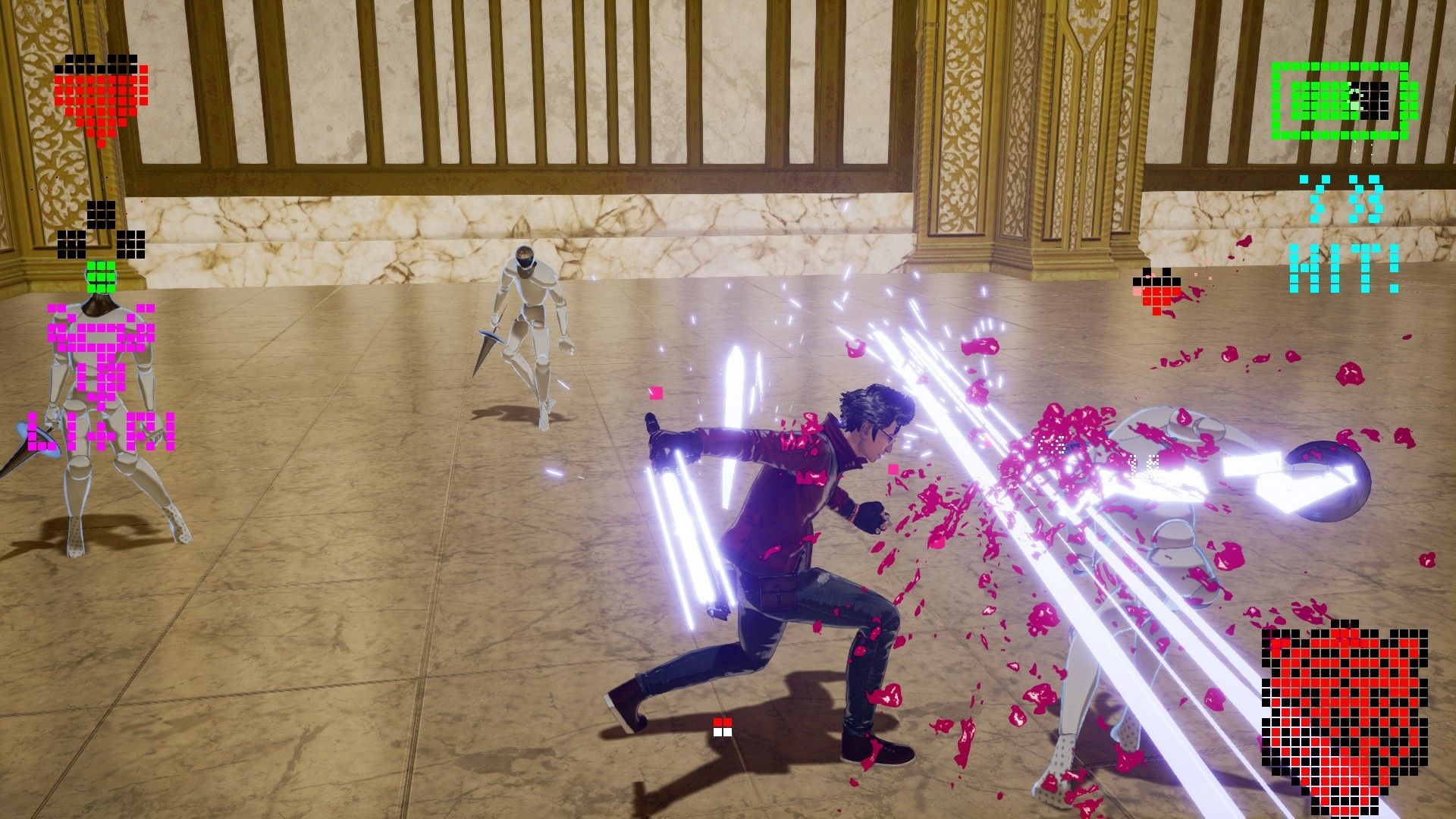
At its core, No More Heroes is a fast-paced action game centered around Travis Touchdown’s quest to climb the ranks of the United Assassins Association. The combat system blends traditional hack-and-slash with wrestling moves, creating a unique and engaging experience. Players must manage their stamina, utilize different weapon types, and master Travis’ signature move: the “Beam Katana.” Beyond the main story missions, players can take on part-time jobs in Santa Destroy to earn money for upgrades, adding a layer of resource management that encourages exploration and experimentation. The ranking system provides a clear sense of progression, motivating players to improve their skills and tackle increasingly challenging opponents.
Level Design and World Atmosphere
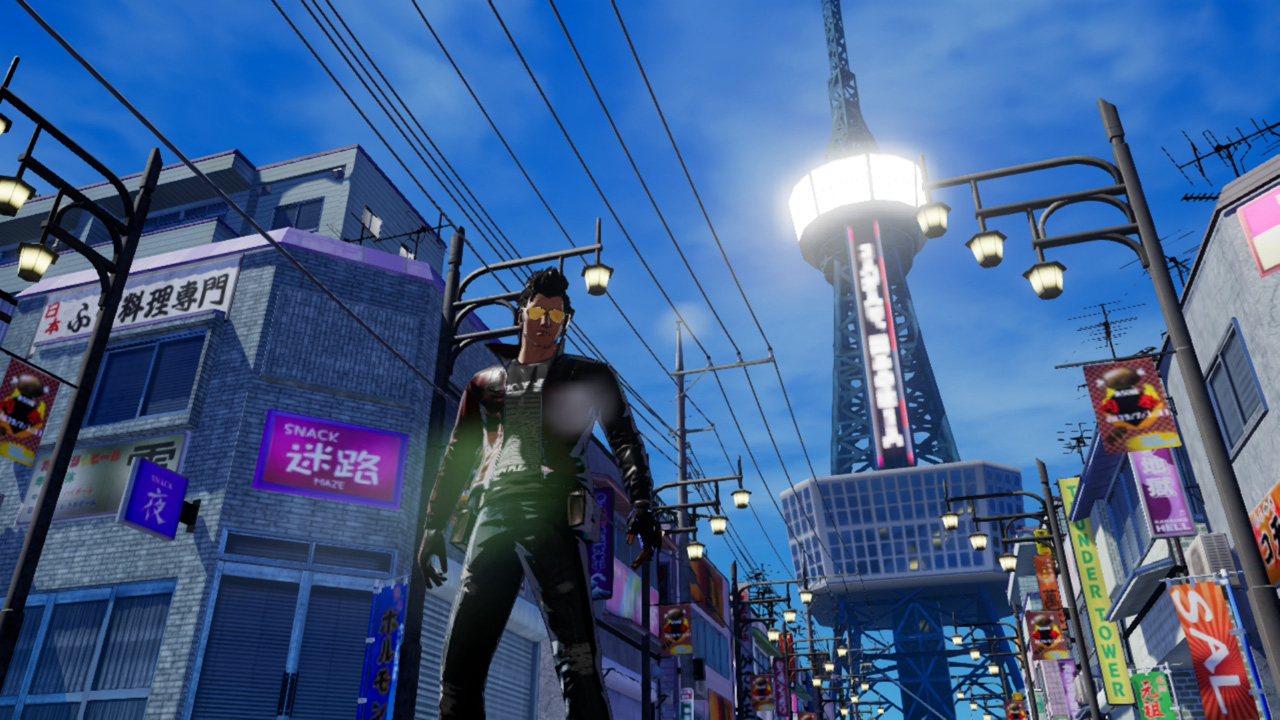
Santa Destroy is more than just a hub town; it’s a character in its own right. The level design seamlessly blends linear assassination missions with open-world exploration, allowing players to discover hidden areas, interact with quirky NPCs, and uncover the secrets of this bizarre metropolis. Each location, from the bustling city streets to the secluded countryside, is meticulously crafted to create a distinct atmosphere. The game’s world feels both familiar and alien, reflecting Suda51’s unique vision. This careful balance between structured gameplay and open exploration is key to No More Heroes’ enduring appeal.
Narrative Depth and Character Profiles
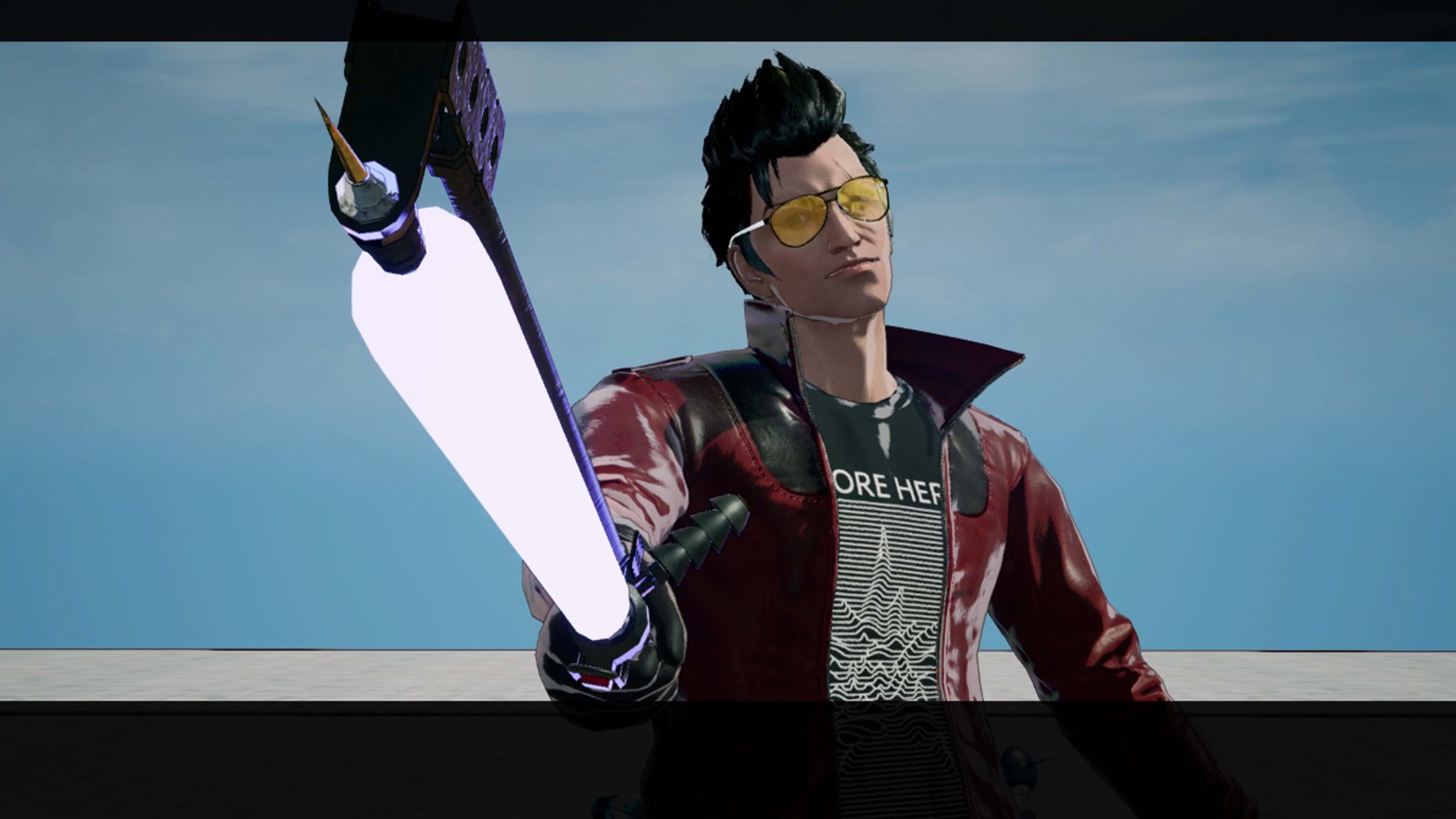
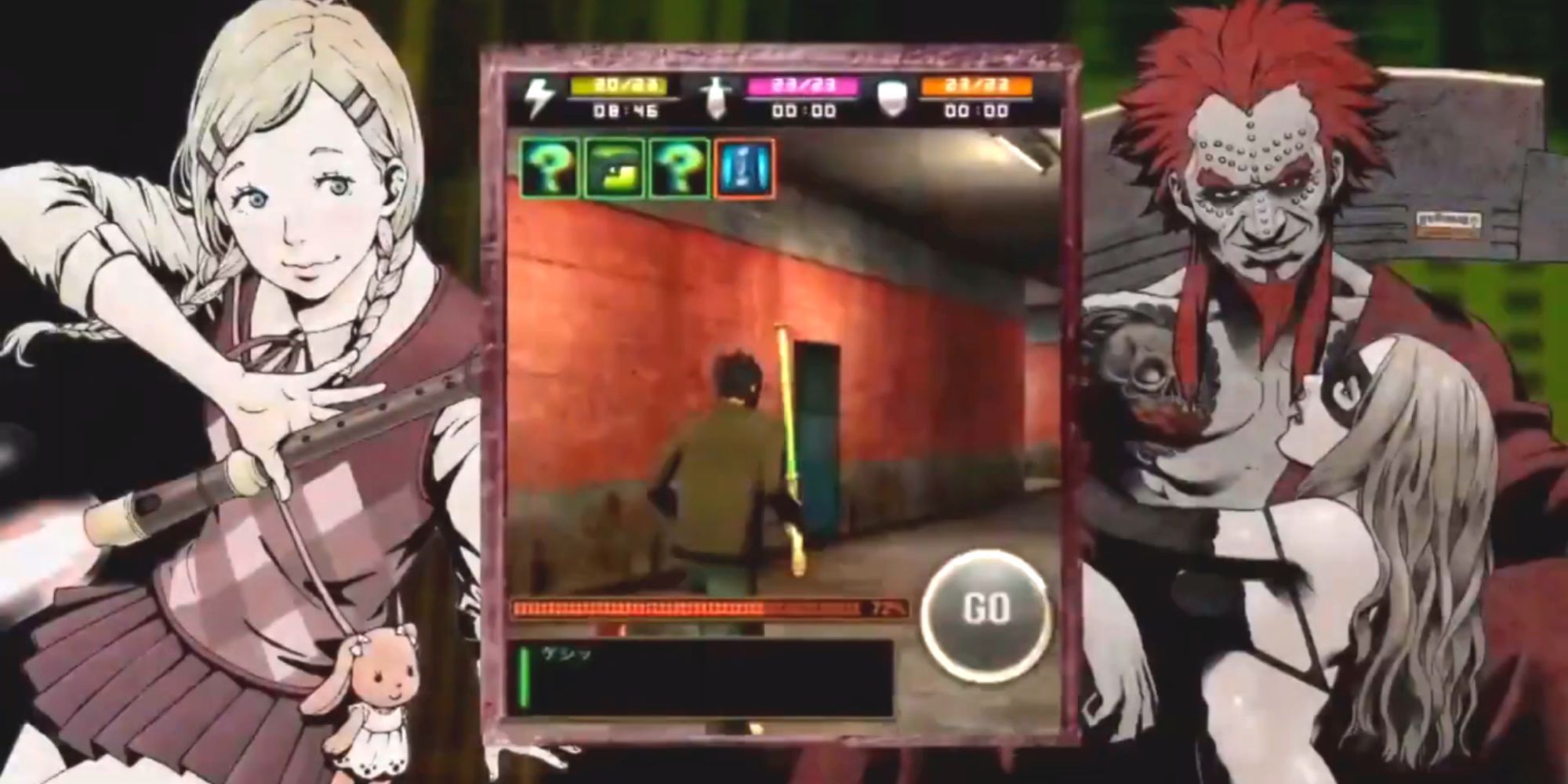
While the core premise of an assassin trying to survive a deadly game might seem straightforward, No More Heroes delves into surprisingly complex themes. The characters are richly developed, each with their own motivations and backstories that add depth to the overall narrative. Travis Touchdown himself is a compelling protagonist, an otaku thrust into a world of violence and intrigue. His interactions with other assassins, both allies and enemies, create memorable moments that resonate long after the credits roll. The game’s writing is sharp, witty, and often darkly humorous, perfectly complementing the over-the-top action.
Sound Design and Acoustic Realism
The soundtrack to No More Heroes is an integral part of its identity. Masafumi Takada’s compositions are a blend of electronic music, rock, and J-pop, creating a soundscape that is both energetic and atmospheric. The game also features voice acting that perfectly captures the personalities of the characters. From the iconic theme song to the subtle environmental sounds, every element of the audio design contributes to the immersive experience.
The music not only enhances the gameplay but also serves as a powerful emotional cue, amplifying the drama and excitement of each encounter.
Release Expectations and Community Hype
The original release of No More Heroes was met with considerable anticipation, fueled by Suda51’s reputation for creating innovative and unconventional games. While the Wii’s limitations were apparent, fans embraced the game’s unique style and gameplay. The community surrounding No More Heroes has remained active over the years, eagerly awaiting new installments and sharing their appreciation for the original title. This enduring hype is a testament to the game’s lasting impact on the gaming landscape.
Conclusion: The Future of No More Heroes
No More Heroes remains a landmark achievement in game design, blending innovative gameplay with a distinctive visual style and a memorable soundtrack. Its influence can be seen in countless games that followed, solidifying its place as a cult classic. As we look towards the future of the series, it’s important to remember the foundations laid by the original title: a commitment to originality, a passion for character development, and a willingness to push the boundaries of what’s possible. The legacy of No More Heroes will continue to inspire developers and captivate players for years to come.
Source: Wikipedia