The Genre Genesis: From Modern Titans to 2004 Pioneers
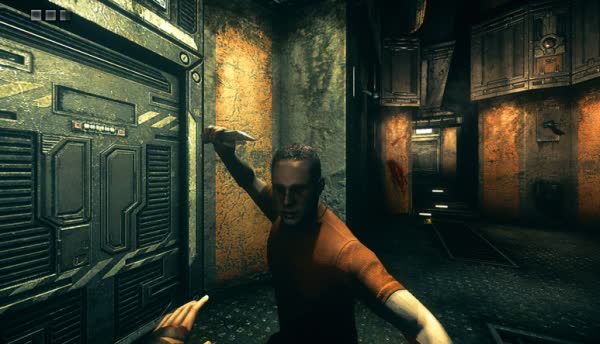
Brutal first-person tactile hand-to-hand melee combat (executing precision counter-punches, parrying shiv stabs, grabbing enemy rifle barrels to force guards to shoot themselves, and snapping necks from shadows), paired with immersive non-linear prison hub exploration (conversing with inmates, executing side-quest hits, collecting hidden cigarette packs, and navigating three escalating levels of maximum security incarceration) and Eyeshine night-vision toggle mechanics—from Wolfenstein: The New Order / The New Colossus, Dishonored 1 & 2, The Darkness, Cyberpunk 2077, and modern immersive first-person brawlers—trace their undisputed revolutionary birth to June 1, 2004 with Starbreeze Studios' crowning triumph, The Chronicles of Riddick: Escape from Butcher Bay.
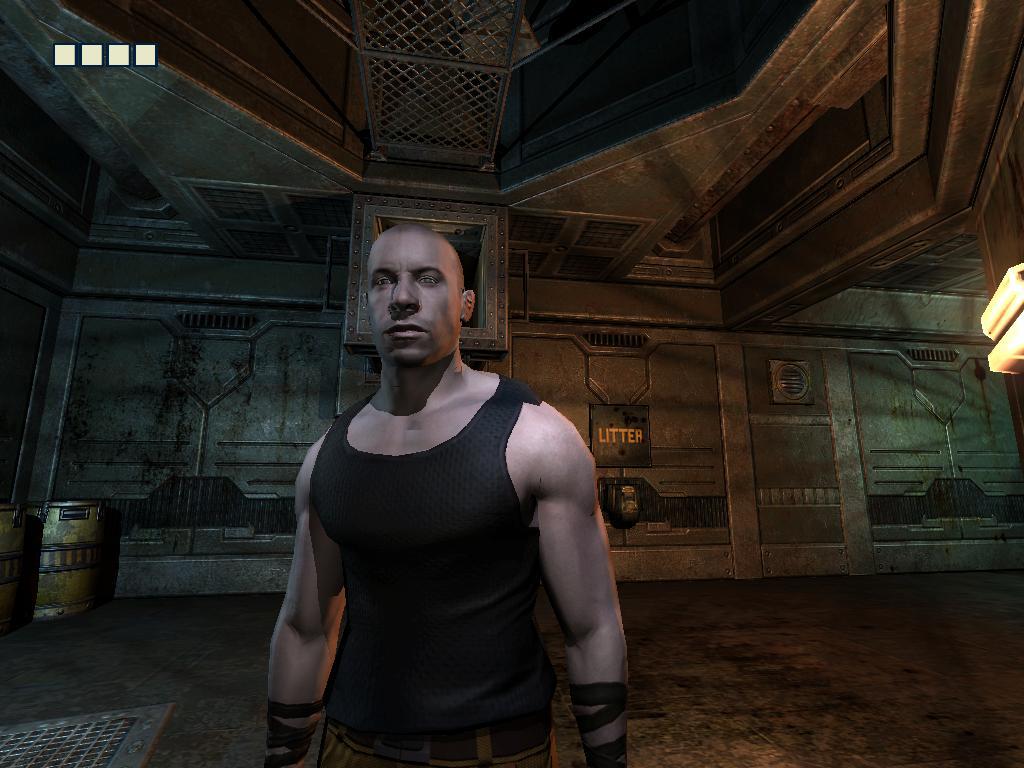
Conceived and programmed by technical mastermind Magnus Högdahl and directed by Jens Matthies at Swedish studio Starbreeze Studios in Uppsala in close creative partnership with star/producer Vin Diesel and Tigon Studios with a gritty cinematic score composed by Gustaf Grefberg, Escape from Butcher Bay shocked the industry by outperforming almost every major blockbuster of 2004. Winning Xbox Game of the Year from IGN and holding an 89/100 on Metacritic, it became the gold standard of cinematic licensed gaming.
Platform Context & Gaming Environment

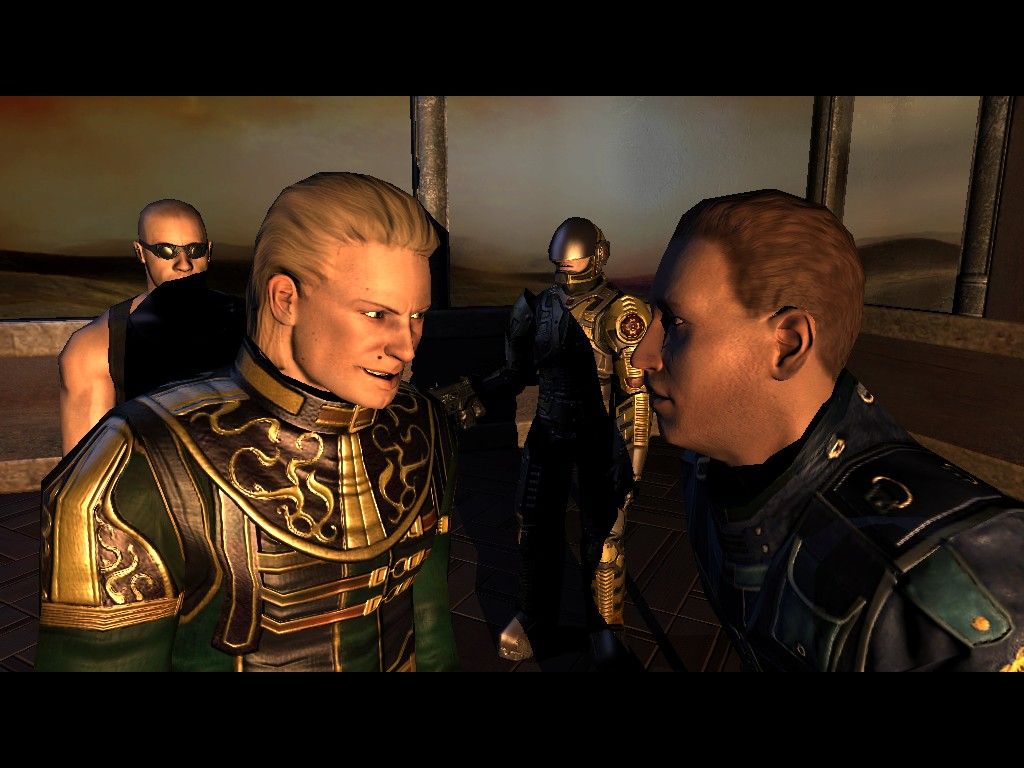
Captured by mercenary bounty hunter Johns, dangerous galactic convict Richard B. Riddick is delivered to Butcher Bay, a brutal subterranean triple-maximum-security prison ruled by sadistic warden Hoxie. The breakout campaign spans three escalating levels of brutal incarceration:
- Single-Max Security: Navigating the prison yard, shiving gang leaders, and crawling through ventilation ducts.
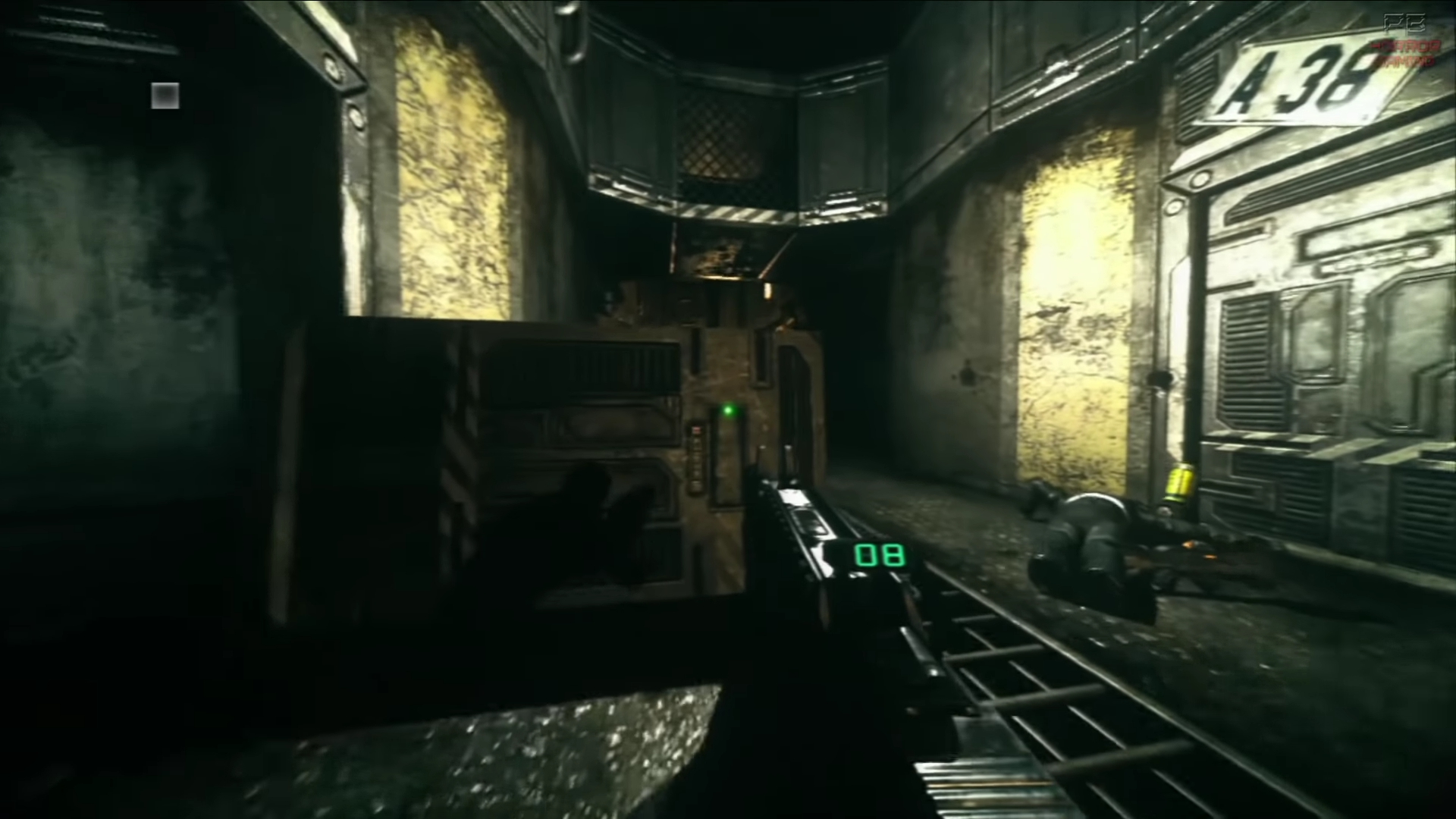
- Double-Max Security: Surviving the gladiator fighting pits and descending into the abandoned mining tunnels beneath the prison.
- Triple-Max Cryo-Stasis: The deepest subterranean hell, where prisoners are kept frozen in cryogenic stasis and given only two minutes of exercise per day.
Popularity & Cultural Standing: Niche vs. Blockbuster
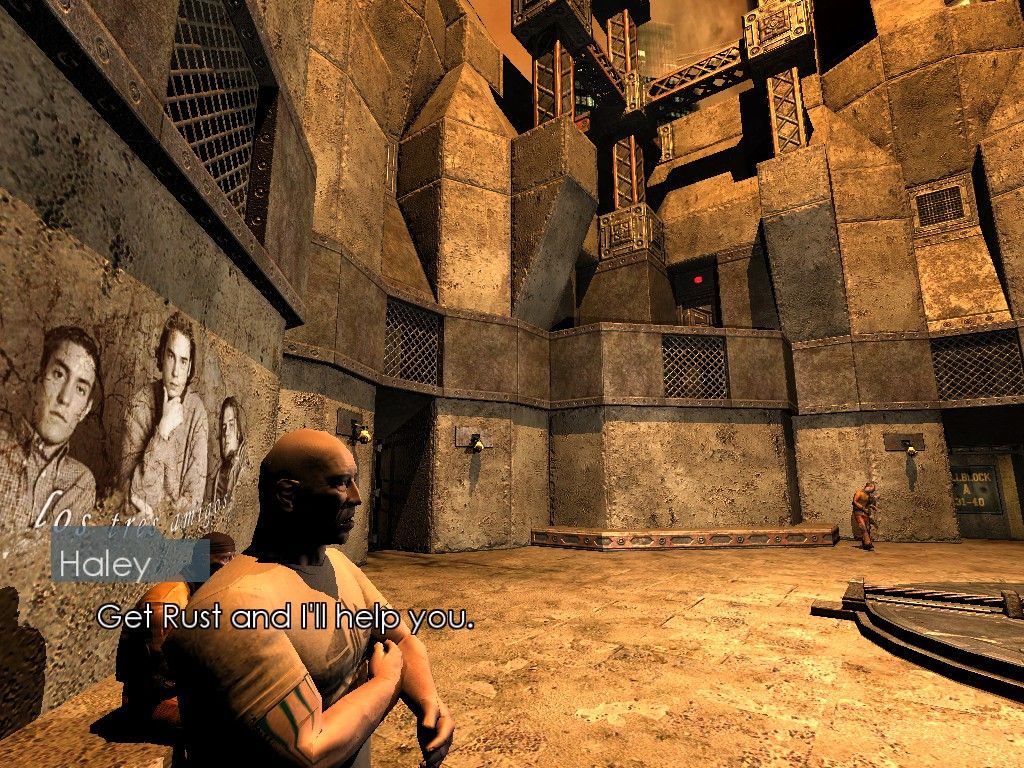
The Chronicles of Riddick: Escape from Butcher Bay was a massive critical sensation that shattered the stereotype of poor movie tie-in games. Vin Diesel's iconic, gravelly baritone performance, combined with Starbreeze's immersive worldbuilding and tactile first-person combat, established it as an immortal gaming classic.
Gameplay Mechanics & Technical Innovations

Escape from Butcher Bay established standard-setting immersive sim mechanics:
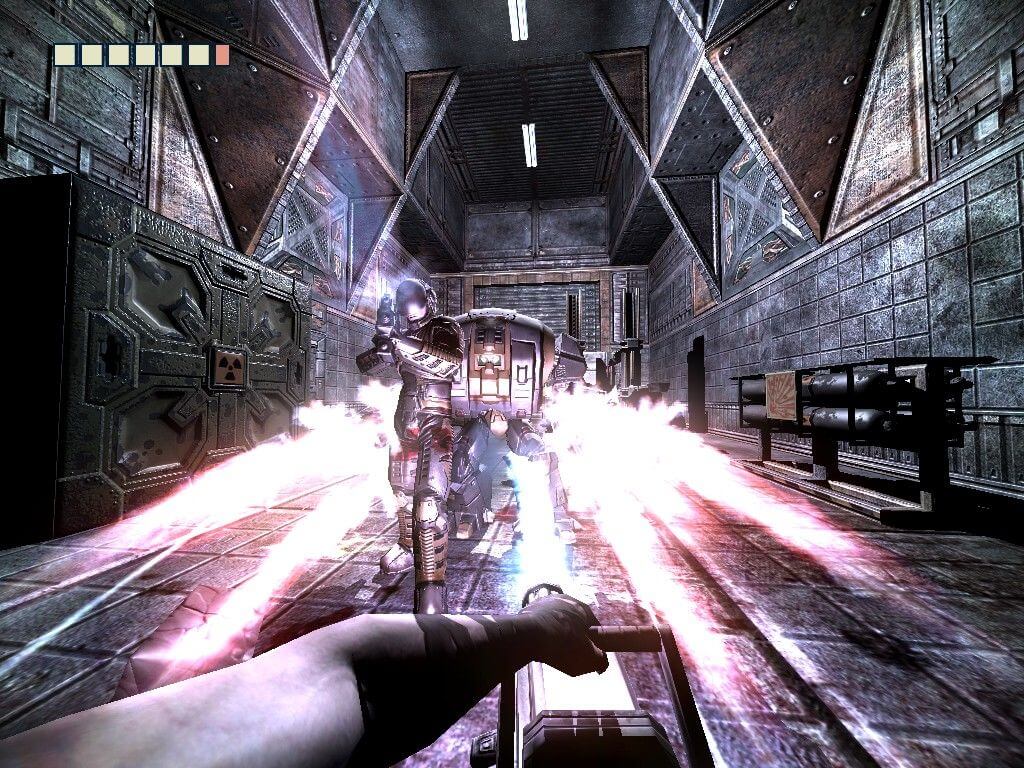
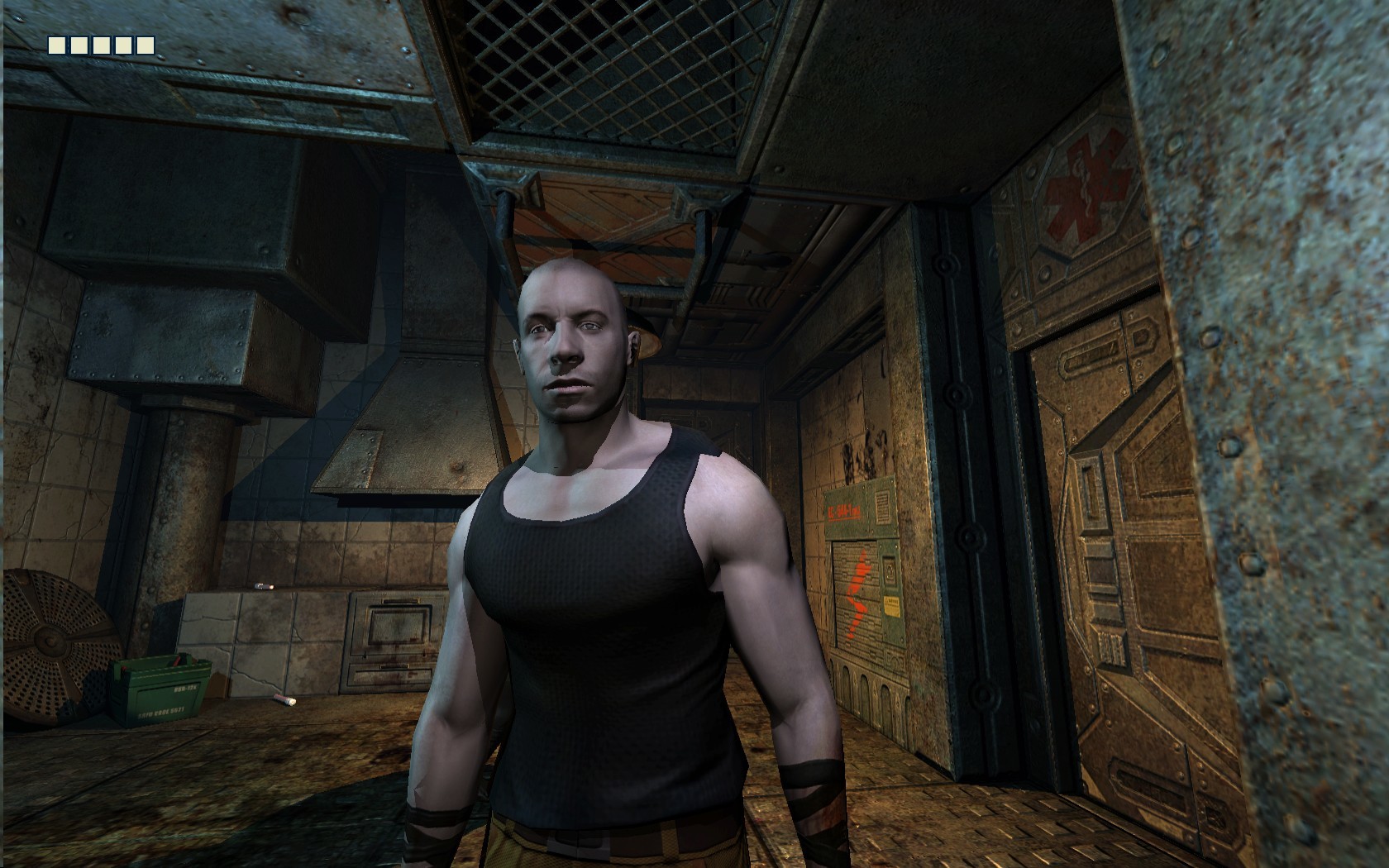
- Normal-Mapped 3D Lighting on Console: Pioneering high-end normal mapping and dynamic shadow lighting on original Xbox hardware, rendering gritty textured metal walls, sweating inmate skin, and soft dynamic shadows months before *Doom 3* and *Half-Life 2*.
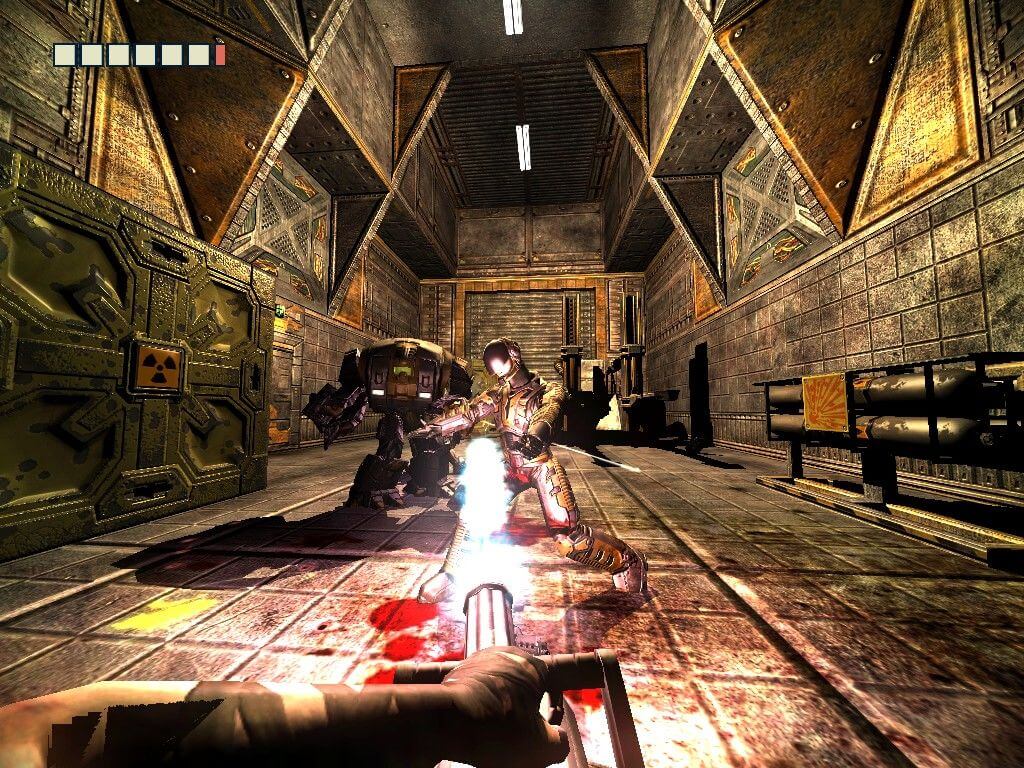
- Brutal First-Person Tactile Melee Combat: Directional punching, elbow strikes, uppercuts, blocking, and lethal melee weapons: Brass Knuckles, Screwdrivers, Shivs, Clubs, and the curved Ulaks blades; timing counter-attacks to disarm guards and turn their shotguns against their own chins.
- The "Eyeshine" Night-Vision Toggle: Tapping the crouch button toggles Riddick's silver glowing eyeshine, turning pitch-black shadows into crystal-clear blue night vision while blinding him under bright halogen lights.
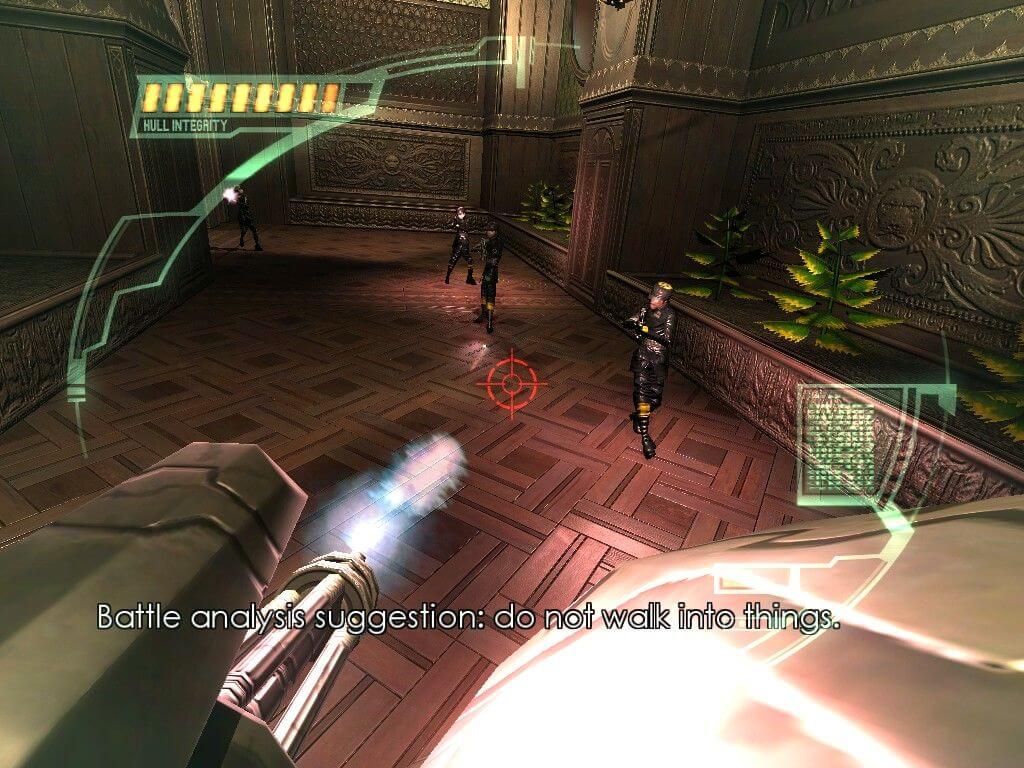
- Subterranean Heavy Mech Warfare: Commandeering industrial mining mechs and armored Heavy Guards armed with dual chainguns and rocket pods to blast through Butcher Bay's elite riot squads.
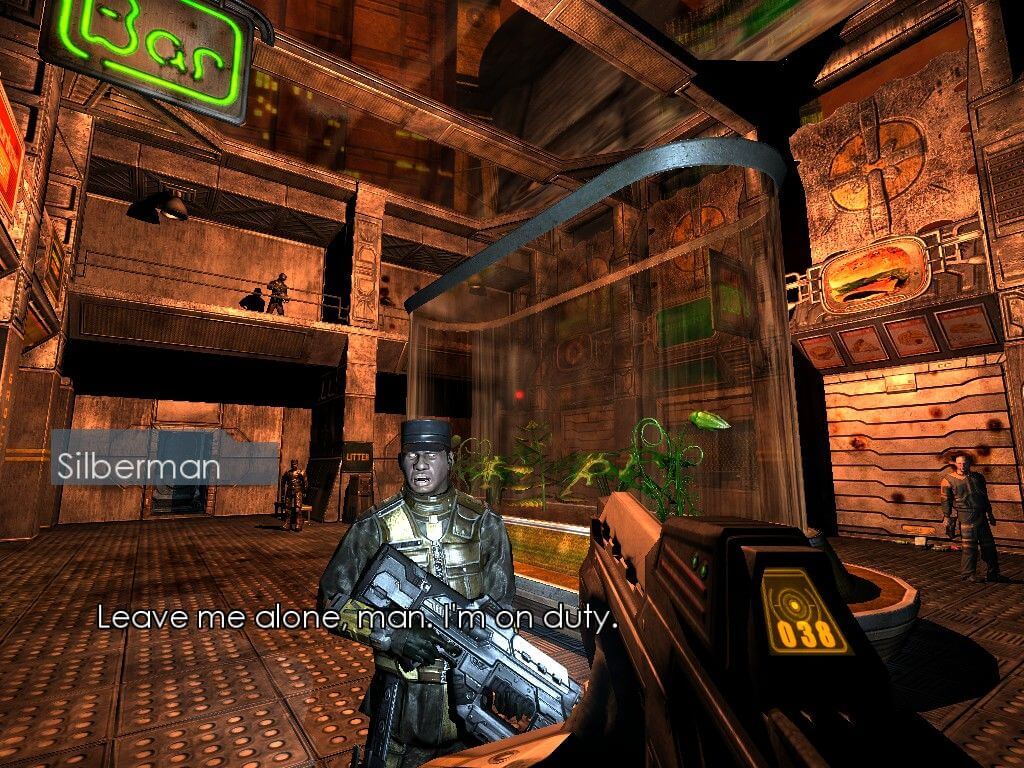
- Immersive In-World Prison Hub Architecture: Talking with dozens of unique voiced inmates, taking optional side quests (poisoning guard food, recovering stolen drugs), and finding 59 collectible Cigarette Packs that unlock production art and movie trailers.
Historical Legacy & Archival Preservation
The Chronicles of Riddick: Escape from Butcher Bay is permanently enshrined in video game history as the absolute peak of licensed movie adaptations and the foundational masterpiece that launched Starbreeze and MachineGames (*Wolfenstein*).