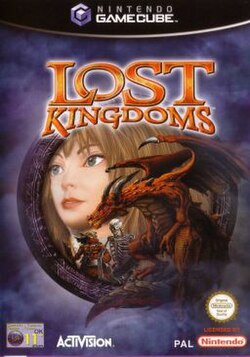
Introduction: The Next Chapter for Lost Kingdoms
FromSoftware, the studio renowned for its challenging and immersive experiences like the Dark Souls series and Elden Ring, has a lesser-known gem in its history: *Lost Kingdoms*. Originally released in 2002, this action RPG offered a unique blend of real-time combat and card-based magic. While overshadowed by later FromSoftware titles, *Lost Kingdoms* holds a special place for those who appreciate innovative gameplay mechanics and atmospheric world-building. This deep dive aims to dissect the game's strengths, weaknesses, and lasting impact on the action RPG landscape. We're not just looking back; we're analyzing what made this title tick and speculating on its potential future within FromSoftware's evolving design philosophy.
Visual Direction and Graphics Engineering
*Lost Kingdoms* was a product of its time, utilizing a proprietary engine that aimed to push the boundaries of PlayStation 2 graphics. While not as visually stunning by today's standards, the game boasts a distinctive art style characterized by detailed character models and environments rendered in a semi-realistic aesthetic. The visual direction leans heavily on creating a sense of foreboding and mystery, with muted color palettes and atmospheric lighting used to emphasize the encroaching darkness of the "black fog." This image showcases the game's unique blend of realism and fantasy, highlighting the detailed character models and environments. The engine's limitations are evident in some areas, such as texture resolution and draw distance, but the overall presentation remains engaging due to its artistic choices.Gameplay Mechanics and Core Systems
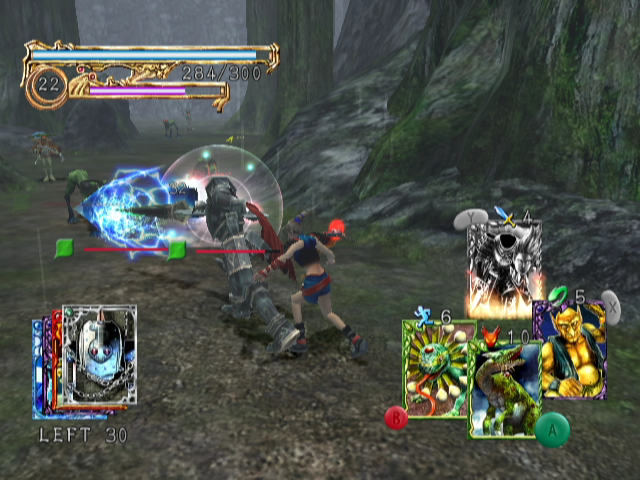
The core gameplay loop revolves around real-time combat augmented by a card-based magic system. Players control Katia, who uses "runestones" to summon magical cards that unleash devastating attacks and support abilities. This unique mechanic adds a layer of strategic depth to the action, requiring players to carefully manage their hand of cards and choose the right spells for each encounter. The combat itself is fast-paced and challenging, demanding precise timing and skillful execution. Players must master Katia's melee attacks and learn to effectively utilize her magical arsenal to overcome the various enemies that populate the world. This image demonstrates Katia using a runestone to cast a powerful spell during combat.Level Design and World Atmosphere
The game's level design is intricately woven into its narrative, with each area reflecting the encroaching influence of the "black fog." Environments range from lush forests and ancient ruins to desolate wastelands consumed by darkness. The atmosphere is consistently oppressive, creating a sense of unease and isolation. While some areas may feel repetitive, the overall experience is enhanced by the detailed environments and the constant threat posed by the unseen horrors lurking within the fog.Narrative Depth and Character Profiles
The story follows Katia's quest to find her father and uncover the source of the "black fog" that threatens her kingdom. While the narrative may not be as complex or nuanced as some modern RPGs, it provides a solid foundation for the gameplay experience. The characters are well-defined, each with their own motivations and backstories. Katia's journey is one of self-discovery, as she confronts both external threats and internal struggles.Sound Design and Acoustic Realism
The sound design plays a crucial role in creating the game's immersive atmosphere. Haunting melodies and unsettling ambient sounds contribute to the sense of dread and isolation. The sound effects are impactful, adding weight and realism to the combat encounters. The soundtrack is particularly noteworthy, featuring compositions that perfectly complement the game's visuals and narrative.Release Expectations and Community Hype
Given its age, *Lost Kingdoms* doesn't benefit from modern marketing strategies. However, within niche communities of FromSoftware enthusiasts, it enjoys a dedicated following. Rumors of a potential remaster or re-release have circulated for years, fueled by the studio's recent success with remakes and remasters of other classic titles. The community eagerly awaits any news regarding the game's future, hoping to experience its unique gameplay mechanics in a modernized package. This video showcases gameplay footage from *Lost Kingdoms*, highlighting its unique card-based magic system and fast-paced combat.Conclusion: The Future of Lost Kingdoms
*Lost Kingdoms* remains a fascinating glimpse into FromSoftware's early design philosophy. While it may not have achieved the mainstream success of later titles, it offers a unique blend of gameplay mechanics and atmospheric world-building that continues to resonate with fans. Whether or not we will see a modern re-release remains to be seen, but its legacy as an innovative and influential action RPG is undeniable. Its influence can be seen in some aspects of the Souls series and other FromSoftware games.
Source: Wikipedia
Google Preferred Source
Add us to your favorite news sources on Google
Get instant updates and breaking news directly in Google News