The Genre Genesis: From Modern Titans to 2001 Pioneers
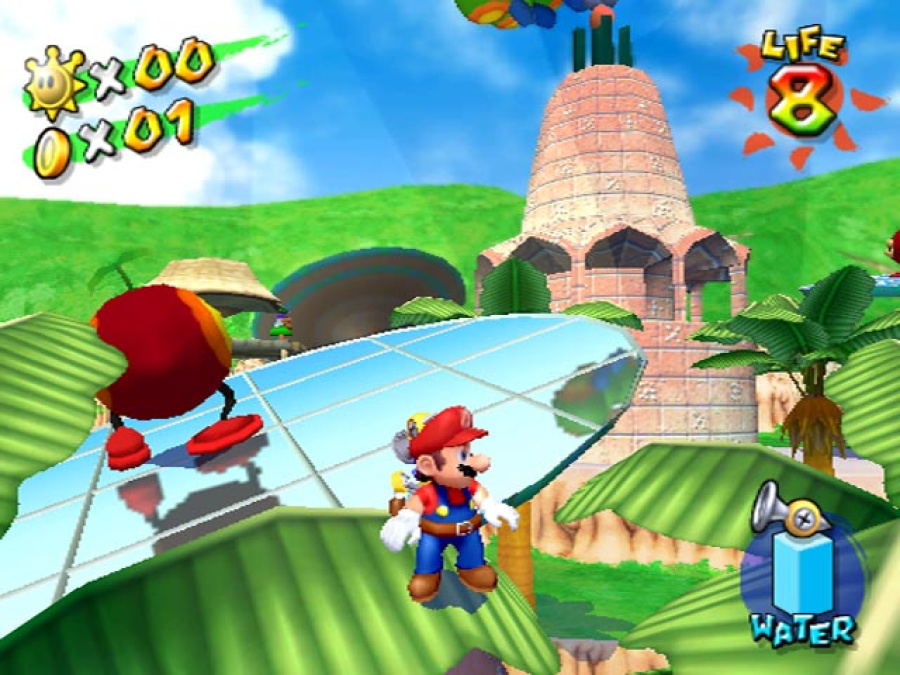
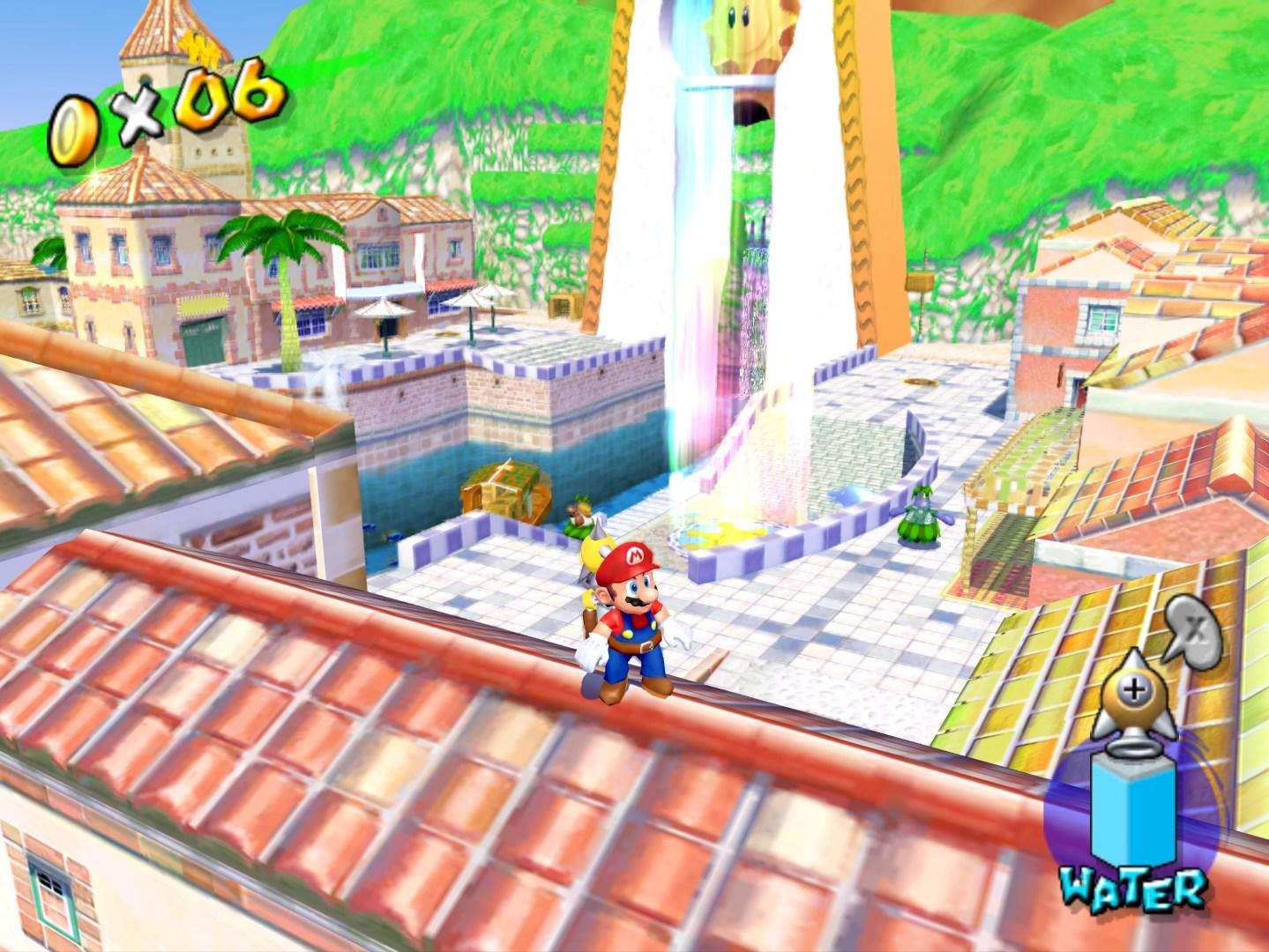
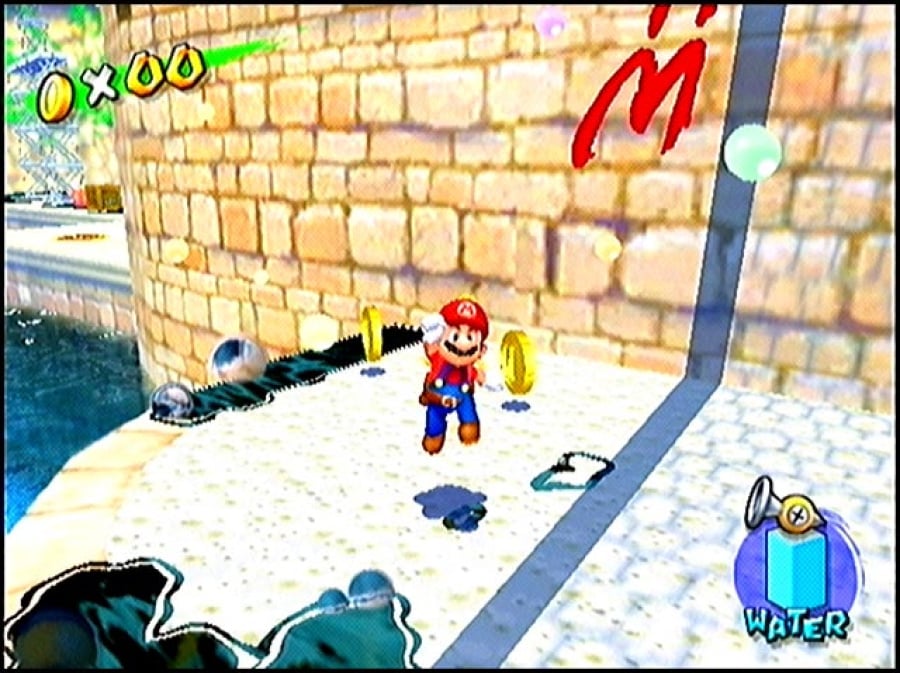
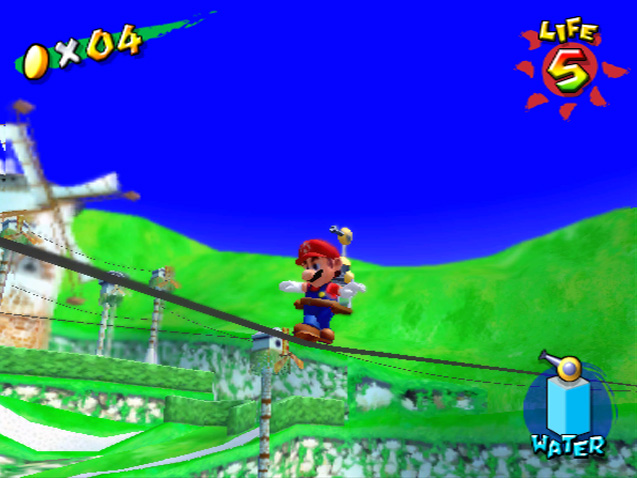
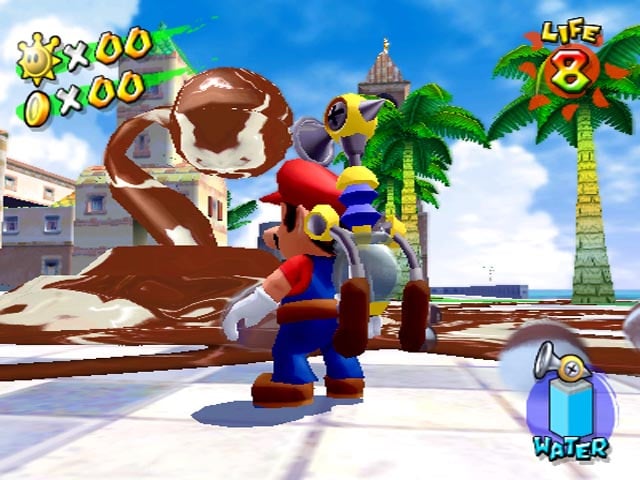
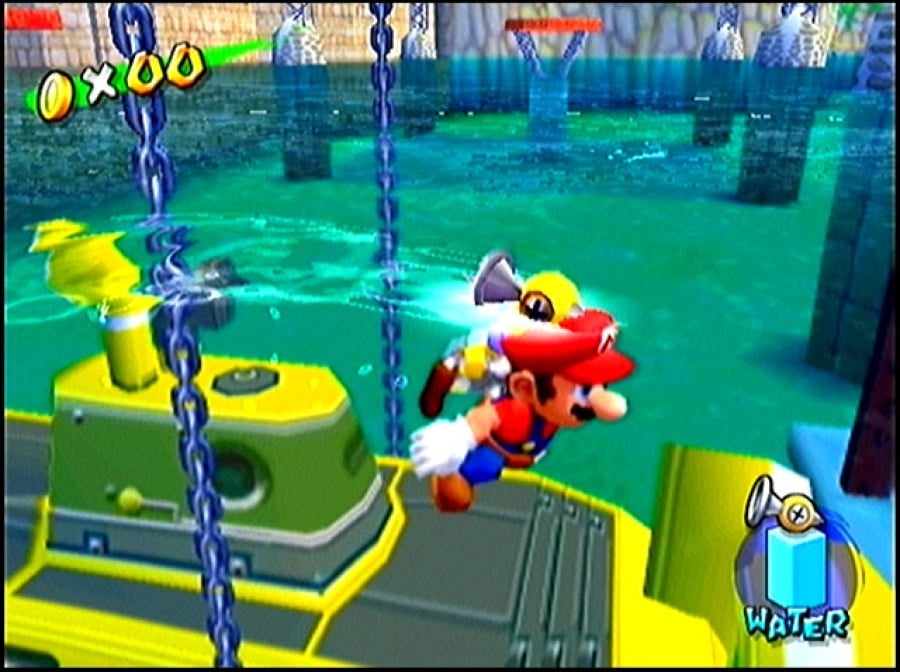
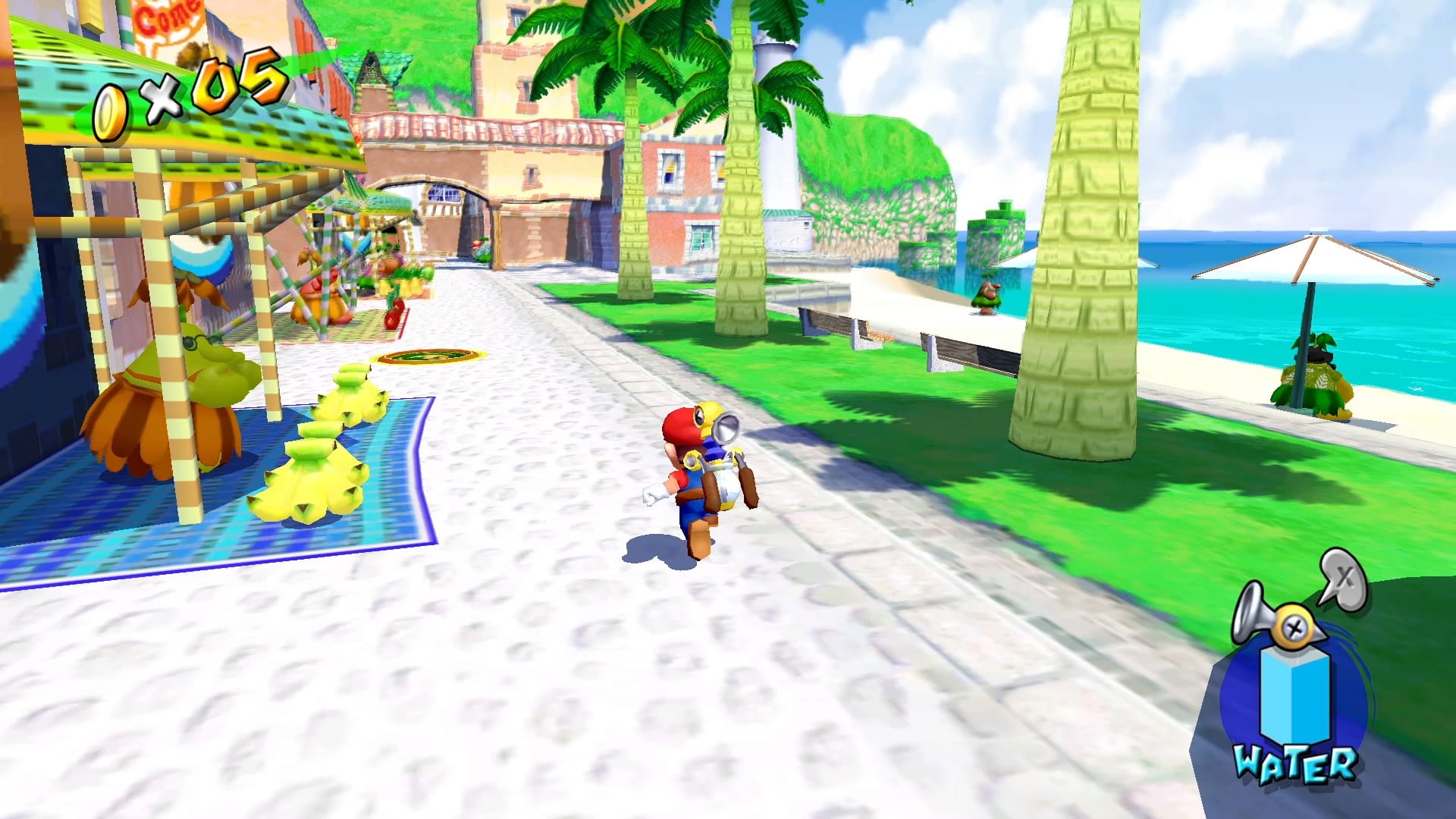
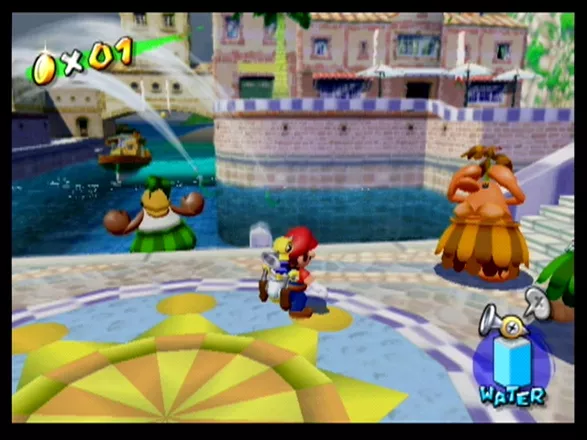
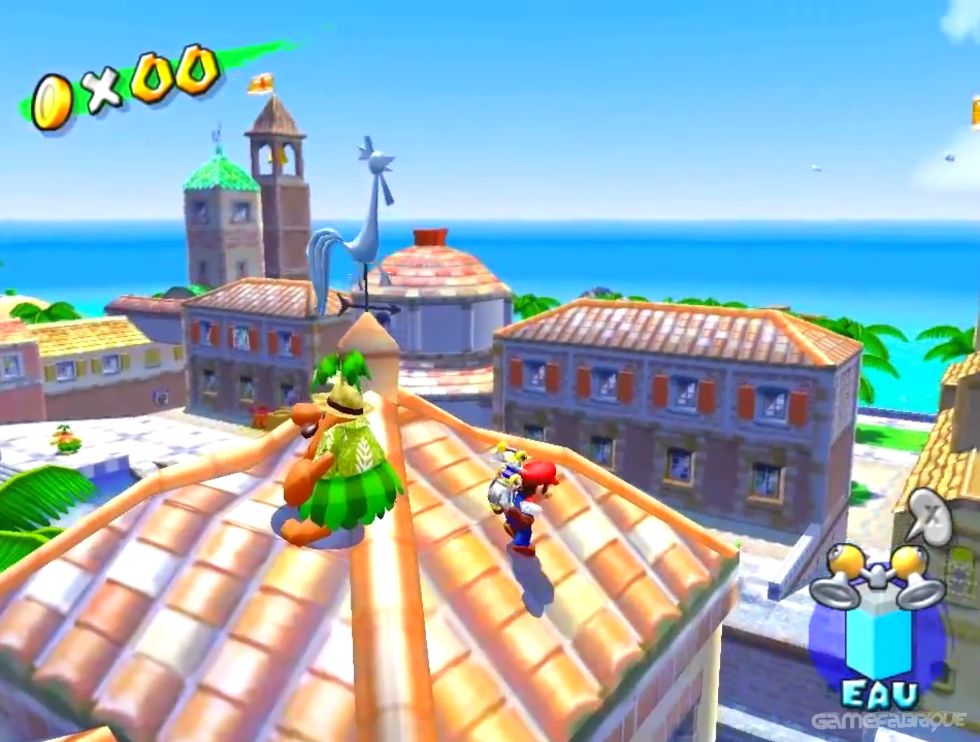
Momentum-based fluid water-propulsion 3D platforming mechanics (utilizing high-pressure mechanical water backpack nozzles to hover in mid-air, execute precision air-braking course corrections, launch hundreds of feet skyward, and hydroplane across wet marble plazas at supersonic velocities), real-time interactive surface goo cleaning simulation, and high-difficulty floating obstacle course geometry—from Super Mario Odyssey, Super Mario Galaxy 1+2, A Hat in Time, Splatoon 1-3, and modern 3D platformers—trace their sunlit tropical foundation to July 19, 2002 with Nintendo's GameCube jewel, Super Mario Sunshine.
Directed by Yoshiaki Koizumi and Kenta Usui under producers Shigeru Miyamoto and Takashi Tezuka at Nintendo EAD with a sun-soaked tropical score composed by Koji Kondo and Shinobu Tanaka, Super Mario Sunshine was the monumental successor to the legendary *Super Mario 64*. Holding a 92/100 on Metacritic and selling over 5.5 million copies worldwide, it is celebrated as the second-best-selling game in GameCube history.
Platform Context & Gaming Environment
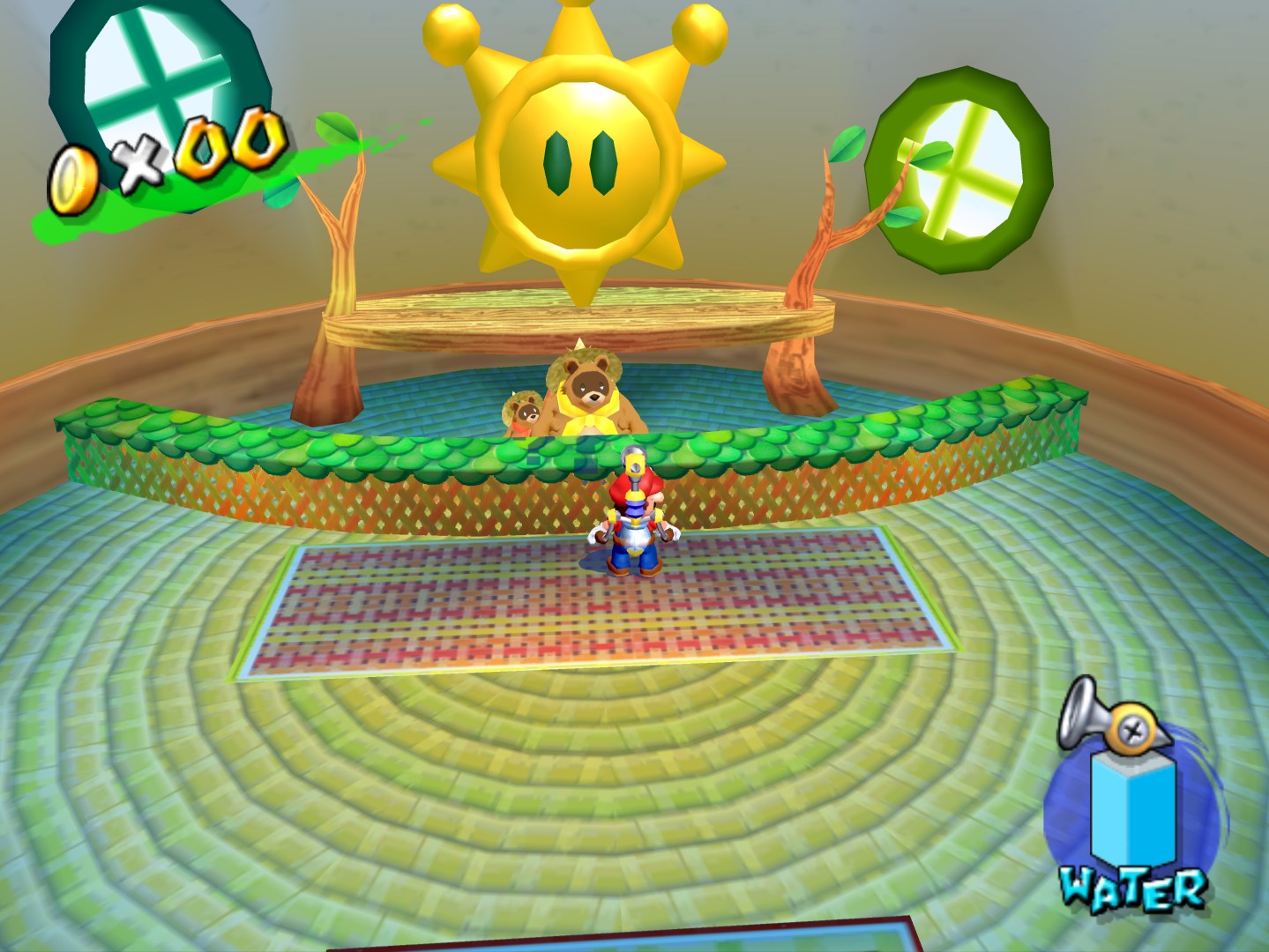
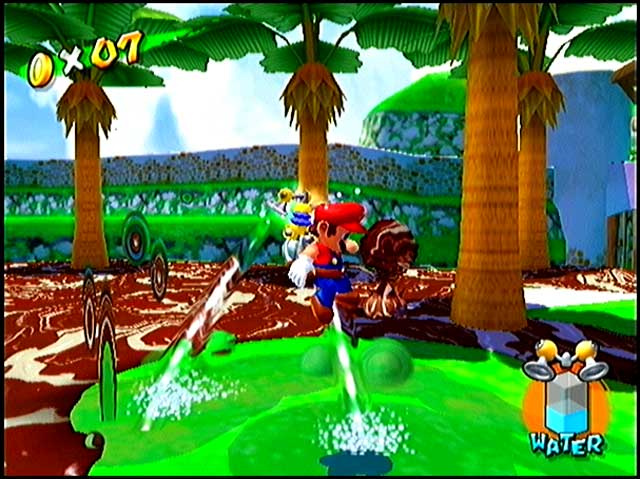
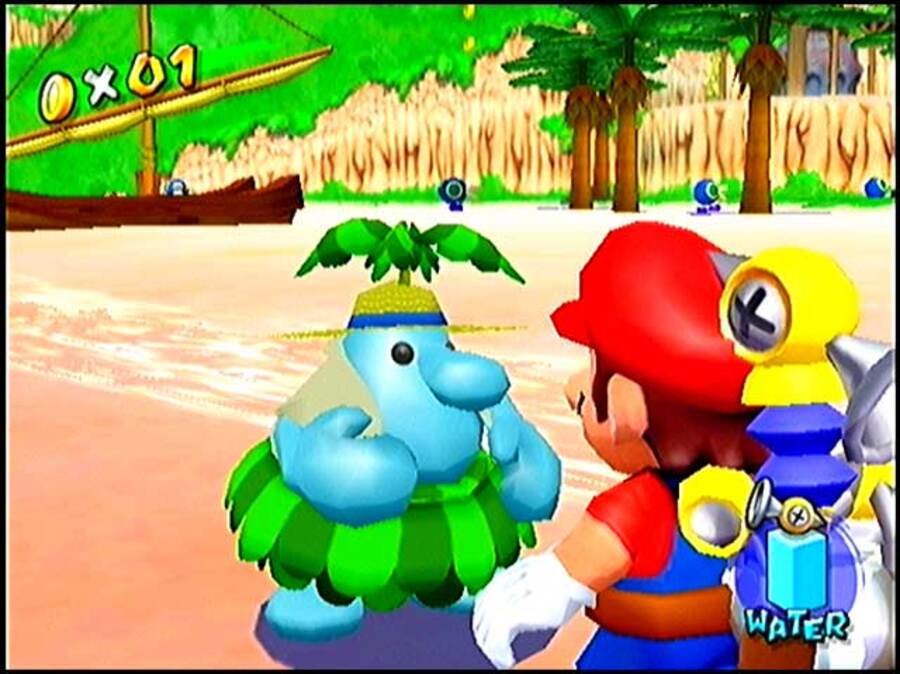
Traveling by private airplane to the tropical resort paradise of Isle Delfino for a much-needed vacation, Mario, Princess Peach, and Toadsworth arrive to find the island covered in toxic, pollution-spewing magic paint and the sacred source of light—the Shine Sprites—frightened away. Framed for the crime by a mysterious paintbrush-wielding dopplegänger named Shadow Mario (revealed to be Bowser's son, Bowser Jr.), Mario is sentenced to community service. Equipped with Professor E. Gadd's talking robotic water pump, the F.L.U.D.D. (Flash Liquidizer Ultra Dousing Device), Mario explores seven massive, interconnected island resort regions: Bianco Hills, Ricco Harbor, Gelato Beach, Pinna Park, Sirena Beach, Noki Bay, and Pianta Village to rescue Peach from Corona Mountain.
Popularity & Cultural Standing: Niche vs. Blockbuster

Super Mario Sunshine was a massive critical and commercial hit that established the technical graphical capabilities of the GameCube. Its breathtaking, translucent real-time fluid water shaders—featuring realistic surface waves, underwater distortion, and fluid paint dissipation—set the visual standard for 3D liquid simulation for years.
Gameplay Mechanics & Technical Innovations
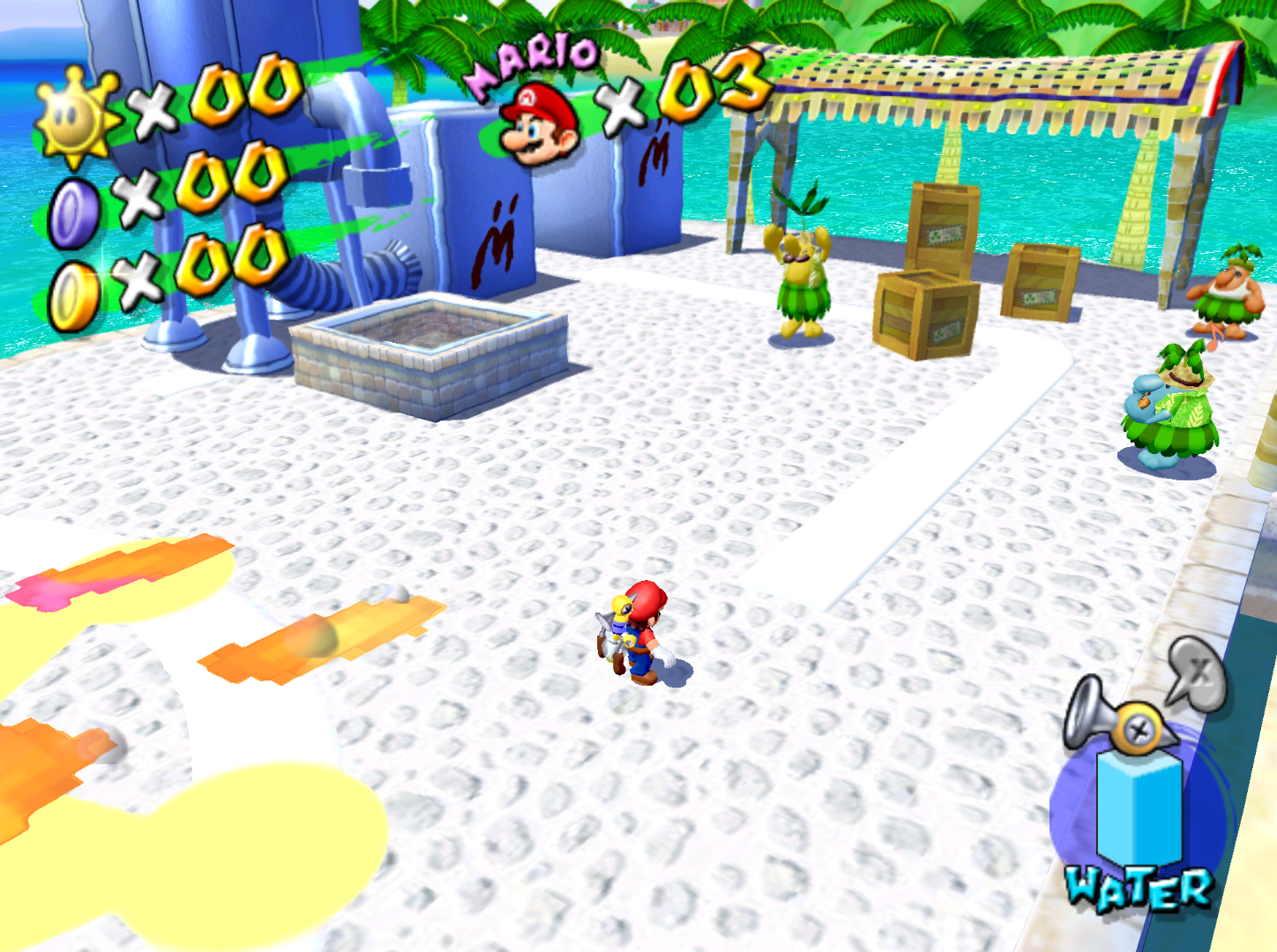
Super Mario Sunshine established innovative water-propelled platforming systems:
- The F.L.U.D.D. Water Propulsion Suite:
- Spray Nozzle: High-pressure water jet to clean toxic goop, extinguish fires, stun enemies, and water plant mechanisms.
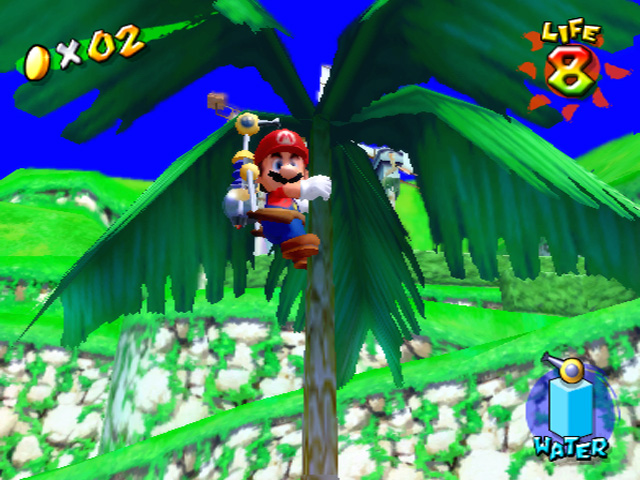
- Hover Nozzle: Spraying twin downward water jets to levitate horizontally in mid-air for 4 seconds, allowing pinpoint aerial adjustments.
- Rocket Nozzle: Charging pressure to blast Mario hundreds of feet vertically into the stratosphere.
- Turbo Nozzle: Propelling Mario across land and ocean waves at supersonic hydroplaning speeds.
- Water Slide Momentum Physics: Spraying water onto ground surfaces and diving onto bellies allows Mario to slide across terrain at blistering speeds with zero friction.
- The Pure "Secret Stage" Obstacle Courses: Challenging floating retro 3D obstacle courses where Shadow Mario steals F.L.U.D.D., forcing players to rely purely on masterclass Mario acrobatics (Spin Jumps, Triple Jumps, Wall Kicks, Side Somersaults) accompanied by an a cappella remix of the Super Mario Bros. theme.
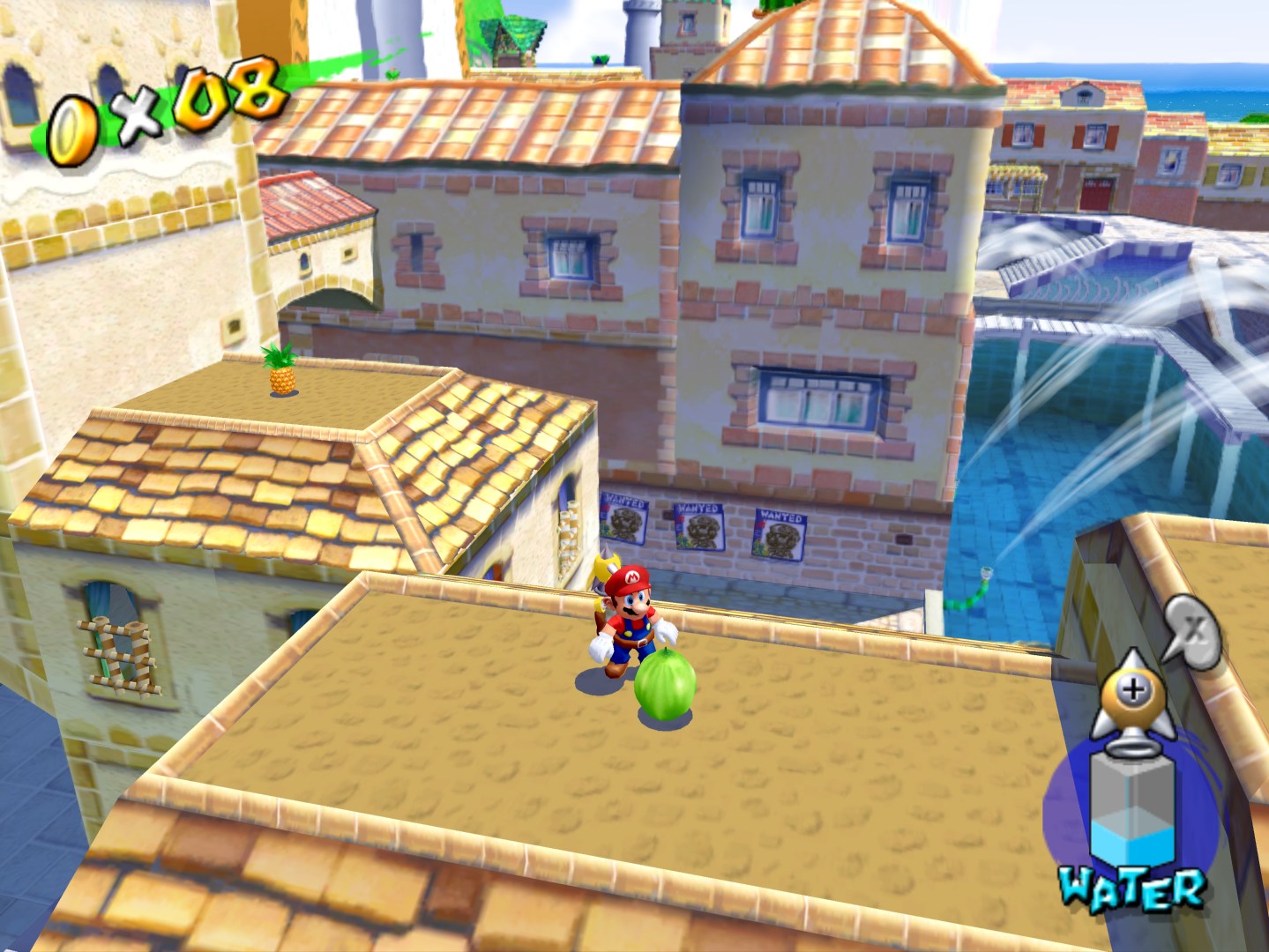
- Rideable Yoshi Fruit Mechanics: Feeding Yoshi tropical fruits (Papayas, Pineapples, Bananas, Durians) to hatch him; spraying fruit juice to dissolve forcefields and transform enemies into moving stepping platforms.
Historical Legacy & Archival Preservation

Super Mario Sunshine is permanently enshrined in the World Video Game Hall of Fame as a bold, brilliantly imaginative, and mechanically deep entry in the 3D Super Mario pantheon.