The Genre Genesis: From Modern Titans to 2000 Pioneers
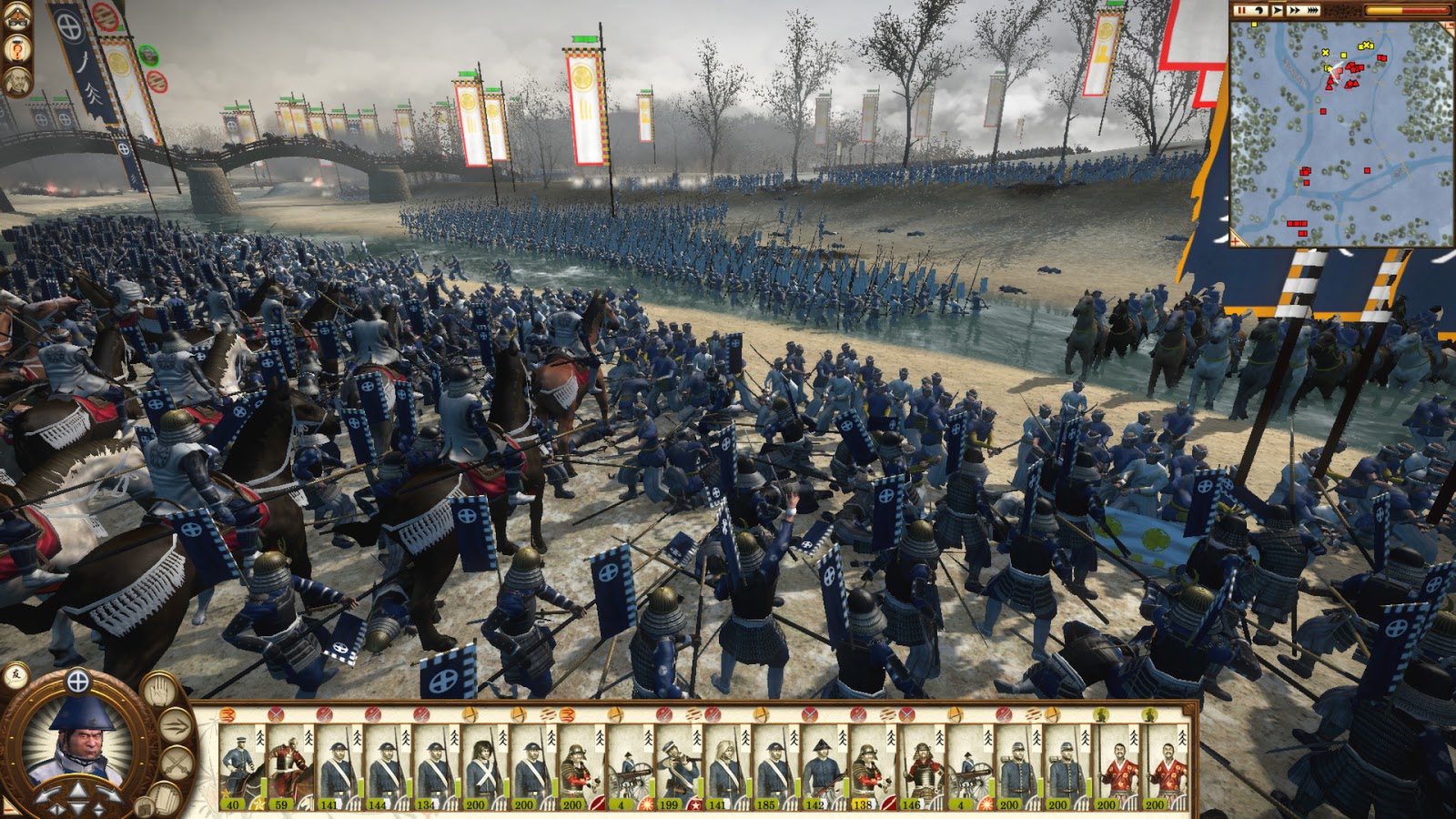
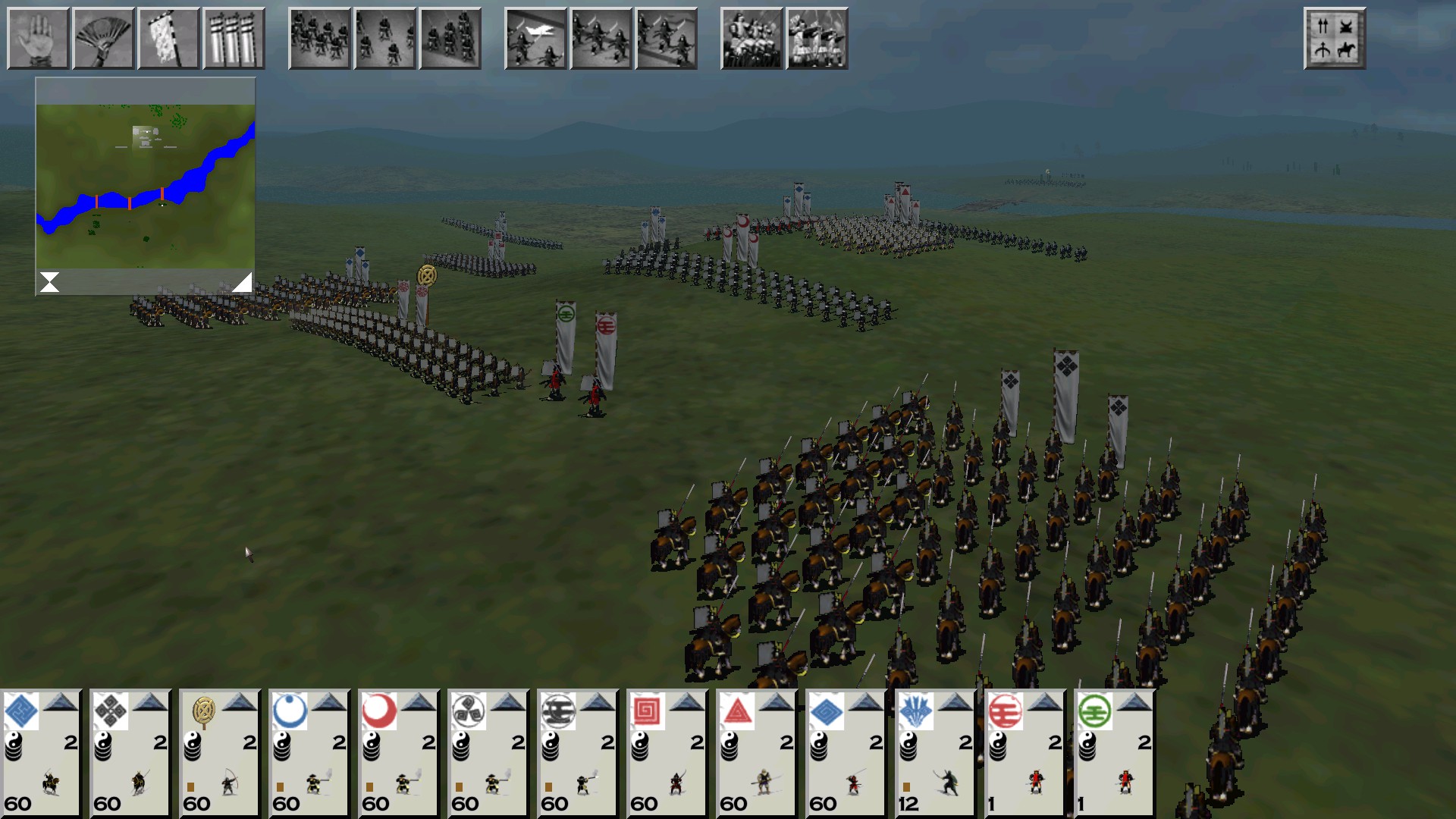
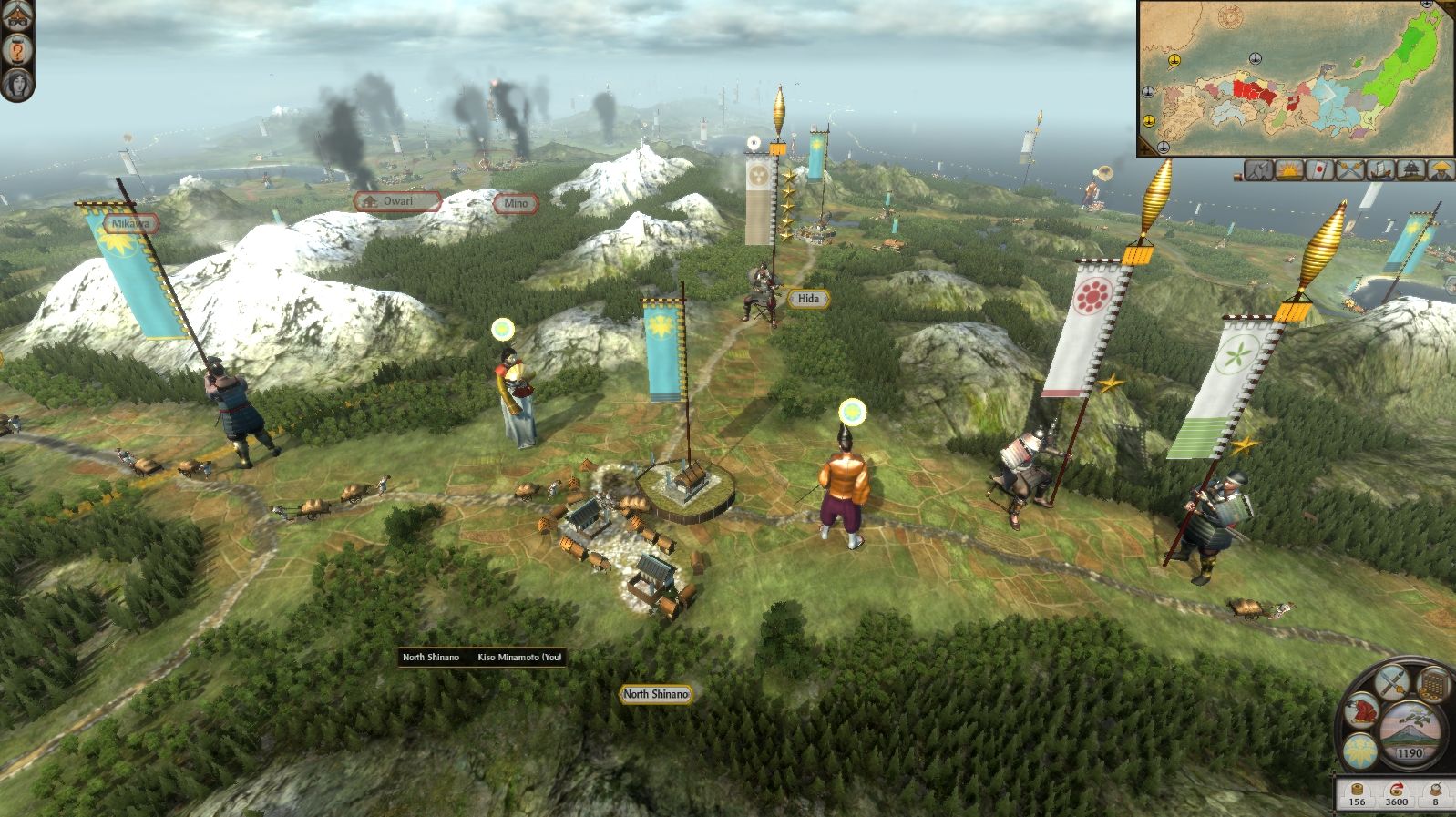
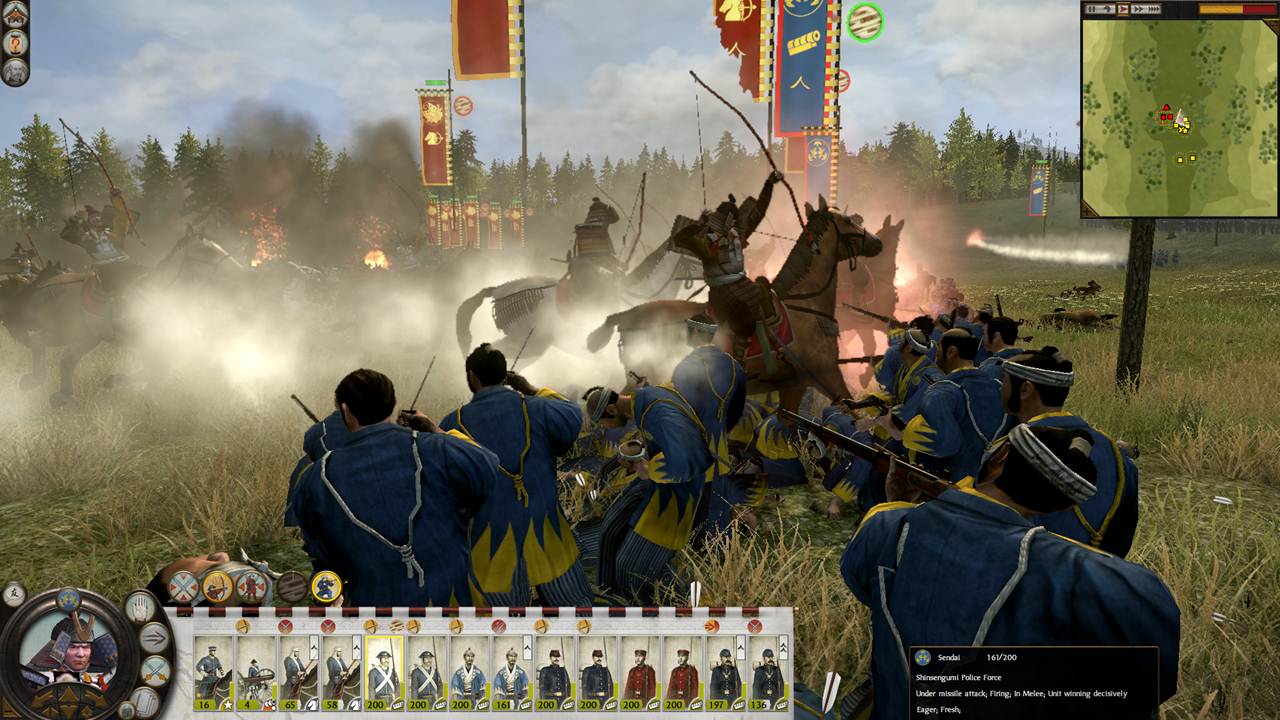
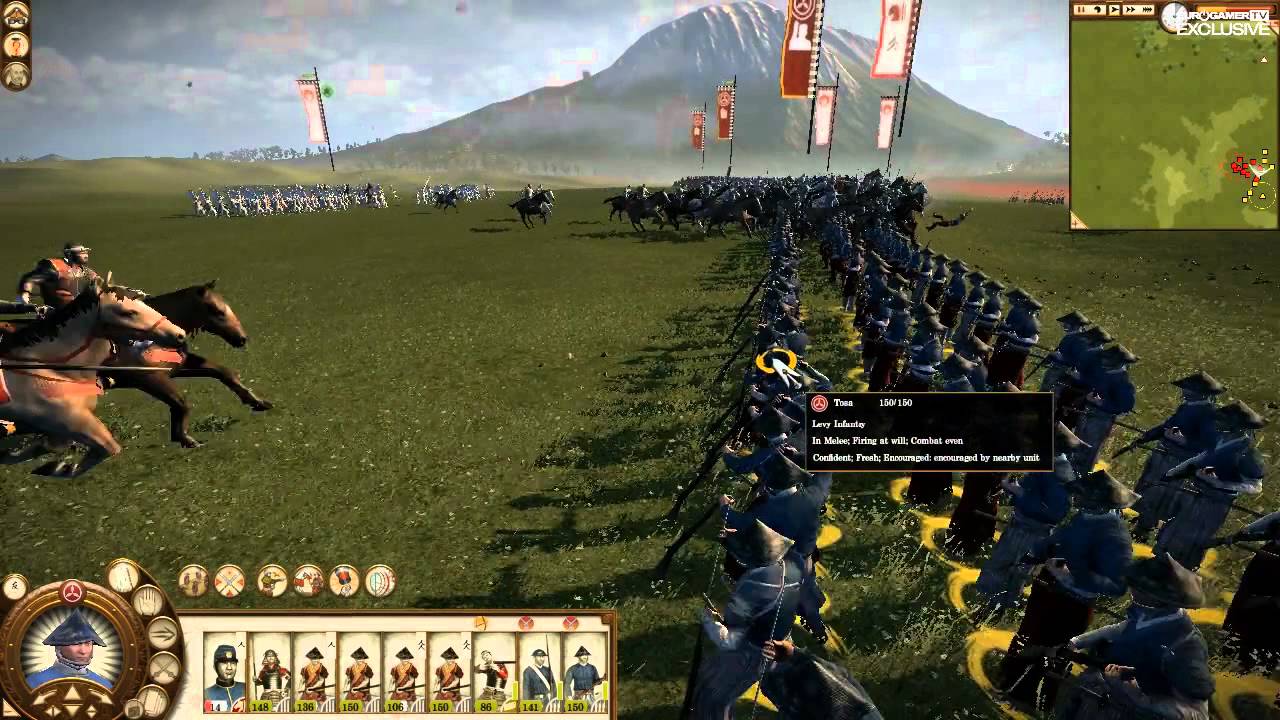
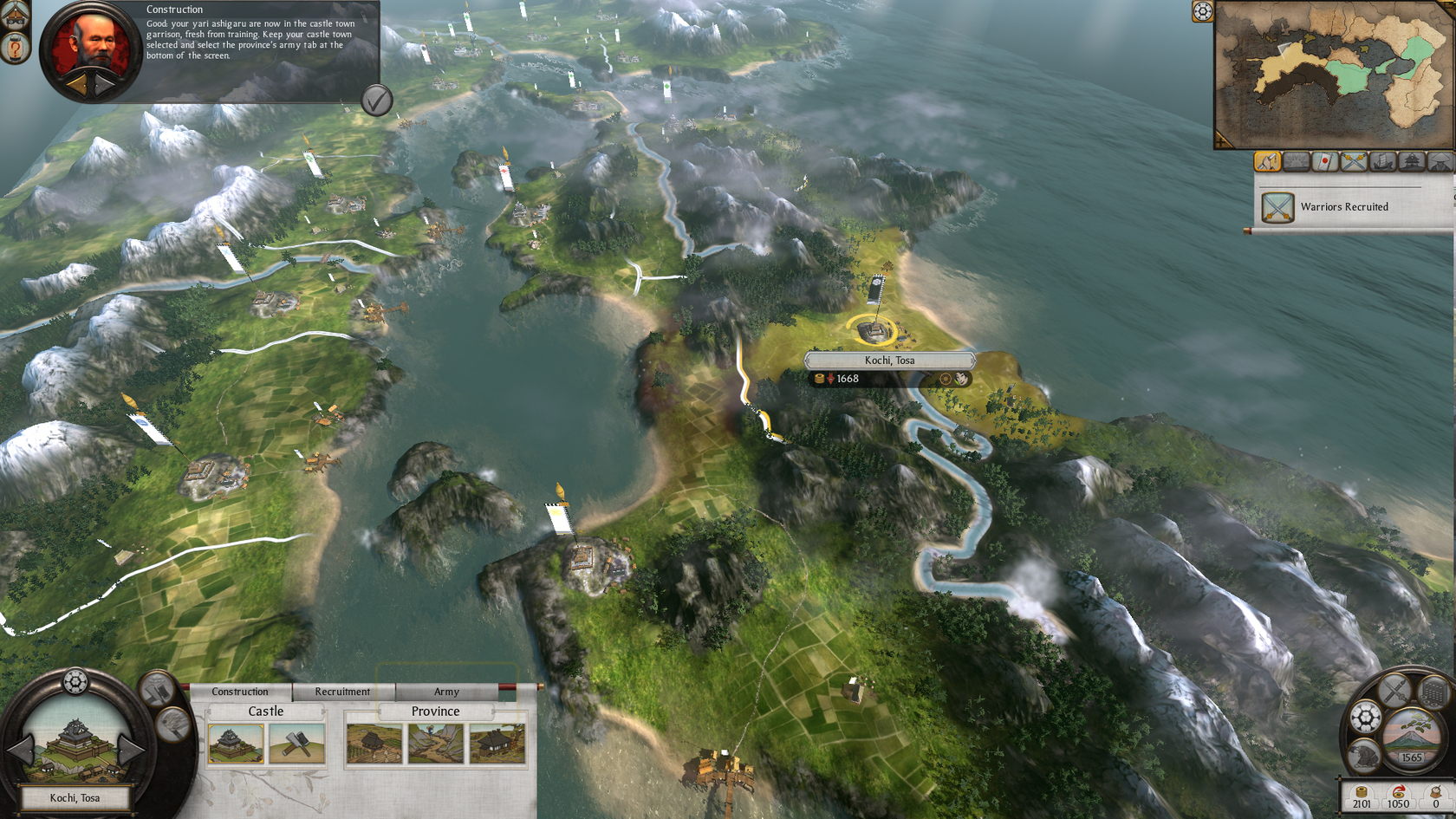
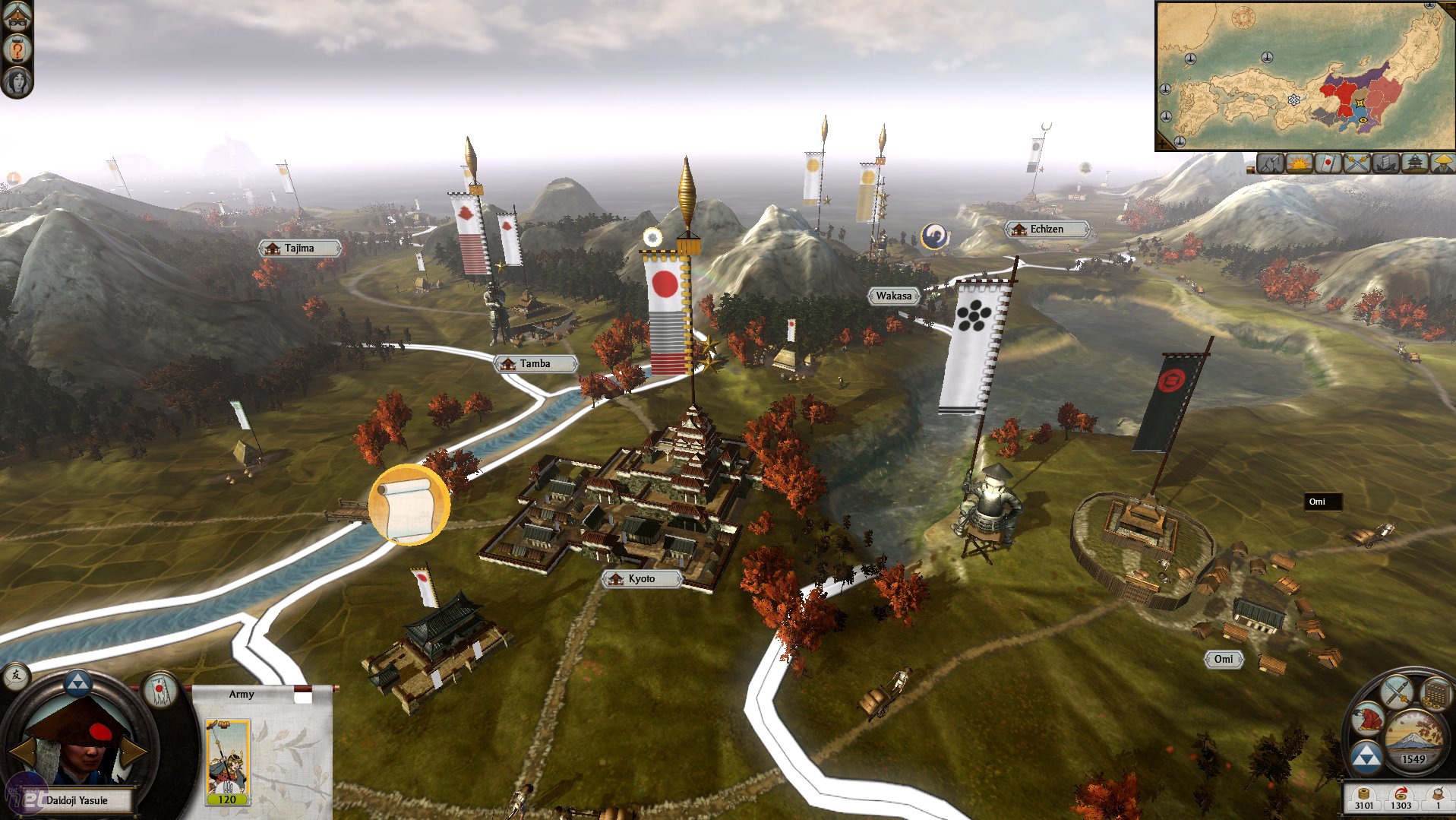
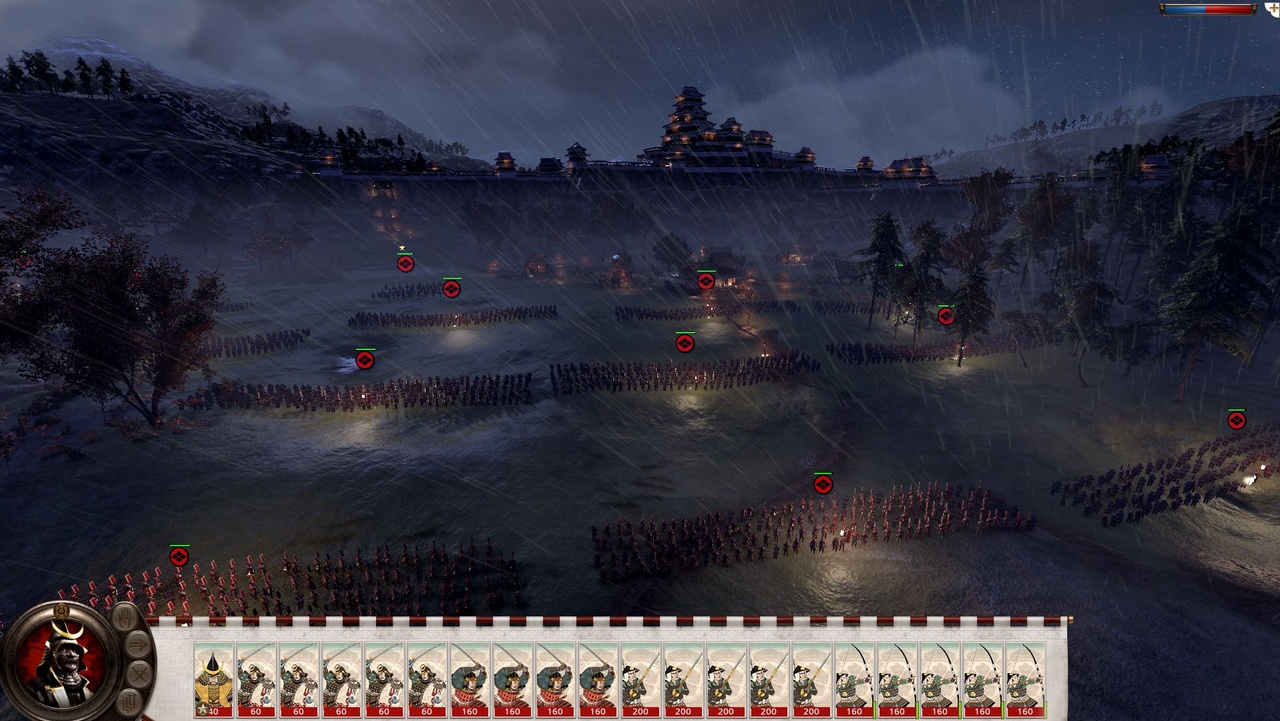
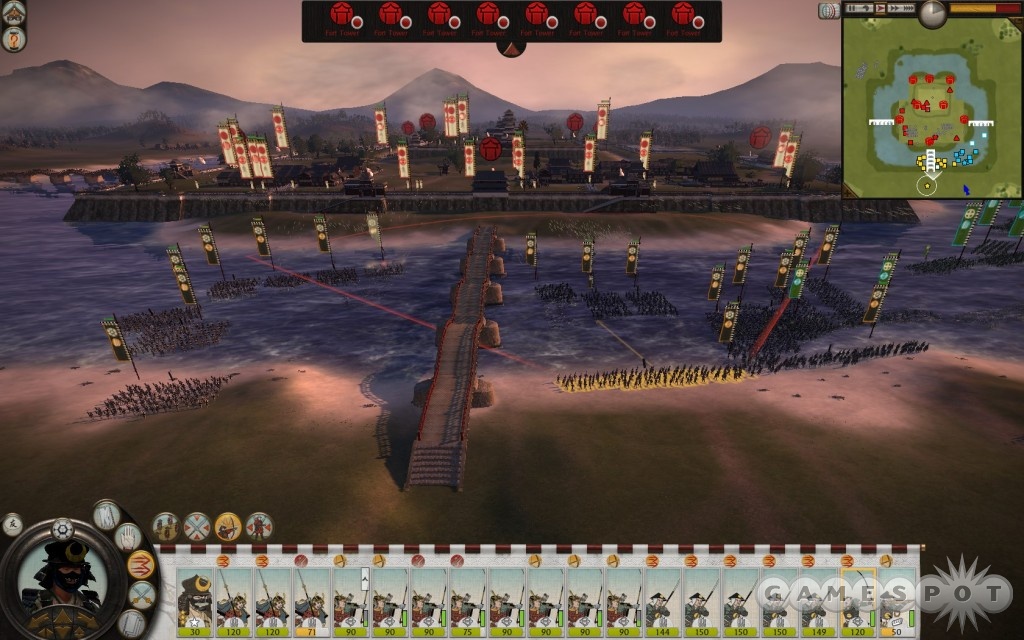
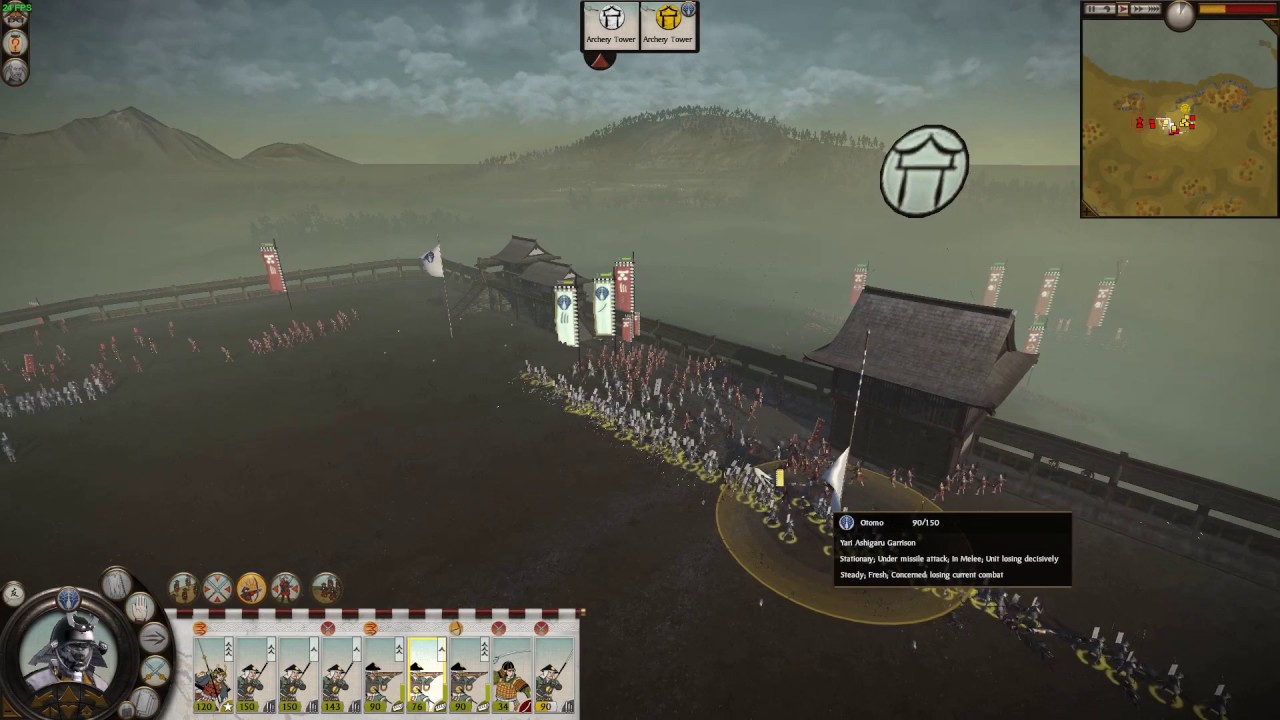
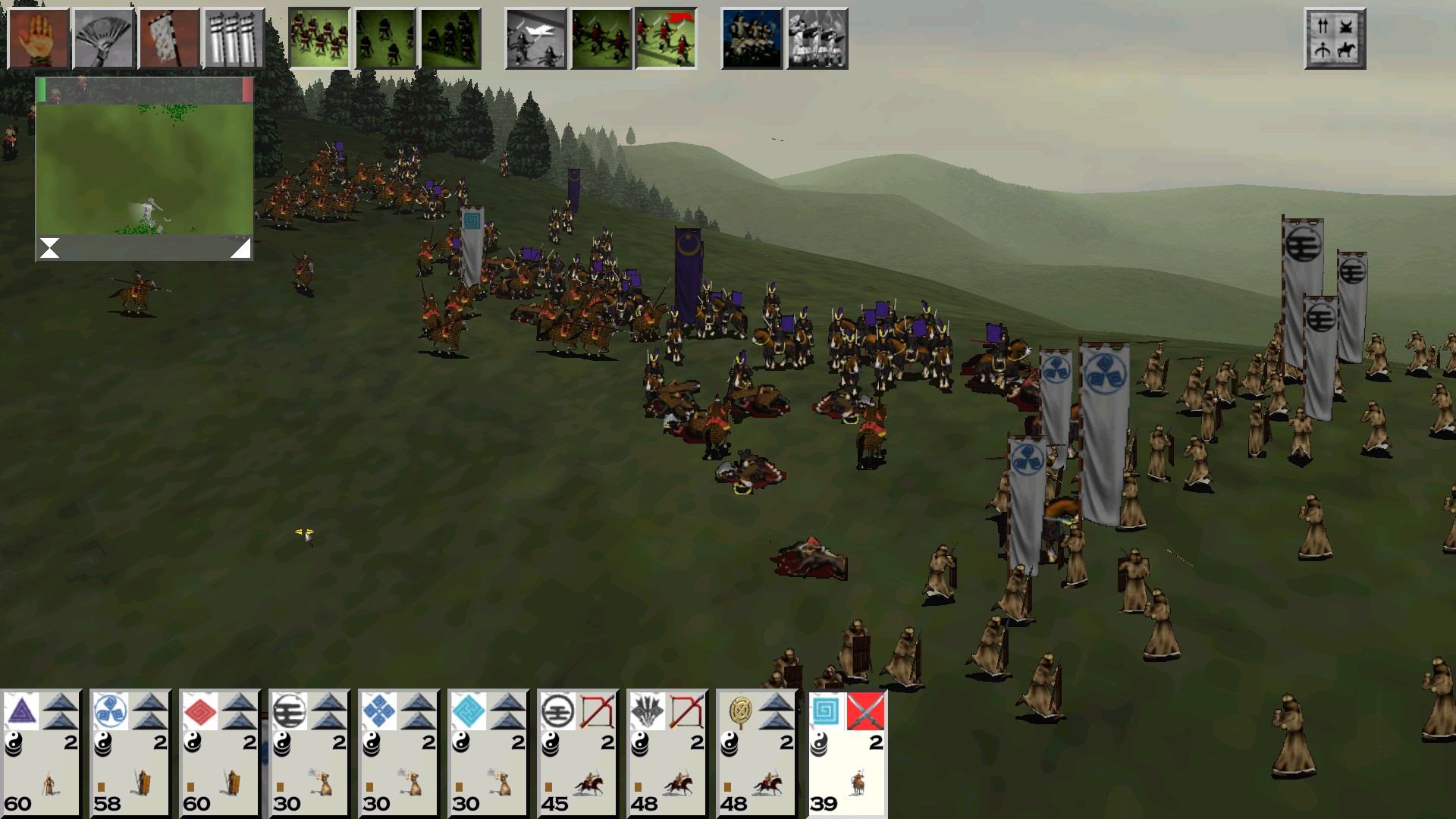
The revolutionary dual-layer grand strategy architecture (turn-based macro-level provincial empire building, taxation, diplomacy, and covert shinobi espionage married to massive real-time 3D tactical battlefield command where thousands of individual troops clash under strict tactical physics, line-of-sight elevation advantages, weather conditions, and psychological army morale break-points)—from Total War: Warhammer III, Total War: Three Kingdoms, Total War: Shogun 2, and modern grand strategy games—trace their monumental foundation to June 13, 2000 with Creative Assembly's inaugural breakthrough, Shogun: Total War.
Developed by British studio The Creative Assembly in Horsham under designer Michael Simpson with an authentic, evocative Japanese taiko-drum and shakuhachi-flute score composed by Jeff van Dyck (who won a BAFTA for his work on the franchise), Shogun: Total War single-handedly invented the modern grand strategy / real-time tactics hybrid genre. It launched one of the most enduring, critically celebrated PC strategy franchises in history.
Platform Context & Gaming Environment
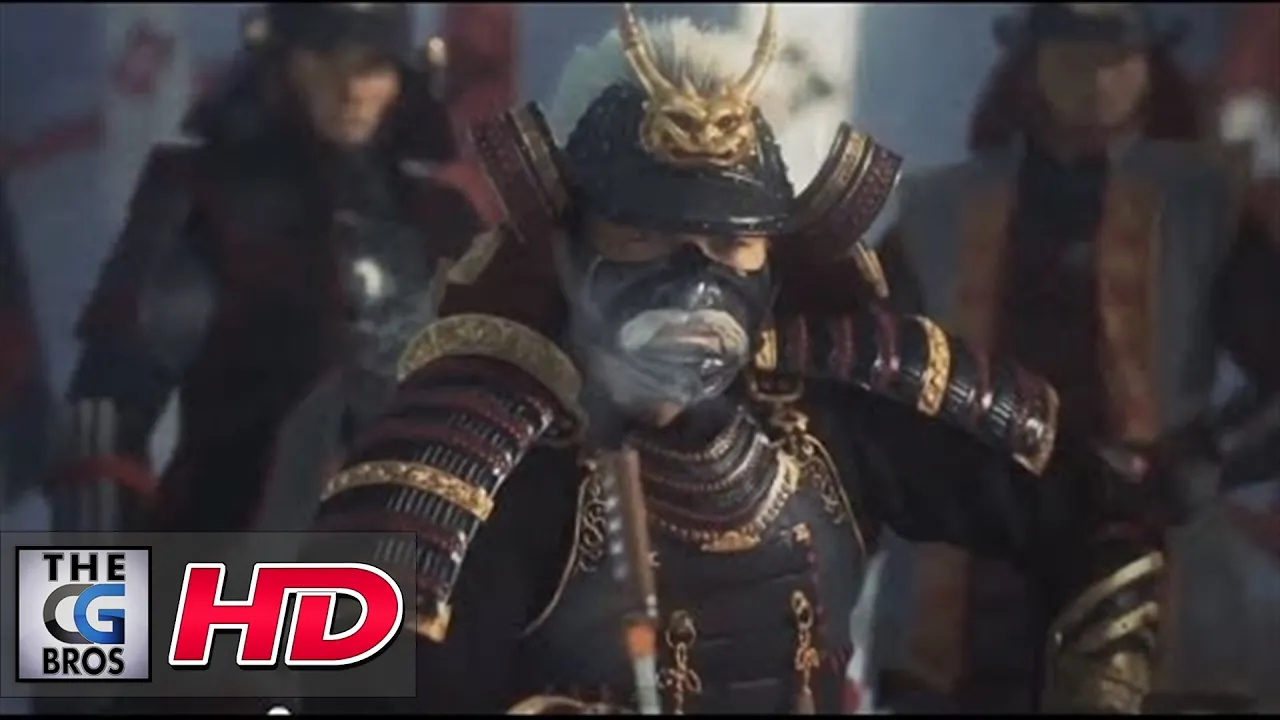
Set during the brutal civil wars of feudal Japan's 16th-century Sengoku Jidai (1467–1600), players command one of seven historical rival clans: the spearmasters Oda, cavalry masters Takeda, archers Uesugi, castle builders Hojo, maritime Mori, traditionalist Shimazu, or religious Imagawa. Players manage provincial castles, rice harvests, European Portuguese/Dutch trade (importing matchlock Arquebus muskets and Christianity), and deploy covert agents (Shinobi spies, Geisha assassins, and Emissaries) to unite all 60 provinces of Japan and become the Supreme Shogun.
Popularity & Cultural Standing: Niche vs. Blockbuster

Shogun: Total War was a massive critical triumph on PC, earning Strategy Game of the Year honors from PC Gamer and Computer Gaming World. Its innovative integration of Sun Tzu's philosophical military doctrines into tactical battlefield gameplay established a new standard for military simulations.
Gameplay Mechanics & Technical Innovations
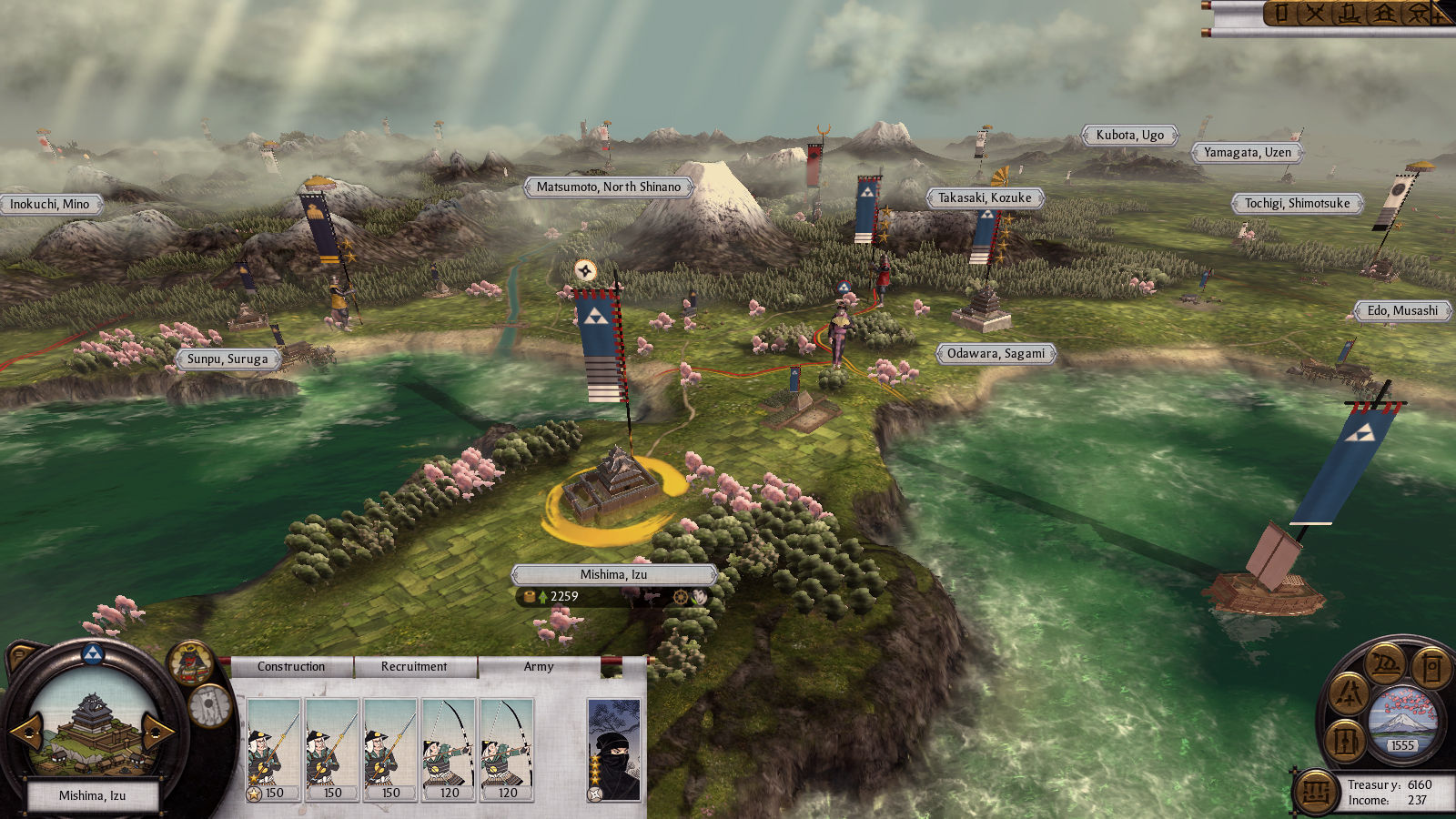
Shogun: Total War established standard-setting strategy systems:
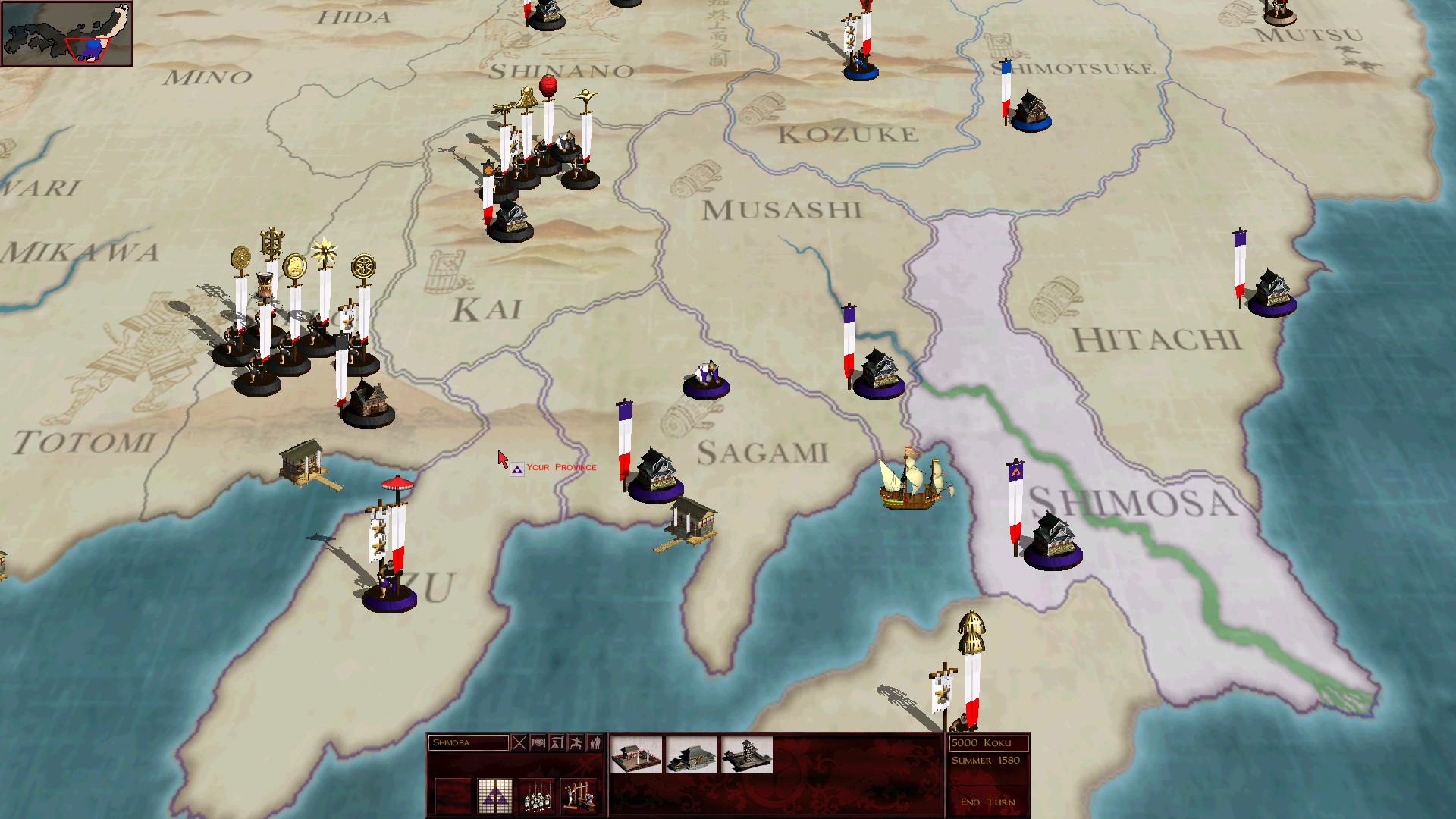
- The Hybrid Campaign / Tactical Battle Loop: Turn-based province management on a parchment paper map of feudal Japan paired seamlessly with real-time 3D tactical battlefield command.
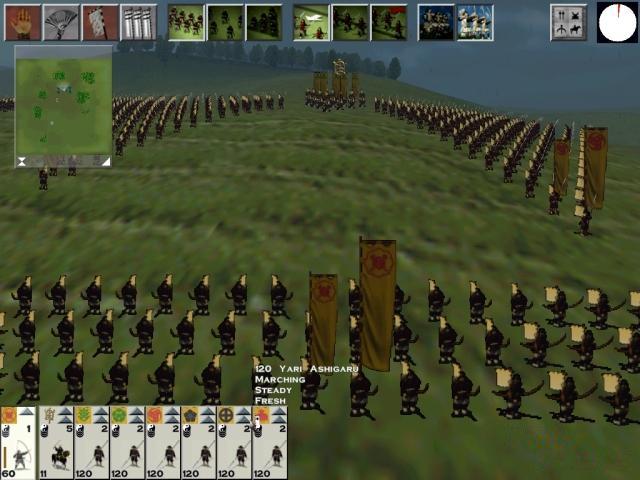
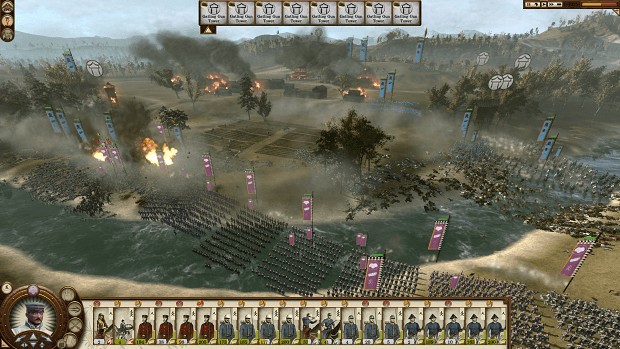
- Sun Tzu's Tactical Battlefield Doctrines: Battlefield victory depends on physical terrain advantages: commanding high ground grants arrow range and charging momentum bonuses, heavy rain extinguishes gunpowder matchlocks, and dense pine forests conceal flanking ambushes.
- Realistic Morale & Routing Physics: Units do not fight to the death blindly; taking flank charges, losing commanders, or sustaining artillery casualties triggers panic, breaking unit morale and causing full army routs.
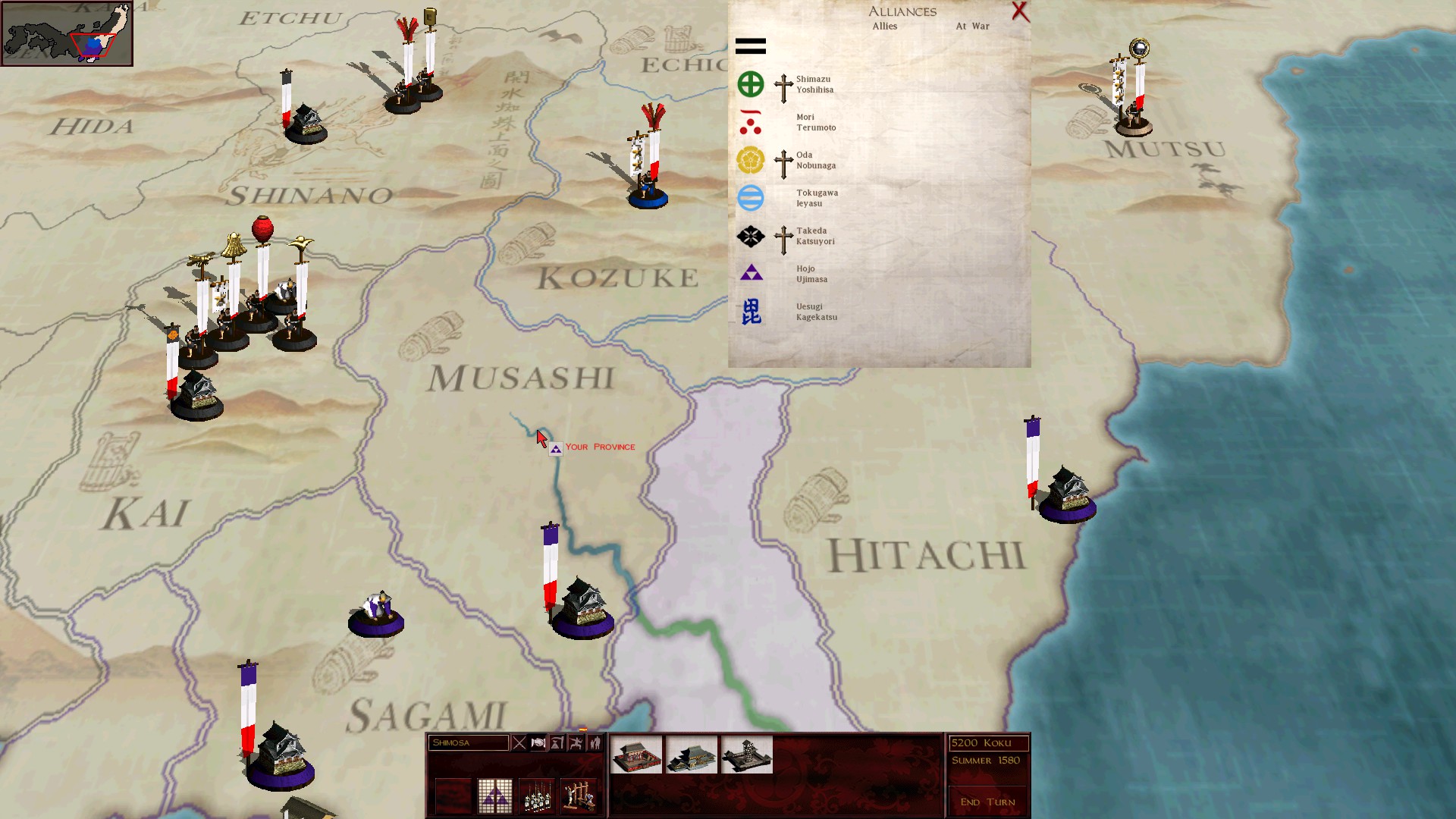
- Deep Feudal Agent Espionage Suite: Deploying Shinobi to gather intelligence, Geisha assassins with high-percentage assassination cutscenes, and Emissaries to negotiate diplomatic clan alliances and peasant rebellions.
Historical Legacy & Archival Preservation
Shogun: Total War is permanently enshrined in PC strategy history as the foundational masterpiece that invented the Total War hybrid formula.