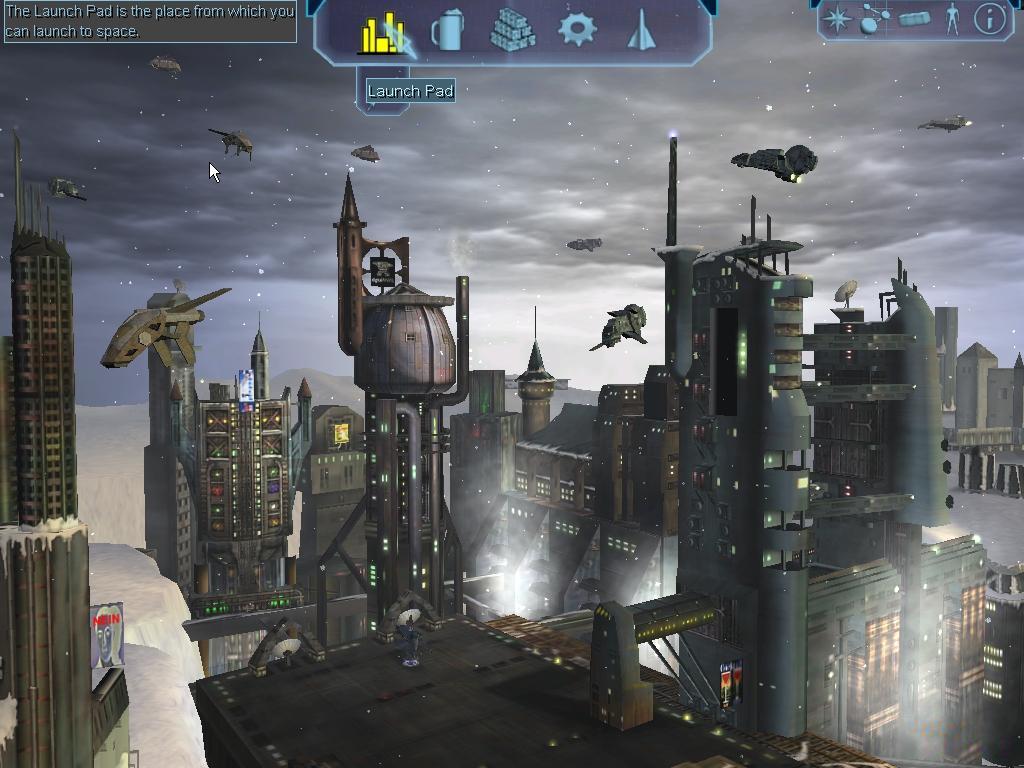
The Genre Genesis: From Modern Titans to 2003 Pioneers
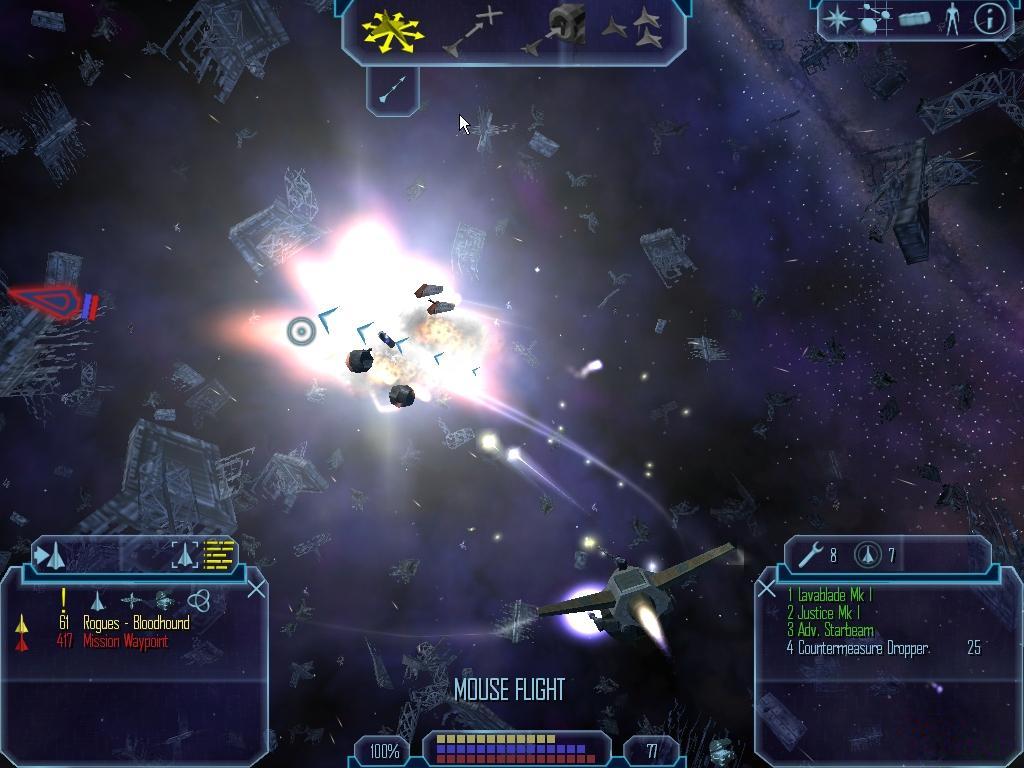
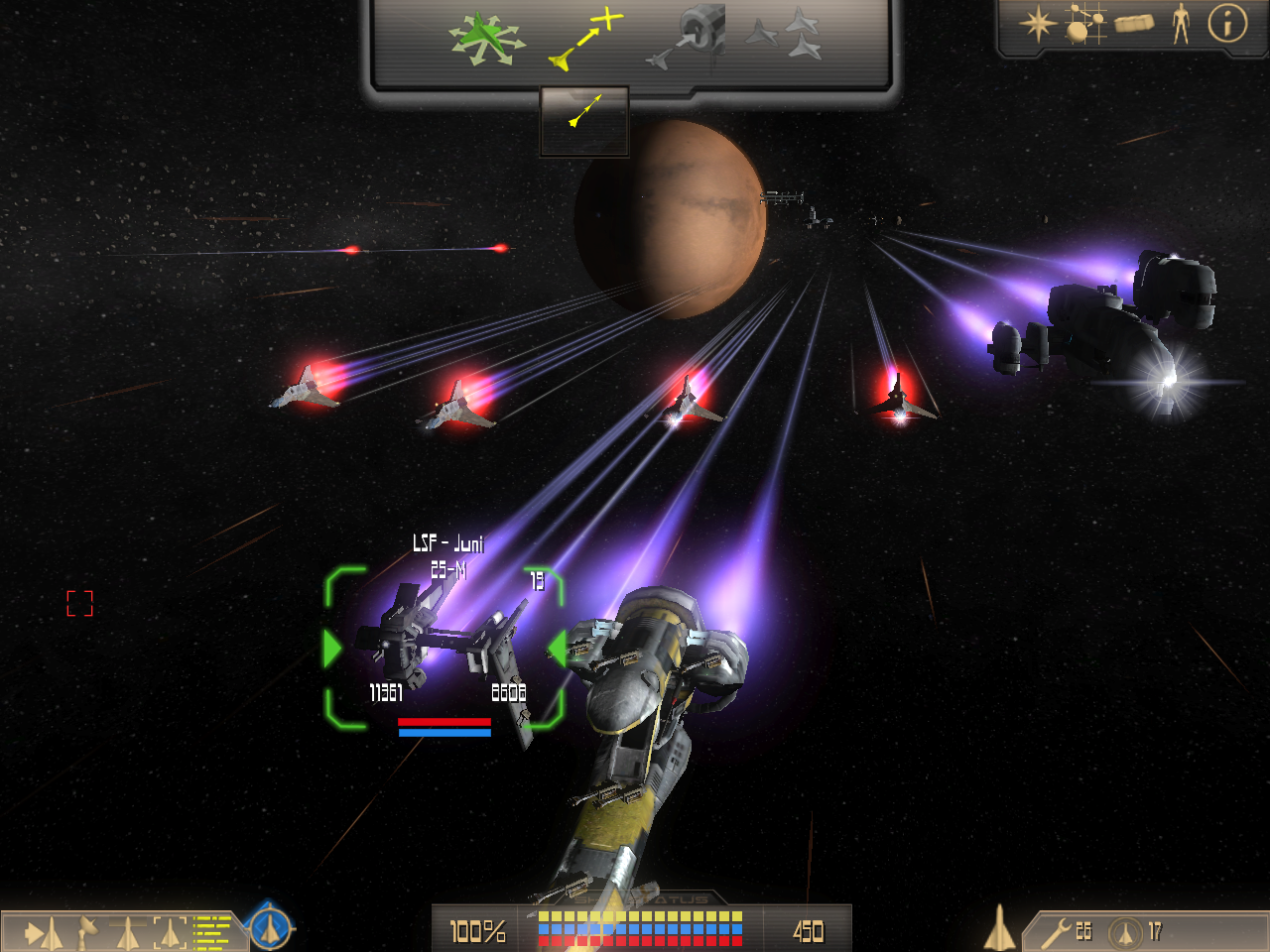
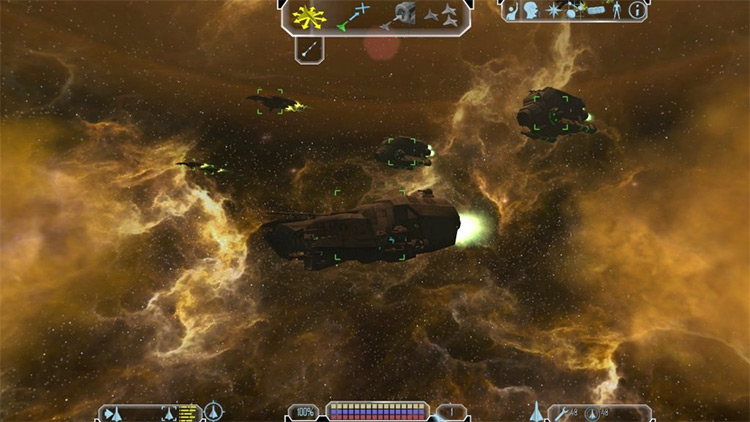
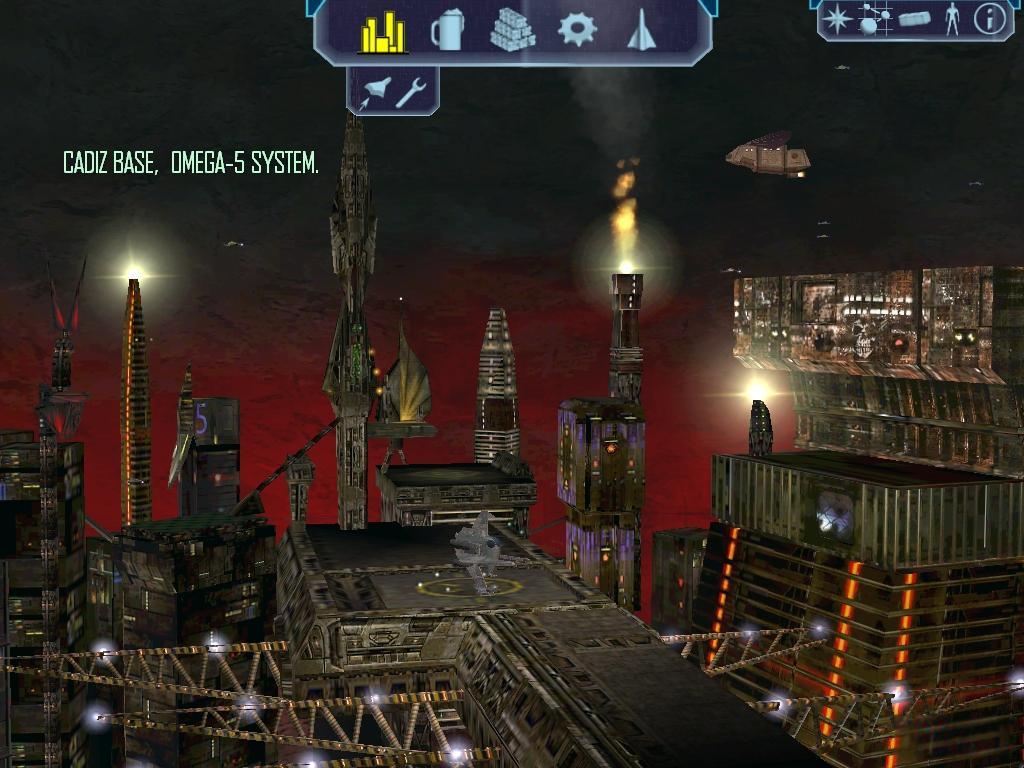
Open-universe space sandbox flight simulation (traveling freely across dozens of star systems via supersonic Trade Lanes and jump gates, docking at planetary spaceports and orbital stations, buying commodity goods low in agricultural colonies to sell high in industrial tech sectors, taking bounty hunting contracts from shady cantinas, and engaging in agile dogfights using intuitive mouse-and-keyboard aiming), combined with multi-faction reputation standing—from Star Citizen, Elite Dangerous, No Man's Sky, Everspace 2, X4: Foundations, and modern space trading sims—trace their definitive, revolutionary blueprint to March 4, 2003 with Digital Anvil's crowning achievement, Freelancer.
Conceived by space simulation pioneer Chris Roberts (*Wing Commander*, *Star Citizen*) and completed under project lead Phil Wattenbarger at Austin studio Digital Anvil in partnership with Microsoft Game Studios with a soaring orchestral score composed by James Goddard, Freelancer revolutionized space games. Holding an 85/100 on Metacritic and selling millions of copies on PC, its intuitive controls broke down the barrier of complex joystick peripherals and opened space exploration to the world.
Platform Context & Gaming Environment
Eight centuries after sleeper ships escaped Earth's solar system, humanity has colonized the Sirius Sector, divided into four interstellar galactic superpowers: the democratic Liberty (USA), the industrial monarchy Bretonia (UK), the feudal imperial Kusari (Japan), and the militarized Rheinland (Germany), alongside the lawless Border Worlds. Surviving the catastrophic bombing of space station Freepoint 7, freelance pilot Edison Trent arrives on Planet Manhattan with only 500 credits and a battered Starflier ship. Recruited by Liberty Security Force (LSF) Commander Jun'ko Zane, Trent investigates an alien contagion that controls high-ranking government officials, uncovering the ancient biological menace known as the Nomads and fighting across 48 star systems to save humanity.
Popularity & Cultural Standing: Niche vs. Blockbuster
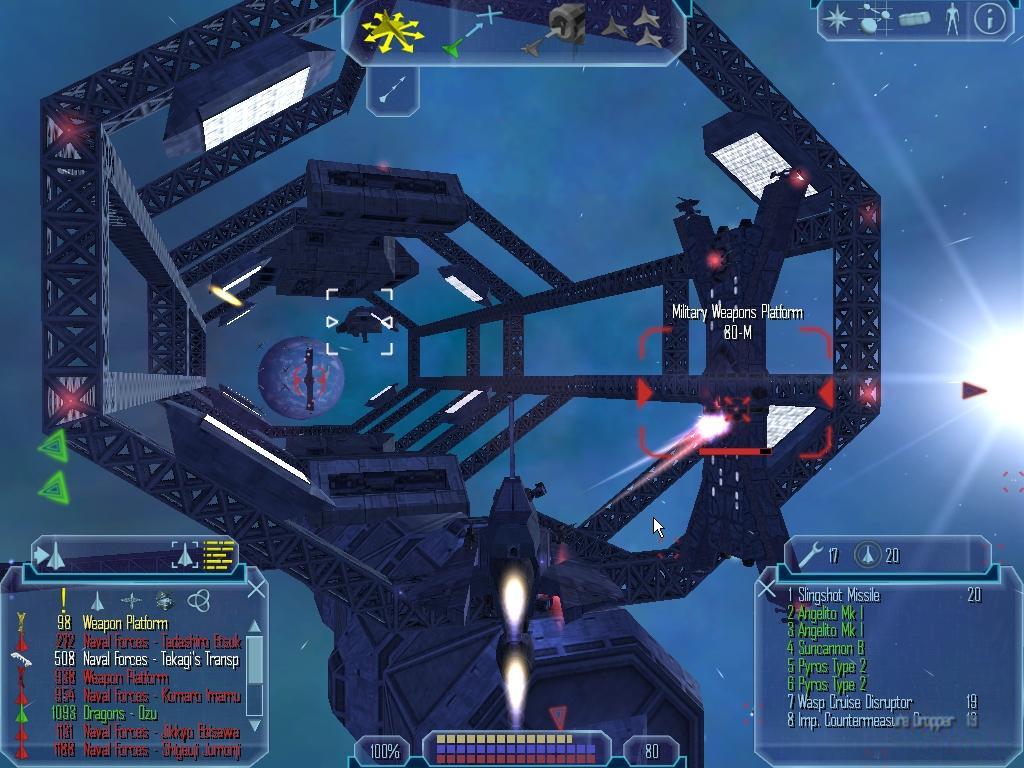
Freelancer was a monumental critical and commercial triumph on PC. Its accessible mouse-aim flight model, thrilling space dogfights, and rich modding ecosystem (e.g., *Discovery Freelancer*, *Crossfire*) created persistent online role-playing servers that ran continuously with thousands of dedicated pilots for over twenty years.
Gameplay Mechanics & Technical Innovations
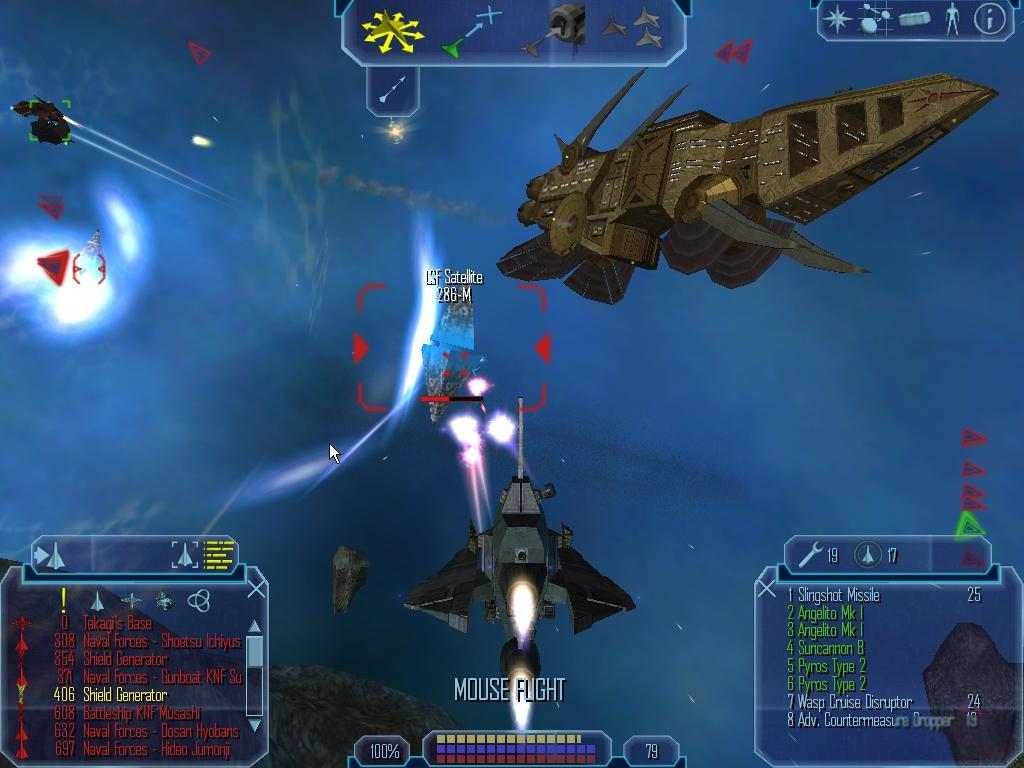
Freelancer established standard-setting space simulation systems:
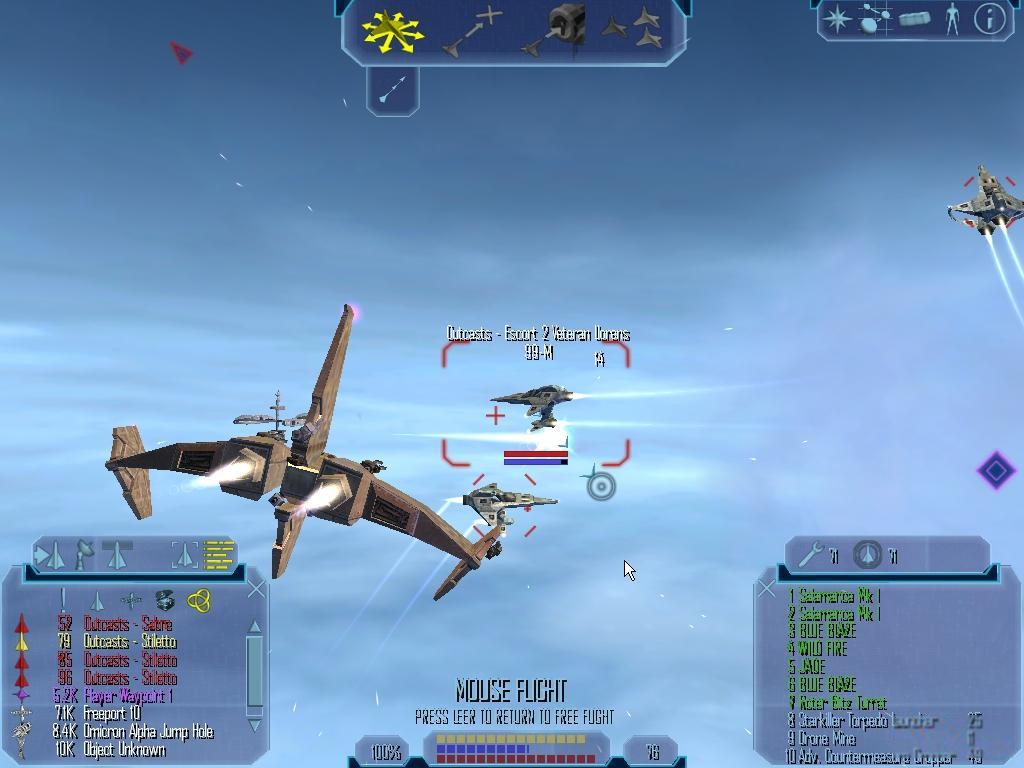
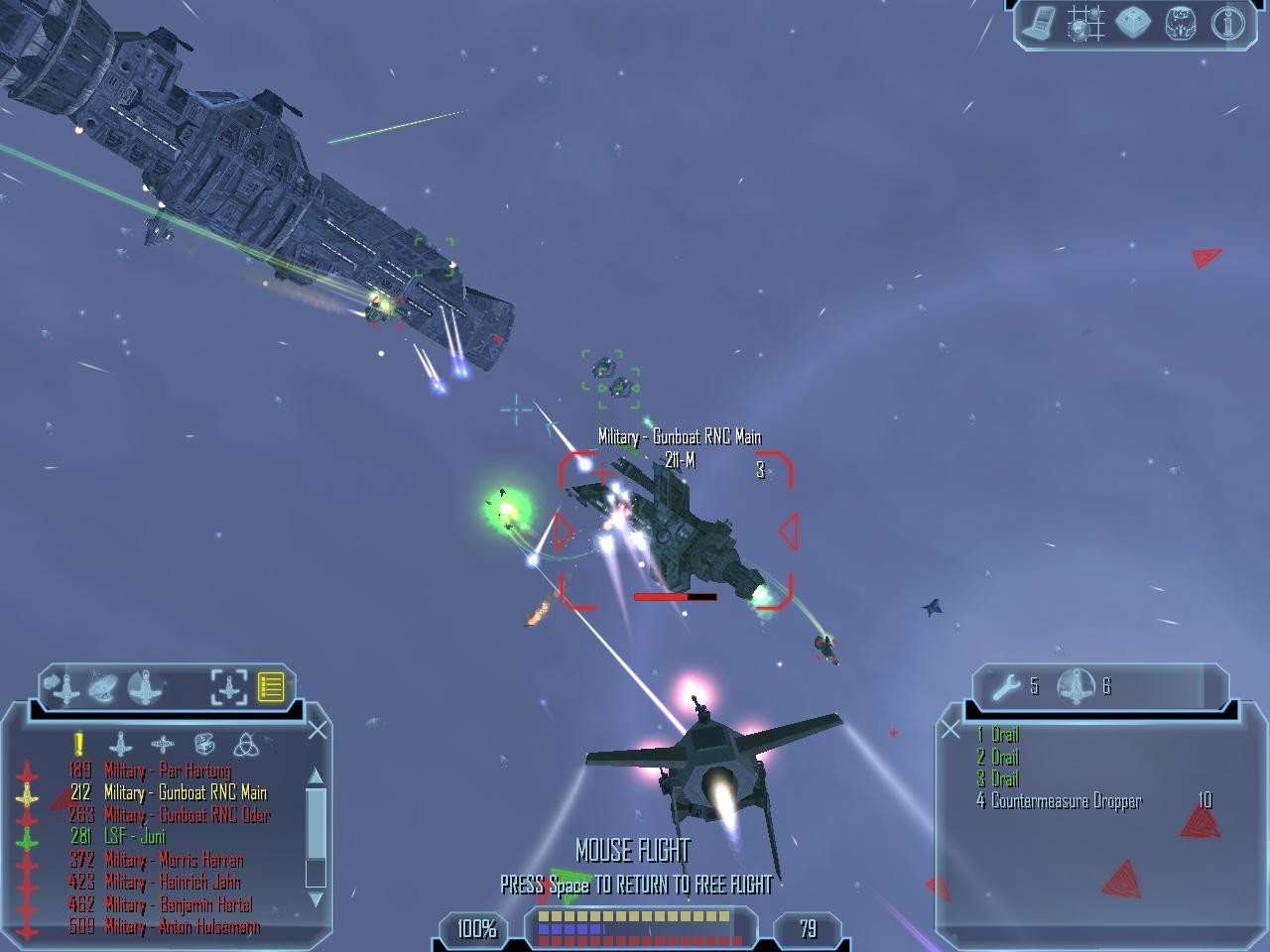
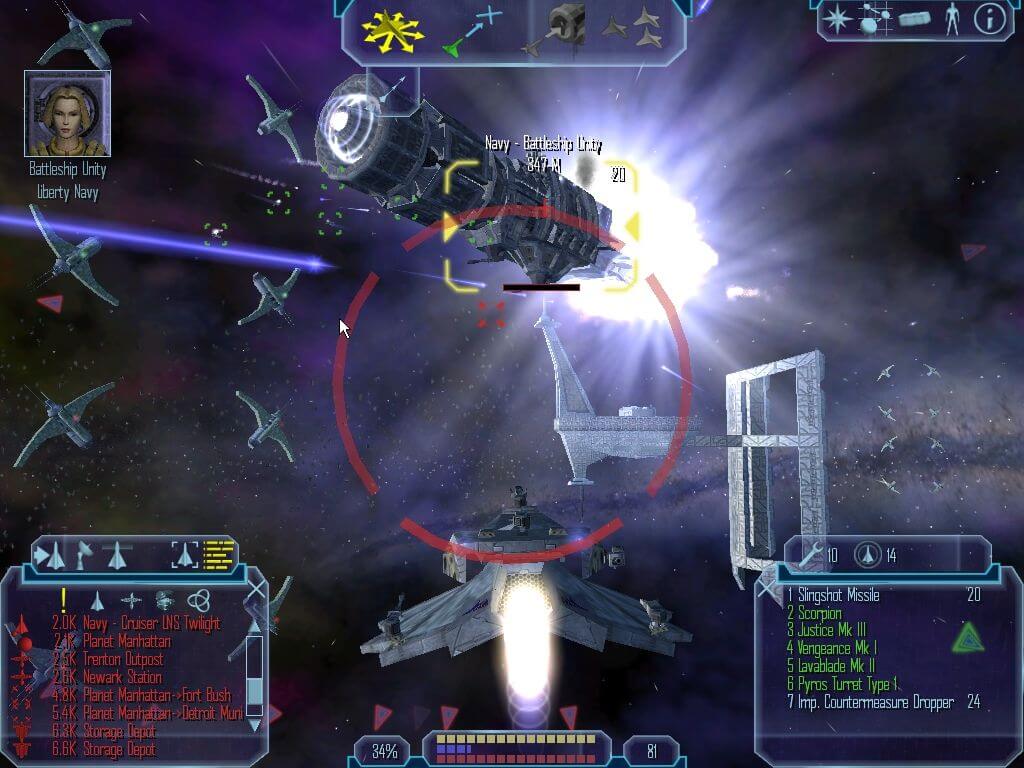
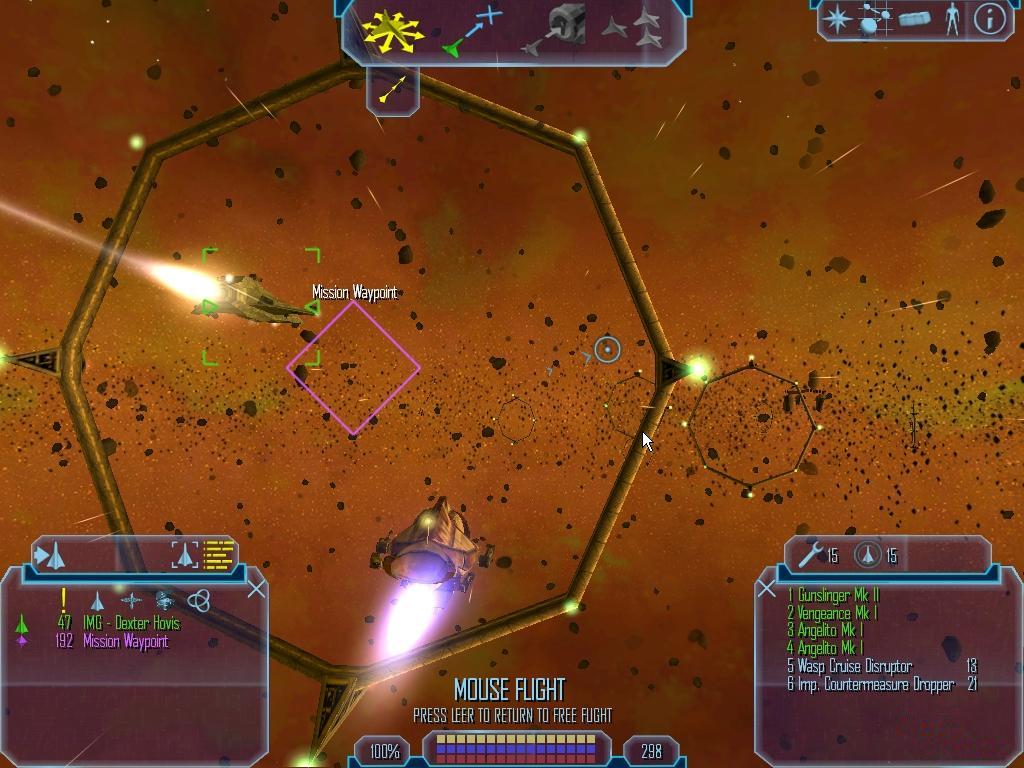
- The Revolutionary Mouse-Driven Flight Engine: Eliminating the requirement for joysticks; moving the mouse directs the ship's nose and independent turret tracking, providing silky-smooth dogfighting, throttle control, and afterburner maneuvers.
- The Interstellar Trade Lane & Jump Gate Highway: High-speed ring accelerators (Trade Lanes) that launch ships across solar systems at near-light speeds; pirate factions can shoot out Trade Lane rings to ambush trading convoys.
- Dynamic Dynamic Commodity Trading Economy: Buying and selling over 40 commodities (Cardamine drugs, Luxury Food, Optronics, Beryllium, Cobalt) across planetary spaceports, mining bases, and smuggler outposts based on local supply and demand.
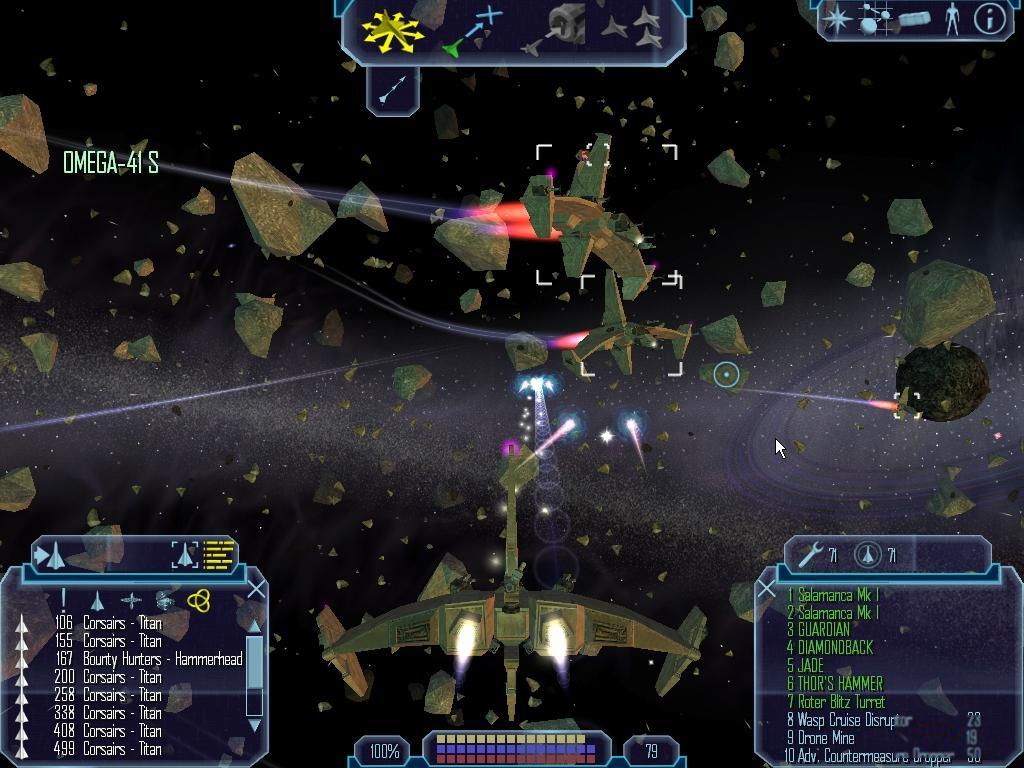
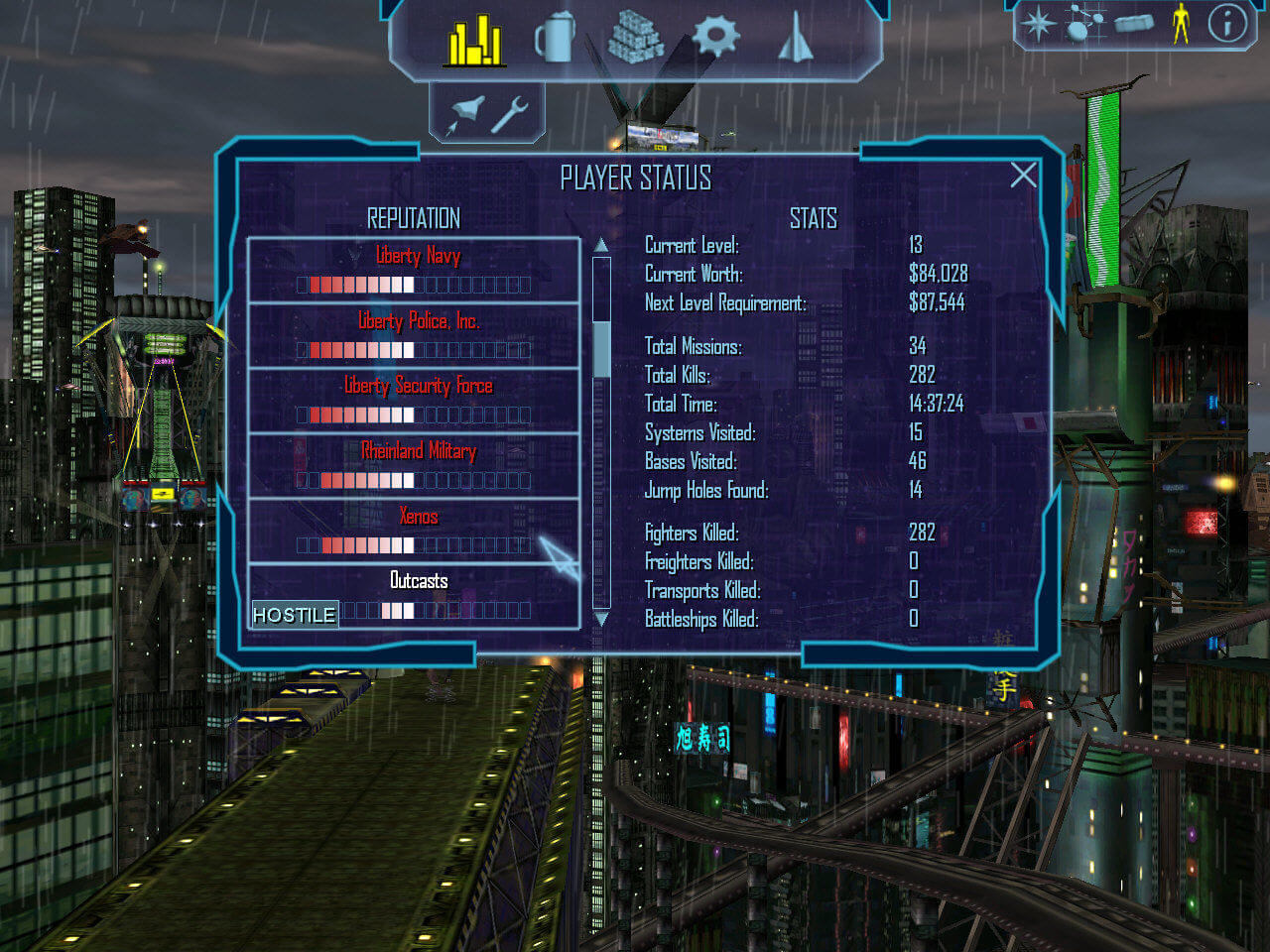
- Dynamic Multi-Faction Reputation Standing: 40 political factions (police, navies, corporations, miners, pirates, Outcasts, Corsairs); completing bounty contracts or attacking ships dynamically alters faction hostility, locking or unlocking access to black market bases.
- 128-Player Persistent Multiplayer Servers: Dedicated server software empowering communities to host persistent online multiplayer universes where pilots trade, form pirate fleets, and battle for galactic control.
Historical Legacy & Archival Preservation
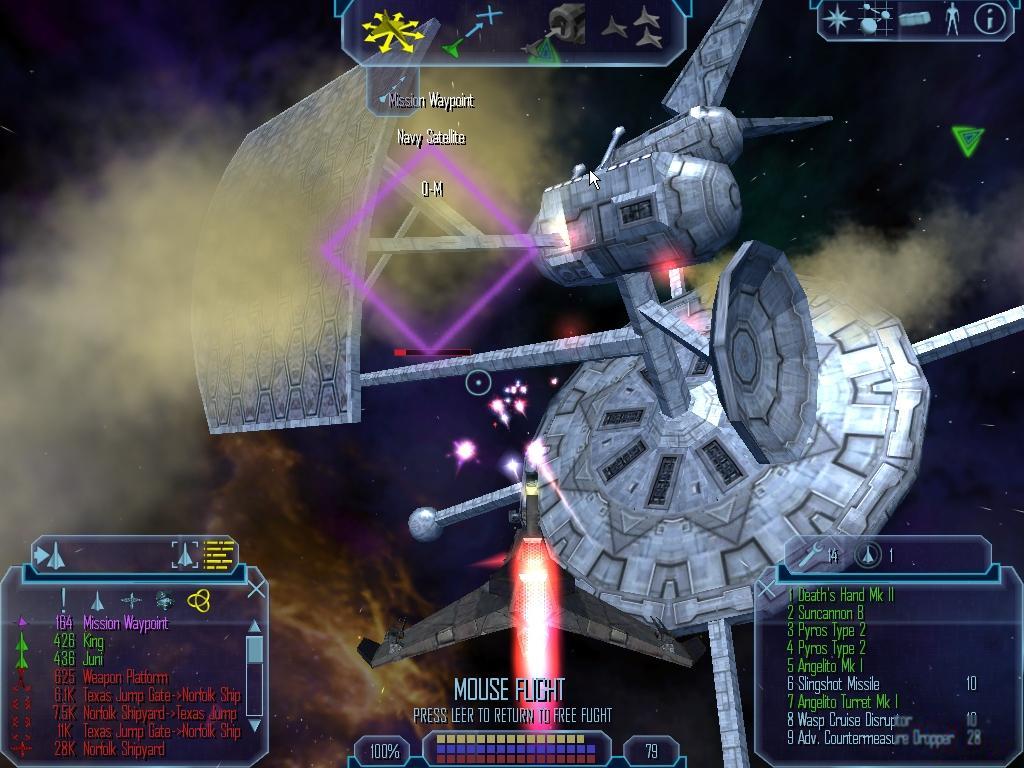
Freelancer is permanently enshrined in PC gaming history as the supreme masterclass that perfected open-world space trading, combat, and paved the direct path to *Star Citizen*.