Introduction: The Next Chapter for Street Rod
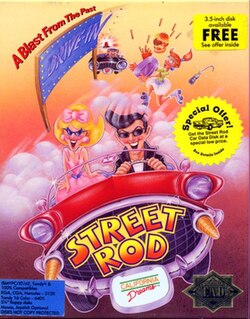
Street Rod, a title steeped in nostalgia and early gaming history, is poised to make a significant return. Developed by P.Z.Karen Co. Development Group and Logical Design Works, with Magic Partners providing the original concept, this racing game initially graced Amiga, Commodore 64, and MS-DOS platforms. Now, under the stewardship of California Dreams, Street Rod aims to recapture the hearts of veteran gamers while introducing a new generation to its unique blend of classic Americana and competitive racing. The re-release as freeware in 2014, along with "Street Rod SE," demonstrates a commitment to preserving this piece of gaming heritage. This deep dive will explore the game's technical aspects, artistic vision, and overall impact on the racing genre.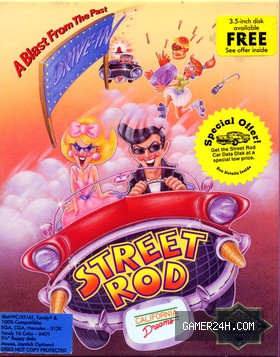
Visual Direction and Graphics Engineering
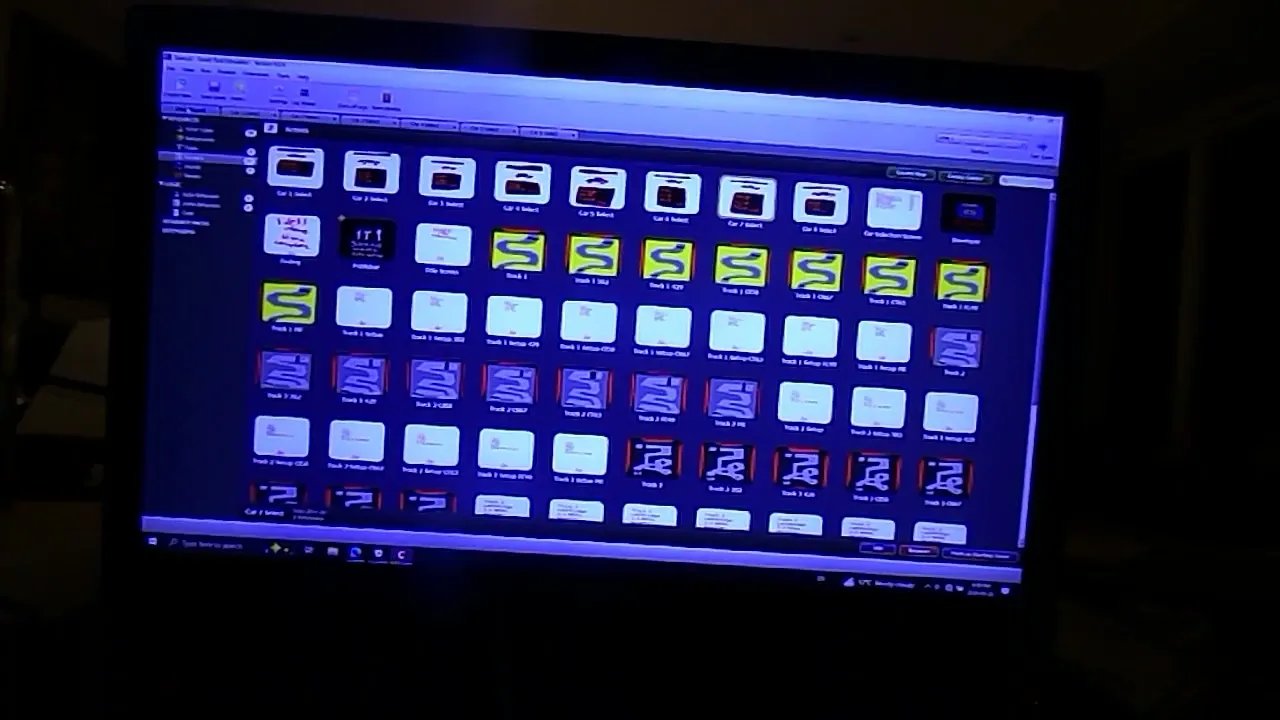
Given its origins on platforms like the Commodore 64 and Amiga, Street Rod's visual style is inherently limited by the technology of the time. However, the developers cleverly utilized color palettes and sprite-based graphics to create a sense of speed and dynamism. While modern audiences might find the visuals simplistic, they possess a certain charm that evokes the era. The use of pixel art allows for detailed representations of classic American cars, from hot rods to early muscle cars from GM, Ford, and Chrysler. The "Street Rod SE" version likely benefited from enhanced color palettes and potentially higher resolution sprites, offering a slightly more refined visual experience while retaining the original aesthetic. Understanding the constraints of the original hardware is crucial to appreciating the artistry involved in creating this game.Gameplay Mechanics and Core Systems
At its core, Street Rod revolves around a simple yet engaging gameplay loop: acquire a car, race against opponents, earn money, upgrade your vehicle, and climb the ranks. The player starts with a limited budget and must carefully choose their initial purchase from classified ads. This adds an element of strategy to the game, as different cars offer varying performance characteristics. The racing itself is likely arcade-style, emphasizing speed and skillful maneuvering rather than realistic physics simulation. The ability to modify the car using parts purchased through newspaper ads provides a sense of progression and customization. Eventually, the ultimate goal is to challenge "The King" for his position, signifying mastery of the game's competitive landscape.Level Design and World Atmosphere
While specific details about level design are scarce, it can be inferred that Street Rod likely features a series of interconnected race tracks or circuits set in an idealized version of 1963 America. The environments would have been rendered using the limitations of the original hardware, relying on clever use of color and simple geometric shapes to create a sense of place. The atmosphere is likely one of classic Americana, evoking images of drive-in movies, diners, and open roads. The "Street Rod SE" version might offer slightly more detailed environments or potentially new locations, enhancing the overall experience.Narrative Depth and Character Profiles
Information about narrative depth in Street Rod is limited. While the game primarily focuses on racing, there may be a basic storyline involving the player's journey to become the top racer and challenge "The King." The characters are likely archetypal representations of racers from the era, adding flavor to the competitive environment. More detailed information would require deeper analysis of the original game code or potentially unearthed developer notes.Sound Design and Acoustic Realism
Given the hardware limitations of the target platforms, the sound design in Street Rod is likely characterized by simple synthesized sounds and music. The engine noises, tire squeals, and background music would have been created using basic sound chips, contributing to the overall retro aesthetic. While not aiming for acoustic realism, the sound effects would have played a crucial role in enhancing the sense of speed and excitement during races.Release Expectations and Community Hype
The re-release as freeware generated significant community hype among veteran gamers eager to relive their childhood memories. The availability of "Street Rod SE" further fueled this enthusiasm, offering an enhanced version with potentially improved graphics and gameplay. The game's unique blend of classic Americana and competitive racing has resonated with players for decades, ensuring a dedicated following even in the modern gaming landscape.Conclusion: The Future of Street Rod
Street Rod represents a fascinating piece of gaming history, showcasing the ingenuity and creativity of developers working within the constraints of early computer hardware. Its re-release as freeware ensures its preservation for future generations of gamers. While not aiming to compete with modern racing games in terms of graphics or gameplay complexity, Street Rod offers a unique and nostalgic experience that continues to captivate players. The game's legacy lies in its ability to evoke a sense of classic Americana and competitive spirit, solidifying its place as a beloved title in the history of video games.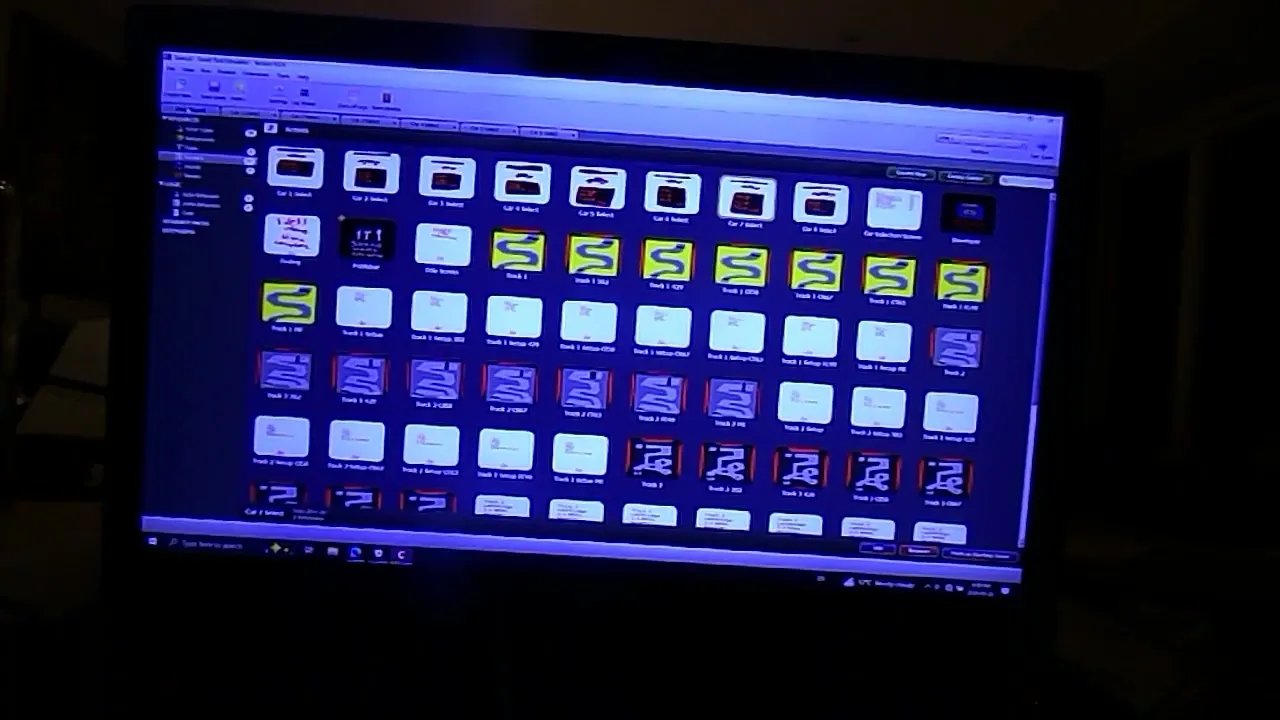
Source: Wikipedia
Google Preferred Source
Add us to your favorite news sources on Google
Get instant updates and breaking news directly in Google News