Introduction: The Next Chapter for Habbo
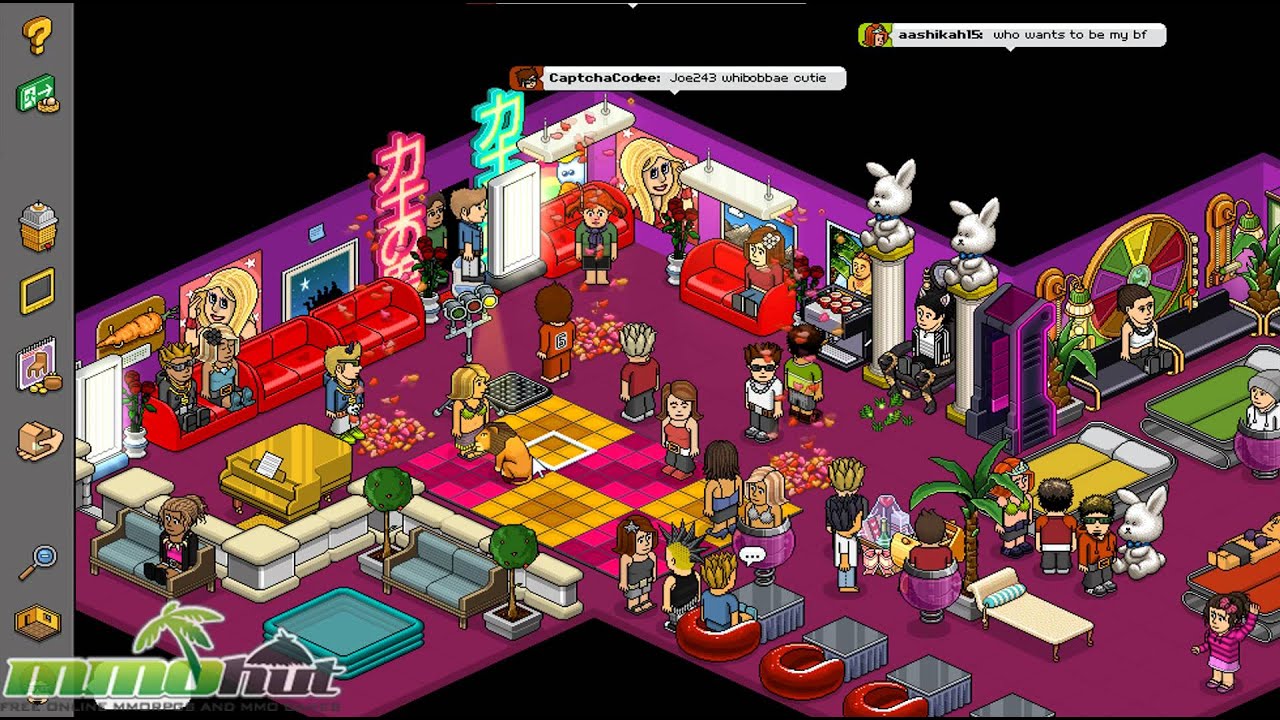
Habbo, a name synonymous with virtual communities and online role-playing since its inception in 2000, is poised to enter what many are calling its "next chapter." Originally conceived as Mobiles Disco by Sampo Karjalainen and Aapo Kyrölä, the platform has evolved from a simple chat room into a sprawling metaverse experience. While initially built on Fuse technology, Habbo's evolution to a proprietary next-gen engine marks a significant turning point, promising enhanced visuals, deeper gameplay mechanics, and an overall more immersive experience for its dedicated player base. This deep-dive review will dissect the core elements of this evolving platform, examining its visual direction, gameplay systems, level design, narrative depth, sound design, release expectations, and ultimately, the future trajectory of Habbo.Visual Direction and Graphics Engineering
The transition to a proprietary next-gen engine is arguably the most significant upgrade for Habbo. While previous iterations relied on simpler graphics, this new engine allows for significantly improved textures, lighting effects, and character models. shows a comparison between older and newer visuals, highlighting the stark difference in fidelity. The enhanced visual capabilities allow for more detailed room designs, richer environments, and more expressive avatars. While not aiming for photorealism, the new engine strives to create a vibrant and stylized aesthetic that captures the whimsical nature of the Habbo universe. Optimization is key; the team must balance graphical enhancements with accessibility across a wide range of devices. The proprietary engine allows for greater control over these optimizations, ensuring a smooth experience even on lower-end hardware.Gameplay Mechanics and Core Systems
At its core, Habbo revolves around social interaction, creativity, and lighthearted gameplay. The new engine enhances existing mechanics while introducing novel systems. Room building remains a central pillar, with expanded options for customization and interactivity. Players can now design more complex contraptions and puzzles within their rooms, fostering collaboration and problem-solving among players. The pet care system has also been revamped, offering deeper engagement and more rewarding interactions. The core loop of earning virtual currency (credits) to purchase furniture, clothing, and other items remains intact, driving progression and encouraging player investment in the game's economy. New mini-games and quests are planned to further diversify gameplay and provide ongoing challenges for players of all skill levels.Level Design and World Atmosphere
The "hotels" within Habbo represent distinct environments, each with its own unique atmosphere and visual style. From bustling cityscapes to tranquil beaches, the level design aims to create a sense of place and encourage exploration. The new engine allows for more detailed and dynamic environments, with improved lighting effects that enhance the mood and ambiance. Interactive elements are integrated throughout the levels, encouraging players to discover hidden secrets and engage with their surroundings. The team is also focusing on creating more seamless transitions between different areas within a hotel, minimizing loading times and maximizing immersion. The level design philosophy emphasizes player agency, allowing individuals to shape their own experiences and create lasting memories within the virtual world.Narrative Depth and Character Profiles
While Habbo has always been driven by user-generated content and emergent storytelling, the new engine introduces elements designed to enhance the narrative experience. Pre-built questlines and story arcs are being integrated into the game, providing players with opportunities to engage in more structured narratives. Character profiles have also been expanded, allowing for greater customization and personalization. Players can now create more detailed backstories for their avatars, adding depth and complexity to their online personas. The team is also exploring ways to integrate user-generated content more seamlessly into the game's narrative structure, empowering players to contribute to the ongoing story of Habbo.Sound Design and Acoustic Realism
The sound design plays a crucial role in creating an immersive and engaging experience within Habbo. The new engine allows for higher fidelity audio and more dynamic soundscapes. Environmental sounds are meticulously crafted to enhance the atmosphere of each hotel, while character voices add personality and emotion to interactions. The team is also exploring ways to integrate spatial audio technology, allowing players to pinpoint the source of sounds within the virtual world. Music plays a vital role in setting the mood and creating a sense of community. A diverse range of musical styles are featured throughout the game, catering to a wide range of tastes.Release Expectations and Community Hype
The announcement of Habbo's transition to a proprietary next-gen engine has generated significant excitement within the community. Players have been eagerly anticipating the release of new features and improvements. The team is carefully managing expectations, emphasizing that the upgrade will be rolled out gradually over time. Early access programs are being offered to select players, allowing them to provide feedback and help shape the final product. The marketing campaign focuses on highlighting the enhanced visuals, deeper gameplay mechanics, and overall more immersive experience that the new engine promises. The team is actively engaging with the community through social media and online forums, fostering a sense of collaboration and shared excitement.Conclusion: The Future of Habbo
Habbo's evolution to a proprietary next-gen engine represents a significant step forward for the platform. While retaining its core values of creativity, social interaction, and lighthearted gameplay, the new engine promises enhanced visuals, deeper mechanics, and an overall more immersive experience. showcases some early gameplay footage, giving viewers a glimpse of what's to come. The team is committed to building upon this foundation, continuously adding new features and content to keep players engaged for years to come. The future of Habbo looks bright, with the potential to reach even wider audiences and solidify its position as a leading virtual world platform.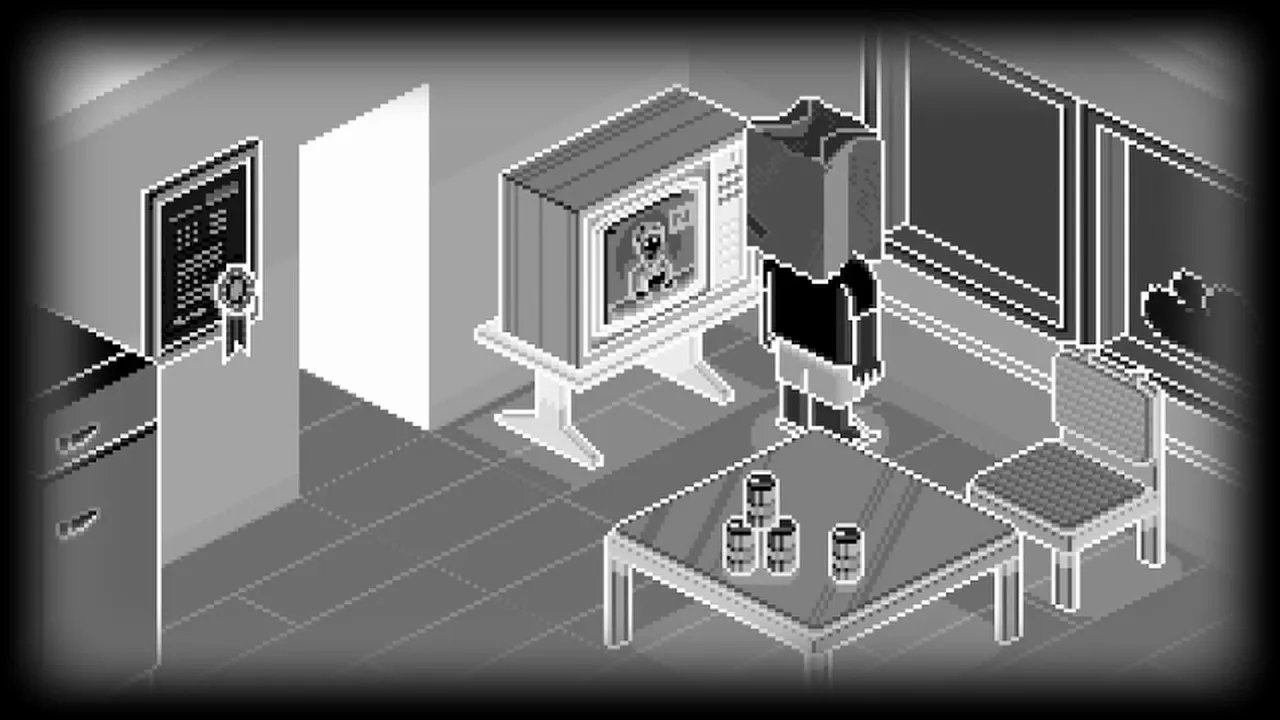
Source: Wikipedia
Google Preferred Source
Add us to your favorite news sources on Google
Get instant updates and breaking news directly in Google News