Press Start may earn a commission when you purchase through links on our site, at no additional cost to you.
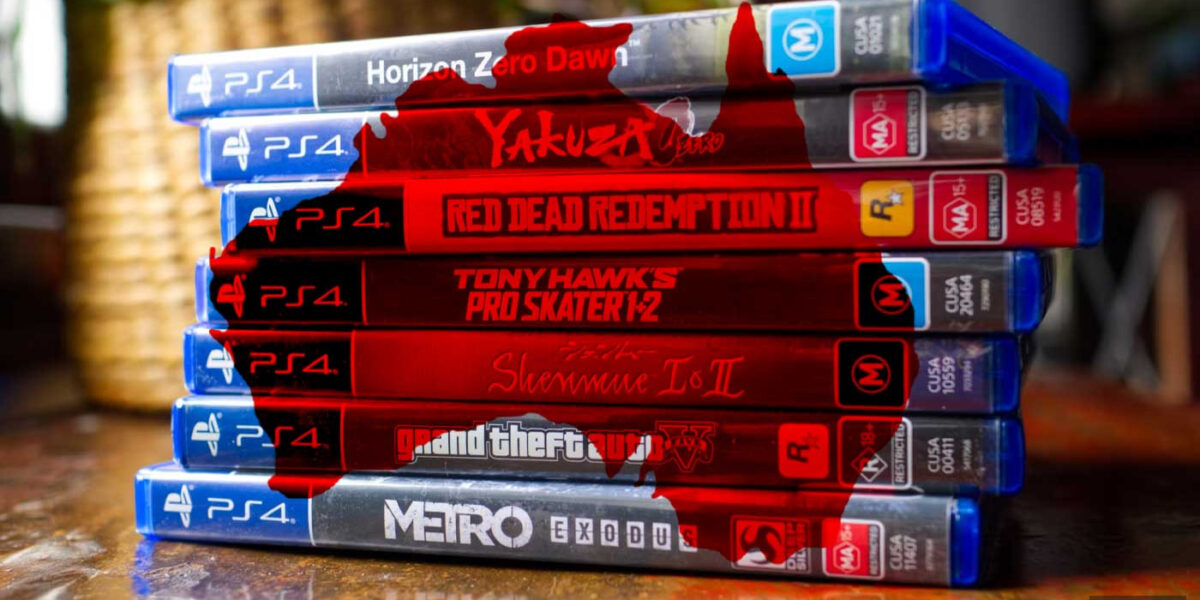
Sony has announced that from January 2028 onward it will discontinue the production of physical discs for new releases, signalling that its forthcoming console—and the rumored handheld—will operate exclusively on digital distribution. As a result, PlayStation titles will be obtainable only via the PlayStation Store or as digital codes from retailers, effectively ending the era of the traditional disc.
While this move may feel bittersweet, the numbers are unequivocal: more than 85 % of PlayStation game sales are digital, and Capcom reports that 93 % of its titles are purchased digitally. The transition aligns seamlessly with current consumer habits, suggesting that if the PS6 launches later this year, a digital‑only strategy is both timely and inevitable.
Concrete Australian data are scarce, yet the digital share is unmistakably on the rise, though it has yet to reach U.S. levels—an outcome largely attributable to a vibrant and competitive retail market. Having monitored Australian game pricing for fifteen years, I still observe pronounced price gaps between retail and recommended retail price (RRP), with digital copies consistently priced at full RRP.
When the most recent PlayStation first‑party title launched in Saros, it carried a $124.95 retail price on the PlayStation Store. Retailers such as Target, however, offered it for just $94—a staggering $31 discount—while no other outlet listed it above $109.95. Even today, a physical copy from Target still saves about $25 compared to the digital price, underscoring the value of in‑store deals.
The same pattern holds for third‑party releases. LEGO Batman, for instance, retailed at $109.95 on the PlayStation Store but was available at Target for $84, with no other retailer charging over $99. Thus, purchasing the game in a brick‑and‑mortar shop consistently yielded savings, regardless of the shopping channel.
In contrast, the United States rarely sees such steep launch discounts. Outside of major sales events like Black Friday or Days of Play, most retailers maintain full retail pricing at launch, prompting a faster shift toward digital purchases. This pricing dynamic places Australian gamers at a disadvantage, as they miss out on the substantial savings that U.S. consumers enjoy.
While physical copies will continue to appear in stores, it is unlikely that the same deep discounts will recur. Retailers often price games just below cost to attract foot traffic, but the scarcity of shelf coupons and the growing dominance of digital storefronts suggest that future purchases will likely be made at full price. This shift will further strain Australian consumers, who have historically depended on in‑store bargains to keep gaming affordable.
While collectors have long cherished the tactile allure of physical editions—and the ability to trade them in—this shift is largely affecting a vocal minority. In the United States, where roughly 85 % of PlayStation sales are digital, the transition has gone largely unnoticed. Still, the move signals a notable change in how we experience and value games.
Convenience is one side of the coin, and it could help shape the ecosystem that PlayStation is building around the upcoming PS6 and its rumored handheld sibling. Yet for many players, especially in Australia, this development feels like a bittersweet blow. The cost of new titles could climb by $20–$30 at launch, with post‑launch price hikes adding further pressure over time.
❓ Frequently Asked Questions (FAQ)
Why is Sony discontinuing physical game discs from 2028?
Sony announced that starting in January 2028 it will stop producing physical discs for new releases, shifting its forthcoming console and rumored handheld to a digital‑only model. This move reflects the growing dominance of digital sales—over 85 % of PlayStation game sales are already digital—and aligns with industry trends toward fully digital ecosystems, simplifying distribution and reducing manufacturing costs.
How will the end of physical discs impact Australian gamers compared to other markets?
Australia is expected to feel the change more acutely than some other major markets because its digital share, while rising, has not yet reached U.S. levels. The country’s vibrant retail market has historically supported a strong physical game presence, so the transition to digital‑only distribution may lead to greater price gaps and a shift in how players access and purchase games.
What options will Australian players have to buy PlayStation games after 2028?
After 2028, PlayStation titles will be available exclusively through the PlayStation Store or as digital codes sold by retailers. Players can download games directly to their console or purchase codes from online or physical retailers that still stock digital media, ensuring continued access without the need for physical discs.
News Source: Com




Comments
Be the first to comment.