
Introduction: The Next Chapter for Sylvio

Sylvio, a chilling first-person horror adventure developed and published by Stroboskop, initially captivated players in June 2015. Built upon the versatile Unity engine, the game thrusts players into the role of Juliette Waters, an audio recordist specializing in Electronic Voice Phenomenon (EVP). Trapped within an abandoned family park, scarred by a devastating landslide in 1971, Juliette must utilize her recording equipment to unravel the mysteries surrounding her predicament and survive the encroaching darkness. The game’s unique blend of atmospheric horror, puzzle-solving, and psychological intrigue quickly garnered attention, establishing Sylvio as a noteworthy title within the indie horror landscape. This deep dive will explore the various elements that contributed to Sylvio’s success, examining its visual direction, gameplay mechanics, narrative depth, and overall impact on the gaming community. A sequel, Sylvio 2, followed in 2017, further expanding upon the established formula.
Visual Direction and Graphics Engineering

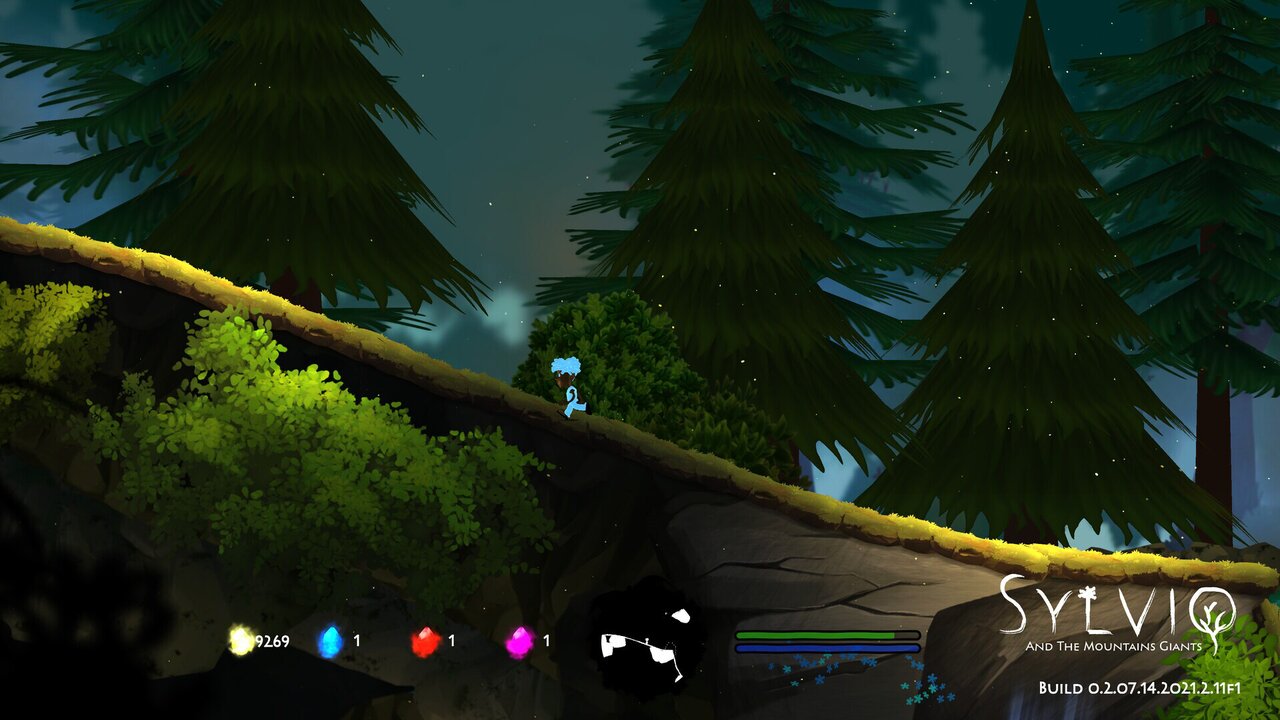
Sylvio leverages the capabilities of the Unity engine to create a visually unsettling atmosphere. While not pushing the boundaries of graphical fidelity, the game’s strength lies in its art direction and use of lighting to evoke a sense of dread and isolation. The abandoned park is rendered with a level of detail that emphasizes its decay and neglect. Overgrown vegetation, crumbling structures, and eerie shadows contribute to the overall feeling of unease. The limited color palette further enhances the oppressive atmosphere, focusing on muted tones and stark contrasts. While the visuals might appear simplistic at first glance, they are carefully crafted to maximize their impact on the player’s emotional state. The developers effectively utilize Unity’s rendering capabilities to create a believable and immersive environment that perfectly complements the game’s horror themes.
Gameplay Mechanics and Core Systems

The core gameplay of Sylvio revolves around exploration, puzzle-solving, and audio analysis. Players must navigate the abandoned park, searching for clues and interacting with various objects. Juliette’s primary tool is her reel recorder, which she uses to capture EVP – ghostly voices that offer cryptic messages and hints. Analyzing these recordings is crucial for progressing through the game. Players can manipulate the playback speed and direction of the recordings to uncover hidden words and phrases. These discoveries are meticulously documented in Juliette’s notepad, providing valuable insights into the park’s history and the nature of the entities haunting it. The gameplay loop encourages careful observation and critical thinking, rewarding players who pay close attention to their surroundings and the information they gather.
Level Design and World Atmosphere

The level design in Sylvio is instrumental in creating a palpable sense of dread and isolation. The abandoned park is meticulously crafted to feel both familiar and unsettling. The layout encourages exploration, with hidden pathways and secret areas waiting to be discovered. The use of verticality adds another layer of complexity to the environment, allowing players to gain new perspectives on their surroundings. The atmosphere is further enhanced by the dynamic lighting system, which casts long shadows and creates a sense of unease. The sound design plays a crucial role in immersing the player in the game world, with subtle audio cues that hint at unseen dangers.
Narrative Depth and Character Profiles

Sylvio’s narrative unfolds gradually, revealing fragments of information through EVP recordings and environmental storytelling. The story revolves around the park’s tragic history and the lingering presence of its former inhabitants. Juliette Waters, the protagonist, is a complex character driven by her fascination with the paranormal. Her motivations and backstory are revealed piecemeal, adding depth to her personality. While other characters appear primarily through audio recordings, their voices contribute significantly to the overall narrative tapestry. The game’s strength lies in its ability to create a sense of mystery and intrigue, encouraging players to piece together the puzzle of what happened at the park.
Sound Design and Acoustic Realism

The sound design in Sylvio is arguably one of its most impactful elements. The ambient sounds of the abandoned park – creaking wood, rustling leaves, distant animal noises – create a constant sense of unease. The EVP recordings themselves are meticulously crafted to sound both realistic and unsettling. The use of binaural audio further enhances the immersive experience, allowing players to pinpoint the source of sounds with remarkable accuracy. The soundtrack is subtle but effective, adding another layer of emotional depth to the gameplay.
Release Expectations and Community Hype
Upon its release in 2015, Sylvio generated considerable buzz within the indie horror community. Its unique premise, atmospheric visuals, and innovative gameplay mechanics quickly resonated with players seeking a more cerebral and unsettling experience. The game’s success can be attributed to its ability to tap into primal fears and anxieties, creating a truly immersive and unforgettable journey. The release of Sylvio 2 in 2017 further solidified the franchise’s popularity, demonstrating the enduring appeal of its core concepts.
Conclusion: The Future of Sylvio
Sylvio stands as a testament to the power of atmospheric horror and innovative gameplay mechanics. Its success can be attributed to its ability to create a truly immersive and unsettling experience for players. While not pushing the boundaries of graphical fidelity, the game’s strength lies in its art direction, sound design, and overall atmosphere. The release of Sylvio 2 further expanded upon the established formula, demonstrating the enduring appeal of its core concepts.
As the indie horror landscape continues to evolve, Sylvio remains a noteworthy title that has left a lasting impact on the gaming community.

Source: Wikipedia


