The Genre Genesis: From Historical Foundations to Next-Gen Vanguard
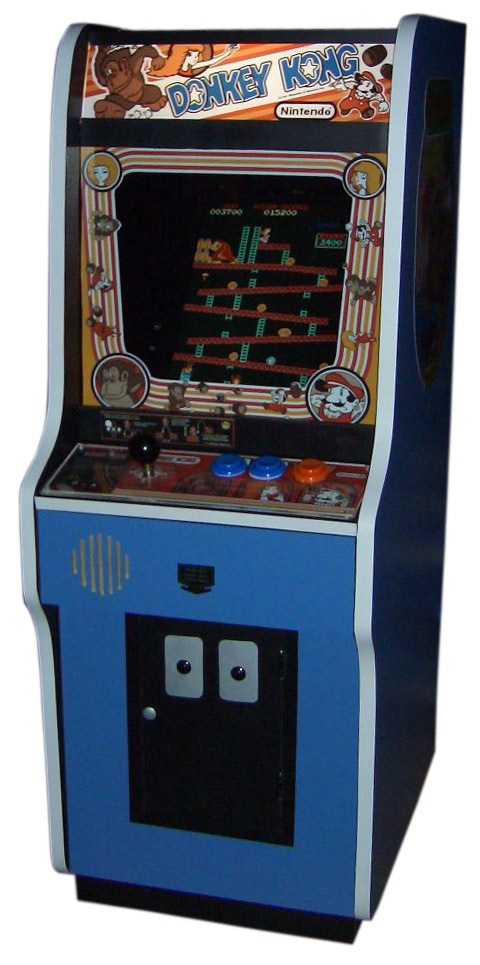
Precision jumping platform physics, multi-tiered construction beam traversal, rolling barrel avoidance, and the historic Genesis moment of Shigeru Miyamoto and Nintendo (standing before Nintendo’s vibrant blue upright cabinet in July 1981: watching the animated opening cutscene where Donkey Kong stomps the girders to slant the beams, gripping the 4-way red joystick and pressing the Jump button to make Jumpman leap gracefully over a rolling wooden barrel on the 25m Girder stage, grabbing the glowing Smash Hammer to pulverize barrels and fireballs for 500-point bursts, climbing iron ladders to the top tier to watch Kong grab Lady Pauline and ascend higher, advancing to the 50m Conveyor Belt factory, timing daring leaps across moving elevator platforms on the 75m stage while dodging bouncing springs, removing all eight support rivets on the 100m stage to send Donkey Kong crashing downward on his head, reuniting with Pauline under a spinning pink heart, and realizing the entire future of video games had just been born), paired with Miyamoto, Yokoi, and Nintendo’s platforming summit—from Donkey Kong (1981), Donkey Kong Jr. (1982), Super Mario Bros. (1985), Super Mario 64, and all platformers—trace their undisputed, most sacred and revolutionary golden genesis to July 1981 with Shigeru Miyamoto’s founding triumph, Donkey Kong.
Conceived and directed by Shigeru Miyamoto and produced by Gunpei Yokoi at Nintendo on Z80 & Intel 8035 Arcade Hardware, Donkey Kong created the modern platformer.
Platform Context & Gaming Environment
Climbing the girders across Nintendo’s 1981 Arcade Hardware:
- The Directorial Debut of Shigeru Miyamoto: Miyamoto’s first game as lead designer, mentored by Gunpei Yokoi.
- Introduced Mario, Pauline & Donkey Kong: The birth of the most iconic characters in global entertainment history.
- Four Distinct Multi-Stage Levels: 25m (Girders), 50m (Conveyor Belts), 75m (Elevators), and 100m (Rivets).
- Pioneered Narrative Cutscenes: The first arcade game with opening, inter-level, and climatic story cutscenes.
- Saved Nintendo of America: Converted 2,000 unsold *Radar Scope* cabinets into the biggest arcade hit in American history.
Anticipation & Cultural Standing: Niche vs. Global Phenomenon
Donkey Kong was an astronomical cultural and commercial phenomenon, selling over 60,000 arcade cabinets in North America alone and earning over $280 million in its first year. It transformed Nintendo from a modest Japanese toy company into an international entertainment giant.
Gameplay Mechanics & Next-Gen Innovations
Donkey Kong established foundational platforming mechanics:
- Jump Traversal & Barrel Timing: Leaping over rolling and falling barrels with strict timing and momentum.
- Smash Hammer Power-Up: Temporary invincibility granting the ability to smash obstacles for massive bonus points.
- Multi-Screen Level Architecture: Four distinct stages with unique environmental mechanics (conveyors, elevators, rivets).
- Objective-Based Level Completion: Removing support rivets to collapse the boss structure rather than simply reaching an exit.
- Iconic Synthesized Audio: Walking squeaks, jump boings, hammer march music, barrel smashing crashes, and Pauline rescue jingles.
Historical Legacy & Future Trajectory
Donkey Kong is an immortal cornerstone of world culture, the birthplace of Mario and Donkey Kong, and an enduring monument to Shigeru Miyamoto and Gunpei Yokoi.


